
 EN
EN
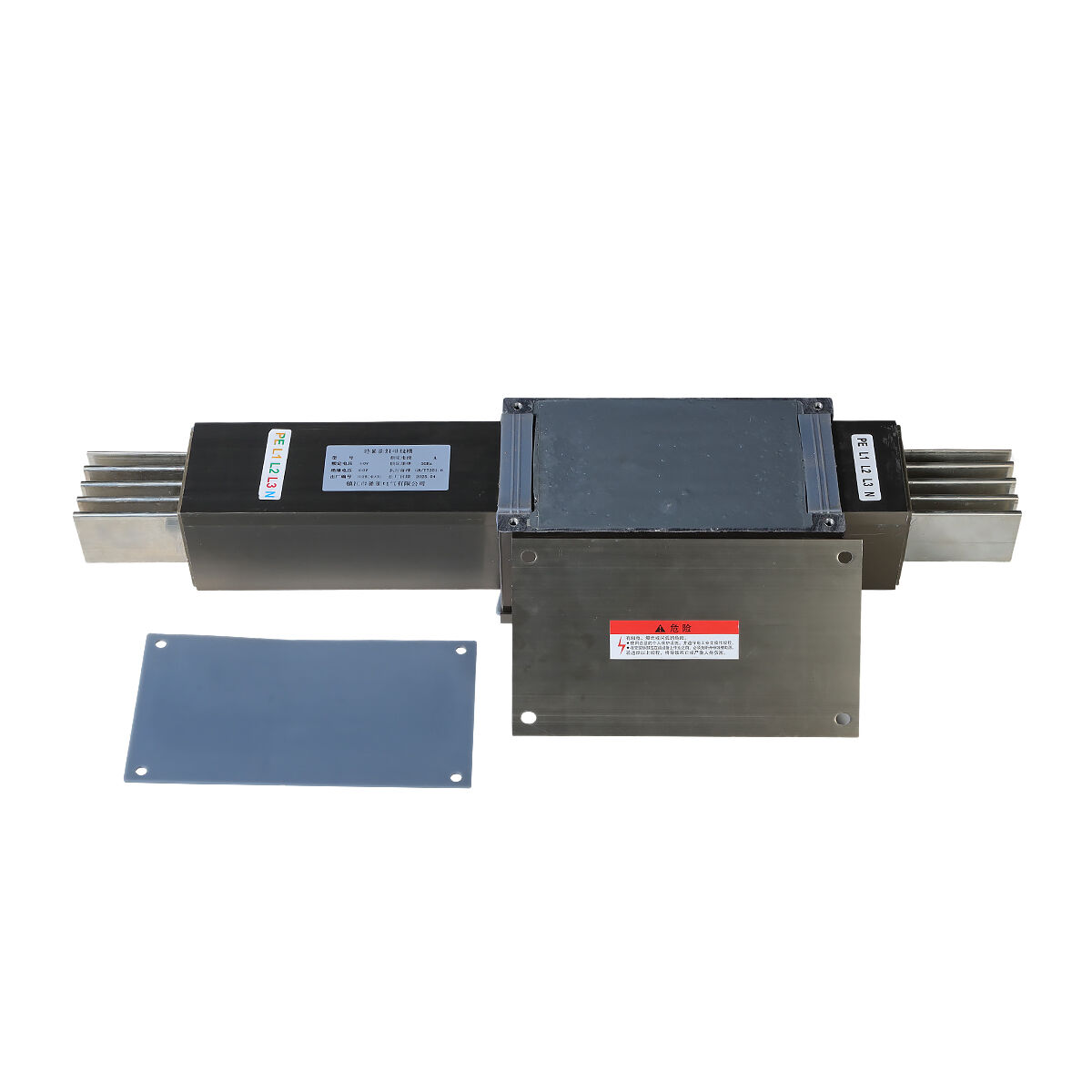
The enclosure of a distribution board serves as the first line of defense protecting critical electrical components from environmental factors, physical damage, and unauthorized access. In industrial and commercial settings, these enclosures house essential power distribution equipment that keeps operations running smoothly. However, without proper maintenance, even the most robust enclosure can deteriorate prematurely, leading to costly repairs, safety hazards, and operational downtime. Understanding how to maintain these protective housings is fundamental to ensuring long-term reliability and maximizing your investment in electrical infrastructure.

Maintaining the enclosure of a distribution board requires a systematic approach that addresses both preventive care and responsive interventions. This comprehensive maintenance strategy extends the service life of the enclosure while ensuring that the electrical components within remain protected and fully functional. Whether you manage a single facility or oversee multiple industrial sites, implementing proper maintenance protocols for distribution board enclosures will reduce failure rates, enhance safety compliance, and deliver significant cost savings over the equipment lifecycle. This guide provides actionable maintenance procedures specifically designed to preserve enclosure integrity and maximize longevity.
Understanding the Critical Role of Distribution Board Enclosure Maintenance
Why Enclosure Maintenance Directly Impacts System Longevity
The enclosure of a distribution board functions as a protective barrier that shields sensitive electrical components from moisture, dust, corrosive substances, and physical impacts. When maintenance is neglected, environmental contaminants penetrate the enclosure, accelerating corrosion on internal components and creating conditions for electrical failures. Regular maintenance prevents these degradation pathways by identifying and addressing potential entry points before they compromise the interior environment. Facilities that implement structured maintenance programs for their distribution board enclosures typically experience 40-60% fewer unplanned outages compared to those with reactive maintenance approaches.
Beyond protecting internal components, proper enclosure maintenance ensures that critical safety features remain functional throughout the equipment's service life. Grounding connections, gasket seals, and locking mechanisms all require periodic inspection and servicing to maintain their protective capabilities. When these elements deteriorate unnoticed, the enclosure can no longer provide adequate protection against electrical shock hazards or prevent unauthorized access. Systematic maintenance protocols address these safety-critical components, ensuring that the enclosure of a distribution board continues to meet safety standards and protect both personnel and equipment.
Environmental Factors That Accelerate Enclosure Deterioration
Industrial environments expose distribution board enclosures to various degradation mechanisms that vary by location and application. Coastal facilities face accelerated corrosion from salt-laden air, while chemical processing plants contend with corrosive fumes that attack protective coatings. Understanding the specific environmental stressors in your facility enables you to tailor maintenance procedures to address the most significant threats. Temperature extremes, humidity fluctuations, and UV exposure all contribute to material degradation, with each factor requiring specific countermeasures within your maintenance program.
The enclosure of a distribution board installed outdoors faces particularly aggressive conditions compared to indoor installations. Rain, snow, and temperature cycling stress gasket materials and paint coatings, while direct sunlight degrades polymeric components through UV radiation. Outdoor enclosures require more frequent inspection intervals and proactive replacement of weather seals to maintain their protective integrity. Even indoor installations in climate-controlled environments benefit from regular maintenance, as dust accumulation, condensation, and thermal cycling from equipment operation create maintenance demands that cannot be ignored without consequences.
Establishing Effective Inspection Protocols for Distribution Board Enclosures
Developing a Systematic Visual Inspection Routine
Effective maintenance of the enclosure of a distribution board begins with comprehensive visual inspections conducted at appropriate intervals. Monthly walk-through inspections should assess overall enclosure condition, checking for obvious signs of damage, corrosion, or unauthorized modifications. These quick assessments identify emerging problems before they escalate into serious failures. During visual inspections, examine the enclosure exterior for paint deterioration, rust formation, dents, or cracks that could compromise structural integrity or allow environmental intrusion. Document any findings with photographs and location descriptions to track deterioration patterns over time.
More detailed quarterly inspections should include opening the enclosure to examine internal surfaces, component mounting integrity, and the condition of internal protective coatings. Look for signs of moisture intrusion, including water stains, rust on internal surfaces, or condensation patterns that indicate gasket failures. Check all fasteners for proper torque and signs of loosening due to vibration or thermal cycling. This deeper inspection level reveals problems not visible from external examinations and provides early warning of conditions that will require corrective action. Maintaining detailed inspection records creates a historical baseline that helps identify trends and predict when preventive replacements will be necessary.
Testing Enclosure Integrity and Environmental Protection
Beyond visual assessments, functional testing verifies that the enclosure of a distribution board continues to provide the level of environmental protection required by your application. Annual testing should include verification of the enclosure's Ingress Protection (IP) rating using appropriate test equipment or procedures. For enclosures with gasket seals, perform leak tests by introducing a tracer gas or smoke around seal perimeters while checking for intrusion. This testing confirms that gaskets maintain their sealing effectiveness and that no gaps have developed around doors, cable entries, or mounting points.
Grounding system integrity represents another critical testing requirement for distribution board enclosures. Measure the resistance between the enclosure body and the facility grounding system annually using a low-resistance ohmmeter. Readings exceeding equipment specifications indicate corroded connections, loose bonding jumpers, or deteriorated grounding hardware that requires immediate attention. Additionally, verify that all bonding connections between individual enclosure sections, doors, and removable panels maintain low-resistance paths. These electrical tests ensure that the enclosure continues to provide effective protection against electrical faults and maintains safety compliance throughout its operational life.
Implementing Preventive Cleaning and Surface Protection Procedures
Proper Cleaning Techniques for Different Enclosure Materials
Regular cleaning represents one of the most effective maintenance activities for extending the service life of the enclosure of a distribution board. Quarterly cleaning removes accumulated dirt, industrial fallout, and corrosive residues before they attack protective coatings or create conditions for accelerated deterioration. The cleaning approach must match the enclosure material and coating type to avoid causing damage. Painted steel enclosures require gentle cleaning with mild detergents and soft cloths, while stainless steel enclosures tolerate more aggressive cleaning but require specific products that don't contain chlorides that could initiate pitting corrosion.
Start the cleaning process by removing loose contamination with compressed air or soft brushes, paying particular attention to ventilation louvers, cable entry areas, and door hinges where debris accumulates. Follow with washing using appropriate cleaning solutions applied with non-abrasive materials to avoid scratching protective coatings. For the enclosure of a distribution board in corrosive environments, consider using specialized cleaners designed to neutralize specific contaminants common in your facility. Always rinse thoroughly with clean water and dry completely to prevent water spots or residual cleaner from causing localized corrosion. Document cleaning activities in maintenance logs to ensure consistent intervals and track the effectiveness of your cleaning protocols.
Maintaining and Renewing Protective Coatings
The protective coating on a distribution board enclosure serves as the primary barrier against corrosion and environmental degradation. During inspections, assess coating condition for signs of chalking, cracking, blistering, or delamination that indicate the coating is reaching the end of its effective life. Address minor coating damage promptly through spot repairs using touch-up paint that matches the original coating system in both composition and color. Proper surface preparation is essential for successful touch-up work; clean and lightly abrade damaged areas before applying primer and topcoat according to manufacturer specifications.
When coating deterioration becomes widespread, complete refinishing may be more cost-effective than ongoing spot repairs. Schedule refinishing during planned maintenance outages when the electrical equipment can be safely de-energized and relocated if necessary. The refinishing process involves removing the old coating through mechanical or chemical methods, preparing the metal surface to appropriate cleanliness standards, and applying a complete coating system designed for the service environment. For the enclosure of a distribution board in particularly harsh environments, consider upgrading to higher-performance coating systems during refinishing to extend the interval until the next coating renewal. Properly executed coating maintenance can extend enclosure life by decades compared to neglected units where corrosion eventually requires complete enclosure replacement.
Servicing Gaskets, Seals, and Moving Components
Gasket Inspection and Replacement Strategies
Gaskets and seals on the enclosure of a distribution board represent critical components that require regular attention to maintain environmental protection. During each detailed inspection, examine gasket condition for compression set, cracking, hardening, or deterioration that compromises sealing effectiveness. Gaskets that show permanent deformation or have lost their elasticity no longer provide reliable sealing and should be replaced even if no obvious leakage has occurred. Environmental factors significantly affect gasket lifespan; installations exposed to UV radiation, ozone, temperature extremes, or chemical exposure require more frequent gasket replacement compared to benign indoor environments.
Establish a preventive gasket replacement schedule based on material type and environmental exposure rather than waiting for seal failures to occur. Neoprene and EPDM gaskets in typical industrial environments generally require replacement every three to five years, while silicone gaskets may last longer under similar conditions. When replacing gaskets, thoroughly clean gasket surfaces on both the enclosure body and door to ensure proper sealing of the new gasket. Apply gaskets uniformly without stretching or compressing during installation, and verify proper door alignment before tightening closure hardware. Maintaining spare gaskets in inventory for your distribution board enclosures enables rapid replacement during scheduled maintenance without waiting for parts procurement.
Maintaining Hinges, Latches, and Locking Mechanisms
Moving components on distribution board enclosures require regular lubrication and adjustment to maintain smooth operation and proper sealing. Hinges accumulate dirt and corrosion products that increase friction and cause binding, potentially preventing doors from closing properly and compromising gasket sealing. Clean hinges thoroughly during each detailed inspection and apply appropriate lubricants to pivot points. Use lubricants compatible with the operating environment; standard petroleum-based greases work well for indoor applications, while outdoor or corrosive environments require specialized lubricants that resist washing or chemical attack.
Latches and locking mechanisms on the enclosure of a distribution board demand similar attention to ensure they continue to secure doors tightly against gaskets. Inspect latch components for wear, corrosion, or damage that affects their ability to hold doors closed with appropriate compression. Adjust or replace worn latches before they fail completely and compromise enclosure security or environmental protection. For enclosures with multi-point latching systems, verify that all latch points engage simultaneously and apply uniform compression across the entire door perimeter. Lubricate latch mechanisms according to manufacturer recommendations and test operation after maintenance to confirm smooth function and adequate clamping force.
Addressing Common Maintenance Challenges and Corrective Actions
Resolving Corrosion Issues Before They Compromise Enclosure Integrity
Corrosion represents the most common failure mode for the enclosure of a distribution board, particularly in industrial environments or coastal locations. When corrosion is detected during inspections, assess its extent and determine whether spot treatment or more extensive intervention is required. Surface rust on painted steel enclosures can often be arrested through mechanical removal, application of corrosion-inhibiting primers, and repainting. However, corrosion that has created pitting or material thinning may require structural reinforcement or panel replacement to restore enclosure integrity.
For stainless steel enclosures showing corrosion staining or localized pitting, identify and eliminate the corrosion cause rather than simply treating the symptoms. Pitting on stainless steel typically results from chloride exposure, galvanic contact with dissimilar metals, or damage to the passive oxide layer. Clean affected areas with specialized stainless steel cleaners or passivation treatments that restore the protective oxide film. If galvanic corrosion is occurring at mounting points or hardware interfaces, install proper isolation materials between dissimilar metals and ensure adequate drainage to prevent electrolyte accumulation. Addressing the root cause prevents corrosion from recurring after corrective treatment.
Managing Condensation and Internal Moisture Accumulation
Moisture inside the enclosure of a distribution board accelerates component corrosion and creates conditions for tracking, arcing, and electrical failures. If inspections reveal evidence of internal condensation, investigate the moisture source systematically. Condensation typically results from temperature differentials between the enclosure interior and ambient environment, inadequate ventilation allowing humid air to accumulate, or direct water intrusion through compromised seals. Install humidity indicators inside enclosures to monitor internal moisture levels between inspections and identify when conditions favor condensation formation.
Corrective strategies depend on the condensation mechanism. For condensation caused by temperature cycling, consider installing thermostatically controlled heaters that maintain internal temperature slightly above ambient to prevent moisture precipitation. If inadequate ventilation is the issue, verify that ventilation openings are clear and properly sized for internal heat generation. For the enclosure of a distribution board with confirmed gasket leaks, prioritize gasket replacement and seal restoration. In particularly humid environments, desiccant packs or active dehumidification systems may be necessary to control internal moisture levels. After implementing corrective measures, monitor results over several weeks to confirm that moisture problems have been resolved before closing the maintenance action.
FAQ
How often should distribution board enclosures be inspected for maintenance needs?
Distribution board enclosures should receive monthly visual inspections for obvious damage or deterioration, quarterly detailed inspections including internal examination, and annual comprehensive assessments with functional testing. Environments with high corrosion potential, extreme temperatures, or heavy contamination may require more frequent inspection intervals. Documenting inspection findings creates a maintenance history that helps optimize inspection frequency based on actual deterioration rates observed in your specific operating conditions.
What are the most critical components to monitor during enclosure maintenance?
The most critical components include gasket seals that maintain environmental protection, protective coatings that prevent corrosion, grounding connections that ensure electrical safety, and structural integrity of the enclosure body itself. Additionally, monitor door hinges, latches, and closure hardware that secure the enclosure and ensure proper gasket compression. Any compromise to these components can rapidly lead to moisture intrusion, corrosion acceleration, or safety hazards that undermine the enclosure's protective function.
Can I use standard industrial cleaners on all types of distribution board enclosures?
No, cleaning products must be compatible with the specific enclosure material and coating system. Avoid chloride-containing cleaners on stainless steel as they can initiate pitting corrosion. Strong solvents may damage powder-coated or painted finishes. Always test cleaning products on an inconspicuous area first and consult manufacturer recommendations for approved cleaning methods. Using incompatible cleaners can cause more damage than the contamination you're trying to remove, potentially voiding warranties or shortening enclosure life.
What should I do if I discover significant corrosion during an inspection?
First, assess whether the corrosion has compromised structural integrity or created safety hazards requiring immediate action. Document the extent and location of corrosion with photographs and measurements. For surface corrosion, mechanical removal followed by proper coating repair may be sufficient. Severe corrosion with material loss may require panel replacement or enclosure reinforcement. Always identify and address the root cause of corrosion, such as gasket failures or inadequate coating protection, to prevent recurrence after repairs are completed.
Table of Contents
- Understanding the Critical Role of Distribution Board Enclosure Maintenance
- Establishing Effective Inspection Protocols for Distribution Board Enclosures
- Implementing Preventive Cleaning and Surface Protection Procedures
- Servicing Gaskets, Seals, and Moving Components
- Addressing Common Maintenance Challenges and Corrective Actions
-
FAQ
- How often should distribution board enclosures be inspected for maintenance needs?
- What are the most critical components to monitor during enclosure maintenance?
- Can I use standard industrial cleaners on all types of distribution board enclosures?
- What should I do if I discover significant corrosion during an inspection?