
 EN
EN
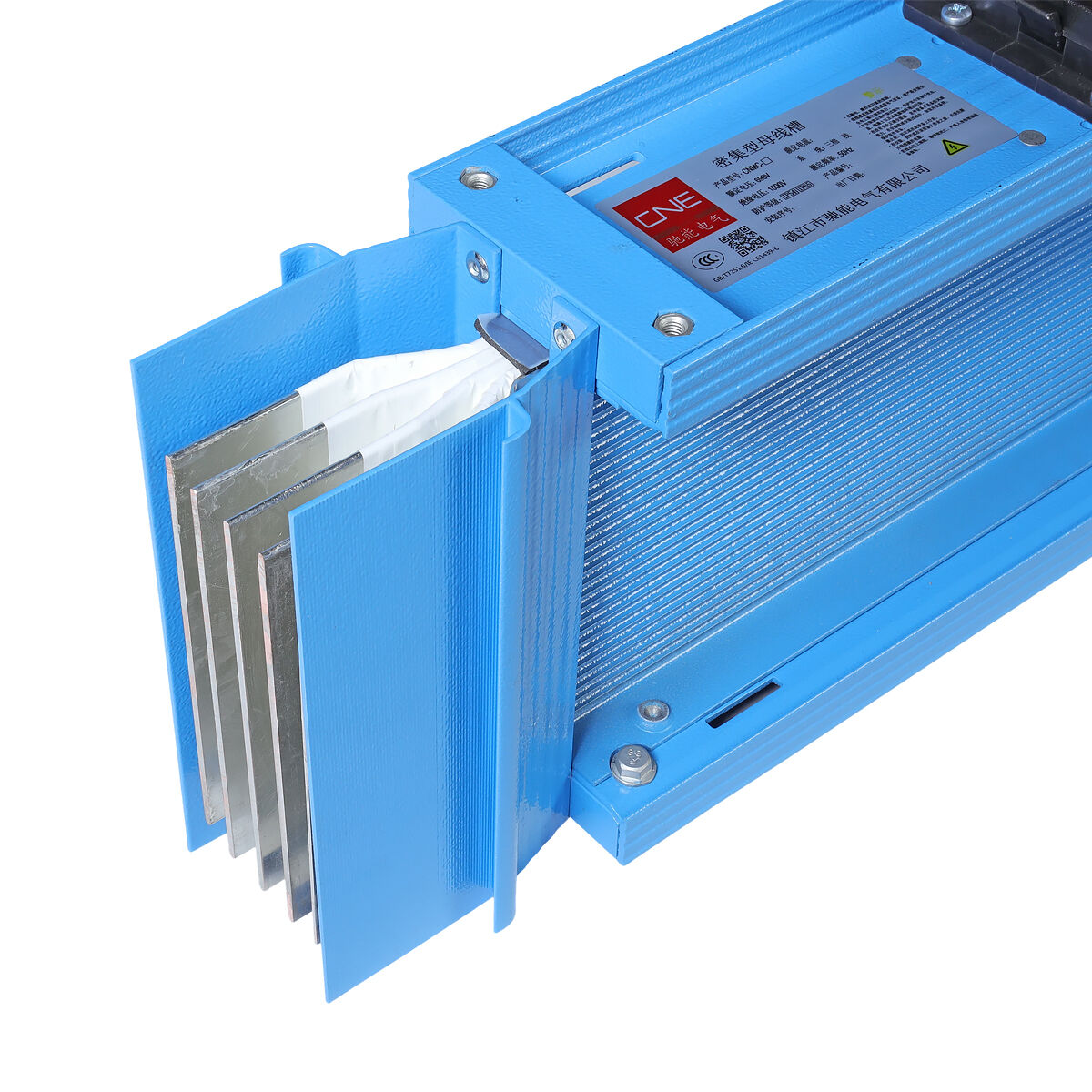
When specifying or procuring electrical infrastructure for commercial, industrial, or residential applications, understanding the compliance requirements for an enclosure of distribution board is fundamental to ensuring safety, reliability, and legal conformity. Distribution board enclosures serve as the protective housing for electrical distribution equipment, safeguarding both the internal components and personnel from electrical hazards while maintaining operational integrity under diverse environmental conditions. The standards governing these enclosures are established by international and regional regulatory bodies to ensure consistent quality, safety performance, and interoperability across different markets and applications.
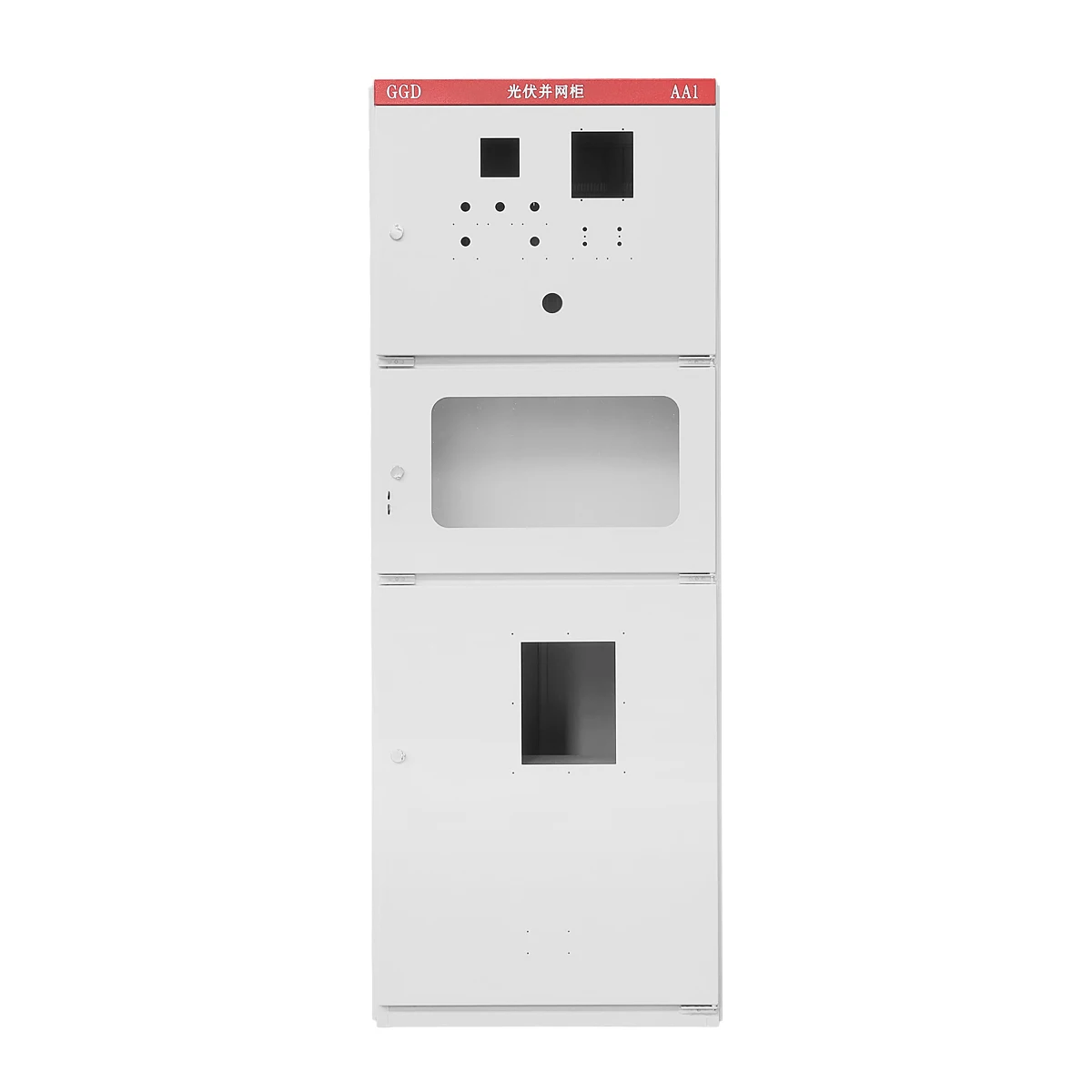
The compliance landscape for distribution board enclosures encompasses multiple dimensions including electrical safety, ingress protection, material specifications, thermal management, and manufacturing quality. Each standard addresses specific performance criteria that collectively determine whether an enclosure of distribution board meets the necessary requirements for its intended application environment. For engineers, facility managers, and procurement professionals, knowing which standards apply and how they interact is essential for making informed decisions that balance safety obligations, operational demands, and budgetary constraints while ensuring long-term system reliability.
International Electrical Safety Standards for Distribution Board Enclosures
IEC 61439 Series Requirements
The IEC 61439 series represents the primary international standard framework governing low-voltage switchgear and controlgear assemblies, including the enclosure of distribution board systems. This comprehensive standard series replaced the older IEC 60439 framework and introduces more rigorous verification methods and clearer responsibilities for manufacturers. IEC 61439-1 establishes general rules applicable to all assemblies, while IEC 61439-2 specifically addresses power switchgear and controlgear assemblies, which encompass most distribution board applications in commercial and industrial settings.
Under IEC 61439 requirements, an enclosure of distribution board must demonstrate compliance through either type-tested assemblies or partially type-tested assemblies with specific verification protocols. The standard mandates verification of temperature-rise limits, short-circuit withstand capacity, dielectric properties, and protection against electric shock. Manufacturers must provide detailed technical documentation demonstrating how the enclosure design meets specified electrical clearances, creepage distances, and protection class requirements. These provisions ensure that the enclosure maintains electrical safety even under fault conditions or when subjected to maximum rated loads over extended periods.
North American Standards and NEC Compliance
In North American markets, the enclosure of distribution board must comply with standards established by Underwriters Laboratories and meet requirements specified in the National Electrical Code. UL 67 covers panelboards, while UL 50 and UL 50E address enclosures for electrical equipment with specific focus on environmental ratings and construction requirements. These standards define mechanical strength, grounding provisions, accessibility features, and labeling requirements that ensure safe installation and maintenance practices throughout the equipment lifecycle.
The NEC Article 312 and Article 408 establish installation requirements and construction standards for cabinets, cutout boxes, and panelboards that directly impact enclosure specifications. Compliance with these provisions requires that each enclosure of distribution board incorporates adequate wire bending space, appropriate mounting provisions, proper conductor termination accessibility, and sufficient internal clearances. Additionally, the enclosure must accommodate circuit identification requirements and provide secure closure mechanisms that prevent unauthorized access while allowing qualified personnel to perform necessary maintenance activities safely and efficiently.
Ingress Protection and Environmental Performance Standards
IP Rating Requirements Under IEC 60529
The Ingress Protection rating system defined in IEC 60529 establishes critical performance criteria for how effectively an enclosure of distribution board protects internal components from solid particles and liquid ingress. The two-digit IP code provides immediate clarity regarding the enclosure's suitability for specific environmental conditions. The first digit indicates protection against solid objects ranging from large body parts to fine dust, while the second digit specifies protection against water ingress from vertical dripping to powerful jets or temporary submersion.
For indoor commercial applications, an enclosure of distribution board typically requires a minimum rating of IP40 or IP42, providing basic protection against accidental contact and solid objects larger than one millimeter. Industrial environments with exposure to dust, moisture, or cleaning procedures may demand IP54 or IP65 ratings, ensuring dust-tight construction and protection against water jets from any direction. Outdoor installations or harsh industrial settings might necessitate IP66 or IP67 ratings, particularly where the enclosure faces direct weather exposure or requires periodic high-pressure washdown. Selection of the appropriate IP rating ensures that the enclosure maintains protective integrity throughout its operational lifespan without compromising electrical safety or equipment reliability.
NEMA Enclosure Type Classifications
North American specifications often reference NEMA enclosure types as defined in NEMA 250, which provides a classification system addressing both environmental and hazardous location considerations. Each NEMA type designation corresponds to specific protection capabilities against environmental factors including rain, sleet, snow, dust, corrosion, and incidental contact with enclosed equipment. Understanding these classifications helps specify the appropriate enclosure of distribution board for diverse installation scenarios ranging from climate-controlled indoor spaces to exposed outdoor industrial yards.
NEMA Type 1 enclosures offer basic indoor protection suitable for clean, dry environments where minimal environmental stress occurs. NEMA Type 3R provides rain-tight outdoor protection for applications not requiring dust-tight sealing, while NEMA Type 4 and 4X offer comprehensive protection against windblown dust, rain, splashing water, and hose-directed water, with 4X adding corrosion resistance for coastal or chemical environments. For an enclosure of distribution board installed in industrial settings with potential explosive atmospheres, NEMA Type 7, 8, 9, or 10 classifications address hazardous location requirements corresponding to NEC Articles 500-503. Proper NEMA type selection ensures regulatory compliance while optimizing cost-effectiveness by avoiding over-specification for the actual environmental demands.
Material and Construction Quality Standards
Metal Enclosure Material Specifications
The material composition of an enclosure of distribution board directly impacts its mechanical strength, corrosion resistance, thermal management capabilities, and overall longevity. Steel enclosures remain the most common choice for distribution board applications, with specific standards governing minimum thickness, surface preparation, and protective coating requirements. According to IEC 61439 and related standards, steel enclosures typically require minimum material thickness ranging from 1.5mm to 2.5mm depending on enclosure size and mechanical load requirements, with thicker gauges specified for larger assemblies or installations subject to mechanical impact.
Surface treatment standards ensure adequate corrosion protection for the enclosure of distribution board throughout its expected service life. Powder coating represents the predominant finishing method, with specifications requiring minimum coating thickness, adhesion performance, and salt spray resistance measured through standardized testing protocols such as ISO 9227. Stainless steel enclosures offer superior corrosion resistance for harsh chemical or marine environments, with grade 304 or 316 stainless steel specified based on chloride exposure levels. Aluminum enclosures provide lightweight alternatives with natural oxidation resistance, though careful attention to galvanic corrosion potential becomes necessary when combining aluminum enclosures with copper or steel components within the assembly.
Non-Metallic Enclosure Standards
Polymer-based enclosures offer specific advantages for certain applications including inherent corrosion resistance, reduced weight, and electrical insulation properties. Standards governing non-metallic enclosures for distribution boards address material flammability, UV resistance, impact strength, and thermal stability. IEC 62208 establishes requirements for empty enclosures for low-voltage switchgear and controlgear assemblies, specifying verification methods for mechanical strength, thermal endurance, and resistance to abnormal heat and fire.
For an enclosure of distribution board constructed from polymer materials, compliance with UL 94 flammability ratings becomes essential, with most applications requiring V-0 or 5VA ratings to ensure adequate fire resistance. The enclosure material must maintain dimensional stability and mechanical properties across the specified operating temperature range, typically spanning from negative forty degrees Celsius to positive seventy degrees Celsius for standard applications. UV stabilization requirements become particularly important for outdoor polymer enclosures, with standards specifying accelerated weathering test protocols that simulate years of sunlight exposure to verify that material properties and appearance remain acceptable throughout the expected service life without significant degradation or embrittlement.
Thermal Management and Heat Dissipation Standards
Temperature Rise Limitations
Thermal performance represents a critical compliance area for any enclosure of distribution board, as excessive internal temperatures accelerate component degradation, reduce equipment lifespan, and create potential fire hazards. IEC 61439-1 establishes specific temperature-rise limits for various parts of the assembly including busbars, terminals, cable connections, and accessible external surfaces. These limits vary based on the conductor material, insulation class, and whether the surface may be contacted during normal operation or only during maintenance activities.
Verification of thermal compliance requires either type testing at maximum rated current or thermal calculation methods validated against empirical data. The enclosure of distribution board design must facilitate adequate heat dissipation through convection, with considerations for internal component layout, air circulation pathways, and potential hot-spot formation. Sealed enclosures with high IP ratings face particular challenges in thermal management, as the same sealing mechanisms that prevent ingress also restrict natural ventilation. In such cases, designers may incorporate internal heat sinks, specify oversized conductors to reduce resistive heating, or implement forced cooling systems while maintaining the required IP rating through appropriate fan and filter specifications.
Ventilation and Cooling Requirements
When natural convection proves insufficient to maintain acceptable temperature levels within an enclosure of distribution board, active or enhanced passive cooling becomes necessary. Standards governing ventilation openings address minimum opening sizes, screen mesh specifications to maintain IP ratings, and positioning requirements to prevent short-circuiting of cooling airflow. Ventilation openings must incorporate appropriate barriers or labyrinth designs that maintain the specified ingress protection level while allowing necessary air exchange for thermal management.
For actively cooled enclosures, fan specifications must address reliability requirements, filter maintenance accessibility, and failure mode considerations. The cooling system design for an enclosure of distribution board should incorporate redundancy or over-capacity to ensure continued safe operation if individual cooling components fail. Thermal monitoring provisions including temperature sensors and alarm outputs become particularly important in actively cooled assemblies, providing early warning of cooling system degradation before internal temperatures reach levels that threaten equipment reliability or safety. All ventilation and cooling provisions must maintain compliance with the overall electrical safety standards including clearance requirements, protection against accidental contact, and prevention of ingress routes for foreign objects that could create fault conditions.
Testing, Verification, and Certification Requirements
Type Testing and Routine Testing Protocols
Comprehensive verification of standards compliance for an enclosure of distribution board involves both type testing performed on representative samples and routine testing conducted on every manufactured unit. Type tests establish that the design meets all applicable standard requirements through rigorous evaluation including dielectric testing, temperature-rise verification, short-circuit withstand capacity, mechanical operation endurance, and protection degree verification. These tests validate the fundamental design integrity and provide documented evidence that the enclosure meets specified performance criteria under normal and abnormal operating conditions.
Routine testing ensures manufacturing consistency by verifying critical safety features on each production unit. For an enclosure of distribution board, routine tests typically include visual inspection, dimensional verification, dielectric strength testing, and continuity verification of protective conductor connections. While less comprehensive than type testing, routine tests identify manufacturing defects, assembly errors, or material variations that could compromise safety or performance. Documentation of both type test results and routine test records becomes essential for demonstrating compliance during regulatory inspections, insurance reviews, or customer acceptance procedures throughout the project procurement and commissioning process.
Third-Party Certification and Compliance Marking
Independent certification by recognized testing laboratories provides objective verification that an enclosure of distribution board meets applicable standards requirements. Certification marks from organizations such as UL, CSA, TÜV, KEMA, or other nationally recognized testing laboratories indicate successful evaluation against specific standard criteria. These marks facilitate regulatory acceptance, simplify cross-border trade, and provide assurance to end users that the equipment has undergone rigorous independent evaluation beyond manufacturer self-declaration.
The CE marking required for distribution board enclosures sold in European markets indicates manufacturer declaration of conformity with applicable EU directives including the Low Voltage Directive and potentially the EMC Directive depending on electronic content. While CE marking represents manufacturer self-certification rather than third-party testing, it requires comprehensive technical documentation demonstrating compliance through appropriate testing, risk assessment, and quality management processes. For an enclosure of distribution board intended for international markets, obtaining multiple regional certifications and maintaining compliance with evolving standard requirements represents an ongoing commitment that reputable manufacturers incorporate into their design, manufacturing, and quality assurance processes to ensure consistent product quality and regulatory acceptance across diverse markets and applications.
FAQ
What is the difference between IEC and NEMA standards for distribution board enclosures?
IEC standards such as IEC 61439 and IEC 60529 provide internationally recognized specifications focusing on electrical performance, temperature rise, and IP ratings with numerical classifications. NEMA standards like NEMA 250 offer enclosure type designations commonly used in North American markets that address both environmental protection and hazardous location requirements with alphanumeric type classifications. While both standard systems address similar protection objectives, they use different testing methods and classification approaches. An enclosure of distribution board intended for international markets may need to demonstrate compliance with both standard systems, with manufacturers often providing documentation showing equivalent protection levels between IP ratings and NEMA types for comparable applications.
How often do standards for distribution board enclosures get updated?
International and national standards undergo periodic review and revision to incorporate technological advances, address identified safety concerns, and harmonize requirements across different regulatory frameworks. Major standards like IEC 61439 typically follow revision cycles of five to ten years, with amendments issued between full revisions to address urgent safety issues or clarify ambiguous requirements. Manufacturers of enclosures for distribution boards must monitor standard updates through direct participation in standards committees or subscription to standards tracking services to ensure ongoing compliance. When significant standard revisions occur, transition periods typically allow existing designs to remain compliant while new projects must meet updated requirements, creating situations where multiple standard editions may simultaneously apply depending on project timing and contractual specifications.
Can a single enclosure design meet all international standards simultaneously?
Designing an enclosure of distribution board that achieves simultaneous compliance with multiple international standards is technically feasible but requires careful attention to the most stringent requirements across all applicable standards. A globally compliant design typically incorporates the highest protection levels, most conservative temperature limits, most rigorous mechanical strength requirements, and most comprehensive testing protocols from among all target markets. This approach may result in over-specification for some regional markets, potentially increasing material costs and enclosure size compared to designs optimized for single-market compliance. Manufacturers serving international markets often develop product platforms that meet core requirements across major standards, then offer regional variants with specific modifications for unique local requirements, balancing standardization economies with market-specific compliance needs.
What documentation must accompany a compliant distribution board enclosure?
Comprehensive technical documentation forms an essential component of standards compliance for any enclosure of distribution board. Required documentation typically includes detailed drawings showing enclosure dimensions and material specifications, electrical schematic diagrams, busbar and component layout drawings, temperature rise calculation reports or test results, short-circuit withstand capacity verification, IP rating test reports, and material certifications for key components. Declaration of conformity documents, instruction manuals with installation and maintenance guidance, safety warnings, and rated characteristic labels must accompany the physical equipment. For certified products, certificates from recognized testing laboratories and test reports demonstrating compliance with specific standard clauses provide essential evidence during regulatory inspections, insurance reviews, and project commissioning activities throughout the equipment lifecycle.
Table of Contents
- International Electrical Safety Standards for Distribution Board Enclosures
- Ingress Protection and Environmental Performance Standards
- Material and Construction Quality Standards
- Thermal Management and Heat Dissipation Standards
- Testing, Verification, and Certification Requirements
-
FAQ
- What is the difference between IEC and NEMA standards for distribution board enclosures?
- How often do standards for distribution board enclosures get updated?
- Can a single enclosure design meet all international standards simultaneously?
- What documentation must accompany a compliant distribution board enclosure?