
 EN
EN
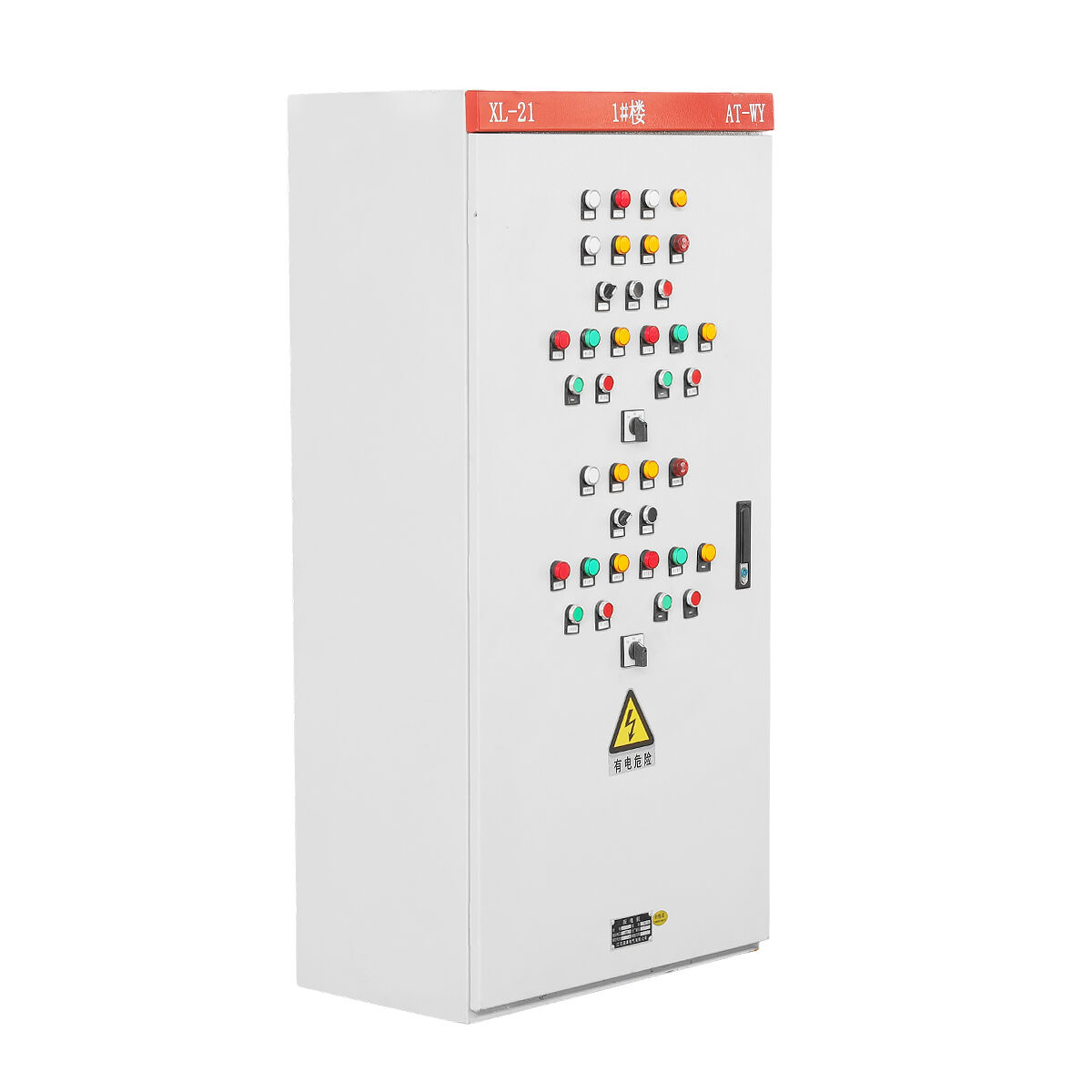
In modern electrical infrastructure, the distribution board enclosure serves as the protective shell that houses critical components responsible for power distribution throughout commercial, industrial, and residential facilities. While the internal circuitry and switching mechanisms often receive the most attention during system design, the enclosure itself plays an equally vital role in ensuring safety, operational reliability, and long-term performance. A well-designed distribution board enclosure protects electrical equipment from environmental hazards, prevents unauthorized access, facilitates proper thermal management, and ensures compliance with rigorous safety standards. Understanding why thoughtful enclosure design matters goes beyond surface-level aesthetics—it directly impacts equipment longevity, maintenance efficiency, workplace safety, and total cost of ownership over the system's operational lifespan.
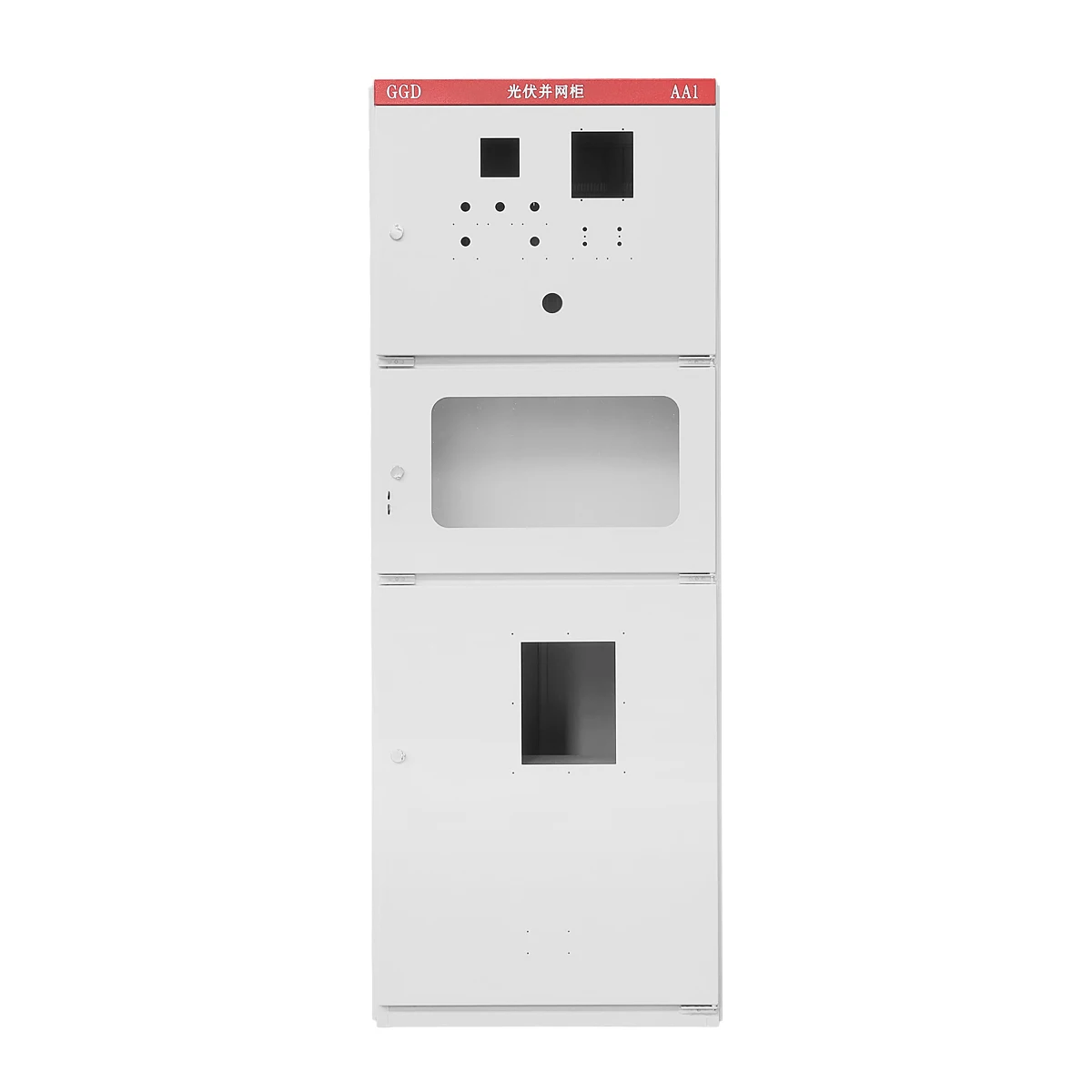
The importance of a properly engineered distribution board enclosure becomes evident when examining the complex operational environments these systems must withstand. Electrical distribution equipment frequently operates in locations exposed to moisture, dust, temperature fluctuations, corrosive chemicals, and physical impact risks. Without adequate protection provided by a robust enclosure design, sensitive electrical components face accelerated degradation, increased failure rates, and potentially catastrophic safety incidents. Furthermore, as electrical systems grow more sophisticated with the integration of smart monitoring technologies and higher power densities, the demands placed on distribution board enclosures have expanded significantly. Today's enclosure designs must balance multiple engineering priorities simultaneously—providing physical protection while ensuring adequate ventilation, offering security while maintaining accessibility for maintenance, and meeting stringent regulatory requirements while remaining cost-effective for various application contexts across diverse industrial sectors.
Protection Against Environmental Hazards and Contamination
Moisture and Water Ingress Prevention
One of the primary reasons a well-designed distribution board enclosure is essential relates to its ability to prevent moisture and water ingress that can cause catastrophic electrical failures. Water exposure creates conductive paths across insulating surfaces, leading to short circuits, arc faults, and equipment damage. A properly engineered distribution board enclosure incorporates gasket seals, drainage features, and appropriate ingress protection ratings to ensure electrical components remain dry even in humid or wet environments. Industrial facilities, outdoor installations, and coastal locations present particularly challenging moisture conditions that demand enclosure designs with high IP ratings and corrosion-resistant materials. The consequences of inadequate moisture protection extend beyond immediate equipment failure—water infiltration accelerates corrosion of metallic components, degrades insulation materials, and creates ongoing maintenance burdens that increase operational costs significantly over time.
Distribution board enclosure designs addressing moisture protection typically incorporate multiple defensive layers. External surfaces feature weather-resistant coatings and sloped tops that prevent water accumulation. Entry points for cables and conduits utilize specialized glands with compression seals that maintain integrity even under thermal cycling. Internal condensation management may include drainage provisions or ventilation strategies that allow moisture vapor to escape without permitting liquid water entry. For critical applications in particularly harsh environments, pressurized enclosure designs maintain slight positive internal pressure to prevent ingress of moisture-laden air. The selection of appropriate moisture protection features depends on specific environmental conditions, but the fundamental principle remains constant—a well-designed distribution board enclosure must provide reliable barriers against water in all its forms to ensure safe, continuous electrical system operation.
Dust and Particulate Contamination Control
Beyond moisture concerns, dust and particulate contamination represent significant threats to electrical distribution equipment that a properly designed distribution board enclosure must address. Fine dust particles can accumulate on electrical contacts and insulating surfaces, creating conductive paths that lead to tracking, flashover events, and eventual component failure. In manufacturing environments, mining operations, agricultural facilities, and construction sites, airborne particulates reach concentrations that quickly compromise unprotected electrical equipment. A well-engineered distribution board enclosure provides appropriate dust ingress protection through precision-manufactured sealing surfaces, filtered ventilation openings when required, and smooth internal surfaces that minimize dust accumulation points. The economic justification for robust dust protection becomes clear when considering maintenance costs—enclosures with inadequate dust sealing require frequent cleaning interventions, experience higher component replacement rates, and suffer more unplanned downtime events that disrupt production operations.
The engineering approach to dust protection in distribution board enclosure design varies based on particle characteristics and environmental concentrations. Standard industrial environments typically require IP5X protection levels that prevent harmful dust accumulation while allowing some limited ingress of non-interfering particles. More demanding applications such as cement plants, grain handling facilities, or metalworking operations may necessitate IP6X total dust exclusion ratings. Achieving these protection levels requires careful attention to manufacturing tolerances, gasket material selection, and door mechanism design to ensure sealing surfaces maintain contact throughout the enclosure's operational life. Ventilation presents particular challenges in dusty environments—a well-designed distribution board enclosure balances thermal management needs against contamination risks, potentially incorporating labyrinth-style ventilation paths or filtered openings that allow airflow while blocking particulate entry. Understanding the specific dust hazards present in the installation environment enables specification of appropriate enclosure protection features that maintain electrical system reliability.
Chemical and Corrosive Atmosphere Resistance
Chemical processing facilities, wastewater treatment plants, marine environments, and agricultural operations expose electrical equipment to corrosive atmospheres that rapidly degrade inadequately protected components. A thoughtfully designed distribution board enclosure addresses these challenges through material selection, surface treatments, and sealing strategies that prevent corrosive agents from reaching sensitive electrical components. Stainless steel enclosures with appropriate alloy compositions provide inherent corrosion resistance for highly aggressive environments. Alternatively, carbon steel or aluminum enclosures with specialized coating systems offer cost-effective protection for moderately corrosive conditions. The consequences of insufficient corrosion protection extend beyond cosmetic surface degradation—corrosion can compromise structural integrity, create conductive contamination paths, and lead to complete enclosure failure that exposes electrical components to the full severity of environmental conditions.
Selecting appropriate corrosion resistance features for a distribution board enclosure requires careful analysis of specific chemical exposures anticipated in the installation environment. Salt spray in coastal locations demands different protective strategies than acidic fumes in chemical processing areas or ammonia exposure in refrigeration facilities. Well-designed enclosures for corrosive environments typically combine multiple protective layers—base material selection resistant to anticipated corrosives, barrier coating systems that prevent chemical contact with substrate materials, and gasket materials that maintain sealing effectiveness despite chemical exposure. Internal surface treatments may differ from external finishes based on different exposure conditions. Regular inspection and maintenance protocols become particularly important for distribution board enclosures in corrosive environments, as even well-designed protective systems eventually require renewal to maintain effectiveness throughout the equipment's intended service life.
Safety Enhancement and Risk Mitigation
Prevention of Unauthorized Access and Accidental Contact
A fundamental safety function of any distribution board enclosure involves preventing unauthorized personnel from accessing energized electrical components while allowing qualified technicians necessary access for maintenance and troubleshooting. Well-designed enclosures incorporate locking mechanisms that restrict access to authorized personnel while providing clear visual indicators of electrical hazards. The physical barrier provided by a robust distribution board enclosure prevents accidental contact with live conductors that could result in electrocution, arc flash injuries, or other serious harm. In public spaces, commercial buildings, and educational facilities where untrained individuals may encounter electrical equipment, the protective function of the enclosure becomes particularly critical. Beyond preventing direct electrical contact, properly designed enclosures also prevent insertion of foreign objects that could create short circuits or damage equipment.
The design features that enhance safety in a distribution board enclosure extend beyond simple lockable doors. Interlocking mechanisms can prevent door opening while equipment remains energized, or automatically de-energize circuits when access is gained. Transparent viewing windows allow visual inspection of indicators and meters without requiring enclosure opening. Internal barriers and shrouding provide additional layers of protection even when the enclosure is opened for maintenance. Color-coded warning labels and clear identification of voltage levels help maintenance personnel understand hazards before beginning work. For applications requiring frequent access, well-designed distribution board enclosures balance security against operational convenience through features like quick-release fasteners that still require tools to operate, or multi-point locking systems that secure the enclosure while allowing rapid authorized access. These design considerations reflect the reality that safety depends not just on preventing unwanted access, but on facilitating safe authorized access when necessary.
Arc Flash Containment and Fire Safety
Internal electrical faults within distribution equipment can generate arc flash events that release tremendous thermal energy, produce blast pressures, and eject molten metal particles. A properly engineered distribution board enclosure provides critical containment functions that limit arc flash hazards to personnel working nearby. Enclosure materials, structural reinforcement, and door latching mechanisms must withstand internal pressure rise during fault events without opening or fragmenting. Specialized arc-resistant enclosure designs direct arc fault energy away from personnel locations through pressure relief channels and blast-resistant construction. Even standard distribution board enclosures provide significant protective value by containing arc flash effects and preventing exposure to nearby workers who would otherwise face direct hazard exposure.
Fire safety considerations further underscore the importance of well-designed distribution board enclosure construction. Electrical faults can generate sufficient heat to ignite combustible materials in the surrounding environment. Non-combustible enclosure materials prevent the enclosure itself from contributing fuel to potential fires. Internal component arrangement and wire routing within a properly designed distribution board enclosure minimize the possibility of fault propagation between circuits. Ventilation designs balance cooling requirements against fire containment, avoiding excessive openings that could allow external fire exposure to internal components. Some specialized applications require fire-rated enclosure assemblies that maintain integrity for specified periods during external fire exposure, protecting critical circuits that must remain operational during emergency conditions. Understanding the fire safety role of distribution board enclosures helps facility managers appreciate why enclosure selection and installation practices directly impact overall building fire protection strategies.
Grounding and Electromagnetic Compatibility
Proper electrical grounding represents a fundamental safety requirement that a well-designed distribution board enclosure facilitates through intentional grounding provisions. The enclosure itself typically serves as part of the equipment grounding system, providing a low-impedance fault current path that enables protective devices to operate quickly during ground fault conditions. Dedicated grounding lugs, bonding connections between enclosure sections, and appropriate surface treatments on grounding contact points ensure reliable electrical continuity throughout the enclosure structure. Without these carefully engineered grounding features, fault currents might not reach sufficient magnitude to trip protective devices, leaving equipment enclosures energized at dangerous voltages during fault conditions. The consequences of inadequate grounding extend beyond immediate safety hazards—improper grounding contributes to equipment damage, electromagnetic interference problems, and violation of electrical code requirements.
Electromagnetic compatibility considerations increasingly influence distribution board enclosure design as sensitive electronic equipment becomes more prevalent in industrial and commercial facilities. Electrical distribution equipment generates electromagnetic fields during normal operation and particularly during switching transients. A properly designed distribution board enclosure provides electromagnetic shielding that reduces radiated emissions to levels compatible with nearby electronic systems. Conductive enclosure materials, continuous sealing surfaces, and proper treatment of cable entry points all contribute to electromagnetic containment. Conversely, the enclosure also protects internal components from external electromagnetic interference that could cause nuisance tripping or equipment malfunction. For facilities with particularly stringent electromagnetic compatibility requirements such as medical centers, telecommunications facilities, or precision manufacturing operations, specialized distribution board enclosure designs incorporate enhanced shielding features including conductive gaskets, filtered cable entries, and tested electromagnetic performance characteristics that ensure electrical distribution systems operate without creating or succumbing to electromagnetic interference problems.
Operational Performance and System Reliability
Thermal Management and Component Lifespan
Temperature management within electrical equipment directly impacts component reliability and operational lifespan, making thermal considerations a critical aspect of distribution board enclosure design. Electrical components generate heat during normal operation, and this thermal energy must be effectively dissipated to prevent temperature rise that accelerates insulation degradation, reduces contact reliability, and shortens equipment life. A well-designed distribution board enclosure balances multiple thermal management strategies—adequate internal volume to allow convective heat distribution, ventilation provisions that permit hot air escape and cool air entry, heat sink mounting surfaces that conduct heat to enclosure walls, and sometimes active cooling systems for high-power-density applications. The relationship between enclosure design and thermal performance becomes particularly significant in applications with limited ambient airflow or elevated ambient temperatures.
The engineering principles underlying thermal management in distribution board enclosure design involve understanding heat transfer mechanisms and applying them effectively. Natural convection cooling relies on temperature-driven air circulation within the enclosure and between enclosure interior and external environment. Well-designed enclosures position ventilation openings to promote vertical airflow patterns that carry hot air upward and outward. Component arrangement within the enclosure places heat-generating devices where they benefit from optimal cooling airflow. In sealed enclosures where ventilation openings would compromise environmental protection ratings, thermal management relies on conductive heat transfer through enclosure walls and sometimes heat pipe technologies that move thermal energy from internal hot spots to external heat dissipation surfaces. For the most demanding applications, forced air cooling or even liquid cooling systems may be integrated into distribution board enclosure designs. Understanding the thermal performance characteristics of different enclosure designs enables specification of appropriate solutions that maintain internal temperatures within component-rated limits, thereby ensuring maximum reliability and equipment lifespan.
Space Optimization and Equipment Organization
The internal layout capabilities provided by a well-designed distribution board enclosure directly impact installation efficiency, maintenance accessibility, and future expansion possibilities. Adequate internal volume, logical component arrangement, and proper spacing between energized parts ensure both safe installation practices and convenient access for ongoing maintenance activities. Standardized mounting provisions such as DIN rail, panel mounting plates, and cable management channels facilitate organized equipment installation that reduces installation time and improves visual inspection capabilities. Distribution board enclosures designed with insufficient internal space force compromised installations with inadequate conductor bending radius, insufficient wire routing pathways, and cramped working conditions that increase both installation errors and maintenance difficulty. The economic consequences of poor space optimization become apparent throughout the equipment's operational life through increased installation labor costs, longer maintenance interventions, and reduced ability to accommodate system modifications or additions.
Modern distribution board enclosure designs increasingly incorporate modular organizational features that enhance flexibility across diverse applications. Adjustable mounting rails allow customized component positioning to suit specific equipment configurations. Removable sub-panels or hinged mounting plates permit equipment assembly and wiring outside the enclosure before final installation. Internal cable management systems including wireways, cable trays, and retention clips organize conductors for clean installations that simplify troubleshooting and modifications. Door-mounted components such as meters, indicators, and control interfaces remain accessible even in tight installation locations while keeping these user-interface elements protected within the overall enclosure structure. A well-thought-out distribution board enclosure design anticipates not just initial installation requirements but also future maintenance scenarios and potential system expansions, providing sufficient space and organizational features that accommodate these activities without requiring complete enclosure replacement or extensive modification of existing installations.
Maintenance Accessibility and Diagnostic Features
The frequency and effectiveness of maintenance activities significantly influence electrical system reliability, and distribution board enclosure design directly impacts maintenance accessibility. Well-designed enclosures provide clear visual access to critical components, sufficient working space for testing equipment and tools, and logical organization that allows maintenance personnel to quickly identify and address issues. Removable panels, hinged sections, or modular construction approaches allow selective access to specific equipment areas without exposing unrelated circuits. Internal lighting provisions or mounting locations for portable lighting improve visibility during maintenance work. Label mounting surfaces and document holders keep essential information immediately available to maintenance personnel. These design features recognize the reality that even the most reliable electrical equipment requires periodic inspection, testing, and occasional component replacement throughout its operational life.
Diagnostic accessibility represents an increasingly important consideration in modern distribution board enclosure design as monitoring technologies become standard features of electrical distribution systems. Enclosures must accommodate various sensing devices including current transformers, temperature sensors, voltage monitors, and communication modules while protecting these devices from environmental hazards and physical damage. Well-designed enclosures provide organized mounting locations for diagnostic equipment, routing channels for associated wiring, and external access to communication interfaces without compromising overall environmental protection. Some advanced distribution board enclosure designs incorporate transparent sections, infrared-transparent inspection windows, or permanently installed internal cameras that allow condition monitoring without requiring enclosure opening. By facilitating both hands-on maintenance activities and remote monitoring capabilities, well-designed distribution board enclosures support modern maintenance strategies that combine periodic physical inspection with continuous automated monitoring to maximize electrical system reliability while minimizing maintenance costs.
Compliance with Standards and Regulatory Requirements
International and National Electrical Codes
A properly designed distribution board enclosure must comply with numerous electrical codes and standards that establish minimum safety and performance requirements for electrical equipment installations. In the United States, the National Electrical Code specifies requirements for enclosure types, environmental suitability ratings, working clearances, and accessibility provisions. International standards including IEC specifications provide globally recognized requirements for enclosure design, testing, and rating systems. These codes and standards reflect decades of experience with electrical system safety and incorporate lessons learned from countless installations and failure investigations. Distribution board enclosures that meet these requirements provide assurance that fundamental safety principles have been addressed in the design, even if specific installation conditions present unique challenges. Compliance with recognized standards also facilitates inspection approvals, insurance coverage, and legal liability management for facility owners and operators.
The practical implications of code compliance extend beyond simply meeting minimum legal requirements—standards-compliant distribution board enclosure designs incorporate proven engineering approaches that enhance overall system performance. NEMA enclosure type ratings provide clear guidance on appropriate enclosure selection for various environmental conditions, from indoor dry locations to outdoor corrosive environments. IEC ingress protection ratings quantify dust and moisture protection levels through standardized testing protocols. Short-circuit rating requirements ensure enclosures can withstand fault conditions without catastrophic failure. Arc flash safety standards increasingly influence distribution board enclosure design, promoting features that reduce arc flash incident energy or protect personnel from arc flash hazards. Well-designed enclosures carry appropriate certification markings from recognized testing laboratories, providing documented evidence of standards compliance that satisfies regulatory authorities, insurance providers, and corporate safety policies. Understanding the standards landscape applicable to distribution board enclosures helps stakeholders select appropriate products and design installations that meet all relevant safety and performance requirements.
Industry-Specific Requirements and Certifications
Beyond general electrical codes, many industries impose additional requirements on distribution board enclosure design and construction based on unique hazards or operational environments. Hazardous location classifications require specialized enclosures designed to prevent ignition of flammable atmospheres through explosion-proof construction, purged and pressurized designs, or intrinsically safe approaches. Food processing and pharmaceutical facilities demand enclosures with smooth, cleanable surfaces and corrosion-resistant materials compatible with frequent washdown procedures. Marine applications require enclosures meeting classification society requirements for vibration resistance, corrosion protection, and watertight integrity. Data centers and telecommunications facilities specify enclosures compatible with structured cabling systems and rack mounting standards. Each industry's specific requirements reflect operational realities and lessons learned from decades of experience in those environments.
The certification requirements associated with industry-specific standards significantly influence distribution board enclosure selection and procurement processes. Hazardous location enclosures must carry appropriate certification markings confirming compliance with applicable standards and suitability for specific hazardous area classifications. Marine equipment requires classification society approval documentation. Medical facilities may require enclosures meeting healthcare electrical safety standards. Export applications often necessitate enclosures certified to destination country requirements rather than purely domestic standards. A well-designed distribution board enclosure intended for broad market application typically pursues multiple certifications to address diverse customer requirements, though the testing and certification costs associated with this approach significantly impact product pricing. Understanding industry-specific requirements early in project planning ensures selection of appropriate enclosure solutions that satisfy all applicable regulatory and operational requirements without costly field modifications or equipment replacement when non-compliant installations are identified during commissioning or inspection processes.
Environmental and Sustainability Considerations
Modern distribution board enclosure design increasingly incorporates environmental sustainability considerations that extend beyond traditional safety and performance requirements. Material selection decisions balance performance requirements against environmental impact, favoring recyclable materials, reduced hazardous substance content, and manufacturing processes with lower carbon footprints. End-of-life considerations influence design choices, with modular construction approaches facilitating component reuse and material separation during recycling. Energy efficiency considerations affect enclosure thermal design, as reduced cooling requirements translate to lower facility energy consumption. Some forward-thinking manufacturers publish environmental product declarations quantifying the lifecycle environmental impact of distribution board enclosures, providing facility planners with data needed for building environmental certification programs such as LEED or BREEAM.
Regulatory requirements around environmental impact continue to evolve, particularly regarding hazardous substance restrictions and product recyclability mandates. European directives including RoHS and WEEE establish specific requirements that affect distribution board enclosure materials and design approaches for equipment sold in European markets. Similar regulations exist or are emerging in other global markets. Well-designed enclosures anticipate these regulatory trends, incorporating compliant materials and design features that ensure ongoing market access as requirements evolve. Beyond regulatory compliance, corporate sustainability initiatives increasingly influence distribution board enclosure selection decisions as companies seek to reduce overall environmental impact of their facilities and operations. Enclosure manufacturers responding to these market demands develop products with documented environmental attributes including recycled content, reduced packaging, and design for disassembly features that facilitate end-of-life material recovery. Understanding the environmental dimension of distribution board enclosure design enables specification of solutions that meet immediate technical requirements while supporting broader organizational sustainability objectives.
Economic Value and Total Cost of Ownership
Initial Cost Versus Lifecycle Value Analysis
The economic justification for investing in a well-designed distribution board enclosure requires examining total cost of ownership rather than focusing exclusively on initial purchase price. While basic enclosures with minimal features typically cost less upfront, they often generate higher lifecycle costs through increased maintenance requirements, shorter equipment lifespan, more frequent component replacements, and greater downtime risks. A properly engineered distribution board enclosure with appropriate environmental protection, adequate space for proper installation, and quality construction materials may command a higher initial price but delivers economic value through reduced maintenance costs, longer service life, better protection of expensive internal electrical components, and improved system reliability that minimizes costly production interruptions. The economic analysis becomes particularly favorable in demanding applications where environmental conditions, accessibility limitations, or criticality of electrical service make maintenance interventions expensive and system failures particularly costly.
Quantifying lifecycle costs associated with distribution board enclosure selection requires considering multiple factors beyond initial equipment purchase price. Installation labor costs vary significantly based on enclosure design features such as mounting provisions, weight, and pre-assembled components. Maintenance labor costs depend on accessibility features, organizational quality, and diagnostic provisions. Energy costs may differ based on thermal management effectiveness and resulting cooling requirements. Downtime costs related to electrical system failures or extended maintenance outages often dwarf equipment costs in production environments. Component replacement costs over the enclosure's operational life reflect the protective quality provided by the enclosure design. A comprehensive economic analysis incorporates all these factors to determine true lifecycle costs, often revealing that seemingly expensive well-designed enclosures actually represent the most economical choice when evaluated over typical 20-30 year operational lifespans. This economic reality explains why experienced facility managers and engineers often specify higher-quality distribution board enclosures despite pressure to minimize initial project costs.
Risk Mitigation and Business Continuity
The risk management value provided by a well-designed distribution board enclosure extends beyond direct maintenance cost savings to encompass broader business continuity considerations. Electrical system failures can trigger production stoppages, data center outages, building evacuations, or complete facility shutdowns with economic consequences far exceeding the cost of electrical equipment itself. A robust distribution board enclosure reduces failure probability through superior environmental protection, thereby reducing business interruption risk. In critical applications such as hospitals, emergency services facilities, or continuous process manufacturing, the value of improved reliability provided by a well-designed enclosure may justify substantial initial investment based purely on risk mitigation considerations. Insurance providers increasingly recognize the risk reduction value of quality electrical installations, sometimes offering premium reductions for facilities demonstrating commitment to electrical safety and reliability through appropriate equipment specifications.
Quantifying risk mitigation value requires understanding both failure probability and consequence magnitude for specific applications. A distribution board enclosure serving non-critical lighting circuits in a warehouse generates limited consequences if it fails, while an identical enclosure protecting power distribution to critical manufacturing equipment or life safety systems creates much higher risk exposure. Well-designed enclosures reduce failure probability through superior protection and construction quality, shifting risk profiles in favorable directions. The economic value of this risk reduction can be estimated through formal risk assessment methodologies that assign monetary values to potential failure scenarios and calculate expected value changes resulting from improved equipment specifications. Even without formal quantification, experienced facility managers understand that well-designed distribution board enclosures represent insurance against costly electrical failures—an investment in reliability that protects against much larger potential losses. This risk management perspective helps justify appropriate enclosure specifications even when initial costs exceed bare minimum alternatives.
Future-Proofing and Adaptability
The long operational lifespan typical of electrical distribution infrastructure makes future-proofing considerations particularly relevant to distribution board enclosure selection. Well-designed enclosures accommodate future system expansions, technology upgrades, and changing operational requirements without requiring complete replacement. Adequate internal space allows addition of circuits, protective devices, or monitoring equipment as facility needs evolve. Modular construction approaches permit selective component replacement or upgrade without disturbing unrelated portions of the electrical system. Standard mounting provisions and generous cable entry capacity facilitate integration of new technologies including smart monitoring systems, communication networks, and advanced protection devices. Distribution board enclosures specified with appropriate future-proofing features deliver extended useful life and better protect initial investment against premature obsolescence.
The economic value of adaptability becomes particularly significant in facilities experiencing frequent layout changes, production equipment upgrades, or technology adoption. Manufacturing facilities regularly reconfigure production lines requiring electrical system modifications. Commercial buildings undergo tenant improvement projects necessitating power distribution changes. Data centers continuously upgrade equipment driving evolving power requirements. In these dynamic environments, distribution board enclosures designed with generous capacity and flexible organization features support ongoing modifications at reasonable cost, while minimal enclosures quickly become bottlenecks forcing expensive replacement or awkward workarounds. The incremental cost of specifying appropriately sized, well-organized distribution board enclosures proves minimal compared to the accumulated value of simplified future modifications over decades of operational life. Forward-thinking facility planners recognize this economic reality and specify enclosure solutions providing built-in adaptability that protects against uncertain future requirements while supporting current operational needs.
FAQ
What protection rating should I specify for a distribution board enclosure in an outdoor industrial environment?
For outdoor industrial installations, the distribution board enclosure should typically provide at least NEMA 3R or IP54 protection rating to guard against rain, snow, and windblown dust. More demanding environments with direct water spray exposure, corrosive atmospheres, or extreme dust concentrations may require NEMA 4 or 4X enclosures with IP65 or IP66 ratings. The specific rating depends on exposure conditions including whether the enclosure faces direct weather, proximity to water sources or chemical processes, and anticipated maintenance practices. Coastal installations or chemical processing areas benefit from corrosion-resistant stainless steel or fiberglass enclosures with NEMA 4X ratings. Consulting local electrical codes and evaluating site-specific environmental conditions ensures selection of appropriate protection levels that balance performance requirements against cost considerations.
How does distribution board enclosure size affect electrical system performance and maintenance?
Distribution board enclosure size directly impacts multiple performance and operational factors. Adequate internal volume ensures proper heat dissipation through convective cooling, preventing temperature rise that accelerates component aging and reduces reliability. Sufficient space allows proper wire bending radius, organized cable routing, and appropriate spacing between energized components for safety and code compliance. Generous sizing facilitates easier installation with reduced labor time and fewer errors. Maintenance activities benefit from improved accessibility to components, better visibility during troubleshooting, and adequate working space for testing equipment. Oversizing within reasonable limits provides future expansion capacity without requiring enclosure replacement. While larger enclosures cost more initially, the operational benefits typically justify the incremental investment through improved reliability, reduced maintenance costs, and greater system adaptability over the installation's operational lifespan.
Can a distribution board enclosure affect the lifespan of electrical components installed inside it?
Yes, the distribution board enclosure significantly influences internal component lifespan through its environmental protection and thermal management capabilities. Inadequate moisture protection allows humidity and condensation to accelerate corrosion and insulation degradation. Insufficient dust sealing permits contamination that creates tracking paths and contact problems. Poor thermal design leads to elevated operating temperatures that exponentially reduce component life according to established temperature-aging relationships. A well-designed enclosure maintaining clean, dry, temperature-controlled internal environment can extend component lifespan by factors of two to five compared to inadequately protected installations. This lifespan extension directly reduces maintenance costs and equipment replacement frequency while improving overall system reliability. The protective value provided by a quality enclosure often exceeds the enclosure cost itself through preservation of expensive internal electrical components over decades of operation.
What are the key differences between metal and non-metallic distribution board enclosures?
Metal distribution board enclosures, typically constructed from steel or stainless steel, provide excellent strength, electromagnetic shielding, and grounding capabilities. They withstand physical impact well and offer natural fire resistance, though they require corrosion protection in harsh environments. Non-metallic enclosures made from fiberglass, polycarbonate, or other engineered plastics offer superior corrosion resistance, lighter weight, and natural electrical insulation. They perform exceptionally well in corrosive atmospheres and eliminate concerns about enclosure grounding continuity. However, non-metallic materials typically provide less electromagnetic shielding and may have temperature limitations. Material selection depends on specific application requirements including environmental conditions, electromagnetic compatibility needs, required structural strength, and regulatory requirements. Both material types can be engineered to provide appropriate protection and performance when properly specified for the intended application context.
Table of Contents
- Protection Against Environmental Hazards and Contamination
- Safety Enhancement and Risk Mitigation
- Operational Performance and System Reliability
- Compliance with Standards and Regulatory Requirements
- Economic Value and Total Cost of Ownership
-
FAQ
- What protection rating should I specify for a distribution board enclosure in an outdoor industrial environment?
- How does distribution board enclosure size affect electrical system performance and maintenance?
- Can a distribution board enclosure affect the lifespan of electrical components installed inside it?
- What are the key differences between metal and non-metallic distribution board enclosures?