
 EN
EN
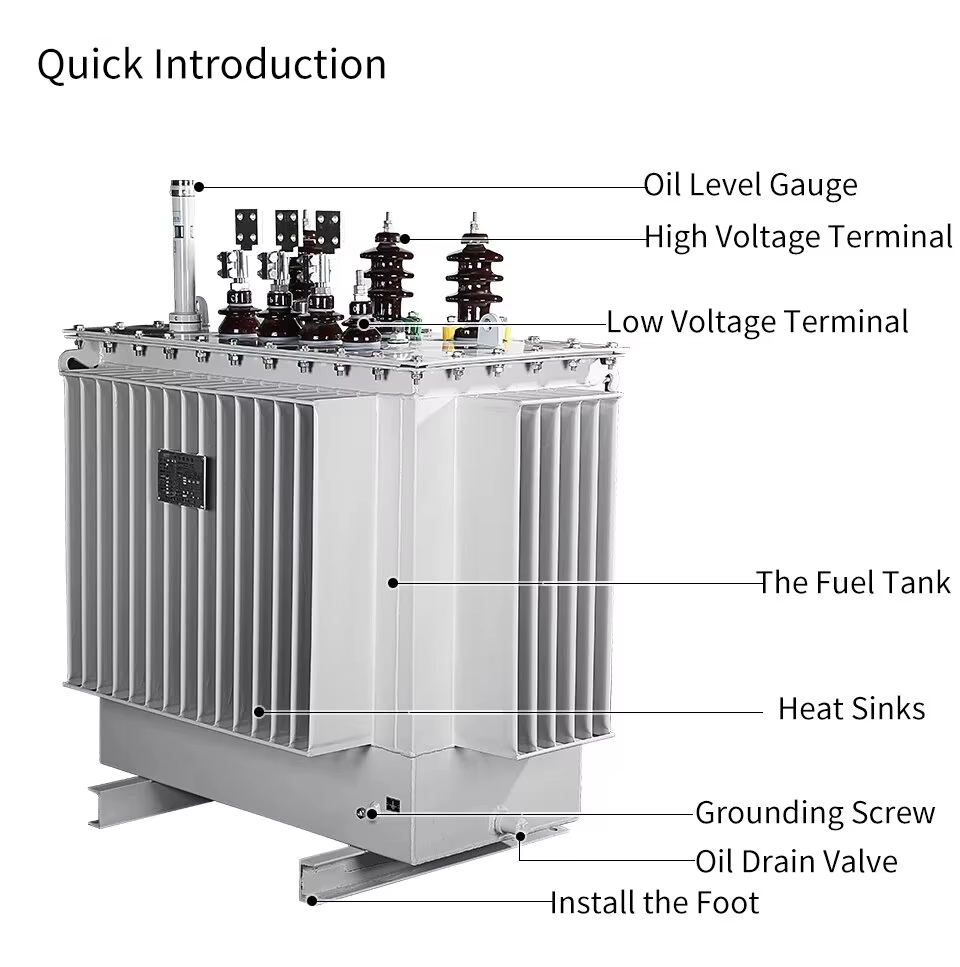
The electrical power industry is experiencing unprecedented transformation as global energy demands evolve and environmental regulations become increasingly stringent. At the heart of this transformation lies the power transformer, a critical component that has served as the backbone of electrical transmission and distribution systems for over a century. Modern innovations in power transformer design are revolutionizing how electricity is transmitted, distributed, and managed across power grids worldwide, driving efficiency improvements that were unimaginable just a decade ago.
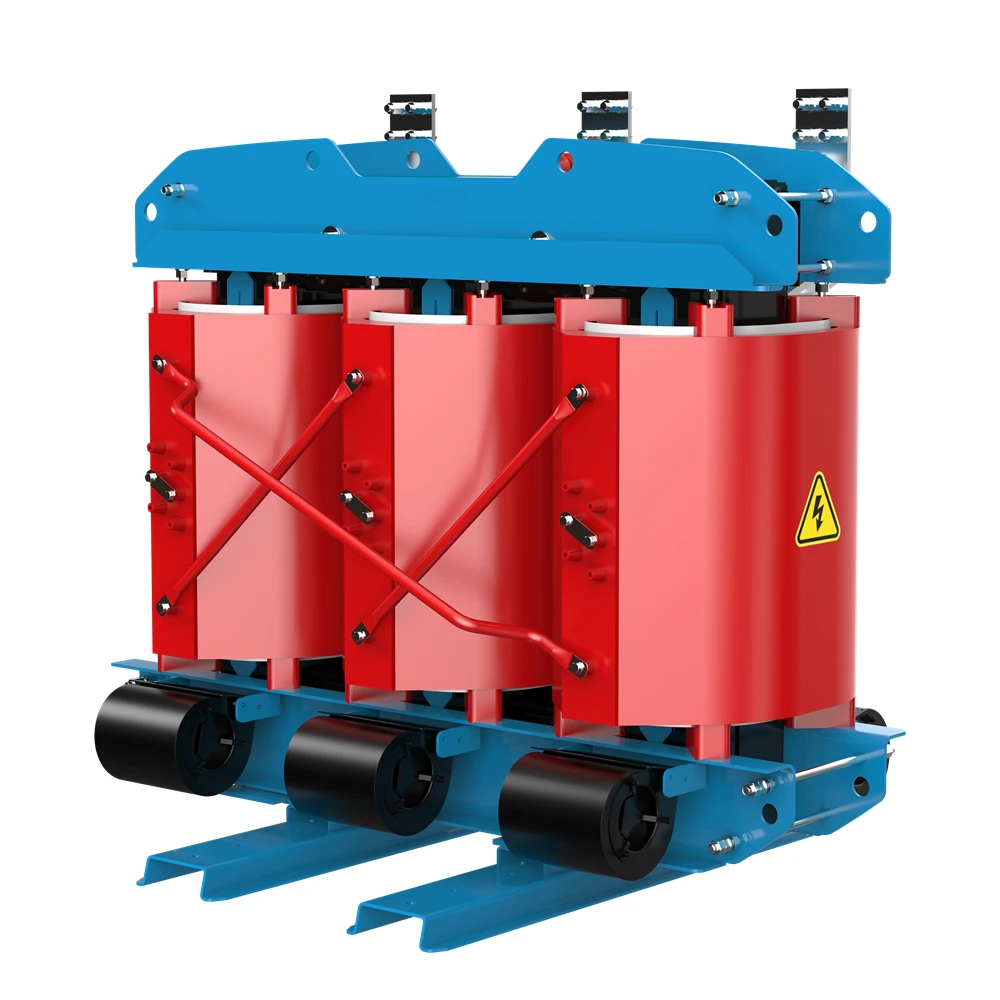
Contemporary power transformer technology is advancing rapidly through breakthrough materials science, digital monitoring capabilities, and enhanced cooling methodologies. These innovations address longstanding challenges including energy losses, maintenance requirements, environmental impact, and operational reliability. The integration of smart grid technologies with traditional transformer infrastructure is creating opportunities for unprecedented grid optimization and predictive maintenance strategies.
Industry leaders are investing heavily in research and development to create transformers that not only meet current electrical demands but also anticipate future grid requirements. These efforts focus on improving efficiency ratings, reducing physical footprints, enhancing environmental sustainability, and incorporating advanced monitoring systems that provide real-time operational insights.
Advanced Materials Revolutionizing Core Design
High-Performance Silicon Steel Innovations
Modern power transformer cores utilize advanced silicon steel alloys that significantly reduce core losses compared to conventional materials. These grain-oriented electrical steels feature optimized crystal structures that minimize hysteresis and eddy current losses, resulting in efficiency improvements of up to three percent. Manufacturers are developing ultra-thin steel laminations with specialized coatings that further enhance magnetic properties while reducing operational noise levels.
The introduction of domain-refined grain-oriented steel represents a quantum leap in core material technology. This advanced material exhibits superior magnetic characteristics through carefully controlled manufacturing processes that align crystal grains in optimal directions. The resulting cores demonstrate reduced magnetostriction, lower core losses, and improved thermal stability under varying load conditions.
Amorphous Metal Core Technology
Amorphous metal cores are emerging as game-changing alternatives to traditional silicon steel cores in distribution transformers. These materials feature non-crystalline atomic structures that virtually eliminate hysteresis losses, achieving core loss reductions of seventy to eighty percent compared to conventional designs. While manufacturing costs remain higher, the dramatic efficiency improvements justify adoption in high-efficiency applications.
Research initiatives are focusing on developing cost-effective manufacturing processes for amorphous metal cores while maintaining their superior magnetic properties. Advanced annealing techniques and specialized handling procedures are being refined to ensure consistent performance characteristics across production runs, making this technology increasingly viable for widespread deployment.
Revolutionary Insulation Systems and Cooling Technologies
Environmentally Friendly Insulation Materials
Traditional mineral oil insulation is being supplemented and replaced by environmentally sustainable alternatives that offer superior performance characteristics. Natural ester fluids derived from vegetable oils provide excellent dielectric properties while offering biodegradability and fire resistance advantages. These bio-based insulants demonstrate superior thermal aging characteristics and water tolerance compared to conventional mineral oils.
Synthetic ester fluids represent another breakthrough in insulation technology, offering exceptional thermal stability and extended operational life. These engineered fluids maintain consistent dielectric properties across wide temperature ranges while providing enhanced fire safety characteristics. The superior moisture tolerance of synthetic esters reduces maintenance requirements and extends transformer service life significantly.
Advanced Cooling System Designs
Innovative cooling technologies are enabling higher power densities while maintaining optimal operating temperatures. Directed flow cooling systems utilize computational fluid dynamics modeling to optimize coolant circulation patterns, ensuring uniform temperature distribution throughout the power transformer windings and core. These systems incorporate variable-speed pumps and fans that automatically adjust cooling capacity based on real-time thermal monitoring data.
Hybrid cooling systems combine multiple cooling methodologies to achieve optimal thermal management under varying operational conditions. These systems seamlessly transition between natural convection, forced air, and liquid cooling modes based on load requirements and ambient conditions, maximizing efficiency while minimizing energy consumption for cooling operations.
Digital Integration and Smart Monitoring Capabilities
Internet of Things Integration
Modern power transformers are becoming intelligent assets through comprehensive IoT sensor integration that monitors critical operational parameters in real-time. Advanced sensor networks track temperature profiles, moisture content, dissolved gas concentrations, vibration patterns, and acoustic emissions to provide comprehensive health assessments. This data enables predictive maintenance strategies that prevent failures before they occur.
Wireless sensor technologies eliminate the need for extensive wiring while providing continuous monitoring capabilities. These battery-powered sensors utilize energy harvesting techniques to maintain long-term operation without external power sources, making them ideal for retrofit applications on existing transformer installations.
Artificial Intelligence and Machine Learning Applications
AI-powered analytics platforms process vast amounts of operational data to identify patterns and predict potential issues before they manifest as equipment failures. Machine learning algorithms continuously refine their predictive capabilities by analyzing historical performance data, environmental conditions, and maintenance records to optimize operational strategies.
Advanced diagnostic systems utilize artificial intelligence to interpret complex data patterns from multiple sensor inputs, providing maintenance teams with actionable insights and recommended interventions. These systems can detect incipient faults, optimize loading strategies, and recommend optimal maintenance schedules based on actual equipment condition rather than predetermined time intervals.
Sustainability and Environmental Considerations
Carbon Footprint Reduction Initiatives
Manufacturers are implementing comprehensive lifecycle assessment methodologies to minimize the environmental impact of power transformer production and operation. These initiatives focus on reducing material consumption, optimizing manufacturing processes, and designing products for end-of-life recyclability. Advanced manufacturing techniques utilize renewable energy sources and minimize waste generation throughout production cycles.
The development of ultra-high-efficiency transformers directly contributes to carbon footprint reduction by minimizing energy losses during operation. These efficiency improvements, when deployed across entire power grids, result in substantial reductions in greenhouse gas emissions from power generation facilities.
Circular Economy Implementation
Industry leaders are embracing circular economy principles by designing transformers for component reusability and material recovery at end-of-life. Modular designs facilitate component replacement and refurbishment, extending equipment service life while reducing waste generation. Advanced material separation techniques enable recovery of valuable materials including copper, steel, and rare earth elements.
Refurbishment programs are being developed to restore aging transformers to modern performance standards through component upgrades and insulation system renewal. These programs provide cost-effective alternatives to complete equipment replacement while incorporating latest technological improvements.
Modular Design and Manufacturing Innovations
Standardized Component Systems
Modular design approaches are revolutionizing power transformer manufacturing by utilizing standardized components that can be configured for diverse applications. These systems enable rapid customization while maintaining quality consistency and reducing manufacturing lead times. Standardized interfaces facilitate field assembly and maintenance operations, reducing installation costs and downtime requirements.
Advanced manufacturing techniques including additive manufacturing and precision machining enable production of complex geometries that optimize electromagnetic performance while reducing material consumption. These technologies facilitate customization of components for specific applications without compromising manufacturing efficiency.
Automated Manufacturing Processes
Robotic manufacturing systems ensure consistent quality while reducing production costs and delivery times. Automated winding systems precisely control conductor placement and tension, resulting in optimal electromagnetic performance and mechanical stability. Vision systems and quality control sensors monitor production processes in real-time, identifying and correcting deviations before they impact product quality.
Digital manufacturing platforms integrate design, simulation, and production processes to optimize transformer performance for specific applications. These systems utilize advanced modeling techniques to predict performance characteristics and identify optimization opportunities during the design phase, reducing development time and improving product reliability.
Frequently Asked Questions
How do modern power transformer innovations improve grid reliability?
Modern power transformer innovations enhance grid reliability through advanced monitoring systems that provide real-time operational insights, predictive maintenance capabilities that prevent unexpected failures, and improved materials that extend equipment service life. Smart monitoring technologies detect potential issues before they cause outages, while enhanced cooling systems maintain optimal operating conditions under varying load scenarios. These improvements collectively reduce the likelihood of equipment failures and minimize service interruptions.
What environmental benefits do new power transformer technologies provide?
New power transformer technologies deliver significant environmental benefits through improved energy efficiency that reduces power generation requirements, biodegradable insulation fluids that minimize environmental impact in case of leaks, and recyclable materials that support circular economy principles. Advanced core materials and optimized designs reduce energy losses by several percentage points, which translates to substantial reductions in greenhouse gas emissions when deployed across power grids. Additionally, longer equipment service life reduces the frequency of equipment replacement and associated manufacturing impacts.
How do smart monitoring systems change transformer maintenance practices?
Smart monitoring systems fundamentally transform transformer maintenance from time-based schedules to condition-based strategies that optimize maintenance timing based on actual equipment health. Continuous monitoring of critical parameters enables maintenance teams to identify developing issues early and plan interventions during scheduled outages, reducing emergency repairs and associated costs. Predictive analytics help optimize maintenance resources by prioritizing equipment based on actual condition rather than age or operating hours, improving overall system reliability while reducing maintenance expenses.
What role does artificial intelligence play in future transformer design?
Artificial intelligence plays an increasingly critical role in transformer design by optimizing electromagnetic performance through advanced simulation techniques, analyzing vast datasets to identify design improvements, and predicting operational behavior under various conditions. AI-powered design tools can explore thousands of configuration options to identify optimal solutions that balance performance, cost, and reliability requirements. Machine learning algorithms continuously improve design methodologies by analyzing field performance data and identifying opportunities for enhancement in future designs.