
 EN
EN
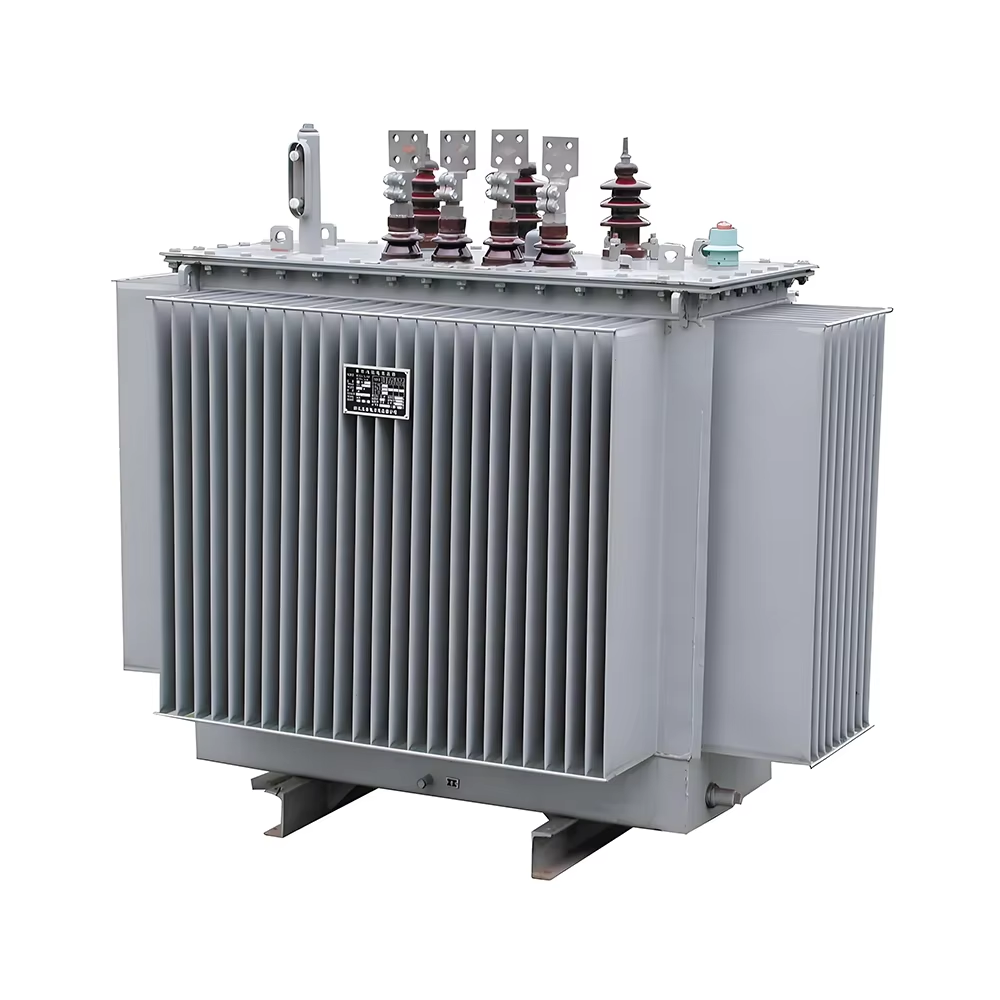
Electrical systems form the backbone of modern infrastructure, powering everything from residential homes to massive industrial complexes. At the heart of these systems lies a critical component that ensures safe and efficient power distribution: the power transformer. These sophisticated devices play an indispensable role in maintaining electrical system safety by regulating voltage levels, providing isolation, and protecting equipment from potentially dangerous electrical faults. Understanding how power transformers contribute to overall system safety is essential for engineers, facility managers, and anyone involved in electrical infrastructure planning.
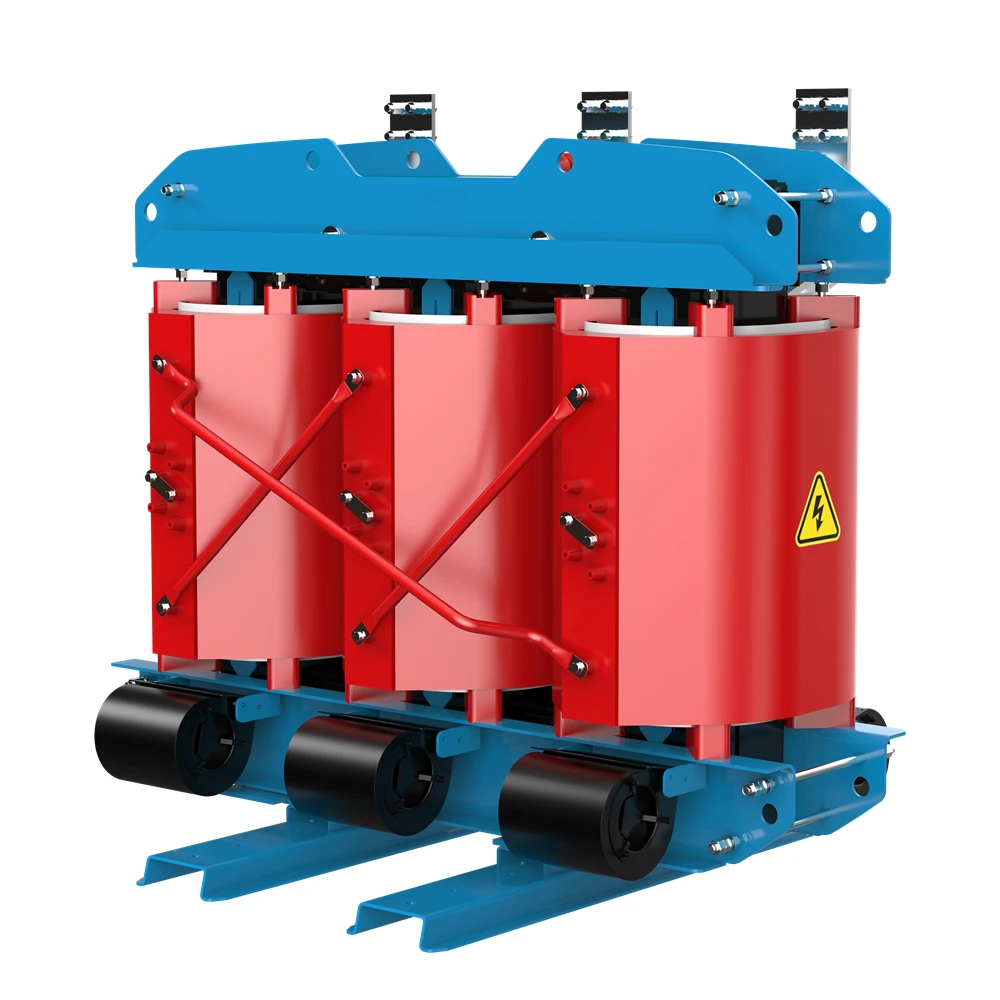
Voltage Regulation and System Stability
Primary Voltage Control Mechanisms
Power transformers serve as the primary voltage control mechanism within electrical distribution networks, ensuring that electrical equipment receives the appropriate voltage levels for safe operation. These devices step up or step down voltages according to system requirements, preventing dangerous overvoltage conditions that could damage sensitive equipment or create safety hazards. Modern transformers incorporate advanced tap-changing mechanisms that allow for fine voltage adjustments, maintaining optimal operating conditions even as load demands fluctuate throughout the day.
The voltage regulation capabilities of transformers directly impact system safety by preventing equipment from operating outside their designed voltage ranges. When electrical devices receive voltages beyond their specifications, they can overheat, fail catastrophically, or create fire hazards. Transformers act as protective barriers, ensuring that downstream equipment receives stable, regulated power that falls within safe operating parameters.
Load Distribution and Balance
Effective load distribution represents another crucial safety function performed by power transformers within electrical networks. By managing how electrical loads are distributed across different phases and circuits, transformers help prevent dangerous overload conditions that could lead to equipment failure or fire hazards. This load balancing capability becomes particularly important in industrial settings where large motors and heavy machinery create significant electrical demands.
Transformers also provide essential isolation between different voltage levels, creating separate electrical zones that enhance overall system safety. This isolation prevents high-voltage faults from propagating to low-voltage circuits where personnel might be working, significantly reducing the risk of electrical accidents and equipment damage.
Fault Protection and Isolation
Ground Fault Protection
One of the most critical safety functions provided by power transformers involves ground fault protection, which helps prevent electrical accidents and equipment damage. Transformers equipped with proper grounding configurations create safe pathways for fault currents, ensuring that dangerous electrical energy is directed away from personnel and sensitive equipment. This grounding system works in conjunction with protective relays and circuit breakers to quickly isolate faulted sections of the electrical system.
The grounding configuration of a power transformer also determines how the system responds to single-phase-to-ground faults, which represent the most common type of electrical fault. Properly configured transformer grounding limits fault currents to manageable levels while maintaining system stability, allowing protective devices to operate effectively and minimize the duration and impact of electrical faults.
Arc Flash Mitigation
Arc flash incidents represent one of the most serious safety hazards in electrical systems, capable of causing severe injuries or fatalities to personnel. Power transformers contribute to arc flash mitigation through several mechanisms, including proper impedance characteristics that limit fault current magnitudes and coordinated protection schemes that reduce fault clearing times. Modern transformer designs incorporate features specifically intended to minimize arc flash hazards.
The impedance characteristics of transformers play a crucial role in determining the magnitude of fault currents during short-circuit conditions. Higher impedance transformers naturally limit fault current levels, reducing the energy available to sustain dangerous arc flash events. This current limitation, combined with fast-acting protective devices, helps minimize both the probability and severity of arc flash incidents.
Environmental and Operational Safety Features
Temperature Management Systems
Temperature management represents a fundamental aspect of transformer safety, as excessive heat can lead to insulation breakdown, equipment failure, and fire hazards. Modern power transformers incorporate sophisticated cooling systems and temperature monitoring devices that continuously track operating temperatures and provide early warning of potentially dangerous conditions. These systems help prevent thermal runaway conditions that could result in catastrophic transformer failures.
Advanced temperature monitoring systems in transformers utilize multiple sensors strategically placed throughout the device to provide comprehensive thermal oversight. These monitoring systems can trigger automatic load shedding or system shutdown procedures when temperatures exceed safe operating limits, preventing damage to the transformer and protecting surrounding equipment and personnel from potential hazards.
Insulation Integrity and Dielectric Strength
The insulation system within power transformers serves as the primary barrier against electrical breakdown and ensures safe operation under normal and abnormal conditions. High-quality insulation materials and proper insulation design prevent dangerous electrical flashovers that could endanger personnel and damage equipment. Regular insulation testing and monitoring help maintain the integrity of this critical safety barrier throughout the transformer's operational life.
Dielectric strength testing provides valuable insights into the condition of transformer insulation and helps identify potential safety issues before they become critical. This testing typically involves applying controlled high voltages to verify that the insulation can withstand operational stresses plus appropriate safety margins. Regular dielectric testing helps ensure that transformers continue to provide safe electrical isolation throughout their service life.
Protection Coordination and System Integration
Relay Protection Schemes
Modern power transformers integrate seamlessly with sophisticated relay protection schemes that provide comprehensive monitoring and automatic fault clearing capabilities. These protection systems continuously monitor electrical parameters such as current, voltage, frequency, and temperature, instantly responding to abnormal conditions that could pose safety risks. Differential protection relays specifically monitor the current entering and leaving the transformer, quickly detecting internal faults and initiating protective actions.
Protection coordination ensures that electrical faults are cleared by the protective device closest to the fault location, minimizing the impact on the overall electrical system. Transformers play a crucial role in this coordination by providing appropriate impedance characteristics and fault current contributions that enable selective protection operation. This selective clearing helps maintain power to unaffected portions of the system while isolating only the faulted sections.
Communication and Monitoring Integration
Advanced power transformers now incorporate intelligent monitoring and communication capabilities that enhance overall system safety through real-time data collection and analysis. These systems continuously monitor critical parameters and can communicate with central control systems to provide operators with immediate awareness of developing safety issues. Remote monitoring capabilities allow for proactive maintenance scheduling and early intervention before safety-critical problems develop.
Smart transformer monitoring systems can detect subtle changes in operating characteristics that might indicate developing problems, such as partial discharge activity, changing load patterns, or gradual insulation degradation. This predictive capability allows maintenance teams to address potential safety issues during planned outages rather than waiting for emergency failures that could pose greater safety risks to personnel and equipment.
Maintenance and Safety Compliance
Preventive Maintenance Programs
Systematic preventive maintenance programs ensure that power transformers continue to operate safely throughout their service life by identifying and addressing potential problems before they become safety hazards. These programs typically include regular inspections, testing procedures, and component replacements based on manufacturer recommendations and industry best practices. Proper maintenance helps maintain the safety margins built into transformer designs and prevents unexpected failures.
Oil analysis represents one of the most important diagnostic tools in transformer maintenance programs, providing insights into the condition of internal components and insulation systems. Regular oil testing can detect developing problems such as overheating, arcing, or moisture ingress that could compromise transformer safety. This proactive approach allows maintenance teams to schedule repairs during convenient outage windows rather than responding to emergency failures.
Regulatory Compliance and Safety Standards
Power transformers must comply with numerous safety standards and regulations designed to protect personnel and equipment from electrical hazards. These standards address various aspects of transformer design, installation, and operation, including clearance requirements, grounding specifications, and protection coordination. Compliance with these standards helps ensure that transformers provide the intended level of safety protection throughout their operational life.
Regular safety audits and compliance verification help identify potential gaps in transformer safety systems and ensure ongoing adherence to applicable standards. These audits typically review installation practices, maintenance procedures, and operational protocols to verify that all safety requirements are being met. Documentation of compliance activities provides valuable records for regulatory inspections and insurance purposes.
FAQ
How do power transformers prevent electrical fires?
Power transformers prevent electrical fires through multiple safety mechanisms including proper voltage regulation, fault current limitation, and thermal protection systems. They incorporate fire-resistant materials, temperature monitoring devices, and automatic shutdown capabilities that activate when operating conditions exceed safe limits. Additionally, proper grounding and protection coordination help quickly clear electrical faults before they can generate sufficient heat to cause fires.
What role do transformers play in arc flash safety?
Transformers contribute to arc flash safety by limiting fault current magnitudes through their impedance characteristics and enabling fast fault clearing through coordinated protection schemes. Modern transformers are designed with specific impedance values that help reduce available fault current, thereby limiting the energy available for arc flash events. They also work with protective relays to minimize fault duration, which is a critical factor in arc flash severity.
How do smart transformers enhance electrical system safety?
Smart transformers enhance electrical system safety through continuous monitoring capabilities, predictive analytics, and real-time communication with control systems. They can detect developing problems before they become safety hazards, automatically adjust operations to maintain safe conditions, and provide operators with immediate notification of abnormal situations. This proactive approach allows for preventive interventions that avoid emergency situations and maintain higher overall safety levels.
What maintenance practices are essential for transformer safety?
Essential maintenance practices for transformer safety include regular oil analysis, thermal imaging inspections, electrical testing of insulation systems, and verification of protection system operation. Scheduled maintenance should also include cleaning of external surfaces, tightening of electrical connections, and inspection of cooling systems. These practices help identify potential safety issues early and ensure that all protective systems remain functional throughout the transformer's service life.