
 EN
EN
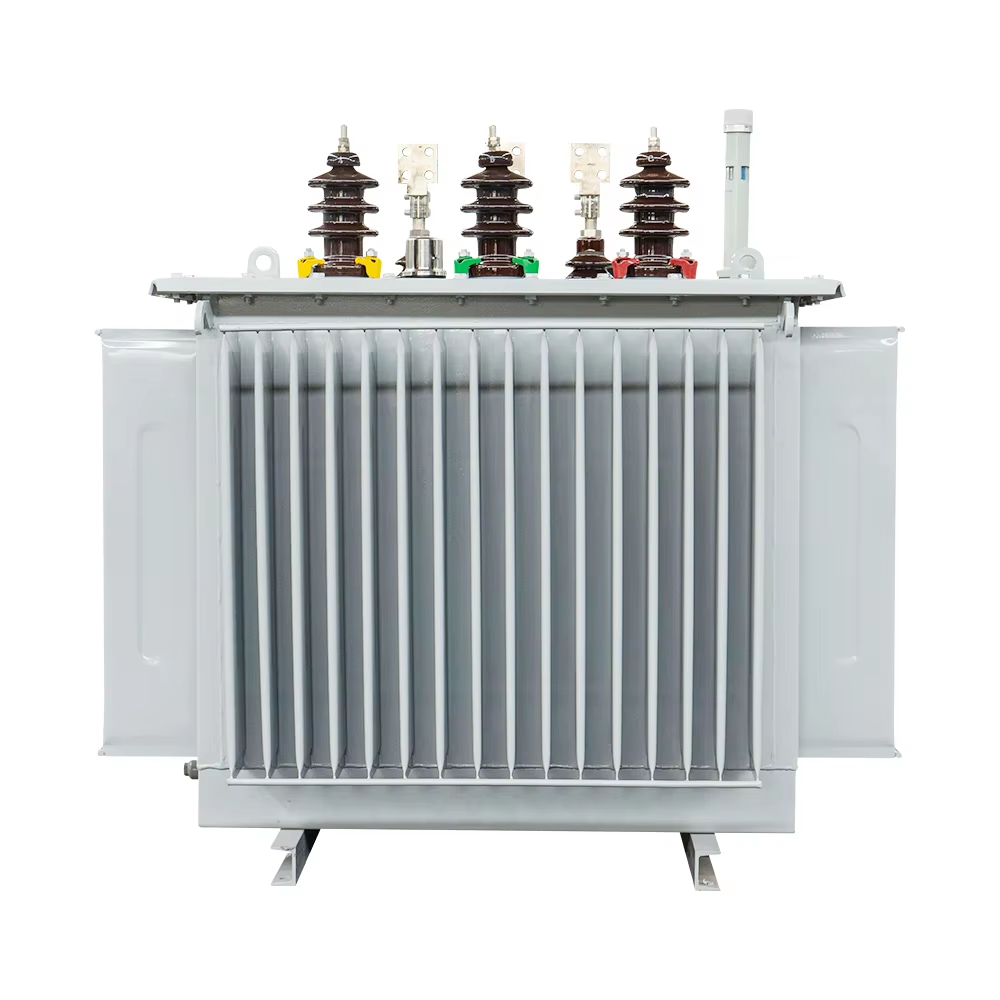
For manufacturers operating large-scale electrical systems, the choice of power equipment directly determines operational reliability and cost efficiency. An oil immersed transformer has long been a cornerstone technology in industrial power distribution, and advanced versions of this equipment offer capabilities that aging or basic units simply cannot match. Understanding why an upgrade matters begins with recognizing how much electrical infrastructure affects production continuity, energy costs, and safety compliance.
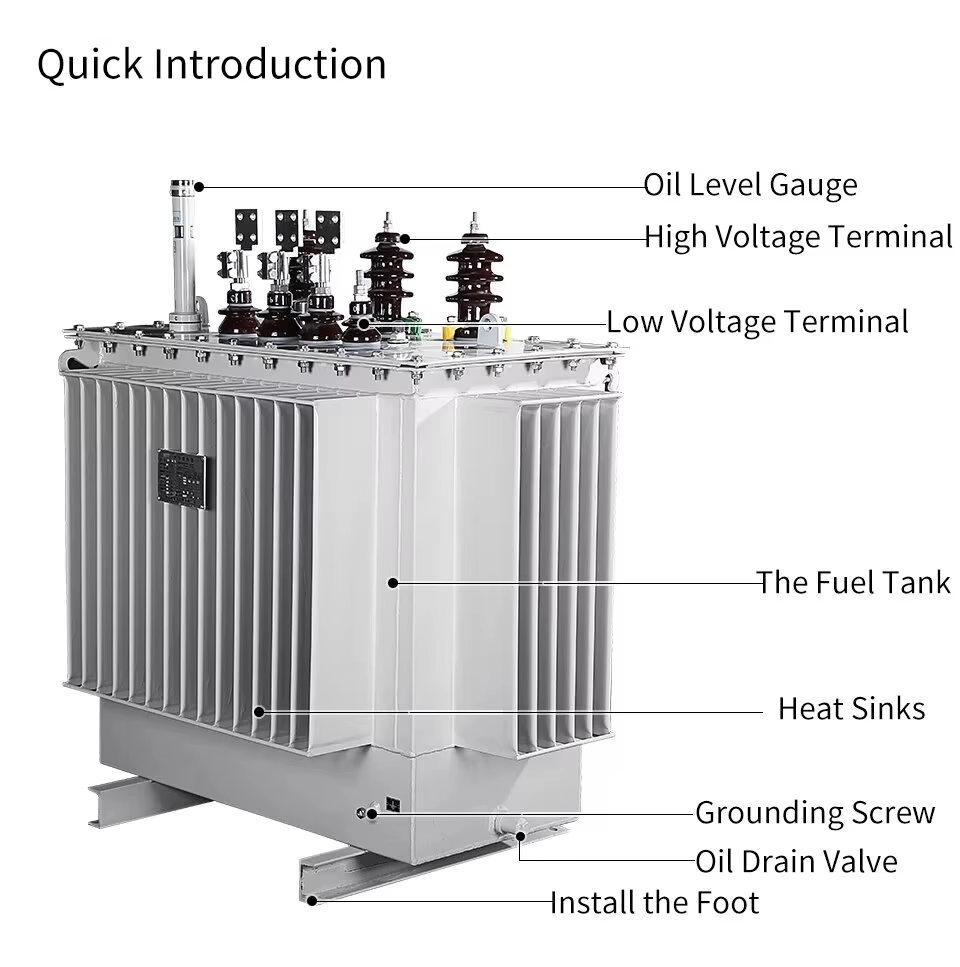
Manufacturers across heavy industry, processing plants, and utility-linked facilities are increasingly re-evaluating their transformer infrastructure. An advanced oil immersed transformer delivers measurably improved thermal management, higher load capacity, and enhanced dielectric performance compared to older-generation units. This article explores the core reasons why upgrading your oil immersed transformer is not just a maintenance decision but a strategic investment in your facility's future.
The Performance Limitations of Aging Transformer Units
Thermal Degradation and Efficiency Loss
Every oil immersed transformer in service accumulates thermal stress over time. The insulating oil inside an oil immersed transformer gradually degrades as it absorbs moisture, oxidizes, and loses its dielectric strength. When the oil quality in an oil immersed transformer deteriorates, the unit operates at higher temperatures, which accelerates insulation aging and increases core and winding losses. An older oil immersed transformer may consume significantly more energy to deliver the same output, translating directly into inflated electricity bills and reduced process efficiency for manufacturers.
Advanced oil immersed transformer designs address this by using high-grade insulating oils, improved core laminations, and precision-engineered cooling systems. A modern oil immersed transformer maintains stable operating temperatures across a wider load range, resulting in lower no-load and full-load losses. For facilities running continuous production schedules, upgrading to an efficient oil immersed transformer can produce measurable energy savings within the first year of operation.
Capacity Constraints in Growing Facilities
Manufacturing facilities rarely remain static. As production lines expand and new equipment is added, the electrical load demand on an existing oil immersed transformer often exceeds its original design rating. Running an oil immersed transformer beyond its rated capacity shortens its operational lifespan, increases failure risk, and can trigger costly unplanned shutdowns. An undersized oil immersed transformer becomes a bottleneck that limits production growth and forces operators to manage load shedding rather than running at full capacity.
Upgrading to an advanced oil immersed transformer with the correct kVA rating and load margin eliminates this bottleneck. Modern oil immersed transformer units are designed with growth in mind, offering flexible tap changer configurations and higher overload tolerance that match the demands of dynamic manufacturing environments.
Why Advanced Oil Immersed Transformers Deliver Greater Reliability
Superior Insulation and Dielectric Design
Reliability is the single most critical requirement for industrial power equipment. An advanced oil immersed transformer incorporates upgraded insulation systems, including kraft paper combined with high-density pressboard, that resist moisture ingress and partial discharge far more effectively than older materials. The oil immersed transformer design also benefits from improved hermetic sealing and conservator tank systems that protect the insulating medium from environmental contamination. Each of these features contributes to a longer, more stable service life for the oil immersed transformer.
Partial discharge activity is a known precursor to catastrophic oil immersed transformer failure. Advanced manufacturing processes for the oil immersed transformer include vacuum impregnation of windings and rigorous factory acceptance testing, both of which reduce the likelihood of internal discharge events. Manufacturers who rely on an oil immersed transformer with proven dielectric integrity experience fewer unplanned outages and lower maintenance intervention frequency.
Integrated Monitoring and Protection Systems
Modern oil immersed transformer units are available with integrated Buchholz relays, winding temperature indicators, oil level gauges, and pressure relief devices. These protection systems allow plant engineers to monitor the oil immersed transformer's condition in real time, catching anomalies before they escalate into failures. An oil immersed transformer equipped with intelligent monitoring provides actionable data that supports predictive maintenance strategies rather than reactive repair cycles. For manufacturers, this operational visibility translates into reduced downtime risk and better asset lifecycle planning around each oil immersed transformer in service.
Long-Term Business Value of an Upgraded Oil Immersed Transformer
Compliance with Current Standards and Grid Requirements
Electrical standards for industrial transformers continue to evolve. Regulators and utility providers increasingly require that an oil immersed transformer meet current efficiency tiers, such as those defined under IEC 60076 and comparable regional standards. An older oil immersed transformer may no longer satisfy these requirements, exposing manufacturers to compliance risk and potential penalties. Upgrading to an advanced oil immersed transformer that meets current standards ensures that the facility remains eligible for grid connection, insurance coverage, and operational certifications without interruption.
The oil immersed transformer must also align with environmental regulations governing insulating oil types. PCB-free, low-viscosity mineral oils or natural ester fluids used in a modern oil immersed transformer offer better environmental profiles and are acceptable under stricter environmental control frameworks. Transitioning to a compliant oil immersed transformer protects manufacturers from regulatory liability while also demonstrating environmental responsibility to stakeholders.
Total Cost of Ownership Over the Asset Lifecycle
The decision to upgrade an oil immersed transformer is frequently evaluated against upfront procurement cost alone, but total cost of ownership provides a far more accurate picture. An advanced oil immersed transformer with lower losses, longer insulation life, and fewer maintenance interventions delivers a significantly lower total cost per year compared to an aging unit. When energy savings from an efficient oil immersed transformer are calculated over a ten-year horizon, the cumulative benefit often exceeds the cost of the transformer itself. Manufacturers who delay the upgrade of an oil immersed transformer continue paying a hidden premium in wasted energy and elevated failure risk every operating day.
Spare parts availability also favors an upgraded oil immersed transformer. As older transformer generations are phased out by manufacturers, sourcing replacement components for an aging oil immersed transformer becomes progressively more difficult and expensive. A modern oil immersed transformer from a current production line benefits from readily available parts, standardized specifications, and active technical support, all of which reduce long-term maintenance costs and operational uncertainty.
FAQ
What makes an advanced oil immersed transformer more efficient than older units?
An advanced oil immersed transformer uses improved core materials, higher-grade insulating oils, and precision winding techniques that reduce both no-load and load losses. These design improvements mean the oil immersed transformer converts power more efficiently, lowers heat generation, and operates at cooler temperatures across a wider load range than older designs.
How often should manufacturers consider upgrading their oil immersed transformer?
The service life of an oil immersed transformer typically ranges from 20 to 30 years under proper maintenance. Manufacturers should evaluate an upgrade when the oil immersed transformer approaches 15 to 20 years of service, shows signs of insulation degradation, operates consistently above rated capacity, or no longer meets current efficiency and compliance standards.
Is an oil immersed transformer suitable for all industrial environments?
An oil immersed transformer is well suited to most heavy industrial environments due to its high load capacity, robust thermal management, and proven long-term reliability. For locations with extreme fire sensitivity or confined indoor spaces, alternative designs may be considered, but for the majority of manufacturing facilities, the oil immersed transformer remains the preferred choice for primary power distribution.