
 EN
EN
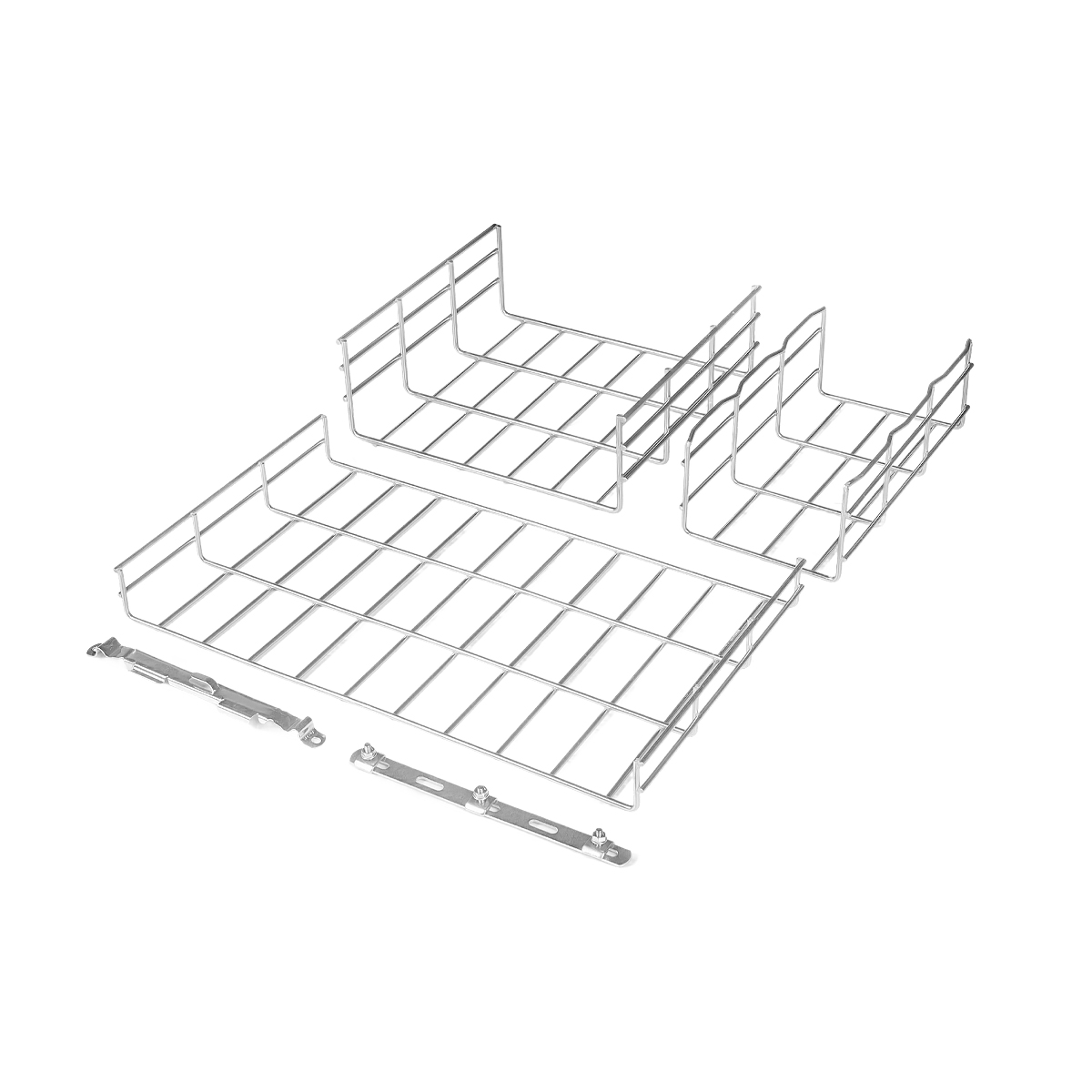
In modern electrical infrastructure, customized metal cable trays have become a foundational element of efficient cable management. Standard off-the-shelf trays often fail to address the unique spatial, load, and routing demands of complex industrial or commercial environments. Customized metal cable trays, by contrast, are designed to match the exact requirements of a specific project, enabling cleaner layouts, safer routing, and more streamlined installation workflows.
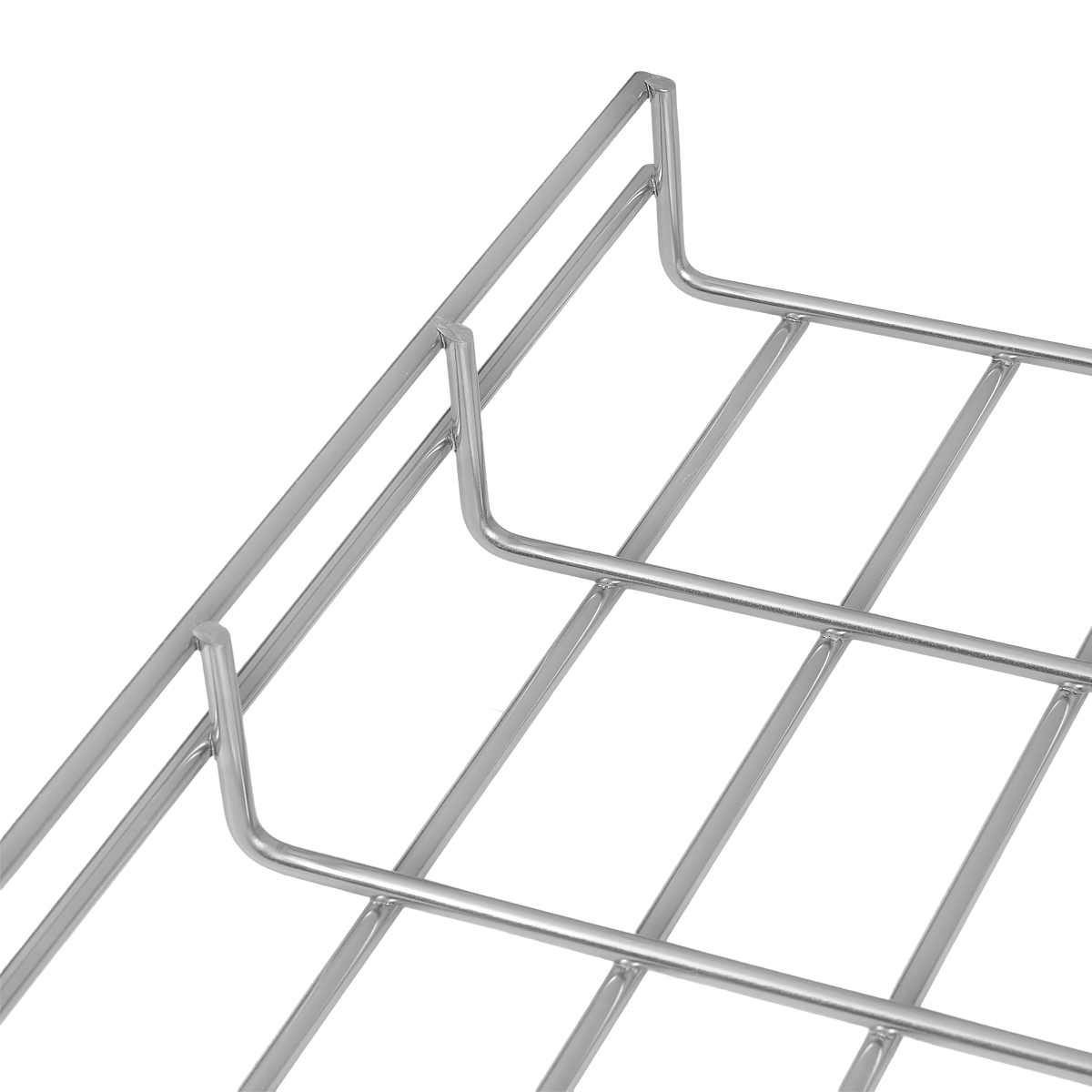
The question of how customized metal cable trays improve cable management efficiency is not just about aesthetics or convenience. It touches on structural performance, project cost control, long-term maintenance ease, and compliance with safety standards. When facilities choose customized metal cable trays over generic alternatives, they gain a system engineered specifically for their operational context, which translates directly into measurable efficiency gains across multiple dimensions.
Precision Design and Space Optimization
Tailored Dimensions for Complex Layouts
One of the primary ways customized metal cable trays improve cable management efficiency is through precision dimensioning. Standard trays are produced in fixed widths, depths, and lengths that may not align with the actual cable volumes or routing paths of a facility. Customized metal cable trays allow engineers to specify exact dimensions, ensuring trays fit perfectly within confined ceiling spaces, wall channels, or raised floor systems. This dimensional accuracy eliminates excessive bends, unnecessary connectors, and wasted space.
When customized metal cable trays are sized correctly from the start, installers spend less time cutting, adapting, or improvising on-site. Projects proceed faster, with fewer errors and rework cycles. Customized metal cable trays also reduce cable congestion by providing the right tray width for each cable bundle, which improves airflow around heat-sensitive wiring and reduces the risk of insulation degradation over time.
Custom Routing Paths and Configurations
Beyond dimensions, customized metal cable trays can be produced with project-specific bends, angles, tee junctions, and transition pieces. In facilities with irregular floor plans or multi-level cable paths, this level of routing customization prevents awkward installations that compromise both cable integrity and system accessibility. Customized metal cable trays with pre-engineered transitions reduce junction complexity, making it far easier to trace, replace, or expand cable runs in the future.
Structural Performance and Material Suitability
Matching Material Grades to Environmental Demands
Customized metal cable trays offer the advantage of material selection tailored to environmental conditions. In corrosive environments such as chemical plants, offshore platforms, or food processing facilities, standard galvanized trays may degrade prematurely. Customized metal cable trays can be specified in stainless steel, hot-dip galvanized steel, or aluminum alloy depending on the exposure conditions. This material customization extends service life significantly and reduces long-term maintenance costs.
When the metal grade, coating type, and surface treatment of customized metal cable trays are aligned with the installation environment, facility managers avoid the costly consequences of corrosion-related failures. Customized metal cable trays also maintain structural integrity under heavier cable loads because the wall thickness and cross-section geometry can be engineered to match actual load requirements rather than relying on generic safety margins.
Load Capacity Engineering
A common source of inefficiency in cable management is tray deflection caused by undersized load capacity. Customized metal cable trays are engineered to carry the precise cable weight specified in the project design, preventing excessive sag between supports. Properly load-rated customized metal cable trays require fewer support brackets along their span, which reduces both material costs and installation labor. When load capacity is matched to actual demand, the entire tray system performs with greater structural consistency and less need for post-installation reinforcement.
Installation Efficiency and Long-Term Maintenance
Faster Installation Through Pre-Engineered Components
Customized metal cable trays contribute directly to faster installation by arriving on-site as pre-engineered, project-ready components. When every section, coupler, and bracket is already dimensioned and finished to specification, the installation team can focus on assembly rather than on adaptation. Customized metal cable trays reduce on-site cutting and modification time significantly, which is especially valuable in large-scale industrial projects where schedule delays carry high costs.
Pre-drilled mounting holes, consistent hole patterns, and compatible accessory sets make customized metal cable trays much easier to assemble. Installers working with a fully coordinated set of customized metal cable trays complete sections faster with fewer tools and fewer waste materials. The result is a more efficient project timeline and a cleaner, more professional installation.
Simplified Maintenance and Future Scalability
Efficient cable management is not only about the initial installation. Customized metal cable trays improve long-term maintenance efficiency by creating organized, labeled, and logically routed cable systems that technicians can navigate quickly. When customized metal cable trays are designed with maintenance access in mind, cable inspections, fault tracing, and replacements take far less time. This reduces both operational disruptions and the labor costs associated with routine maintenance cycles.
As facilities grow and cable requirements evolve, customized metal cable trays also simplify future expansion. Because the tray system was engineered with spare capacity and consistent routing logic, adding new cable runs to existing customized metal cable trays requires minimal structural modification. This scalability is a long-term efficiency advantage that generic systems rarely provide.
FAQ
What industries benefit most from customized metal cable trays?
Industries with complex environments such as manufacturing, oil and gas, data centers, and commercial construction benefit most from customized metal cable trays. These sectors deal with high cable volumes, demanding environmental conditions, and strict safety requirements that standard trays cannot consistently address. Customized metal cable trays provide the dimensional accuracy and material performance needed in these high-demand applications.
How do customized metal cable trays compare to standard trays in cost?
Customized metal cable trays may carry a higher initial unit cost than standard trays, but total project cost is often lower. Reduced on-site labor, fewer connection accessories, and longer service life all contribute to a better overall return. Customized metal cable trays also reduce maintenance expenses over time, making them a more cost-effective choice for projects that prioritize long-term operational efficiency.
Can customized metal cable trays meet international safety standards?
Yes, customized metal cable trays can be produced to comply with international standards including IEC, NEMA, and EN specifications. Reputable manufacturers of customized metal cable trays apply quality control processes that verify material grades, coating thickness, load ratings, and dimensional tolerances against the relevant standards. Specifying compliance requirements during the customization process ensures that the final trays are fully suitable for regulated installation environments.