
 EN
EN
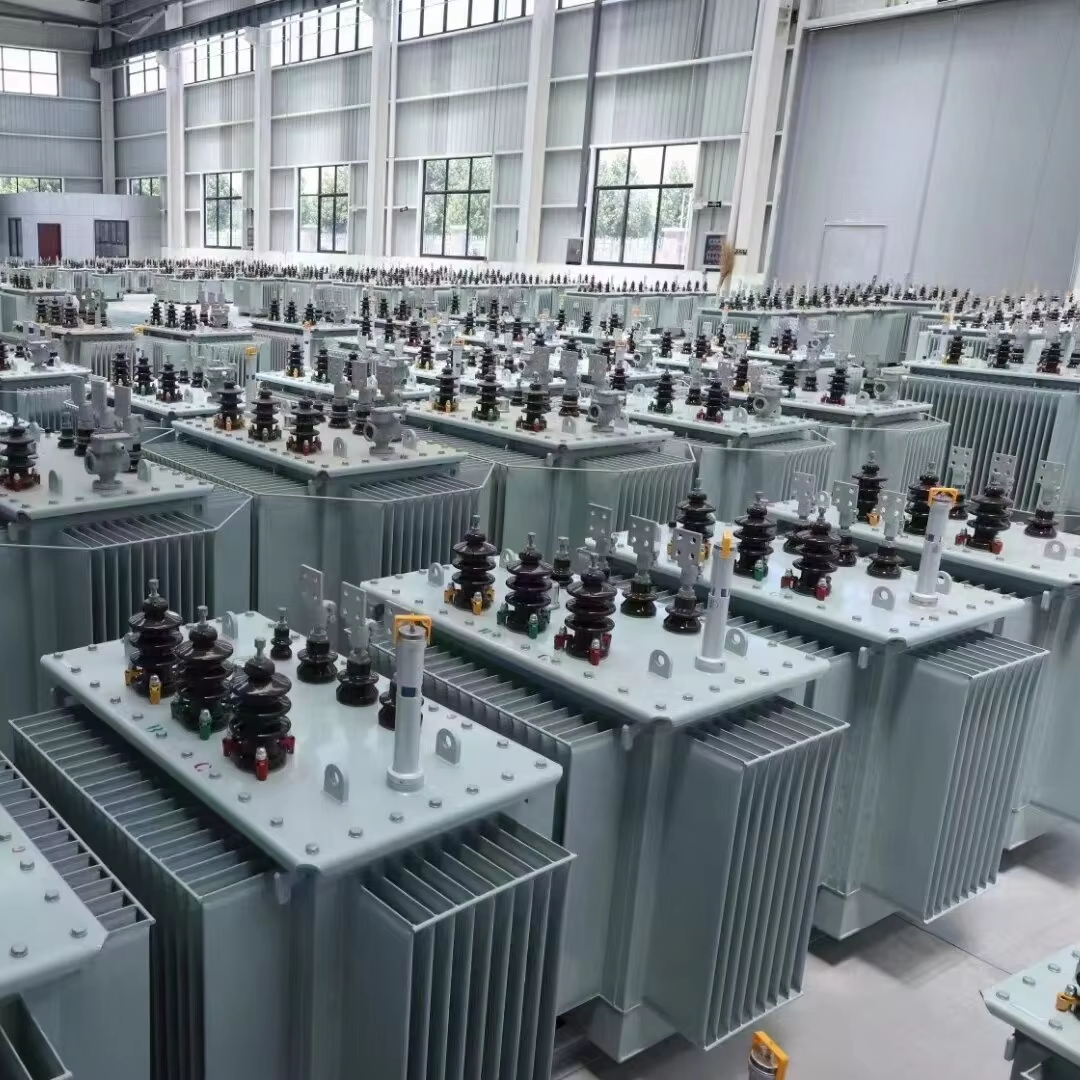
Selecting the right oil immersed transformer is one of the most consequential decisions an electrical engineer or procurement specialist will make in any power distribution project. The choice affects not only the immediate performance of the system but also long-term operational reliability, maintenance costs, and safety compliance. With so many technical parameters, environmental considerations, and application-specific requirements to evaluate, a structured approach to selection is essential for avoiding costly mistakes.
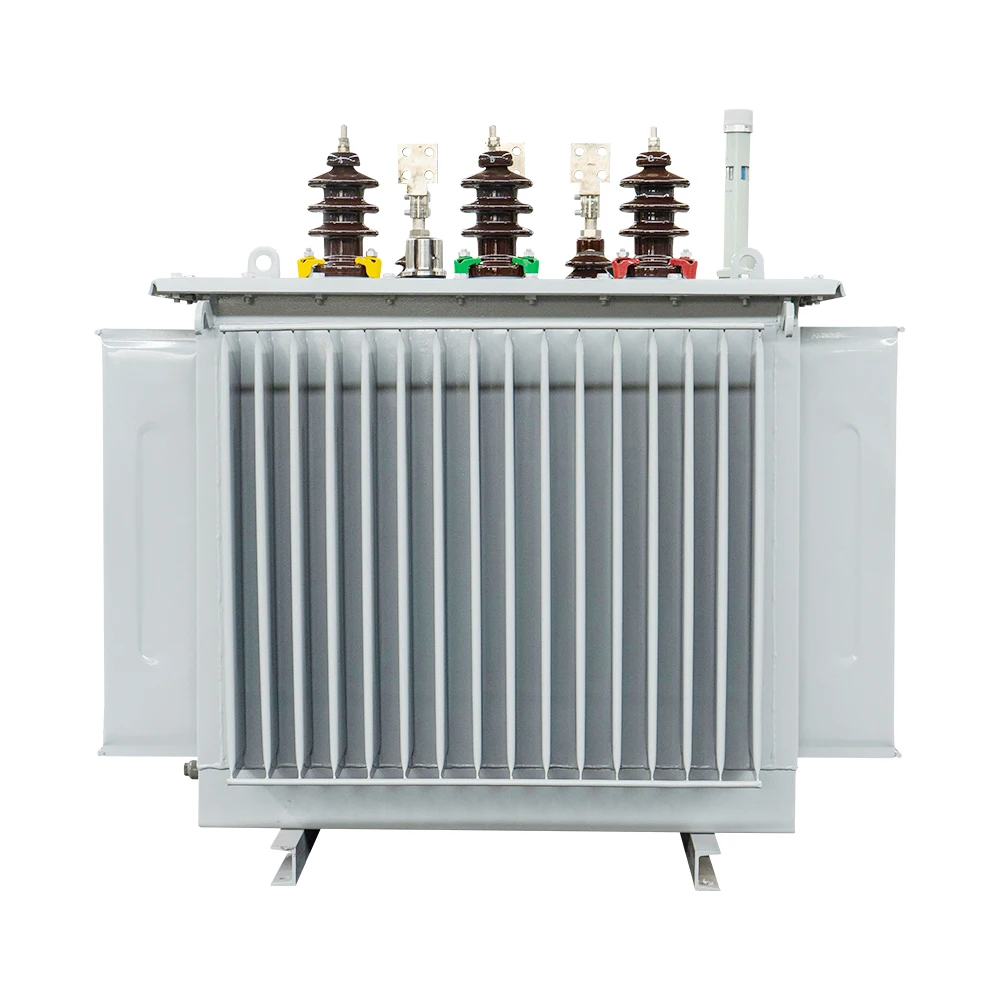
An oil immersed transformer uses insulating mineral oil or synthetic fluid to cool the core and windings while simultaneously providing electrical insulation. This design makes it highly effective for medium and high-voltage applications across industrial plants, utility substations, commercial facilities, and infrastructure projects. However, the broad applicability of this technology also means that the selection criteria are nuanced and must be carefully matched to the specific demands of each installation environment and load profile.
Understanding Voltage Ratio and Power Rating Requirements
Matching the Voltage Ratio to Your System Design
The voltage ratio of an oil immersed transformer defines the relationship between the primary input voltage and the secondary output voltage. This ratio must align precisely with the voltage levels present in your distribution network. A mismatch, even a minor one, can lead to equipment damage, inefficient power delivery, or regulatory non-compliance. Engineers must verify both the nominal voltage and the permissible voltage variation range before specifying a unit.
Most oil immersed transformer units are available with on-load tap changers or off-load tap changers that allow fine adjustment of the voltage ratio during operation or during scheduled maintenance windows. For applications where the supply voltage fluctuates significantly, an on-load tap changer provides the flexibility needed to maintain stable output without interrupting service. Understanding the voltage regulation requirements of your load is therefore a prerequisite for making the right tap changer selection.
It is also important to consider the vector group of the oil immersed transformer, which describes the phase relationship between the primary and secondary windings. The vector group affects how the transformer integrates with the rest of the network, particularly in parallel operation scenarios or when connecting to systems with specific harmonic management requirements. Specifying the wrong vector group can create circulating currents and operational instability.
Determining the Correct kVA or MVA Rating
The power rating of an oil immersed transformer must be sufficient to handle the maximum continuous load demand plus a reasonable margin for future load growth. Undersizing leads to overheating, accelerated insulation degradation, and premature failure. Oversizing, while safer from a thermal standpoint, results in unnecessary capital expenditure and reduced efficiency at partial loads.
Load analysis should account for both the steady-state demand and the peak demand profile, including motor starting currents and other transient loads. Many industrial applications involve cyclic or intermittent loads that create thermal stress patterns different from those seen in continuous-load scenarios. A properly rated oil immersed transformer will be specified based on the equivalent continuous load that produces the same thermal effect as the actual variable load cycle.
Thermal modeling tools and IEC or IEEE loading guides can assist engineers in determining whether a given oil immersed transformer rating is appropriate for a specific load profile. These tools take into account ambient temperature, cooling mode, and the thermal time constant of the unit to predict hot-spot temperatures under various loading conditions.
Evaluating Insulation Class and Cooling System Design
Insulation System and Dielectric Fluid Selection
The insulation system of an oil immersed transformer consists of the dielectric fluid and the solid insulation materials used in the windings and core assembly. Mineral oil remains the most widely used dielectric fluid due to its excellent insulating properties, thermal conductivity, and cost-effectiveness. However, for installations in environmentally sensitive areas or locations with strict fire safety requirements, alternative fluids such as natural ester oil or synthetic ester fluid may be specified.
The insulation class determines the maximum permissible operating temperature of the winding materials. Standard oil immersed transformer designs typically use Class A insulation, which has a maximum temperature rating of 105°C. Higher insulation classes allow for more compact designs or higher overload capacity, but they also come at a higher material cost. The selection should be driven by the expected operating temperature range and the desired service life of the unit.
Moisture content in the insulating oil is a critical quality parameter that directly affects the dielectric strength of the oil immersed transformer. Procurement specifications should include requirements for moisture content at the time of delivery, and commissioning procedures should include oil testing to verify that the unit has not absorbed moisture during transport or storage. Ongoing oil analysis programs are also recommended as part of a preventive maintenance strategy.
Cooling Mode and Thermal Performance
The cooling mode of an oil immersed transformer is designated by a four-letter code under IEC standards, such as ONAN, ONAF, OFAF, or ODAF. Each code describes the cooling medium for the core and windings, the circulation method for that medium, the external cooling medium, and the circulation method for the external medium. The choice of cooling mode affects the physical size of the unit, its overload capacity, and its noise level.
Natural oil natural air cooling, designated ONAN, is the simplest and most reliable cooling arrangement because it has no moving parts. It is well suited for locations where maintenance access is limited or where noise levels must be minimized. Forced cooling arrangements, such as ONAF or OFAF, allow a smaller and lighter oil immersed transformer to handle the same power rating, which can be advantageous when space or weight constraints are significant factors.
Ambient temperature at the installation site has a direct impact on the thermal performance of the oil immersed transformer. Units designed for standard ambient conditions may need to be derated or fitted with additional cooling equipment when installed in hot climates or enclosed spaces with limited ventilation. Conversely, units installed in cold climates may require oil heaters to prevent the insulating fluid from becoming too viscous during startup.
Assessing Standards Compliance and Protection Features
Applicable International and Regional Standards
An oil immersed transformer intended for use in a regulated power system must comply with the applicable international or regional standards governing its design, testing, and performance. The most widely referenced standards are IEC 60076 for power transformers and IEEE C57 series for transformers used in North American markets. Compliance with these standards ensures that the unit has been designed and tested to meet minimum safety and performance benchmarks.
Type test reports and routine test certificates are essential documents that should be requested from the manufacturer before finalizing a purchase. Type tests verify that the design meets the specified performance requirements, while routine tests confirm that each individual oil immersed transformer unit has been manufactured correctly and is free from defects. Key tests include applied voltage withstand, induced voltage withstand, load loss measurement, no-load loss measurement, and temperature rise testing.
For projects involving export or cross-border supply, it is important to verify that the oil immersed transformer complies with the standards recognized by the destination country's regulatory authority. Some markets require additional certifications or local type approvals that go beyond the base IEC or IEEE requirements. Engaging with the manufacturer early in the project to clarify certification requirements can prevent significant delays during the approval process.
Protection Devices and Monitoring Equipment
The protection and monitoring equipment fitted to an oil immersed transformer plays a critical role in detecting abnormal operating conditions before they escalate into failures. Standard protection devices include a Buchholz relay, which detects gas accumulation caused by internal faults, a winding temperature indicator, an oil temperature indicator, and a pressure relief device. These devices should be specified based on the criticality of the application and the consequences of an unplanned outage.
For high-value or mission-critical installations, more sophisticated monitoring systems may be justified. Online dissolved gas analysis monitors continuously sample the insulating oil and detect fault gases that indicate developing insulation problems. Partial discharge monitoring systems can identify localized electrical stress in the windings before it causes a dielectric breakdown. These advanced monitoring tools allow maintenance teams to plan interventions proactively rather than responding to emergency failures.
The bushing type and rating must also be carefully selected to match the system voltage and current requirements. Bushings are a common source of failure in oil immersed transformer units, and specifying bushings with adequate creepage distance for the pollution level at the installation site is an important detail that is sometimes overlooked during the procurement process. Capacitive grading bushings are typically required for voltages above 72.5 kV.
Considering Installation Environment and Physical Constraints
Outdoor Versus Indoor Installation Requirements
The installation environment significantly influences the design requirements for an oil immersed transformer. Outdoor installations expose the unit to weather, UV radiation, pollution, and temperature extremes, which means that the tank, fittings, and external components must be designed and coated to withstand these conditions over a service life that typically spans several decades. Corrosion protection is particularly important in coastal or industrial environments where salt spray or chemical pollutants are present.
Indoor installations may offer better protection from the elements but introduce their own constraints, including ventilation requirements, fire suppression system compatibility, and weight limitations imposed by the building structure. An oil immersed transformer installed indoors typically requires an oil containment pit or bund to capture any oil released in the event of a leak or rupture. The volume of the containment system must be sufficient to hold the full oil volume of the transformer plus a margin for firefighting water.
Seismic zone requirements must be considered for installations in earthquake-prone regions. An oil immersed transformer installed in a high seismic zone must be designed with reinforced mounting arrangements and may require seismic qualification testing to demonstrate that it will remain functional and structurally intact following a design-basis earthquake. Failure to address seismic requirements can result in catastrophic oil spills and fire hazards during seismic events.
Transport, Handling, and Site Access Logistics
Large oil immersed transformer units are among the heaviest and most difficult pieces of electrical equipment to transport and install. The weight and dimensions of the unit must be compatible with the transport route from the factory to the installation site, including road width restrictions, bridge load limits, and tunnel clearances. For very large units, it may be necessary to transport the transformer without oil and fill it on-site, which adds complexity to the commissioning process.
Site access for maintenance activities must also be considered during the selection and layout planning phase. An oil immersed transformer requires periodic oil sampling, filter press treatment, and potentially winding resistance measurements or other diagnostic tests. Adequate clearance around the unit and appropriate lifting points must be provided to allow maintenance personnel to work safely and efficiently throughout the service life of the equipment.
The foundation design must account for the weight of the oil immersed transformer including its full oil charge, and must incorporate provisions for oil drainage and containment. Vibration isolation may be required to prevent transformer noise from being transmitted through the building structure to occupied areas. These civil and structural requirements should be coordinated between the electrical engineer and the structural engineer early in the project design phase.
Evaluating Total Cost of Ownership and Efficiency
No-Load and Load Loss Evaluation
The purchase price of an oil immersed transformer represents only a fraction of its total cost of ownership over a typical service life of 25 to 40 years. The dominant cost component over the life of the unit is the cost of electrical losses, which consist of no-load losses and load losses. No-load losses occur continuously whenever the transformer is energized, regardless of the load level, while load losses vary with the square of the load current.
Capitalization of losses is a procurement methodology that assigns a monetary value to each watt of no-load and load loss, allowing the total cost of ownership to be compared across competing designs. By specifying maximum permissible loss levels and applying capitalization factors that reflect the local cost of electricity and the expected load profile, buyers can ensure that they are selecting the most economically efficient oil immersed transformer rather than simply the lowest-priced unit.
High-efficiency designs using amorphous metal cores can achieve significantly lower no-load losses compared to conventional grain-oriented silicon steel cores. While the initial cost of an amorphous core oil immersed transformer is higher, the energy savings over the service life can more than offset the price premium, particularly in applications where the transformer operates at low load factors for extended periods. A lifecycle cost analysis is the appropriate tool for evaluating this trade-off.
Maintenance Requirements and Expected Service Life
The expected service life of an oil immersed transformer is primarily determined by the rate of insulation degradation, which is driven by thermal stress, moisture ingress, and oxidation of the insulating oil. A well-maintained unit operating within its rated thermal limits can achieve a service life of 30 to 40 years or more. Neglected maintenance, chronic overloading, or operation in a contaminated environment can reduce the effective service life to a fraction of this figure.
Maintenance requirements should be factored into the selection decision, particularly for installations in remote locations or facilities with limited maintenance resources. Sealed or hermetically sealed oil immersed transformer designs eliminate the need for oil conservators and reduce the risk of moisture ingress, which can simplify the maintenance program. However, sealed designs also limit the ability to perform certain diagnostic tests and may require specialized equipment for oil sampling.
Spare parts availability and manufacturer support are practical considerations that affect the long-term maintainability of an oil immersed transformer. Selecting a unit from a manufacturer with a strong service network and a commitment to maintaining spare parts availability over the expected service life reduces the risk of extended outages due to parts shortages. This is particularly important for critical infrastructure applications where transformer availability directly affects business continuity.
FAQ
What is the difference between an oil immersed transformer and a dry-type transformer?
An oil immersed transformer uses insulating oil as both a coolant and a dielectric medium, which allows it to handle higher voltages and larger power ratings more efficiently than a dry-type transformer. Dry-type transformers use air or resin for insulation and cooling, making them more suitable for indoor installations where fire risk or environmental regulations restrict the use of oil. Oil immersed transformer units generally offer lower losses and longer service life in outdoor or substation applications, while dry-type units are preferred for indoor commercial or light industrial use.
How often should the insulating oil in an oil immersed transformer be tested?
The insulating oil in an oil immersed transformer should be tested at least once per year for critical parameters such as dielectric breakdown voltage, moisture content, acidity, and dissolved gas content. For units operating in harsh environments or under heavy load conditions, more frequent testing may be warranted. Dissolved gas analysis is particularly valuable because it can detect developing internal faults at an early stage, allowing corrective action to be taken before a failure occurs. The results of oil tests should be trended over time to identify deterioration patterns.
Can an oil immersed transformer be operated in parallel with another unit?
Yes, an oil immersed transformer can be operated in parallel with another unit, provided that certain conditions are met. The two units must have the same voltage ratio, the same vector group, the same per-unit impedance, and the same frequency rating. Differences in impedance will cause unequal load sharing, which can result in one unit being overloaded while the other operates below capacity. Differences in vector group will create circulating currents that can damage both units. Parallel operation should always be verified through engineering analysis before implementation.
What factors affect the noise level of an oil immersed transformer?
The noise level of an oil immersed transformer is primarily generated by magnetostriction in the core laminations, which causes the core to vibrate at twice the supply frequency. The noise level is influenced by the core material, the flux density at which the core operates, the mechanical design of the core clamping structure, and the cooling equipment attached to the tank. Low-noise designs use high-quality grain-oriented silicon steel or amorphous metal cores operated at reduced flux densities, combined with vibration-damping mounting arrangements. For installations near residential areas or noise-sensitive facilities, specifying a maximum sound power level and requesting acoustic test data from the manufacturer is strongly recommended.
Table of Contents
- Understanding Voltage Ratio and Power Rating Requirements
- Evaluating Insulation Class and Cooling System Design
- Assessing Standards Compliance and Protection Features
- Considering Installation Environment and Physical Constraints
- Evaluating Total Cost of Ownership and Efficiency
-
FAQ
- What is the difference between an oil immersed transformer and a dry-type transformer?
- How often should the insulating oil in an oil immersed transformer be tested?
- Can an oil immersed transformer be operated in parallel with another unit?
- What factors affect the noise level of an oil immersed transformer?