
 EN
EN
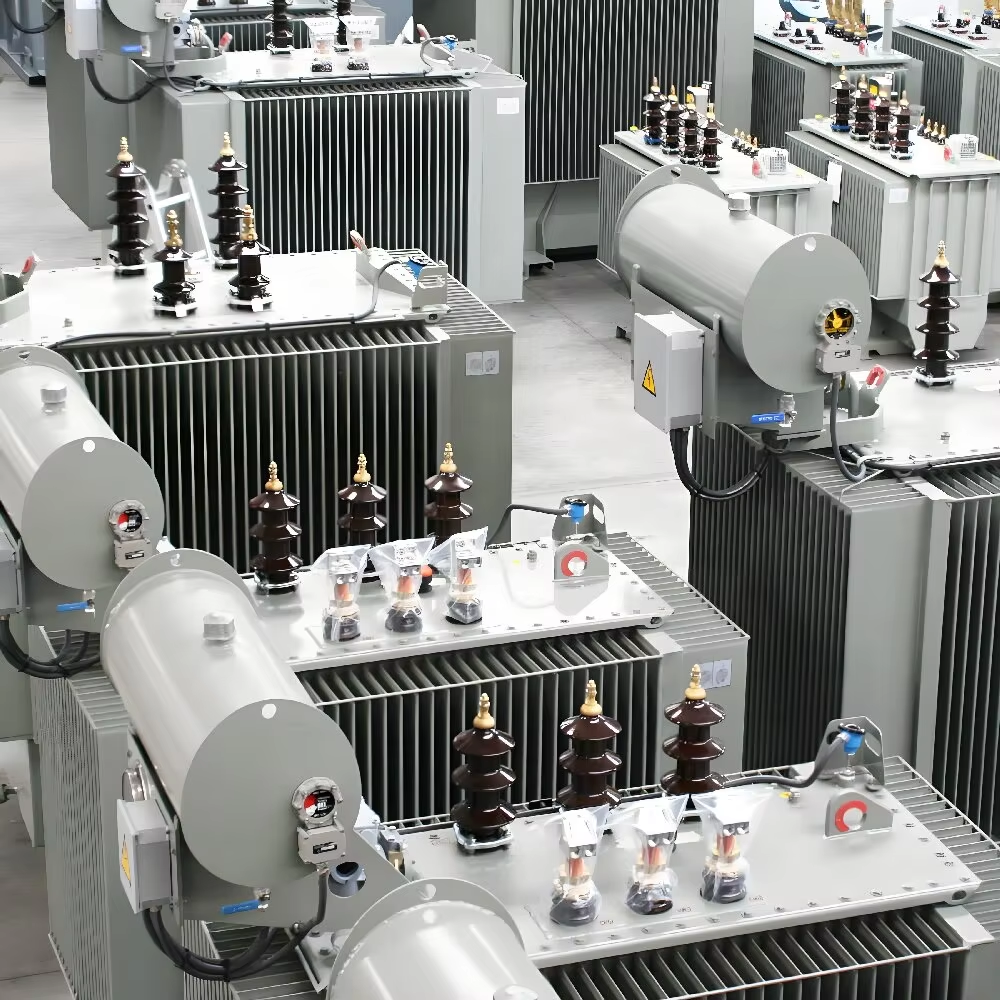
The infrastructure industry is undergoing a significant transformation, and one of the clearest signals of that shift can be found in how a cable ladder is designed, manufactured, and deployed today. Where cost and speed once dominated procurement decisions, sustainability has emerged as a primary driver for both manufacturers and the businesses that source from them. This is not a passing trend — it reflects a fundamental rethinking of how industrial components contribute to broader environmental and operational goals.
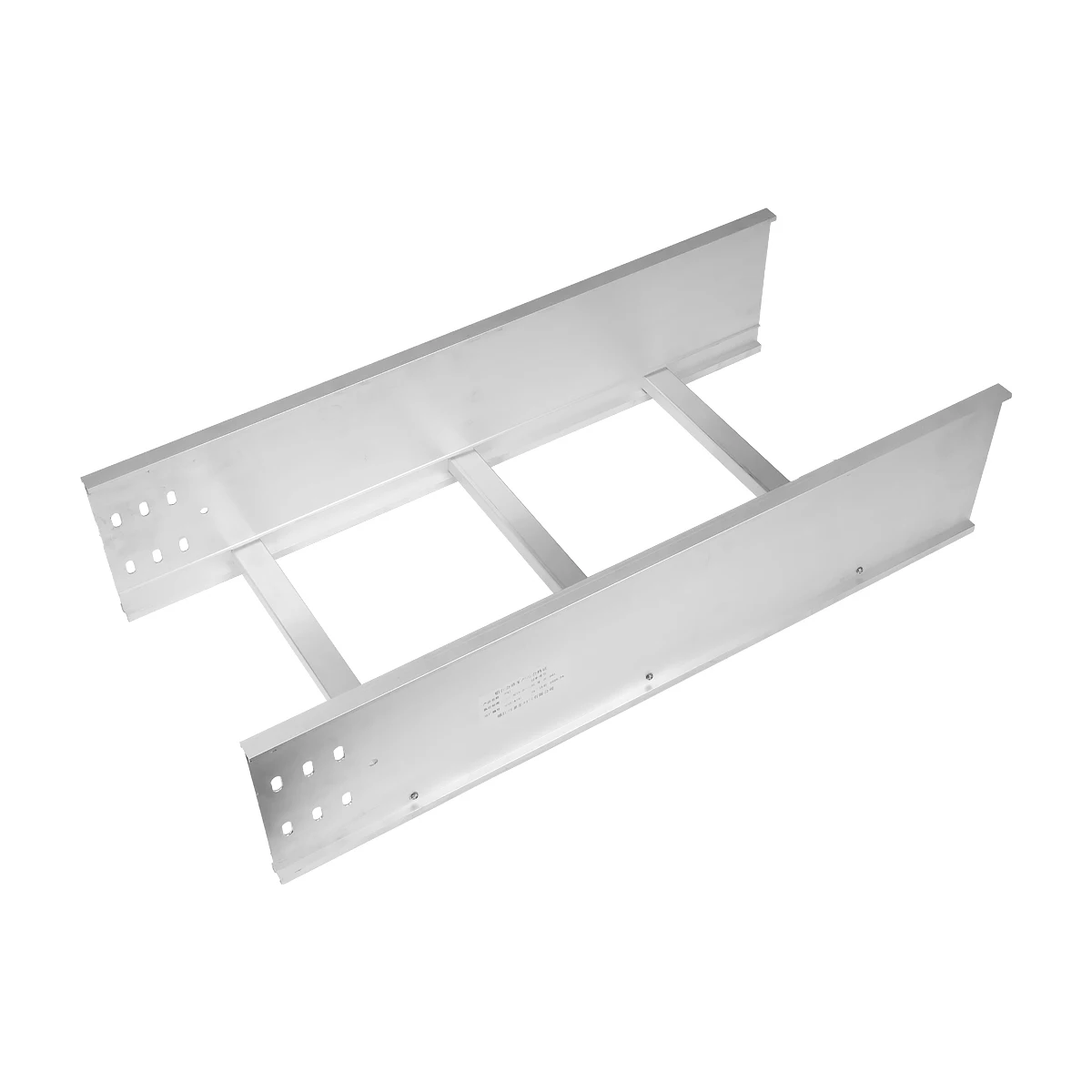
For data centers, commercial facilities, and industrial plants, the cable ladder is no longer just a passive support structure — it is a component that carries measurable environmental responsibility. Leading manufacturers have recognized that their customers face increasingly strict green building standards, ESG reporting requirements, and long-term total cost of ownership pressures. Responding to these forces is not optional for any manufacturer that wants to remain relevant in a competitive global market.
The Business and Environmental Drivers Behind Sustainable Manufacturing
Rising Regulatory Pressure on Industrial Products
Manufacturers operating in global markets face an expanding network of environmental regulations that directly affect how a cable ladder is produced and what materials can be used. The European Union's Green Deal, LEED certification requirements in North America, and similar frameworks across Asia-Pacific have created binding expectations for suppliers. Meeting these standards is now a precondition for entering many public sector, healthcare, and large commercial projects.
These regulations cover everything from the origin of raw steel and aluminum to the chemicals used in surface treatments such as galvanization. A cable ladder manufacturer that cannot demonstrate compliance with these standards is effectively excluded from an increasingly large portion of the global market. Proactive manufacturers have therefore invested heavily in compliant materials sourcing, third-party environmental certification, and traceable supply chains.
The regulatory landscape is also evolving rapidly. Manufacturers who build sustainability into their core production processes are better positioned to adapt quickly when new standards emerge, whereas those who treat compliance as an afterthought face constant and costly adjustments. This forward-looking approach to regulation is one of the key reasons sustainability has become a strategic priority rather than a marketing message.
Customer Demand for Greener Supply Chains
Corporate buyers — especially large enterprises in tech, finance, and pharmaceuticals — have adopted ambitious sustainability commitments that cascade through their supply chains. When a hyperscale data center operator commits to net-zero emissions, that commitment directly affects every component supplier, including the cable ladder manufacturer they work with. Procurement teams now routinely require environmental product declarations, material safety data sheets, and carbon footprint documentation as part of the vendor qualification process.
This customer-driven pressure is one of the strongest forces reshaping manufacturing priorities. A cable ladder supplier that can provide transparent environmental data — including recycled content percentages, energy consumption during production, and end-of-life recyclability — gains a decisive competitive advantage over those who cannot. The decision is no longer purely about price per meter; it is about total value alignment with the buyer's own sustainability goals.
Material Innovation and Recycled Content in Cable Ladder Production
The Shift Toward High-Recycled-Content Steel and Aluminum
One of the most impactful changes in sustainable cable ladder manufacturing is the increased use of recycled steel and aluminum. Steel, in particular, is one of the most recyclable materials in industrial use, and manufacturers are now sourcing electric arc furnace steel that contains significantly higher percentages of post-consumer scrap compared to traditional blast furnace production. This shift dramatically reduces both energy consumption and carbon dioxide emissions per ton of finished product.
Stainless steel cable ladder products — widely used in data centers and cleanroom environments — benefit especially from this transition. High-grade stainless steel retains full mechanical performance even when produced with elevated recycled content, meaning there is no compromise in load capacity, corrosion resistance, or dimensional precision. For buyers, this means they can specify a cable ladder with strong environmental credentials without accepting any reduction in technical performance.
Aluminum cable ladder systems present a similar opportunity. Aluminum is infinitely recyclable without degradation of its properties, and manufacturing with recycled aluminum consumes roughly 95% less energy than primary production. These material-level improvements allow manufacturers to offer products with substantially lower embodied carbon while maintaining the lightweight structural advantages that make aluminum an attractive choice for installation teams.
Sustainable Surface Treatments and Coating Technologies
Surface treatment is a critical factor in the performance and environmental profile of any cable ladder system. Traditional hot-dip galvanization remains widely used for its exceptional corrosion protection, but manufacturers are investing in process improvements that reduce zinc waste, minimize acid bath consumption, and lower energy use per unit treated. Some manufacturers have also developed powder coating systems that eliminate volatile organic compound emissions entirely while delivering durable, aesthetically consistent finishes.
For environments where chemical resistance and hygiene are critical — such as pharmaceutical manufacturing or food processing — epoxy-based and PTFE coatings have been reformulated to reduce hazardous substance content while maintaining the performance characteristics required for those demanding applications. Every improvement in coating technology directly reduces the environmental footprint of a finished cable ladder without requiring any change to how it is installed or used.
Design Efficiency and Reduced Material Waste
Optimized Cross-Section Geometry and Load Efficiency
Sustainability in cable ladder manufacturing is not only about the materials used — it is also about how efficiently those materials are used. Advanced finite element analysis and structural simulation tools allow engineers to optimize the cross-section geometry of side rails and rungs so that the same load capacity is achieved with less material. A cable ladder designed with optimized geometry can use 10–20% less steel or aluminum per linear meter compared to traditionally dimensioned products, directly translating to lower resource consumption and lower transportation emissions.
This design efficiency also benefits the installer. Lighter cable ladder sections reduce the physical effort required during installation, lower the load on ceiling suspension systems, and may allow for less robust primary support structures in some building types. The downstream effects of better-designed products ripple through the entire project delivery chain, reducing waste and improving overall construction efficiency.
Modular Systems and Extended Service Life
A cable ladder designed for modularity supports sustainability by enabling repair and reconfiguration rather than wholesale replacement. When a data center expands its infrastructure or a manufacturing plant reconfigures its production floor, a modular cable ladder system can be extended, rerouted, or partially replaced without discarding entire runs of functional material. This dramatically extends the effective service life of the installed system and reduces landfill-bound waste.
Leading manufacturers are designing cable ladder systems with standardized connection interfaces, interchangeable accessories, and long-term availability of replacement components. This approach reflects a shift from a transactional product mindset to a lifecycle service mindset — one that aligns directly with circular economy principles that are now central to many corporate sustainability frameworks.
For facility managers, a modular cable ladder system also reduces operational disruption during modifications. Sections can be added or relocated with minimal downtime, reducing the indirect costs associated with production stoppages or IT outages. This practical operational benefit reinforces the sustainability case by reducing the energy and resource intensity of facility changes over time.
Sustainability Certifications and Transparent Reporting in the Cable Ladder Industry
Environmental Product Declarations and Third-Party Verification
One of the clearest indicators of a manufacturer's genuine commitment to sustainability is the publication of an Environmental Product Declaration (EPD) for their cable ladder product range. An EPD is a standardized, third-party verified document that quantifies the environmental impact of a product across its entire lifecycle — from raw material extraction through manufacturing, installation, use, and end-of-life disposal or recycling. EPDs are required or strongly preferred for projects pursuing LEED, BREEAM, or DGNB certification.
Manufacturers who invest in EPD development are signaling to the market that they are prepared to be held accountable to objective environmental metrics. This transparency builds trust with procurement teams and specifiers who cannot afford to take environmental claims at face value. It also creates an internal discipline within the manufacturing organization — once environmental impact is being measured and published, there is strong institutional pressure to continuously improve those metrics.
ISO 14001 and Factory-Level Environmental Management
At the factory level, ISO 14001 certification is the internationally recognized standard for environmental management systems. A cable ladder manufacturer holding ISO 14001 certification has demonstrated that it systematically identifies, monitors, and reduces the environmental impacts of its manufacturing operations — including energy consumption, water use, waste generation, and emissions. This certification provides buyers with confidence that sustainability is embedded in operational processes, not just stated in marketing materials.
For a cable ladder used in data centers and critical infrastructure projects, where long-term supplier reliability is essential, ISO 14001 also indicates a well-managed, process-driven organization. Environmental management discipline tends to correlate strongly with overall quality management discipline, making it a useful proxy signal for buyers evaluating supplier reliability beyond environmental credentials alone.
Long-Term Strategic Value for Buyers and Specifiers
Alignment with ESG Reporting and Green Building Targets
Companies that must report against ESG frameworks — whether voluntarily or as a regulatory requirement — increasingly need their infrastructure suppliers to provide quantifiable environmental data. Every cable ladder system installed in a facility contributes to that facility's embodied carbon profile, which in turn affects the company's reported environmental performance. Specifiers who source from sustainability-focused manufacturers can incorporate accurate environmental data into project documentation, simplifying both green building certification and corporate ESG disclosure.
This alignment between product-level sustainability and corporate-level reporting is becoming a powerful procurement differentiator. Buyers who establish supplier relationships with transparent, certified cable ladder manufacturers gain a replicable, scalable approach to managing embodied carbon across their portfolio of projects. As carbon accounting frameworks become more standardized globally, this advantage will only grow more significant over time.
Total Cost of Ownership and Reduced Lifecycle Impact
Sustainability and financial performance are increasingly aligned in the cable ladder market. Products made with high-quality recycled materials and precision manufacturing tend to exhibit excellent corrosion resistance and dimensional stability, which translates to longer service life, lower maintenance costs, and fewer premature replacements. A cable ladder system that lasts 25 years rather than 15 years represents a 40% reduction in the lifecycle resource intensity of that installation.
When buyers calculate total cost of ownership rather than focusing solely on unit price, the value proposition of sustainably manufactured cable ladder systems becomes clear. The combination of lower embodied carbon, reduced maintenance frequency, and extended service life creates a financial case that complements the environmental one. This convergence of sustainability and economic value is precisely why leading manufacturers are investing so heavily in this direction — and why forward-thinking buyers are rewarding that investment with their purchasing decisions.
FAQ
What makes a cable ladder system considered sustainable?
A sustainable cable ladder system is typically characterized by high recycled material content, low embodied carbon, compliance with environmental certifications such as ISO 14001 or EPD documentation, optimized design for material efficiency, and end-of-life recyclability. Surface treatment processes that minimize hazardous chemical use and energy consumption also contribute to the overall sustainability profile of the product.
How does sustainability in cable ladder manufacturing affect project certification like LEED?
Using cable ladder products from manufacturers who publish verified Environmental Product Declarations and can demonstrate recycled content and low embodied carbon directly contributes to LEED credits under categories such as Materials and Resources. Specifiers and project teams can use this documentation to support credit submissions without needing to perform independent verification, which simplifies the certification process considerably.
Is a stainless steel cable ladder more sustainable than a galvanized steel option?
Both stainless steel and galvanized steel cable ladder systems can be produced with strong sustainability credentials depending on the manufacturing approach. Stainless steel has the advantage of extreme durability and corrosion resistance, which supports longer service life and reduces replacement frequency — a key sustainability metric. Galvanized steel produced with high recycled content and low-waste zinc processes can also achieve a strong environmental profile. The best choice depends on the specific application environment and lifecycle requirements of the installation.
How can I verify that a cable ladder supplier is genuinely committed to sustainability?
The most reliable verification methods include requesting ISO 14001 certification documentation for the manufacturing facility, asking for Environmental Product Declarations that have been independently verified by a third party, reviewing published sustainability reports, and confirming that the supplier can provide specific data on recycled material content and carbon footprint per product category. Suppliers with genuine sustainability commitments will have this documentation readily available and will be transparent about the scope of their environmental claims.
Table of Contents
- The Business and Environmental Drivers Behind Sustainable Manufacturing
- Material Innovation and Recycled Content in Cable Ladder Production
- Design Efficiency and Reduced Material Waste
- Sustainability Certifications and Transparent Reporting in the Cable Ladder Industry
- Long-Term Strategic Value for Buyers and Specifiers
-
FAQ
- What makes a cable ladder system considered sustainable?
- How does sustainability in cable ladder manufacturing affect project certification like LEED?
- Is a stainless steel cable ladder more sustainable than a galvanized steel option?
- How can I verify that a cable ladder supplier is genuinely committed to sustainability?