
 EN
EN
The global industrial infrastructure sector is undergoing a significant transformation, and at the center of this shift is a growing commitment to sustainable manufacturing. Among the many components that form the backbone of modern electrical and data installations, the cable ladder has emerged as a focal point for sustainability-driven innovation. Leading manufacturers are no longer simply competing on price or load capacity — they are redefining what responsible production looks like in a market that demands both performance and environmental accountability.
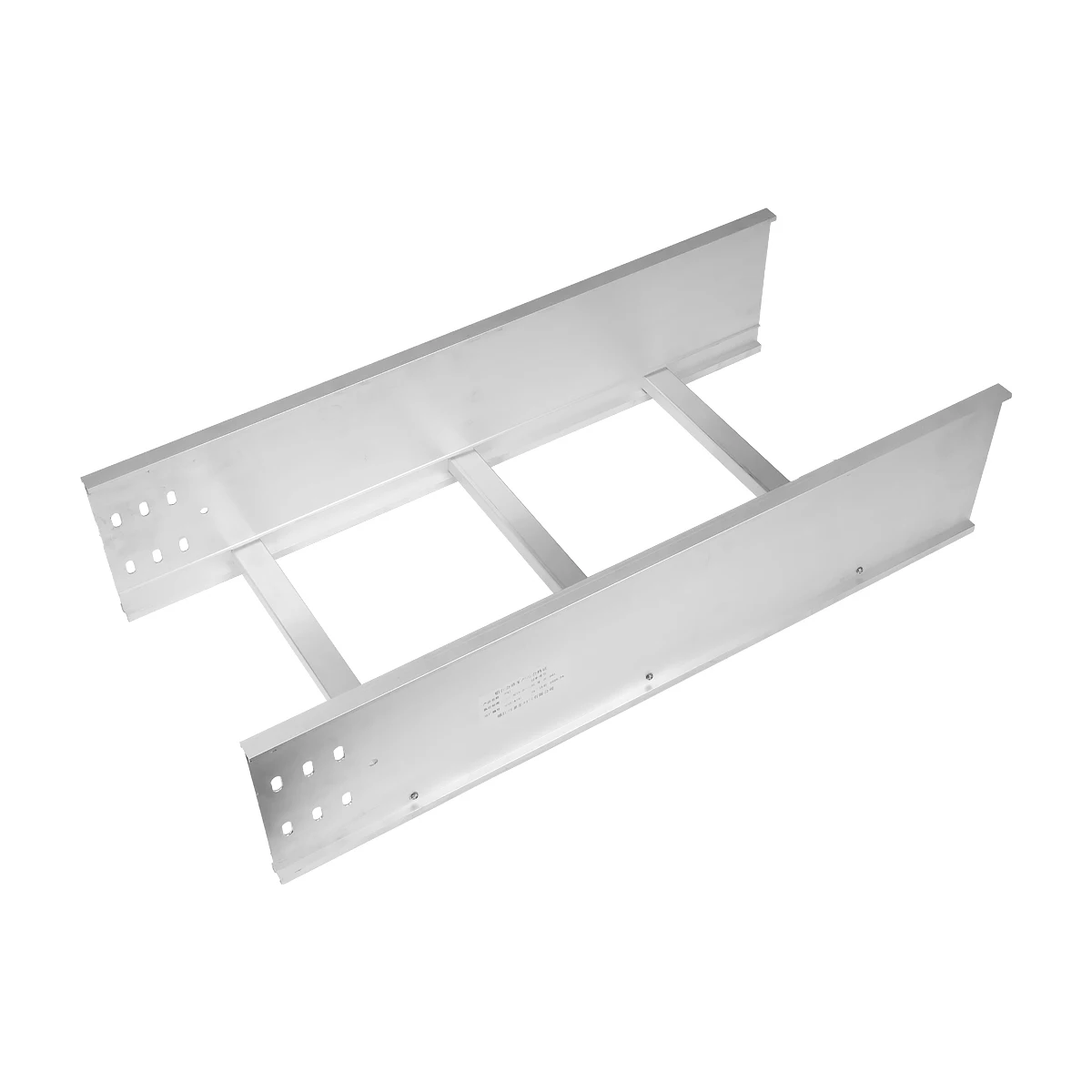
Understanding why top cable ladder manufacturers are pivoting toward sustainability requires looking beyond surface-level trends. This shift is driven by a convergence of regulatory pressure, client expectations, material science advancements, and long-term business strategy. For procurement managers, project engineers, and facility planners, recognizing these drivers is essential to making informed sourcing decisions that align with both operational goals and corporate responsibility commitments.
The Regulatory and Market Forces Reshaping Cable Ladder Production
Tightening Environmental Standards Across Key Markets
Governments and regulatory bodies across Europe, North America, and Asia-Pacific have introduced increasingly stringent environmental standards that directly affect how industrial components are manufactured and disposed of. For cable ladder producers, this means complying with directives related to hazardous substance restrictions, carbon emissions reporting, and end-of-life recyclability. Manufacturers who fail to adapt risk losing access to major markets and public sector contracts.
The cable ladder, as a structural component used extensively in commercial buildings, data centers, power plants, and industrial facilities, falls squarely within the scope of these regulations. Compliance is no longer optional — it is a baseline requirement for market participation. Leading manufacturers have recognized this early and have invested in reformulating coatings, switching to lower-emission production processes, and documenting material traceability across their supply chains.
This regulatory momentum is not slowing down. As green building certifications such as LEED and BREEAM become standard requirements for large construction projects, the cable ladder systems specified within those projects must meet corresponding sustainability benchmarks. Manufacturers who can provide verified environmental product declarations and third-party certifications hold a clear competitive advantage.
Client-Driven Demand for Sustainable Supply Chains
Beyond regulation, the demand for sustainable cable ladder solutions is being pulled from the market itself. Large-scale buyers — including data center operators, energy companies, and multinational contractors — have embedded sustainability criteria into their procurement frameworks. Supplier audits now routinely assess carbon footprint, waste management practices, and the use of recycled or responsibly sourced materials.
This client-driven pressure has a cascading effect. When a tier-one contractor commits to a net-zero construction target, every component supplier in that project — including the cable ladder manufacturer — must demonstrate alignment with that goal. Manufacturers who cannot provide credible sustainability documentation are increasingly disqualified from bidding, regardless of their pricing or delivery capabilities.
The result is a market dynamic where sustainability is not a differentiator but a qualifier. Leading cable ladder manufacturers have internalized this reality and are building sustainability into their core product development and sales processes rather than treating it as an afterthought or a marketing claim.
Material Innovation as the Foundation of Sustainable Cable Ladder Design
The Role of Stainless Steel and Recyclable Alloys
Material selection is one of the most impactful decisions in sustainable cable ladder manufacturing. Stainless steel has become a preferred material not only for its corrosion resistance and mechanical strength but also for its high recyclability. Unlike some coated or composite materials, stainless steel can be recovered and reprocessed at the end of a product's service life with minimal degradation in quality, making it a genuinely circular material choice.
Leading manufacturers are increasingly specifying high recycled-content stainless steel in their cable ladder production, sourcing from mills that use electric arc furnace technology — a process that consumes significantly less energy than traditional blast furnace steelmaking. This approach reduces the embodied carbon of each cable ladder unit without compromising structural performance or longevity.
The durability of stainless steel also contributes to sustainability in a less obvious but equally important way: longer service life means fewer replacements, less material consumption over time, and reduced installation labor. A cable ladder system that performs reliably for 30 or more years in a demanding environment represents a fundamentally more sustainable choice than one that requires replacement every decade.
Surface Treatment and Coating Advancements
For cable ladder products that use carbon steel as a base material, surface treatment is a critical sustainability variable. Traditional hot-dip galvanizing involves zinc and flux chemicals that carry environmental risks if not managed carefully. Progressive manufacturers are investing in closed-loop galvanizing systems that capture and recycle zinc waste, reduce water consumption, and minimize hazardous byproduct generation.
Powder coating technologies have also advanced considerably, with low-VOC and solvent-free formulations now available that meet both performance and environmental standards. These coatings provide excellent corrosion protection while eliminating the volatile organic compound emissions associated with traditional liquid paint systems. For indoor cable ladder applications in sensitive environments such as data centers and healthcare facilities, this matters both for air quality and for regulatory compliance.
The shift toward more sustainable surface treatments reflects a broader understanding among leading manufacturers that the environmental impact of a cable ladder extends well beyond the raw material stage. Every step in the production process — from cutting and forming to finishing and packaging — presents an opportunity to reduce waste, energy use, and chemical exposure.
Operational Efficiency and the Business Case for Sustainable Manufacturing
Energy Reduction in Production Facilities
Sustainability in cable ladder manufacturing is not purely about the product — it is equally about how that product is made. Leading manufacturers have invested heavily in modernizing their production facilities to reduce energy intensity. This includes upgrading to energy-efficient machinery, implementing heat recovery systems, and transitioning to renewable energy sources for factory operations.
These investments carry a dual benefit: they reduce the environmental footprint of each cable ladder produced, and they lower operating costs over time. In a competitive market where margins are under constant pressure, energy efficiency translates directly into pricing flexibility and long-term financial resilience. Manufacturers who have made these investments are better positioned to absorb energy price volatility without passing excessive costs to customers.
Waste reduction programs within production facilities also contribute meaningfully to sustainability outcomes. Precision cutting technologies, optimized nesting algorithms, and scrap metal recycling programs ensure that raw material utilization rates are maximized. For a high-volume cable ladder manufacturer, even marginal improvements in material yield can represent significant reductions in both cost and environmental impact at scale.
Lifecycle Thinking and Product Design for Disassembly
A growing number of leading cable ladder manufacturers are applying lifecycle thinking to their product design process. This means considering not just how a cable ladder performs during its service life, but how it can be efficiently disassembled, sorted, and recycled at the end of that life. Design choices such as minimizing the number of dissimilar materials, using mechanical fasteners instead of adhesives, and standardizing component dimensions all contribute to easier end-of-life processing.
This approach aligns with the principles of circular economy design, which is gaining traction across the construction and infrastructure sectors. For buyers who are managing large-scale facility upgrades or decommissioning projects, a cable ladder system that can be cleanly recovered and recycled reduces disposal costs and supports waste diversion targets.
Manufacturers who can articulate and document the end-of-life recyclability of their cable ladder products are providing genuine value to sustainability-conscious buyers. This is not a theoretical benefit — it has practical implications for waste management planning, green building certification scoring, and corporate sustainability reporting.
Sustainability as a Long-Term Competitive Strategy for Cable Ladder Manufacturers
Building Brand Credibility in a Values-Driven Market
For leading cable ladder manufacturers, sustainability is increasingly a brand-defining commitment rather than a compliance exercise. Companies that have built credible, transparent sustainability programs — backed by third-party audits, published environmental data, and continuous improvement targets — are earning stronger relationships with key accounts and gaining preference in competitive tender processes.
This credibility is hard to replicate quickly. It is built over years of consistent investment, honest reporting, and genuine operational change. Manufacturers who have started this journey early are accumulating a reputational advantage that compounds over time, making it progressively more difficult for late movers to close the gap simply by making sustainability claims without the substance to back them up.
In the cable ladder market, where product specifications can be closely matched across multiple suppliers, brand credibility and sustainability track record are becoming meaningful differentiators. Buyers who are accountable to their own stakeholders for supply chain sustainability are increasingly willing to pay a modest premium for a cable ladder supplier they can trust and verify.
Attracting Investment and Talent Through Sustainability Leadership
The business case for sustainability in cable ladder manufacturing extends beyond customer relationships. Institutional investors and private equity firms are applying ESG screening criteria to industrial manufacturers, and companies with strong sustainability profiles are accessing capital on more favorable terms. This financial dimension reinforces the strategic logic of sustainability investment for manufacturers with growth ambitions.
Talent acquisition is another underappreciated driver. Skilled engineers, production managers, and commercial professionals increasingly factor a company's environmental and social values into their employment decisions. Cable ladder manufacturers who can demonstrate genuine sustainability leadership are better positioned to attract and retain the talent needed to drive product innovation and operational excellence.
Taken together, these factors explain why sustainability has moved from the periphery to the center of strategic planning for leading cable ladder manufacturers. It is not a trend that will fade — it is a structural shift in how industrial markets operate, and the manufacturers who have embraced it most fully are the ones best positioned for long-term success.
FAQ
Why is sustainability becoming a priority for cable ladder manufacturers specifically?
The cable ladder is a widely specified component in large-scale construction and infrastructure projects, which means it falls directly within the scope of green building standards, procurement sustainability requirements, and environmental regulations. As these external pressures intensify, manufacturers who do not adapt risk losing access to major markets. At the same time, material and energy efficiency improvements create genuine cost benefits, making sustainability a sound business strategy as well as an environmental one.
How does material choice affect the sustainability of a cable ladder system?
Material choice is one of the most significant sustainability variables in cable ladder design. Stainless steel, for example, offers high recyclability and long service life, reducing the total material consumption over a facility's lifetime. The use of recycled-content steel and low-emission production processes further reduces embodied carbon. Surface treatments and coatings also matter — low-VOC and closed-loop finishing systems minimize chemical waste and emissions during manufacturing.
What should buyers look for when evaluating the sustainability credentials of a cable ladder supplier?
Buyers should look for third-party verified environmental product declarations, documented recycled material content, evidence of energy reduction programs in production facilities, and clear end-of-life recyclability data. Suppliers who publish sustainability reports and submit to independent audits provide a higher level of credibility than those who rely solely on marketing claims. Alignment with recognized standards such as ISO 14001 environmental management certification is also a useful indicator of genuine commitment.
Does choosing a sustainable cable ladder system affect installation or performance?
In most cases, sustainable cable ladder systems perform at least as well as conventional alternatives, and often better. High-quality stainless steel cable ladder products, for instance, offer superior corrosion resistance and longer service life compared to lower-grade alternatives, which reduces maintenance requirements and total cost of ownership. Sustainable manufacturing practices do not require compromising on load capacity, dimensional accuracy, or finish quality — leading manufacturers demonstrate that environmental responsibility and technical performance are fully compatible goals.
Table of Contents
- The Regulatory and Market Forces Reshaping Cable Ladder Production
- Material Innovation as the Foundation of Sustainable Cable Ladder Design
- Operational Efficiency and the Business Case for Sustainable Manufacturing
- Sustainability as a Long-Term Competitive Strategy for Cable Ladder Manufacturers
-
FAQ
- Why is sustainability becoming a priority for cable ladder manufacturers specifically?
- How does material choice affect the sustainability of a cable ladder system?
- What should buyers look for when evaluating the sustainability credentials of a cable ladder supplier?
- Does choosing a sustainable cable ladder system affect installation or performance?