
 EN
EN
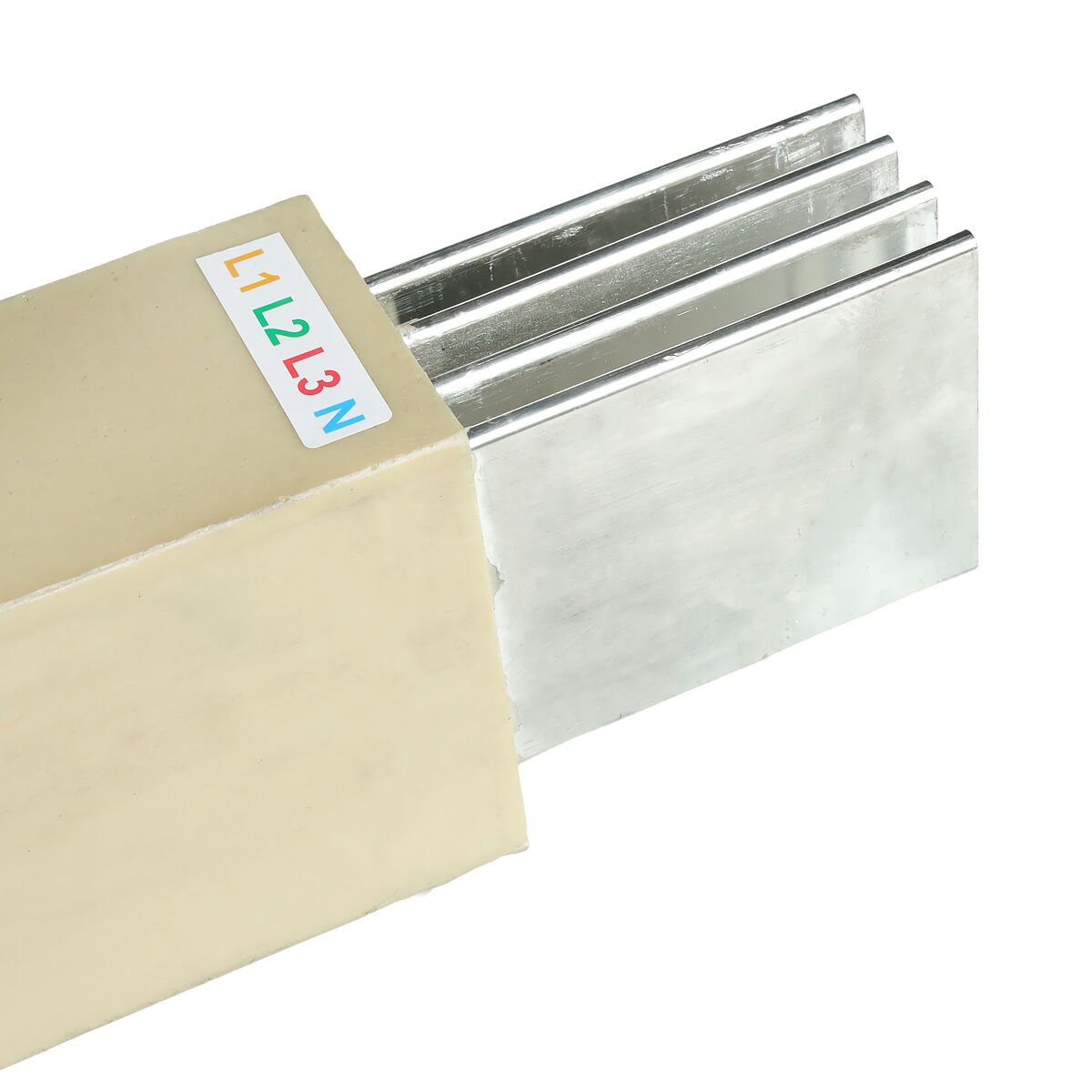
In industrial and commercial electrical installations, the structural integrity of a cable ladder directly affects the safety, longevity, and reliability of every cable system it supports. Whether deployed in data centers, power plants, petrochemical facilities, or large commercial buildings, a cable ladder must withstand mechanical loads, environmental stress, and decades of operational demand. Understanding how manufacturers engineer and verify that strength is essential knowledge for procurement engineers, facility managers, and electrical contractors who specify these systems.
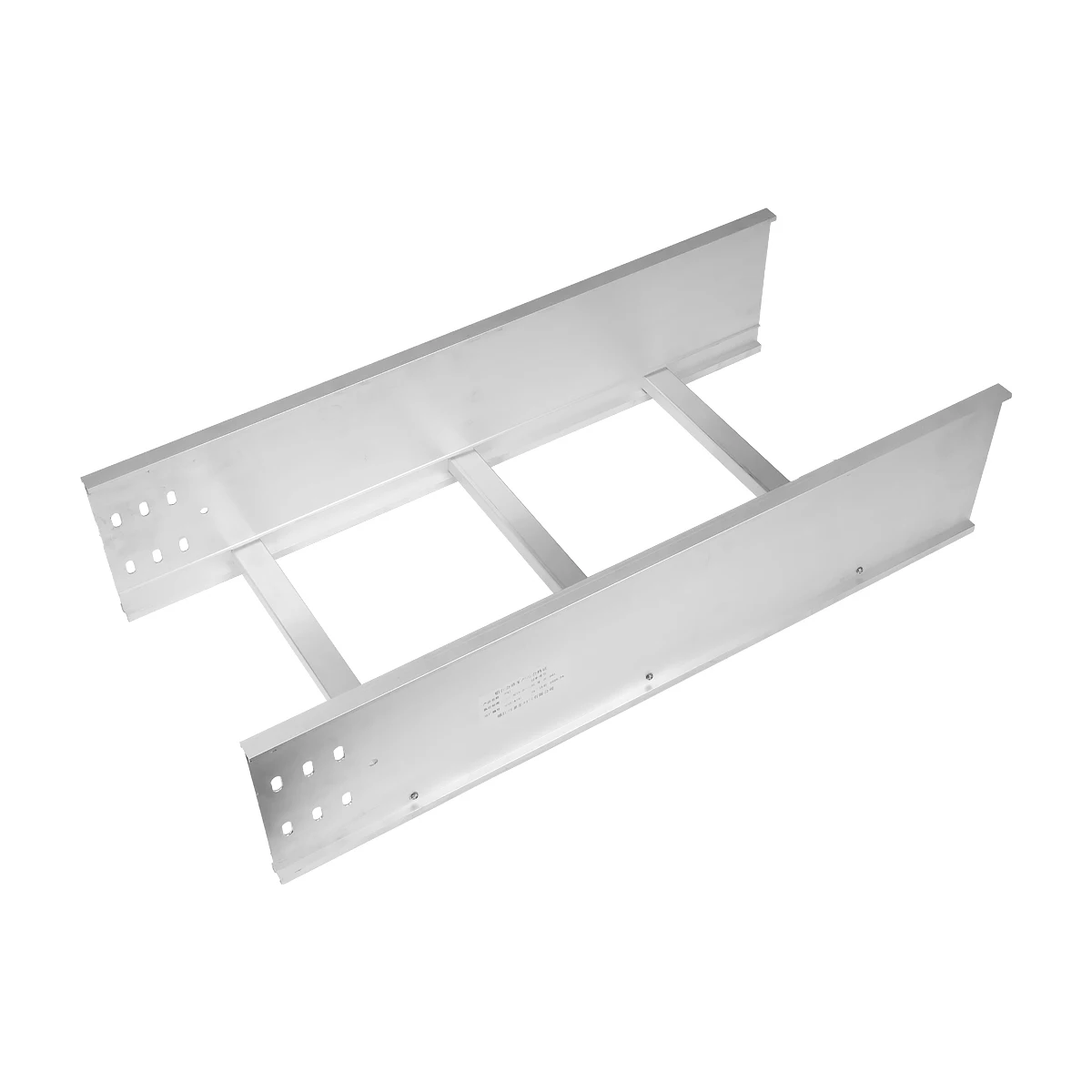
The process of producing a high-quality cable ladder is far more involved than simply bending and welding metal. Reputable manufacturers follow tightly controlled engineering workflows that span material selection, fabrication precision, surface treatment, and rigorous testing before a single unit reaches the market. This article explores those workflows in depth, providing B2B buyers and specifiers with the clarity they need to evaluate supplier claims and make informed decisions.
Material Selection as the Foundation of Cable Ladder Strength
The Role of Base Metal Grade
Every reliable cable ladder begins with the correct choice of base material. Manufacturers working to genuine quality standards carefully select steel or stainless steel grades that meet recognized international specifications such as ASTM, EN, or GB standards. The tensile strength, yield point, and ductility of the raw material set a ceiling on what the finished product can achieve, so sourcing verified mill-certified coils or sheets is a non-negotiable starting point.
For stainless steel variants, the choice between grade 304 and grade 316 is deliberate and application-driven. Grade 316 contains molybdenum, which provides superior resistance to chloride corrosion — a critical consideration in marine environments, food processing plants, and coastal data centers. Manufacturers who take quality seriously maintain separate raw material inventories for each grade and perform incoming inspection including spectroscopic verification to prevent mix-ups that could compromise the entire cable ladder assembly.
Hot-dip galvanized steel variants require equally careful base metal selection. The zinc coating process performs best on steel with controlled silicon and phosphorus content, and manufacturers who understand this chemistry specify the correct steel grade to ensure even, adherent zinc coverage that delivers the coating thickness demanded by standards such as ISO 1461.
Material Traceability and Incoming Quality Control
Credible cable ladder producers implement incoming material traceability systems that link every production batch to its original mill certificates. This means that if a structural concern arises in the field, the manufacturer can trace back to the exact coil or plate from which the rungs and side rails were formed. Traceability is not merely a compliance formality — it is an active quality instrument that disciplines the entire supply chain upstream of the factory.
Incoming quality control also includes dimensional verification of raw stock. Side rail blanks must arrive within specified thickness tolerances, because even a small deviation in gauge can meaningfully reduce the load-bearing capacity of the finished cable ladder. Well-organized manufacturers reject non-conforming material at the dock rather than discovering the problem after fabrication — a practice that separates serious producers from those who merely process whatever stock arrives.
Precision Fabrication Processes That Determine Structural Performance
Roll Forming and Press Brake Accuracy
The geometry of a cable ladder side rail — its channel profile, flange dimensions, and cross-sectional shape — determines how effectively it distributes bending loads along the span. Manufacturers achieve this geometry through roll forming or press brake operations, and the precision of these processes is directly tied to the final load rating. Well-calibrated tooling produces consistent cross-sections from the first piece to the ten-thousandth, while worn or poorly set tooling introduces dimensional variation that silently degrades structural performance.
Leading manufacturers invest in automated roll forming lines with real-time dimensional feedback, allowing operators to detect and correct drift before it propagates through a production run. The cable ladder side rail must emerge from the forming process with straight edges, consistent flange angles, and no surface cracks or orange-peel texture that would indicate work-hardening problems or material incompatibility with the forming speed.
Rung Attachment and Welding Quality
The connection between the rung and the side rail is the most mechanically critical joint in any cable ladder. Rungs that are simply plug-welded to the outside face of a side rail deliver substantially lower load transfer than rungs that are fully penetrated or clinched through slotted openings. Manufacturers who engineer this joint carefully specify the weld procedure, filler material, preheat requirements, and post-weld inspection criteria in their production control documents.
Automated welding cells improve consistency compared to manual operations, but they do not eliminate the need for operator monitoring and periodic destructive testing of sample joints. Responsible manufacturers conduct weld break tests — pulling sample rungs from production ladder sections to confirm that fracture occurs in the parent metal rather than at the weld toe, confirming that joint strength meets or exceeds the base material strength. This weld quality discipline is what separates a structurally rated cable ladder from an assembly that merely looks similar.
For cold-formed and punched rung attachment systems, manufacturers verify clinch force settings regularly and inspect the formed connection for complete material interlock. These mechanical connections, when correctly engineered, offer excellent consistency and eliminate the risk of heat-affected zone degradation that welding can sometimes introduce in thinner gauges.
Surface Treatment Standards and Their Impact on Long-Term Quality
Hot-Dip Galvanizing Process Control
A cable ladder installed outdoors or in a corrosive industrial atmosphere depends on its surface treatment for service life that spans decades. Hot-dip galvanizing, when executed correctly, provides a metallurgically bonded zinc layer that sacrificially protects the steel underneath even when the surface is scratched during installation. Manufacturers who control this process rigorously verify zinc bath temperature, dross management, flux chemistry, and withdrawal speed to achieve a coating that meets the thickness minimums required by ISO 1461 or ASTM A123.
Thin or uneven galvanizing is often invisible to casual inspection but dramatically shortens the service life of the cable ladder in outdoor or humid environments. Responsible manufacturers use calibrated magnetic thickness gauges to test the coating across multiple points on each batch, documenting results against specification limits. This documentation is available to buyers upon request, providing tangible evidence of process control rather than verbal assurance.
Stainless Steel Passivation and Surface Finish
For stainless steel cable ladder products, the passive oxide layer that forms on the surface is the primary corrosion barrier. Manufacturing operations — cutting, grinding, welding — can disrupt this layer and introduce iron contamination from tools or fixturing that accelerates localized corrosion. Manufacturers who understand this risk implement strict tool segregation, dedicated stainless steel work areas, and post-fabrication passivation treatments using citric or nitric acid baths to restore the passive layer fully before the product leaves the factory.
Surface finish specification matters not only for aesthetics but for hygiene and corrosion performance. A 2B mill finish, a brushed No. 4 finish, or an electropolished surface each behave differently in aggressive environments. Manufacturers specify and verify the finish on finished cable ladder assemblies against agreed surface roughness parameters, ensuring that the buyer receives the performance characteristic they specified rather than a visually similar but functionally different surface condition.
Load Testing and Third-Party Certification
In-House Load Testing Protocols
The load rating printed on a cable ladder datasheet is only credible when it is backed by physical test evidence. Leading manufacturers maintain in-house testing rigs capable of applying uniformly distributed loads across ladder spans representative of real installation conditions. These tests are conducted at multiple span lengths — typically 1 meter, 1.5 meters, and 3 meters — to map how deflection and ultimate load capacity vary with installation geometry.
Test results are documented with calibrated load cells, dial gauges or LVDT sensors, and photographs at each load increment. The allowable working load is typically set at a fraction of the measured ultimate load, incorporating a safety factor that accounts for installation tolerances, dynamic effects from cable pulling operations, and the uncertainty inherent in real-world conditions. A cable ladder manufacturer who publishes load tables derived from genuine test data can provide buyers with the confidence to specify spans and support intervals accurately.
Third-Party Certification and Standards Compliance
Independent certification by recognized testing bodies provides a level of assurance that internal manufacturer claims alone cannot match. A quality-conscious cable ladder manufacturer seeks certification or test reports from laboratories accredited under ISO 17025, with test procedures aligned to standards such as IEC 61537 — the primary international standard governing cable management systems including ladder types. Compliance with IEC 61537 requires demonstration of load-bearing performance, dimensional accuracy, material verification, and coating quality across a defined product range.
Manufacturers also pursue CE marking where products are destined for European markets, and UL listings for North American projects. Each of these marks requires documented factory audits, production control procedures, and periodic surveillance testing by the certification body. For buyers, specifying certified products shifts a meaningful portion of technical risk to a documented supply chain rather than relying entirely on supplier self-declaration.
Quality Management Systems and Continuous Improvement
ISO 9001 Implementation in Cable Ladder Production
ISO 9001 certification does not guarantee product quality by itself, but it establishes the management discipline that makes consistent quality achievable over time. A cable ladder manufacturer operating under a genuine ISO 9001 quality management system maintains documented procedures for every process step, conducts internal audits to verify adherence, and responds to non-conformances with root cause analysis rather than symptom correction. This systematic approach prevents the gradual erosion of standards that often occurs in facilities operating without formal quality systems.
For buyers evaluating suppliers, asking for the ISO 9001 certificate is only the beginning. More revealing questions concern the frequency of internal audits, the number of non-conformances raised and closed in recent cycles, and the corrective action procedures for field complaints. Manufacturers with mature quality systems answer these questions fluently because quality management is operationally embedded rather than performed only during external audits.
Process Improvement and Field Feedback Integration
The most capable cable ladder manufacturers treat field installation feedback as a valuable quality input. Reports of rung deflection under normal loading, coating failures ahead of expected service life, or dimensional inconsistencies that complicate fitting are channeled back into engineering review processes. This closed-loop approach allows manufacturers to refine forming tooling, adjust coating procedures, or update drawing tolerances based on real-world performance data rather than theoretical assumptions.
Continuous improvement programs also benchmark production yields — tracking the percentage of cable ladder assemblies that pass final inspection on first attempt. Rising first-pass yield is a quantitative indicator that fabrication and surface treatment processes are becoming more stable over time, which directly translates into product consistency for buyers who depend on large-volume orders conforming to tight specifications across multiple delivery batches.
FAQ
What standards should a cable ladder comply with to confirm structural quality?
The most widely recognized international standard for cable ladder structural performance is IEC 61537, which specifies load-bearing test methods, deflection limits, and material verification requirements. Regional standards such as EN 61537 in Europe and equivalent national derivatives also apply. For surface coating quality, ISO 1461 governs hot-dip galvanizing and ASTM A123 applies in North American contexts. Specifying compliance with these standards in purchase documents gives buyers a clear benchmark against which to evaluate cable ladder quality.
How can buyers verify that a cable ladder manufacturer's load ratings are accurate?
Buyers should request actual test reports, not just published datasheets, and verify that the reports come from accredited testing laboratories or carry third-party certification marks such as CE or UL. The test report should specify the span length, load distribution method, deflection measurement, and safety factor applied to derive the published working load. Discrepancies between test conditions and real installation parameters should be discussed with the manufacturer before finalizing specifications for a cable ladder system.
Why does stainless steel grade matter when specifying a cable ladder for data centers?
Data centers, particularly those in coastal locations or climates with high humidity and airborne contaminants, require corrosion performance that standard carbon steel or even grade 304 stainless may not reliably deliver. Grade 316 stainless steel contains molybdenum which significantly improves resistance to pitting corrosion caused by chloride ions. Specifying the correct stainless steel grade for a cable ladder in these environments prevents premature corrosion that could compromise the structural integrity of the tray system and damage the cables it supports.
What should procurement teams look for when auditing a cable ladder supplier's quality processes?
Key indicators of genuine quality process maturity include: documented incoming material inspection procedures with mill certificate traceability, calibration records for all measurement and test equipment, weld procedure qualifications with supporting destructive test records, coating thickness inspection reports from recent production batches, ISO 9001 certification from an accredited certification body, and evidence of corrective action responses to past non-conformances. A cable ladder supplier who can present these documents promptly and coherently demonstrates an operational quality culture rather than a compliance facade.
Table of Contents
- Material Selection as the Foundation of Cable Ladder Strength
- Precision Fabrication Processes That Determine Structural Performance
- Surface Treatment Standards and Their Impact on Long-Term Quality
- Load Testing and Third-Party Certification
- Quality Management Systems and Continuous Improvement
-
FAQ
- What standards should a cable ladder comply with to confirm structural quality?
- How can buyers verify that a cable ladder manufacturer's load ratings are accurate?
- Why does stainless steel grade matter when specifying a cable ladder for data centers?
- What should procurement teams look for when auditing a cable ladder supplier's quality processes?