
 EN
EN
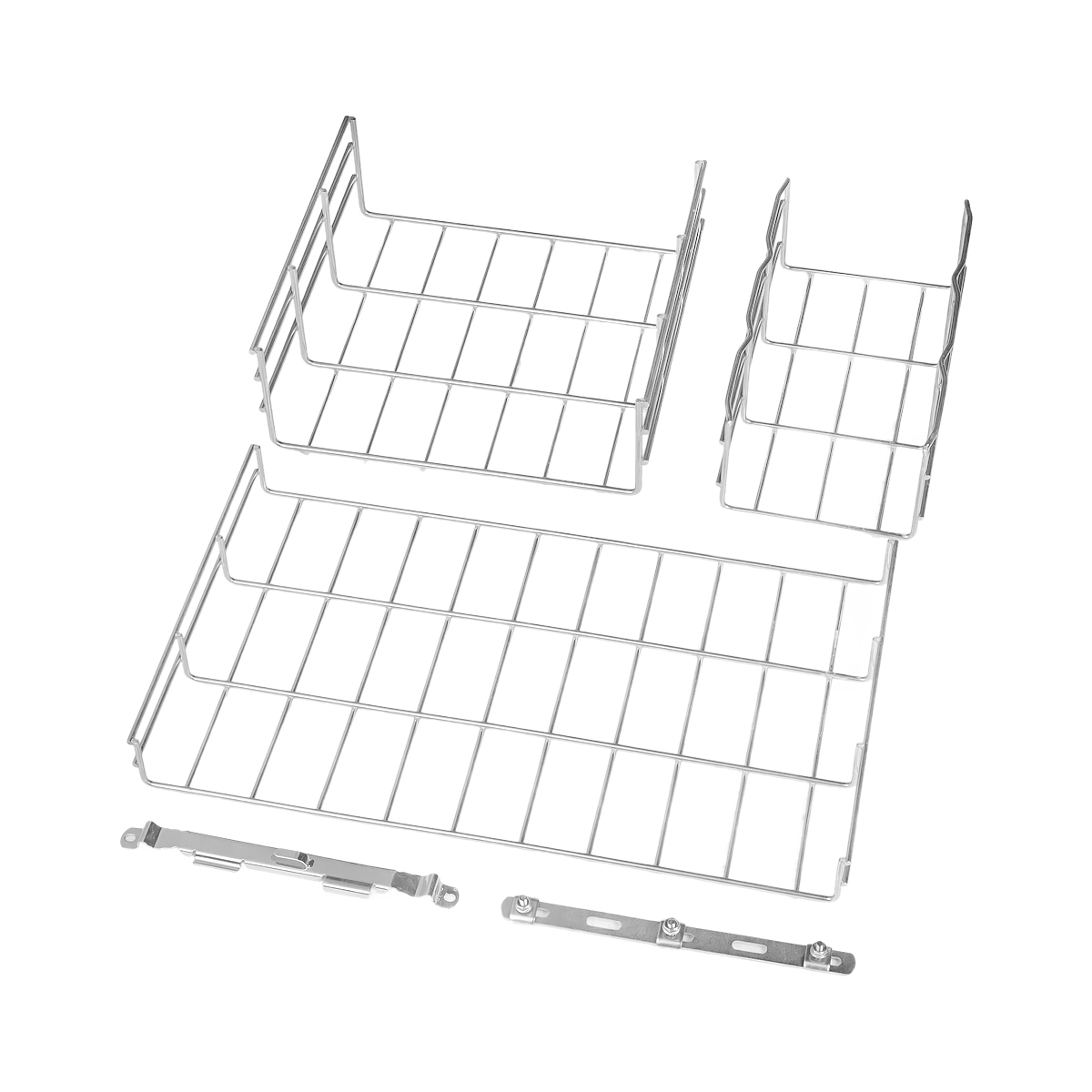
The durability of metal cable trays is not a fixed outcome — it is shaped directly by the materials used in their construction. Whether a facility operates in a corrosive chemical environment, a high-humidity coastal zone, or a standard indoor setting, the choice of base material determines how long metal cable trays will perform without structural degradation. Making the right material decision at the specification stage is one of the most consequential steps in any cable management project.
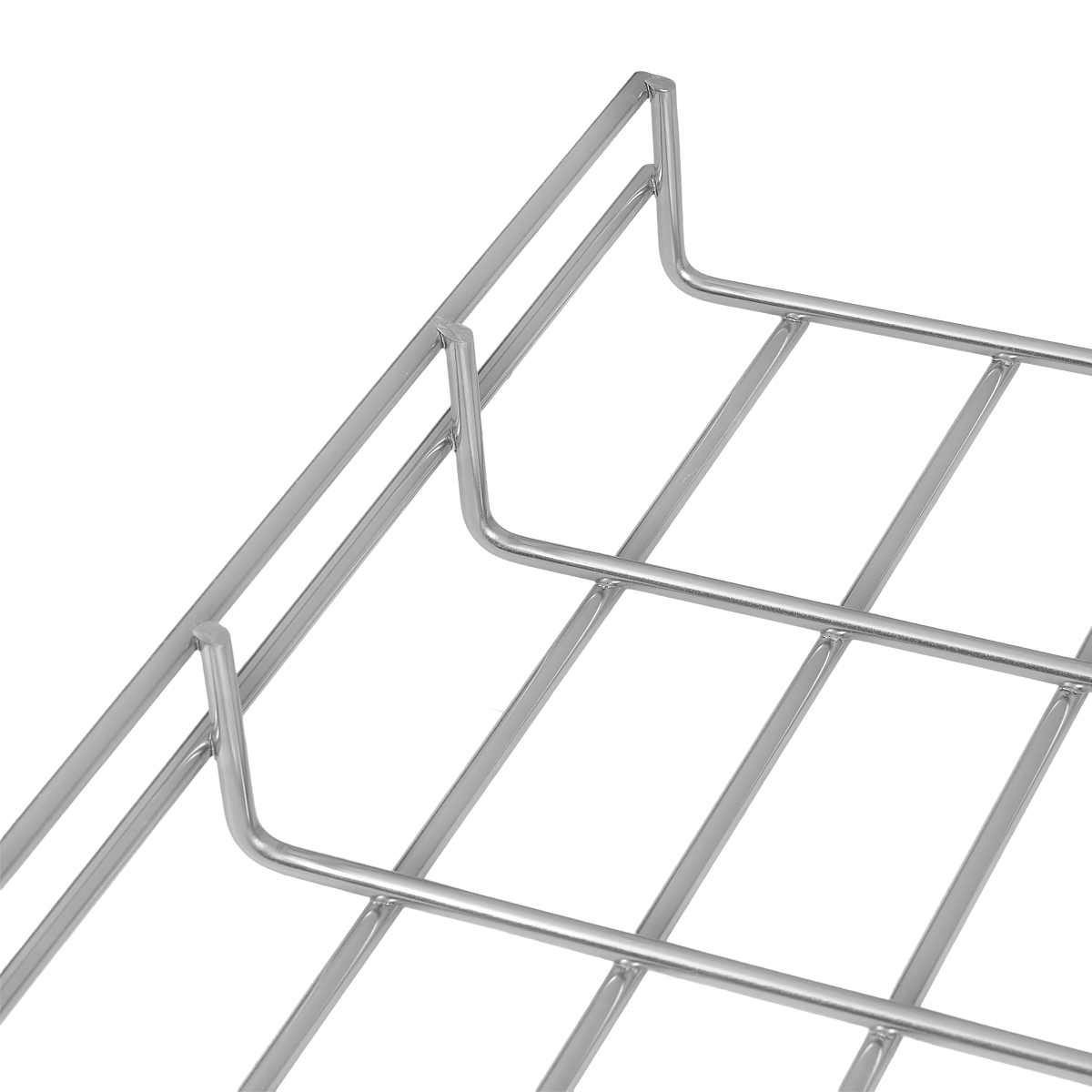
When engineers and procurement teams evaluate metal cable trays, they often focus on load capacity or tray dimensions. However, the material composition of metal cable trays is the foundational variable that governs resistance to corrosion, mechanical wear, thermal stress, and long-term structural integrity. Understanding how specific materials behave under real operating conditions allows buyers to select metal cable trays that deliver reliable performance across the intended service life of the installation.
Core Material Options for Metal Cable Trays
Stainless Steel Metal Cable Trays
Stainless steel is widely regarded as one of the highest-durability choices for metal cable trays in demanding industrial environments. Metal cable trays manufactured from stainless steel benefit from a naturally occurring chromium oxide layer that protects the surface against oxidation and chemical attack. This passive layer regenerates when damaged, which means stainless steel metal cable trays maintain their corrosion resistance even in environments with exposure to moisture, acids, or cleaning agents. Facilities such as food processing plants, pharmaceutical manufacturing sites, and marine installations consistently specify stainless steel metal cable trays because of this self-repairing protective property.
The mechanical strength of stainless steel also contributes to the durability of metal cable trays in high-load or high-temperature situations. Metal cable trays made from stainless steel retain their structural form under thermal cycling, which reduces the risk of deformation over time. While stainless steel metal cable trays carry a higher material cost compared to other options, the extended service life and reduced maintenance requirement make them a cost-effective choice when total lifecycle cost is considered.
Aluminum Alloy Metal Cable Trays
Aluminum alloy is another primary material used in the production of metal cable trays, particularly where weight reduction is a priority without sacrificing corrosion resistance. Metal cable trays produced from aluminum alloy naturally form a thin aluminum oxide film on the surface, which acts as a barrier against further oxidation. This characteristic makes aluminum metal cable trays suitable for outdoor installations, coastal environments, and applications where exposure to humidity is ongoing. Compared to uncoated carbon steel, aluminum metal cable trays offer a significant durability advantage in wet or mildly corrosive conditions.
The lighter weight of aluminum metal cable trays also reduces structural support requirements, which can lower installation costs and allow more flexible routing. However, aluminum metal cable trays may be less suitable in environments with strong alkaline chemicals or where extremely high mechanical loads are expected, since aluminum alloy has lower tensile strength than stainless steel. Matching the aluminum alloy grade to the specific site condition is essential for maximizing the durability of metal cable trays in these applications.
How Surface Treatment Extends the Life of Metal Cable Trays
Hot-Dip Galvanizing and Powder Coating
Beyond base material, surface treatment plays a major role in determining the durability of metal cable trays in field conditions. Hot-dip galvanized metal cable trays receive a thick zinc coating applied through immersion in molten zinc, which provides robust sacrificial protection against rust. When the zinc layer on metal cable trays is scratched or chipped, the surrounding zinc continues to protect the exposed steel through galvanic action. This makes hot-dip galvanized metal cable trays particularly well suited for outdoor installations, underground use, and general industrial environments where physical abrasion is common.
Powder-coated metal cable trays offer an additional layer of protection through a hard, electrostatically applied finish that resists chipping, UV degradation, and mild chemical exposure. Metal cable trays with powder coating are often used in indoor commercial environments where aesthetic considerations matter alongside functional durability. The choice of surface treatment should always reflect the severity of the environment where the metal cable trays will be installed, since the wrong coating can accelerate rather than delay deterioration.
Electroplating and Passivation Treatments
Electroplating is another surface option that enhances the corrosion resistance of metal cable trays in moderate exposure conditions. Passivation treatments, applied primarily to stainless steel metal cable trays, remove free iron from the surface and strengthen the natural oxide layer, further improving resistance to staining and pitting. These treatments extend the reliable service life of metal cable trays without adding significant weight or changing the dimensional profile of the tray system.
Matching Material to Environment for Optimal Durability
Environmental Classification and Material Fit
The durability of metal cable trays is ultimately a function of how well the chosen material matches the actual service environment. In highly corrosive chemical plants or offshore platforms, stainless steel metal cable trays provide the most reliable long-term performance. In standard industrial buildings with controlled humidity, hot-dip galvanized metal cable trays offer a strong balance of durability and cost. Aluminum metal cable trays perform exceptionally well in outdoor architectural applications and transportation infrastructure where weight savings are critical and corrosive exposure is moderate.
Specifying the wrong material for the environment will shorten the functional life of metal cable trays regardless of how well they are installed or maintained. A systematic evaluation of temperature range, chemical exposure, humidity levels, and mechanical load requirements is the correct starting point for any project involving metal cable trays. metal cable trays engineered from the right material for the operating environment consistently outperform mismatched selections by a wide margin in service life and reliability.
Long-Term Cost Implications of Material Choice
Choosing durable materials for metal cable trays reduces the frequency of replacement cycles and lowers maintenance labor costs over the life of an installation. Metal cable trays that resist corrosion and mechanical degradation keep cable systems protected for longer, minimizing the risk of unplanned downtime caused by tray failure. When total cost of ownership is calculated across ten or twenty years of operation, investing in higher-grade metal cable trays at the outset typically delivers measurable financial returns compared to repeated replacement of lower-grade systems.
FAQ
Which material gives metal cable trays the best corrosion resistance?
Stainless steel provides the highest level of corrosion resistance for metal cable trays, especially in chemical, marine, and high-humidity environments. Aluminum alloy metal cable trays also offer strong corrosion resistance through natural oxide film formation, making them a practical choice for outdoor and coastal installations.
Can metal cable trays be used outdoors without special treatment?
Metal cable trays can be used outdoors, but the material and surface treatment must match the outdoor exposure conditions. Hot-dip galvanized metal cable trays and aluminum metal cable trays are both commonly used in outdoor applications, while untreated carbon steel metal cable trays would deteriorate quickly without protective coating.
How does material selection affect the maintenance schedule for metal cable trays?
Higher-grade materials such as stainless steel or properly coated metal cable trays require less frequent inspection and maintenance compared to lower-grade options. When metal cable trays are matched correctly to the environment, surface degradation is minimal, which extends inspection intervals and reduces the overall cost of maintaining the cable management system.