
 EN
EN
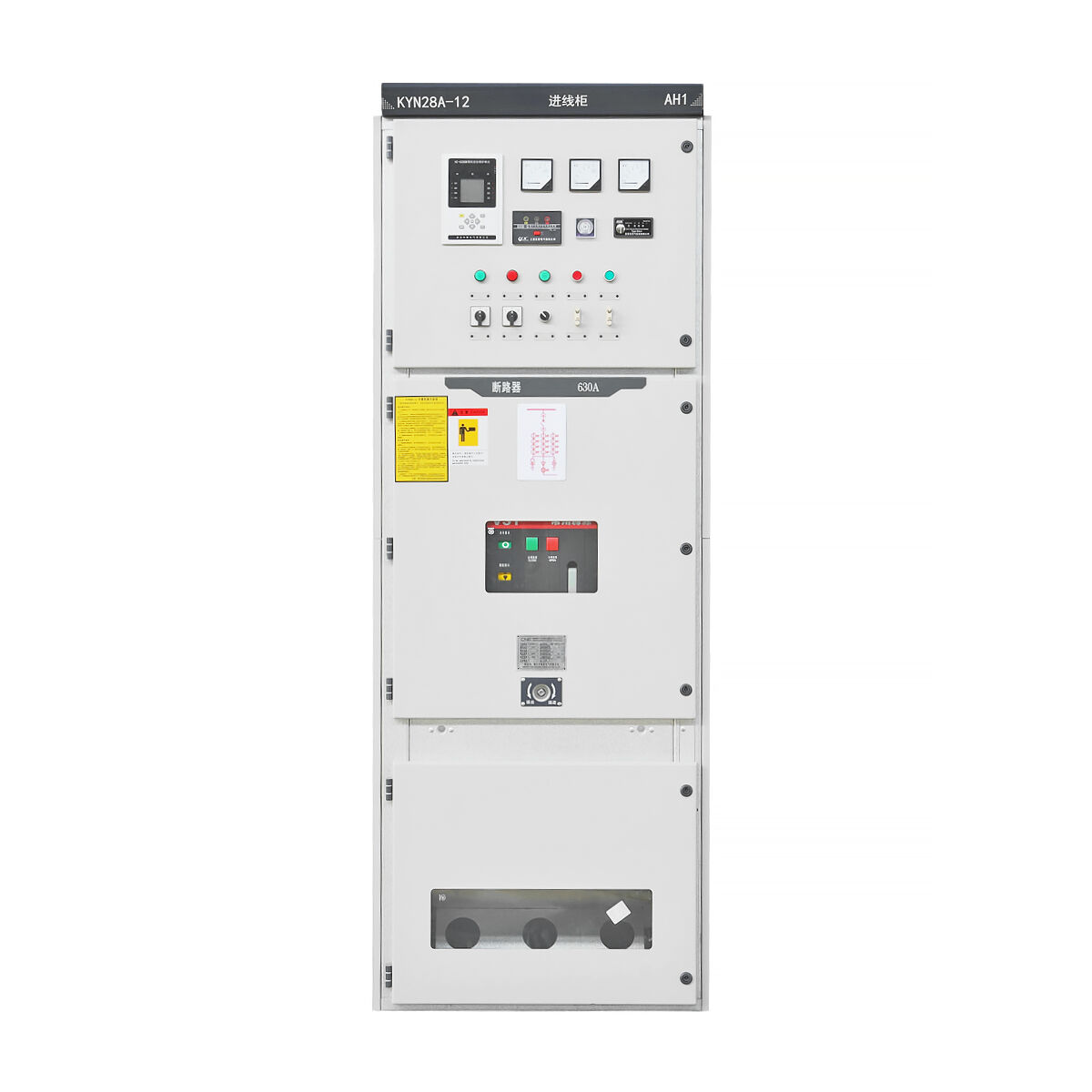
Industrial power management has evolved dramatically over the past decade, with modern facilities requiring increasingly sophisticated electrical control systems to maintain operational efficiency and safety standards. The complexity of contemporary industrial operations demands robust electrical infrastructure that can handle varying loads, protect against faults, and provide seamless power distribution across multiple systems and processes.
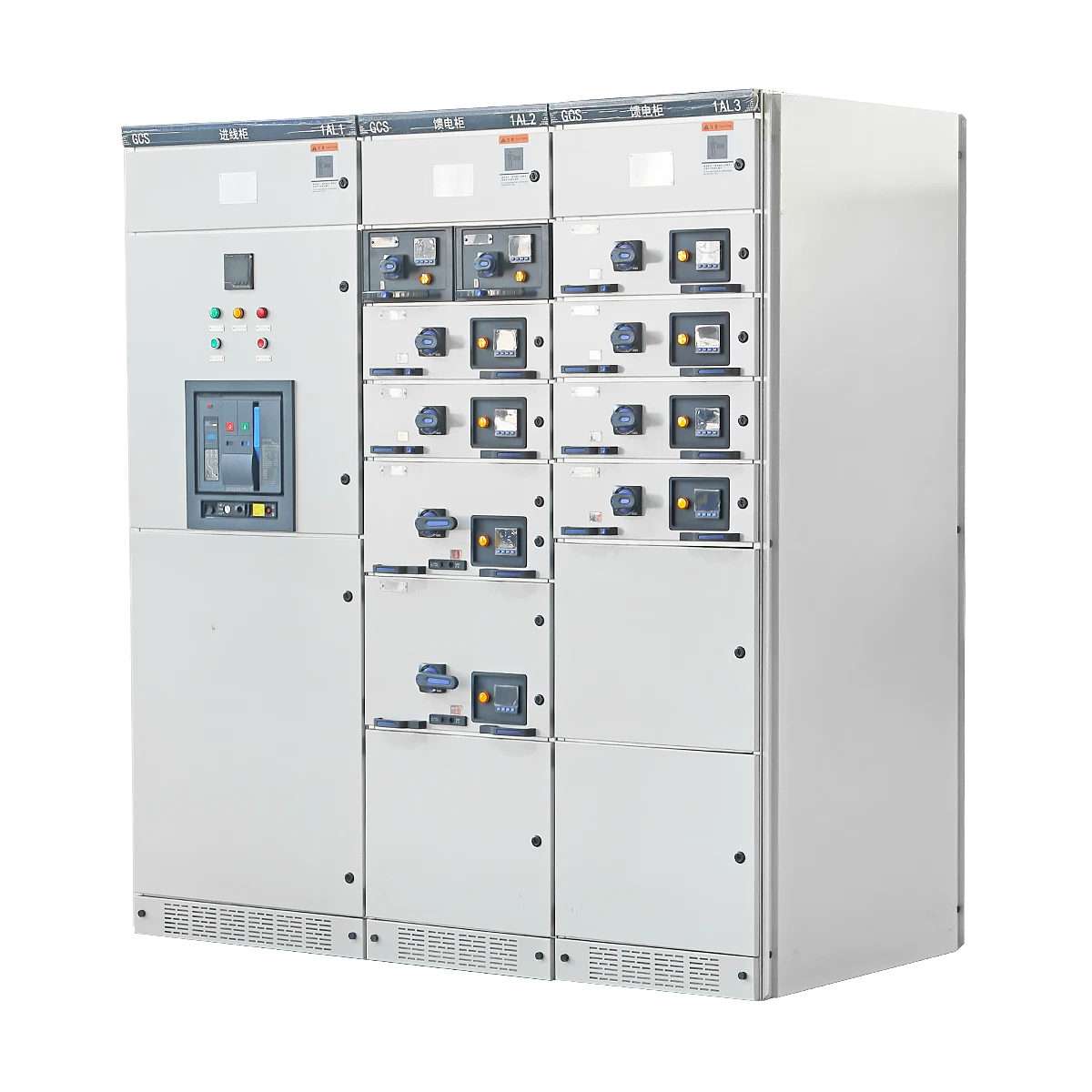
Modern switchgear represents the cornerstone of effective industrial power management, serving as the critical interface between incoming power sources and distribution networks. This sophisticated electrical equipment enables precise control, protection, and monitoring of electrical circuits while ensuring optimal power quality and system reliability. Understanding why switchgear has become indispensable in industrial settings requires examining its multifaceted role in addressing contemporary power management challenges.
Enhanced Safety and Protection Capabilities
Advanced Fault Detection and Isolation
Modern switchgear incorporates sophisticated protection mechanisms that can detect electrical faults within milliseconds and isolate affected circuits before damage occurs. These systems utilize advanced relay technology and digital protection schemes to identify overcurrent conditions, ground faults, and arc flash incidents. The rapid response capabilities of contemporary switchgear significantly reduce the risk of equipment damage and personnel injury, making it an essential safety component in industrial environments.
The integration of intelligent protection algorithms allows switchgear systems to differentiate between temporary disturbances and genuine faults, preventing unnecessary shutdowns while maintaining protective functionality. This selective coordination ensures that only the affected circuit is isolated, allowing other parts of the electrical system to continue operating normally. Such precision in fault management is crucial for maintaining production continuity in industrial facilities.
Arc Flash Mitigation Technology
Arc flash incidents pose one of the most serious hazards in industrial electrical systems, and modern switchgear addresses this challenge through innovative design features and protective technologies. Advanced switchgear incorporates arc-resistant construction that directs explosive energy away from personnel and sensitive equipment. These systems feature reinforced enclosures, pressure relief vents, and specialized materials that can withstand the extreme conditions generated during arc flash events.
The implementation of arc flash detection systems within modern switchgear enables rapid circuit interruption when dangerous conditions are detected. These systems can respond faster than traditional overcurrent protection, significantly reducing the energy released during arc flash incidents. The combination of arc-resistant design and rapid detection capabilities makes contemporary switchgear essential for maintaining workplace safety in high-energy electrical environments.
Operational Efficiency and System Optimization
Intelligent Power Distribution Management
Modern switchgear systems incorporate sophisticated control technologies that optimize power distribution based on real-time demand and operational requirements. These intelligent systems can automatically adjust power flow, manage load transfers, and coordinate with renewable energy sources to maximize efficiency. The ability to dynamically manage power distribution helps industrial facilities reduce energy costs while maintaining optimal performance across all operational areas.
Advanced switchgear enables precise load management through integrated monitoring and control systems that track power consumption patterns and identify opportunities for optimization. This capability is particularly valuable in facilities with variable production schedules or seasonal demand fluctuations. By providing detailed insights into power usage patterns, switchgear systems enable facility managers to make informed decisions about energy management and operational planning.
Predictive Maintenance and Reliability Enhancement
Contemporary switchgear incorporates advanced diagnostic capabilities that continuously monitor system health and predict potential maintenance requirements. These systems track critical parameters such as contact resistance, insulation integrity, and thermal conditions to identify developing issues before they result in failures. Predictive maintenance capabilities help facilities avoid unplanned downtime while optimizing maintenance schedules and resource allocation.
The integration of condition monitoring technologies within modern switchgear provides valuable data for reliability analysis and performance optimization. These systems can track historical performance trends, identify patterns that precede failures, and recommend proactive maintenance actions. This predictive approach to maintenance management significantly improves system reliability while reducing overall maintenance costs and operational disruptions.
Compliance and Regulatory Requirements
Industry Standards and Safety Regulations
Industrial facilities must comply with stringent electrical safety standards and regulatory requirements that mandate the use of modern switchgear technologies. Standards such as IEEE, NEMA, and IEC specifications require specific protection capabilities, safety features, and performance characteristics that can only be achieved through contemporary switchgear designs. Compliance with these standards is essential for maintaining operating permits and ensuring worker safety.
Modern switchgear is designed to meet or exceed current industry standards while incorporating features that anticipate future regulatory developments. This forward-looking approach ensures that facilities remain compliant as standards evolve and new safety requirements are implemented. The ability to adapt to changing regulatory landscapes makes modern switchgear a crucial investment for long-term operational viability.
Environmental and Sustainability Considerations
Contemporary environmental regulations increasingly focus on energy efficiency and emissions reduction, making modern switchgear essential for compliance with sustainability mandates. Advanced switchgear systems enable facilities to optimize energy usage, integrate renewable energy sources, and reduce their environmental footprint. These capabilities are becoming mandatory in many jurisdictions and industry sectors.
The implementation of modern switchgear supports environmental compliance through improved energy efficiency, reduced losses, and enhanced system monitoring capabilities. These systems can track and report energy consumption data required for regulatory compliance and sustainability reporting. The ability to demonstrate environmental responsibility through advanced electrical infrastructure is increasingly important for industrial operations.
Technological Integration and Future Readiness
Digital Communication and System Integration
Modern switchgear incorporates advanced digital communication protocols that enable seamless integration with plant automation systems, energy management platforms, and enterprise resource planning software. This connectivity allows for centralized monitoring and control of electrical systems while providing real-time data for operational decision-making. The ability to integrate switchgear systems with broader facility management platforms is essential for optimizing overall operational efficiency.
The digital capabilities of contemporary switchgear enable remote monitoring and control, allowing facility managers to oversee electrical systems from centralized control rooms or even off-site locations. This remote accessibility improves response times to system issues while reducing the need for personnel to work in potentially hazardous electrical environments. The integration of digital technologies makes modern switchgear indispensable for efficient facility management.
Scalability and Adaptability
Industrial facilities must adapt to changing production requirements, process modifications, and capacity expansions throughout their operational lifecycle. Modern switchgear is designed with modular architectures that facilitate system modifications and expansions without requiring complete infrastructure replacement. This flexibility is crucial for maintaining operational continuity during facility upgrades and modifications.
The scalable design of contemporary switchgear systems allows facilities to accommodate future growth and technological developments without major infrastructure investments. This adaptability ensures that electrical systems can evolve with changing operational requirements while maintaining reliable power distribution. The ability to modify and expand switchgear systems makes them essential for facilities that anticipate future growth or process changes.
Economic Impact and Return on Investment
Cost Reduction Through Improved Efficiency
Modern switchgear delivers significant cost reductions through improved energy efficiency, reduced maintenance requirements, and minimized downtime. The advanced protection and monitoring capabilities of contemporary systems prevent costly equipment failures while optimizing power usage to reduce energy expenses. These efficiency improvements typically result in substantial cost savings that justify the investment in modern switchgear technology.
The economic benefits of modern switchgear extend beyond direct cost savings to include improved productivity, enhanced equipment longevity, and reduced insurance premiums. Facilities with advanced electrical protection systems often qualify for reduced insurance rates due to lower risk profiles. The comprehensive economic benefits make modern switchgear a financially sound investment for industrial operations.
Risk Mitigation and Business Continuity
The implementation of modern switchgear significantly reduces business risks associated with electrical failures, safety incidents, and regulatory non-compliance. These systems provide robust protection against electrical faults that could result in costly production interruptions or equipment damage. The risk mitigation capabilities of advanced switchgear are essential for maintaining business continuity in competitive industrial markets.
Modern switchgear systems enable rapid recovery from electrical disturbances through automatic transfer capabilities and system reconfiguration features. This resilience minimizes the impact of power quality issues and system faults on production operations. The ability to maintain operational continuity despite electrical challenges makes modern switchgear crucial for competitive industrial operations.
FAQ
What makes modern switchgear different from traditional electrical panels?
Modern switchgear incorporates advanced digital protection, intelligent monitoring systems, and sophisticated safety features that far exceed the capabilities of traditional electrical panels. These systems provide predictive maintenance capabilities, arc flash protection, and seamless integration with facility management systems, making them essential for contemporary industrial power management requirements.
How does modern switchgear improve workplace safety in industrial environments?
Modern switchgear enhances workplace safety through arc-resistant construction, rapid fault detection, and intelligent protection schemes that prevent electrical incidents before they can cause harm. These systems incorporate advanced safety features such as pressure relief mechanisms, reinforced enclosures, and remote monitoring capabilities that minimize personnel exposure to electrical hazards.
Can existing industrial facilities upgrade to modern switchgear systems?
Yes, existing industrial facilities can upgrade to modern switchgear through phased replacement programs or retrofit solutions that integrate new technology with existing infrastructure. The modular design of contemporary switchgear systems facilitates upgrades without requiring complete facility shutdowns, making modernization practical and cost-effective for most industrial operations.
What role does switchgear play in energy efficiency and sustainability initiatives?
Modern switchgear plays a crucial role in energy efficiency by providing precise power monitoring, optimizing distribution networks, and enabling integration with renewable energy sources. These systems help facilities reduce energy consumption, minimize losses, and track sustainability metrics required for environmental compliance and corporate responsibility reporting.
Table of Contents
- Enhanced Safety and Protection Capabilities
- Operational Efficiency and System Optimization
- Compliance and Regulatory Requirements
- Technological Integration and Future Readiness
- Economic Impact and Return on Investment
-
FAQ
- What makes modern switchgear different from traditional electrical panels?
- How does modern switchgear improve workplace safety in industrial environments?
- Can existing industrial facilities upgrade to modern switchgear systems?
- What role does switchgear play in energy efficiency and sustainability initiatives?