
 EN
EN
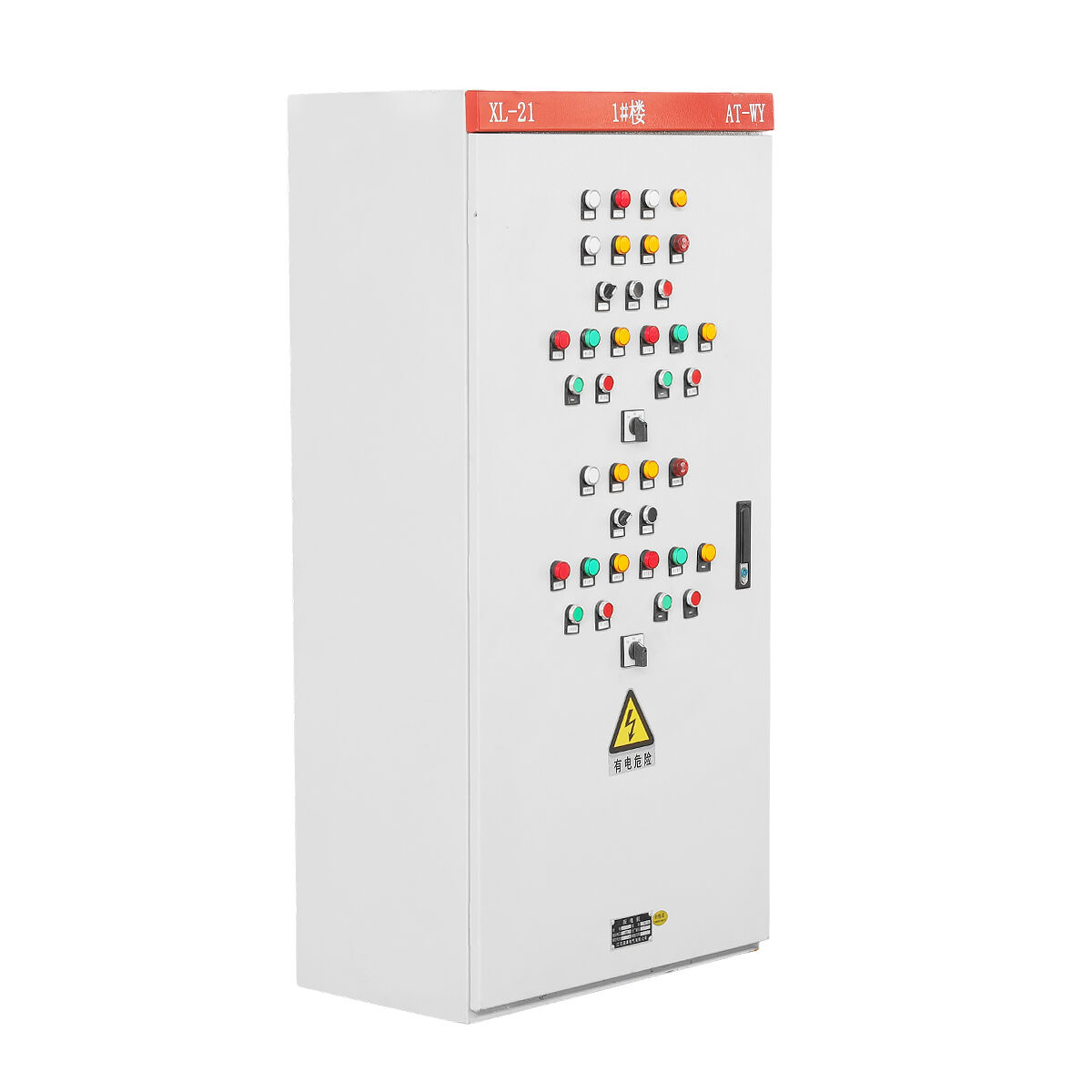
Modern electrical systems face constant threats from power surges, overloads, and fault conditions that can damage expensive equipment and create dangerous situations. Switchgear serves as the critical first line of defense, automatically detecting abnormal electrical conditions and taking immediate protective action. This sophisticated equipment combines switches, fuses, and circuit breakers within protective enclosures to ensure electrical systems operate safely and efficiently. Understanding how switchgear functions to protect against overloads is essential for electrical engineers, facility managers, and anyone responsible for maintaining electrical infrastructure.
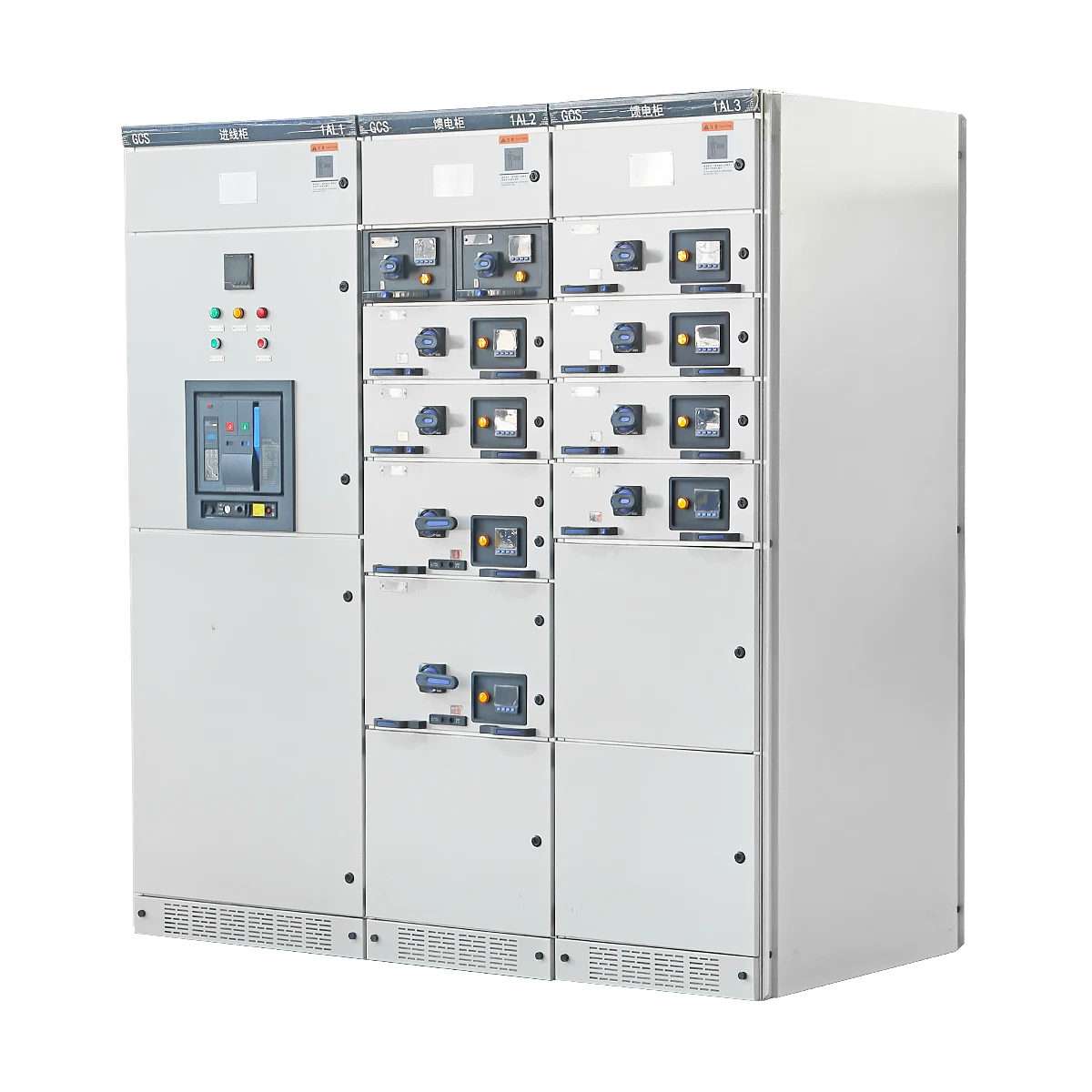
Understanding Electrical Overload Protection Fundamentals
The Nature of Electrical Overloads
Electrical overloads occur when current demand exceeds the designed capacity of electrical components, creating potentially hazardous conditions. These overloads can result from multiple factors including equipment malfunctions, sudden load increases, or short circuit conditions. When electrical current exceeds safe operating limits, excessive heat generation can damage conductors, insulation materials, and connected equipment. Switchgear systems continuously monitor electrical parameters to identify these dangerous conditions before they can cause permanent damage or safety hazards.
The consequences of unprotected electrical overloads extend beyond equipment damage to include fire risks, production downtime, and potential personnel injuries. Industrial facilities particularly face significant financial losses when overload conditions shut down manufacturing processes or damage critical machinery. Switchgear protection systems provide automated responses that minimize these risks by quickly isolating affected circuit sections while maintaining power to unaffected areas of the electrical system.
Protective Device Integration Principles
Modern switchgear incorporates multiple protective devices working in coordinated sequences to provide comprehensive overload protection. Circuit breakers, fuses, and protective relays each contribute specific protective functions while communicating through integrated control systems. This coordination ensures that protective devices operate in proper sequence, with upstream devices serving as backup protection when downstream devices fail to clear fault conditions. The sophisticated integration of these protective elements makes switchgear far more effective than individual protective devices operating independently.
Protective coordination requires careful engineering analysis to ensure proper time-current characteristics across all protective devices. Engineers must consider load characteristics, fault current levels, and equipment withstand capabilities when designing switchgear protection schemes. This coordination prevents nuisance tripping while ensuring reliable protection under all operating conditions, making switchgear essential for maintaining electrical system reliability and safety.
Circuit Breaker Technology in Overload Prevention
Thermal Magnetic Protection Mechanisms
Circuit breakers within switchgear assemblies utilize thermal magnetic trip mechanisms to detect and respond to overload conditions with precise timing characteristics. The thermal element responds to prolonged moderate overloads by heating a bimetallic strip that eventually trips the breaker mechanism. This thermal response provides inverse time characteristics, allowing temporary overloads while protecting against sustained overcurrent conditions. The magnetic element provides instantaneous protection against severe overloads and short circuit currents that could cause immediate damage.
Advanced electronic trip units in modern switchgear offer programmable protection curves and enhanced monitoring capabilities. These intelligent devices can distinguish between acceptable inrush currents and harmful overload conditions, reducing unnecessary interruptions while maintaining robust protection. Electronic trip units also provide valuable diagnostic information about electrical system performance, enabling predictive maintenance strategies that prevent equipment failures before they occur.
Arc Fault Detection and Interruption
Arc fault conditions represent particularly dangerous overload scenarios that switchgear systems must detect and interrupt rapidly. Arc faults can occur due to damaged insulation, loose connections, or equipment degradation, creating high-energy arcs that pose fire and explosion risks. Modern switchgear incorporates arc fault detection technology that uses optical sensors, current signature analysis, and pressure monitoring to identify arc fault conditions within milliseconds.
Arc interruption capabilities in switchgear assemblies utilize specialized contact materials and arc extinguishing media to safely clear fault currents. Vacuum interrupters, SF6 gas, and air blast technologies each offer specific advantages for different voltage levels and application requirements. The rapid arc extinction capabilities of modern switchgear prevent arc energy from reaching dangerous levels that could cause equipment damage or personnel injury.
Protective Relay Systems and Monitoring
Digital Protection and Control Integration
Digital protective relays integrated within switchgear assemblies provide sophisticated overload protection with programmable characteristics and extensive monitoring capabilities. These intelligent devices continuously analyze electrical parameters including current, voltage, frequency, and power factor to detect abnormal operating conditions. Digital relays can implement complex protection algorithms that account for load characteristics, ambient conditions, and equipment thermal capabilities to optimize protection sensitivity while minimizing false trips.
Communication capabilities in modern protective relays enable integration with supervisory control and data acquisition systems for centralized monitoring and control. This connectivity allows facility operators to monitor switchgear performance remotely, receive immediate notification of protection operations, and analyze system data for maintenance planning. The integration of protection and control functions within switchgear assemblies simplifies installation requirements while improving system reliability and operational efficiency.
Load Monitoring and Predictive Protection
Advanced monitoring capabilities in modern switchgear enable predictive protection strategies that prevent overload conditions before they occur. Load monitoring systems track power consumption patterns, identify trending increases that might lead to overloads, and provide early warning of potential problems. This predictive approach allows facility operators to take corrective action before protective devices operate, maintaining system continuity while preventing equipment damage.
Thermal monitoring systems integrated within switchgear assemblies track temperature conditions in critical components such as bus bars, connections, and switching devices. Elevated temperatures often indicate developing problems that could lead to overload conditions or equipment failures. By monitoring these thermal signatures, switchgear systems can provide advance warning of potential issues and enable proactive maintenance before protective devices need to operate.
Coordination and Selectivity in Protection Schemes
Time Current Coordination Principles
Effective overload protection in switchgear systems requires careful coordination of protective device characteristics to ensure proper selectivity during fault conditions. Protective coordination ensures that the protective device closest to a fault operates first, minimizing the extent of system outage while maintaining protection for the entire electrical system. This selectivity requires engineering analysis of time-current curves for all protective devices in the system, establishing proper coordination margins between upstream and downstream devices.
Coordination studies must consider various factors including motor starting currents, transformer inrush, and capacitor switching transients that can affect protective device operation. Switchgear manufacturers provide extensive time-current curve data and coordination software to assist engineers in developing optimal protection schemes. Proper coordination maximizes system reliability while ensuring that overload protection operates effectively under all operating conditions.
Zone Protection and Backup Systems
Zone protection schemes within switchgear systems provide multiple layers of overload protection with backup systems that operate if primary protection fails. Each protection zone has primary protective devices optimized for fast, selective operation within that zone, with backup protection provided by upstream devices with longer time delays. This layered approach ensures that overload conditions are cleared even if primary protective devices malfunction or fail to operate properly.
Communication-assisted protection schemes enable enhanced coordination between protective devices in different switchgear assemblies. These systems can block or accelerate protective device operation based on fault location and system conditions, improving both speed and selectivity of protection operations. Advanced communication protocols allow switchgear systems to share protection information and coordinate responses across multiple locations in complex electrical systems.
Maintenance and Testing for Optimal Protection
Routine Testing and Calibration Requirements
Regular testing and maintenance of switchgear protective systems ensures continued reliable overload protection throughout the equipment lifecycle. Testing procedures must verify proper operation of protective devices, communication systems, and monitoring equipment according to manufacturer recommendations and industry standards. Protective relay testing requires sophisticated test equipment capable of injecting precise test signals and verifying proper response times and pickup values.
Calibration requirements for switchgear protective systems vary depending on the technology and application, but generally include annual testing of critical protection functions. Circuit breaker testing involves verification of trip characteristics, contact condition, and operating mechanism performance. Protective relay calibration confirms proper pickup values, timing characteristics, and communication functionality to ensure reliable overload protection.
Predictive Maintenance Strategies
Condition-based maintenance programs for switchgear systems utilize advanced diagnostic techniques to assess protective system health and predict potential failures. Infrared thermography identifies hot spots that could indicate developing connection problems or overload conditions. Partial discharge testing can detect insulation degradation that might lead to fault conditions requiring protection system operation.
Monitoring systems integrated within modern switchgear assemblies provide continuous assessment of protective system performance and equipment condition. These systems track protective device operations, monitor contact wear, and analyze system parameters to identify maintenance requirements before protection capabilities are compromised. Predictive maintenance strategies optimize switchgear reliability while minimizing maintenance costs and system downtime.
FAQ
How quickly does switchgear respond to overload conditions?
Switchgear response times vary depending on the type and severity of the overload condition. For severe overloads and short circuits, modern switchgear can detect and interrupt fault currents within milliseconds to prevent equipment damage. For moderate overloads, thermal protection elements provide inverse time characteristics, operating faster as the overload severity increases. Electronic protection systems can provide precise timing control with response times ranging from instantaneous to several minutes depending on the protection curve settings and application requirements.
What types of overload conditions can switchgear protect against?
Switchgear systems protect against various overload conditions including motor overloads, transformer overloads, feeder overloads, and short circuit faults. The protection capabilities include thermal overloads caused by sustained overcurrent, magnetic overloads from sudden current increases, ground faults, arc faults, and phase imbalance conditions. Modern switchgear can also protect against power quality issues such as voltage sags, frequency variations, and harmonic distortion that can affect sensitive equipment performance and reliability.
How is switchgear protection coordinated with other electrical equipment?
Switchgear protection coordination involves careful engineering analysis to ensure proper selectivity and backup protection throughout the electrical system. Protection engineers analyze time-current characteristics of all protective devices to establish coordination margins and proper operating sequences. Communication systems between switchgear assemblies enable advanced protection schemes that can share fault information and coordinate responses. This coordination ensures that the protective device closest to a fault operates first while maintaining backup protection if primary devices fail to clear the fault condition.
What maintenance is required to ensure reliable overload protection in switchgear?
Reliable switchgear overload protection requires regular testing and maintenance including protective relay calibration, circuit breaker testing, and connection inspections. Annual testing typically includes verification of protection pickup values, timing characteristics, and communication functionality. Visual inspections check for signs of overheating, corrosion, or mechanical wear that could affect protection performance. Infrared thermography and partial discharge testing help identify developing problems before they compromise protection capabilities. Modern switchgear monitoring systems provide continuous assessment of protection system health and can alert operators to maintenance requirements.