
 EN
EN
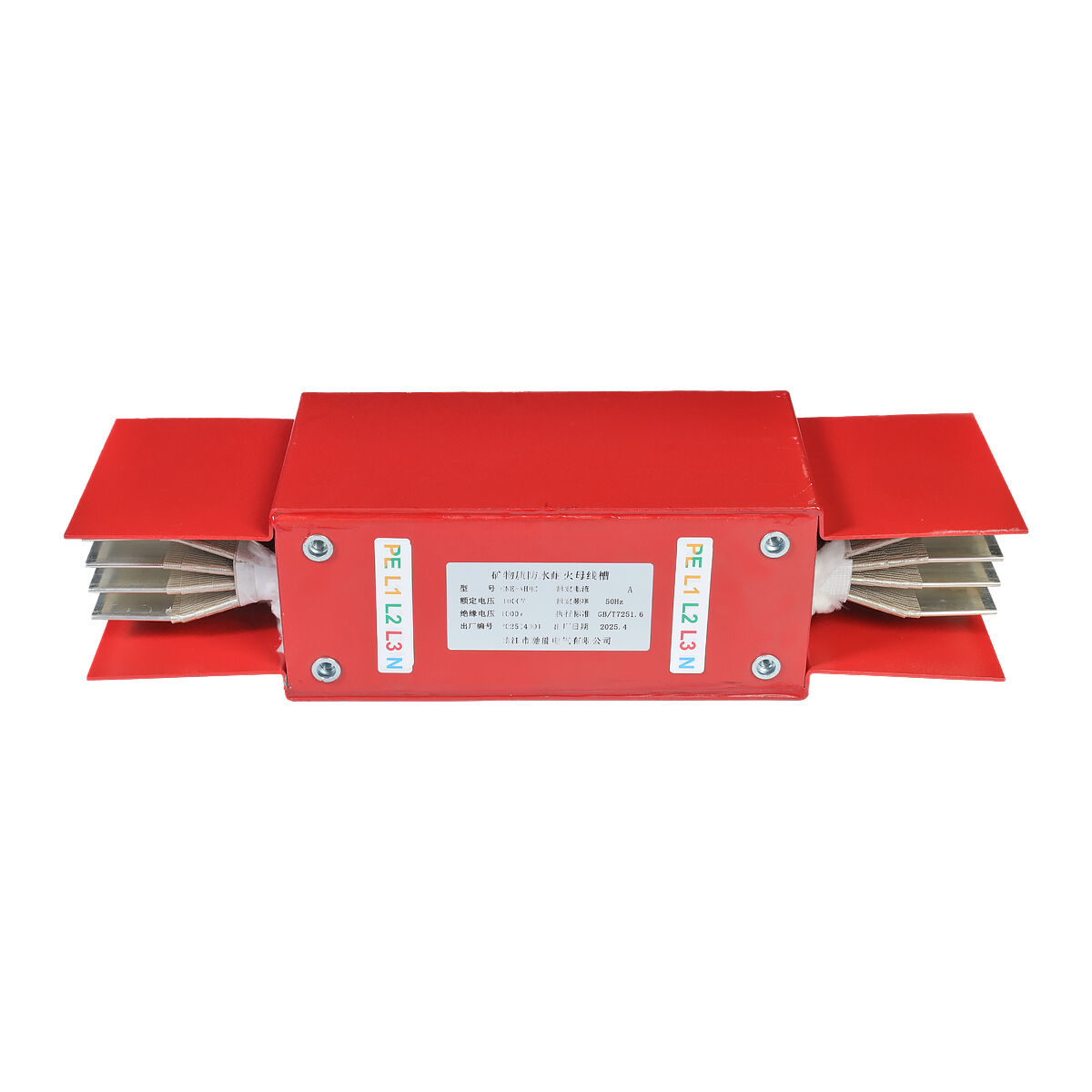
Industrial facilities face constant pressure to optimize energy efficiency while maintaining reliable power distribution systems. Traditional cable-based electrical installations often suffer from significant power losses, increased maintenance costs, and limited flexibility for future expansion. Modern electrical engineers are increasingly turning to advanced voltage busway systems as a superior alternative that addresses these critical challenges. These innovative power distribution solutions offer substantial improvements in energy efficiency, reduced installation complexity, and enhanced operational reliability compared to conventional wiring methods.
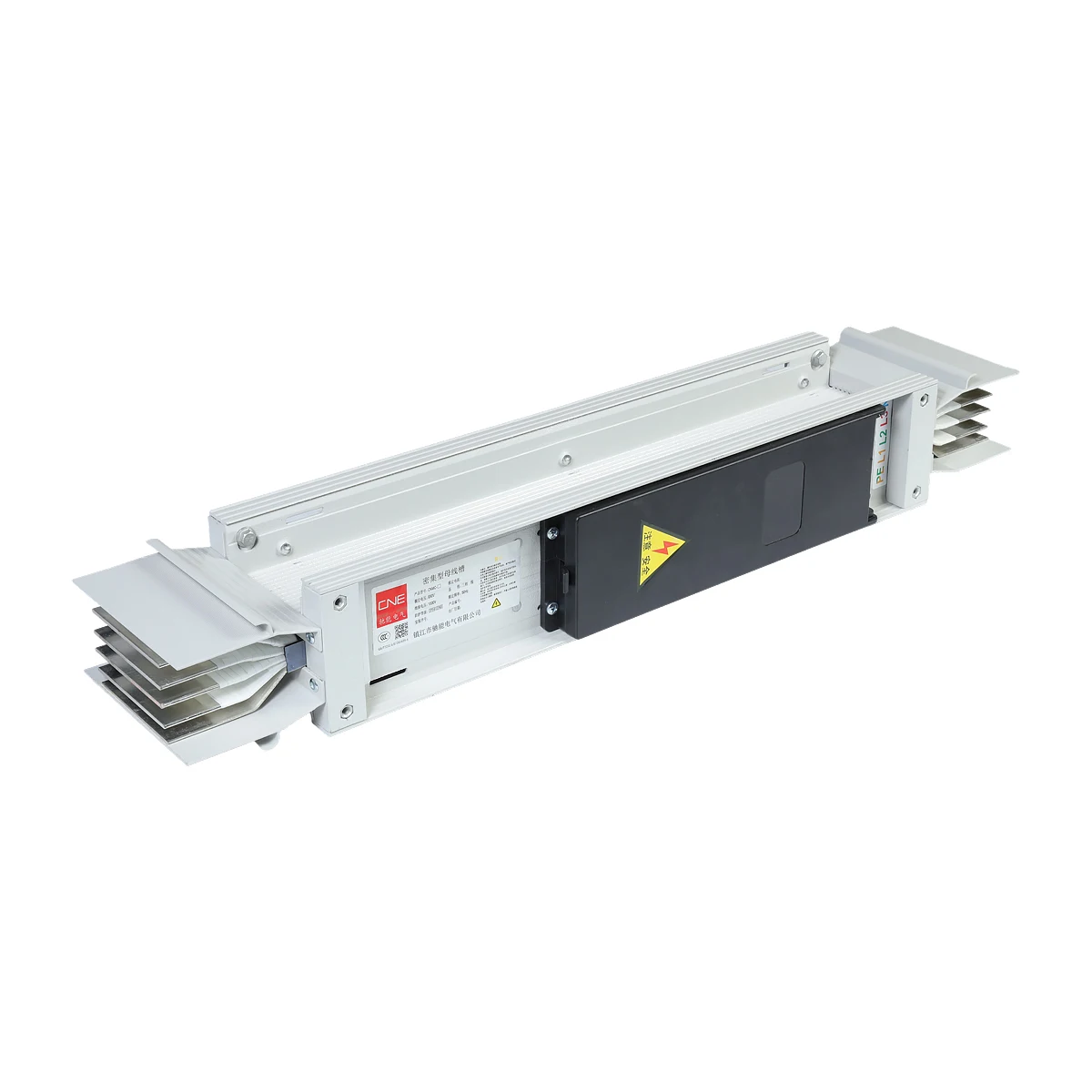
Understanding Power Loss Mechanisms in Industrial Electrical Systems
Resistance-Based Energy Dissipation
Power losses in industrial electrical systems primarily occur due to electrical resistance within conductors and connections. When current flows through any conductor, including cables or busbar systems, energy is converted to heat according to Joule's law. This fundamental principle means that higher resistance values directly translate to increased energy waste and reduced system efficiency. Traditional cable installations often exhibit higher resistance values due to longer cable runs, multiple junction points, and the inherent resistance characteristics of smaller conductor cross-sections.
The voltage busway design minimizes these resistance-related losses through several key engineering advantages. The larger cross-sectional area of busbar conductors provides significantly lower resistance compared to equivalent cable installations. Additionally, the continuous conductor design eliminates numerous connection points that would otherwise introduce additional resistance and potential failure modes. This streamlined approach to power distribution creates a more efficient electrical pathway from the source to the load equipment.
Connection Point Inefficiencies
Every electrical connection represents a potential source of power loss and system inefficiency. Traditional cable installations require numerous splice points, junction boxes, and termination connections throughout the distribution system. Each of these connection points introduces contact resistance, which contributes to overall system losses and creates heat generation points that can lead to equipment degradation over time. The cumulative effect of multiple connection points can result in substantial energy waste across large industrial facilities.
Voltage busway systems dramatically reduce the number of connection points required for power distribution. The plug-in tap-off capability allows direct connection to load equipment without intermediate junction boxes or splice points. This design approach not only reduces power losses but also improves system reliability by eliminating potential failure points. The standardized connection interfaces ensure consistent contact quality and minimize the variability that often occurs with field-assembled cable connections.
Advanced Conductor Technology and Design Optimization
Superior Material Selection
The conductor materials used in voltage busway systems are specifically selected and engineered for optimal electrical performance. High-grade copper or aluminum conductors provide excellent conductivity while maintaining structural integrity under various operating conditions. The manufacturing process ensures consistent conductor quality and dimensional accuracy, which directly impacts the electrical performance and efficiency of the system. These materials undergo rigorous testing to verify their electrical and mechanical properties before integration into the busway assembly.
The geometry and arrangement of conductors within a voltage busway system are optimized to minimize electrical losses while maximizing power handling capacity. The precise spacing and configuration of phase conductors reduce electromagnetic interference and improve overall system efficiency. Advanced manufacturing techniques ensure tight tolerances and consistent quality across all components, resulting in predictable performance characteristics and reliable operation throughout the system's operational life.
Thermal Management Innovations
Effective thermal management is crucial for maintaining low power losses in electrical distribution systems. Voltage busway designs incorporate advanced cooling techniques that efficiently dissipate heat generated during normal operation. The exposed conductor design allows for natural convection cooling, while the aluminum or steel enclosure provides additional heat dissipation capacity. This thermal management approach helps maintain lower operating temperatures, which further reduces electrical resistance and associated power losses.
The thermal characteristics of voltage busway systems also contribute to improved long-term performance and reliability. Lower operating temperatures reduce thermal stress on conductors and insulation materials, extending the operational life of the system components. This thermal advantage translates to sustained efficiency performance over many years of operation, ensuring that the power loss benefits remain consistent throughout the system's service life.
Installation Efficiency and System Integration Benefits
Reduced Installation Complexity
The installation process for voltage busway systems offers significant advantages over traditional cable-based power distribution methods. The pre-engineered and factory-tested components eliminate much of the field assembly work required for cable installations. This streamlined installation approach reduces labor costs, shortens project timelines, and minimizes the potential for installation errors that could compromise system performance. The standardized connection methods ensure consistent installation quality regardless of the specific installation crew or project conditions.
The modular design of voltage busway systems allows for efficient planning and coordination of installation activities. The predictable dimensions and connection requirements enable accurate project scheduling and resource allocation. This installation efficiency translates to reduced project costs and faster commissioning of electrical systems, allowing industrial facilities to begin productive operations sooner than with traditional installation methods.
Flexibility for Future Modifications
Industrial facilities frequently require modifications to their electrical distribution systems to accommodate new equipment, process changes, or facility expansions. voltage busway systems provide exceptional flexibility for these future modifications without compromising system efficiency or reliability. The plug-in tap-off capability allows for easy addition or relocation of electrical connections as facility requirements change.
The ability to modify voltage busway installations without extensive rewiring or system downtime represents a significant operational advantage for industrial facilities. New connections can be added or existing ones relocated with minimal disruption to ongoing operations. This flexibility ensures that the electrical distribution system can adapt to changing facility requirements while maintaining optimal power loss characteristics and system efficiency throughout its operational life.
Performance Monitoring and Maintenance Advantages
Enhanced System Visibility
Modern voltage busway systems can be equipped with advanced monitoring capabilities that provide real-time visibility into system performance and power loss characteristics. These monitoring systems track electrical parameters such as current flow, voltage levels, and power factor, allowing facility operators to identify inefficiencies and optimize system performance. The continuous monitoring capability enables proactive maintenance strategies that help maintain low power loss characteristics over the system's operational life.
The diagnostic capabilities of advanced voltage busway systems extend beyond basic electrical monitoring to include thermal monitoring and fault detection features. These enhanced monitoring capabilities help identify potential issues before they result in system failures or increased power losses. Early detection of problems allows for scheduled maintenance activities that minimize system downtime and maintain optimal efficiency performance.
Simplified Maintenance Procedures
The maintenance requirements for voltage busway systems are significantly reduced compared to traditional cable installations. The enclosed design protects conductors from environmental contamination and physical damage, reducing the frequency of maintenance interventions required to maintain system performance. The standardized components and connection methods simplify maintenance procedures and reduce the specialized knowledge required for system servicing.
The accessibility of voltage busway components facilitates efficient maintenance activities when they are required. The plug-in connection design allows for easy inspection and testing of individual circuit connections without disrupting the entire distribution system. This maintenance advantage helps ensure that the voltage busway system continues to operate at peak efficiency throughout its service life, maintaining the power loss benefits that justify the initial system investment.
Economic Impact and Return on Investment Considerations
Energy Cost Savings
The reduced power losses achieved with voltage busway systems translate directly to lower energy costs for industrial facilities. These energy savings accumulate continuously throughout the operational life of the system, providing ongoing economic benefits that help justify the initial investment in advanced power distribution technology. The magnitude of energy savings depends on factors such as facility size, electrical load characteristics, and local energy costs, but substantial savings are typically achievable in most industrial applications.
The energy cost savings from voltage busway installations become increasingly significant as energy prices rise and environmental regulations become more stringent. The improved efficiency helps industrial facilities reduce their carbon footprint while simultaneously lowering operational costs. This dual benefit of environmental and economic improvement makes voltage busway systems an attractive investment for forward-thinking industrial organizations.
Long-Term Operational Benefits
Beyond the immediate energy savings, voltage busway systems provide long-term operational benefits that contribute to improved facility economics. The enhanced reliability and reduced maintenance requirements translate to lower operational costs and reduced risk of costly production interruptions. The flexibility for future modifications helps protect the electrical infrastructure investment by accommodating changing facility requirements without major system replacements.
The total cost of ownership for voltage busway systems is typically lower than traditional cable installations when all factors are considered over the system's operational life. The combination of energy savings, reduced maintenance costs, improved reliability, and enhanced flexibility creates a compelling economic case for voltage busway adoption in industrial settings. This comprehensive economic advantage makes voltage busway systems an intelligent choice for new construction and major renovation projects.
FAQ
What is the typical power loss reduction achieved with voltage busway systems?
Voltage busway systems typically achieve power loss reductions of 20-40% compared to equivalent cable installations, depending on the specific application and system configuration. The actual reduction depends on factors such as system length, current levels, and the number of connection points eliminated. These reductions translate to significant energy cost savings over the system's operational life.
How do voltage busway systems compare to traditional cables in terms of installation time?
Installation of voltage busway systems is typically 30-50% faster than equivalent cable installations due to the pre-engineered components and standardized connection methods. The reduced field assembly requirements and elimination of cable pulling activities contribute to shorter project timelines and reduced labor costs.
Can existing cable systems be retrofitted with voltage busway technology?
Retrofitting existing facilities with voltage busway systems is often feasible and can provide significant benefits in terms of reduced power losses and improved system reliability. The feasibility depends on factors such as available space, existing infrastructure, and electrical load requirements. A detailed engineering assessment is recommended to evaluate retrofit opportunities and potential benefits.
What maintenance is required for voltage busway systems?
Voltage busway systems require minimal maintenance compared to traditional cable installations. Routine maintenance typically includes periodic visual inspections, connection torque checks, and thermal monitoring to ensure optimal performance. The enclosed design protects components from environmental contamination, reducing maintenance frequency and extending system life.
Table of Contents
- Understanding Power Loss Mechanisms in Industrial Electrical Systems
- Advanced Conductor Technology and Design Optimization
- Installation Efficiency and System Integration Benefits
- Performance Monitoring and Maintenance Advantages
- Economic Impact and Return on Investment Considerations
-
FAQ
- What is the typical power loss reduction achieved with voltage busway systems?
- How do voltage busway systems compare to traditional cables in terms of installation time?
- Can existing cable systems be retrofitted with voltage busway technology?
- What maintenance is required for voltage busway systems?