
 EN
EN
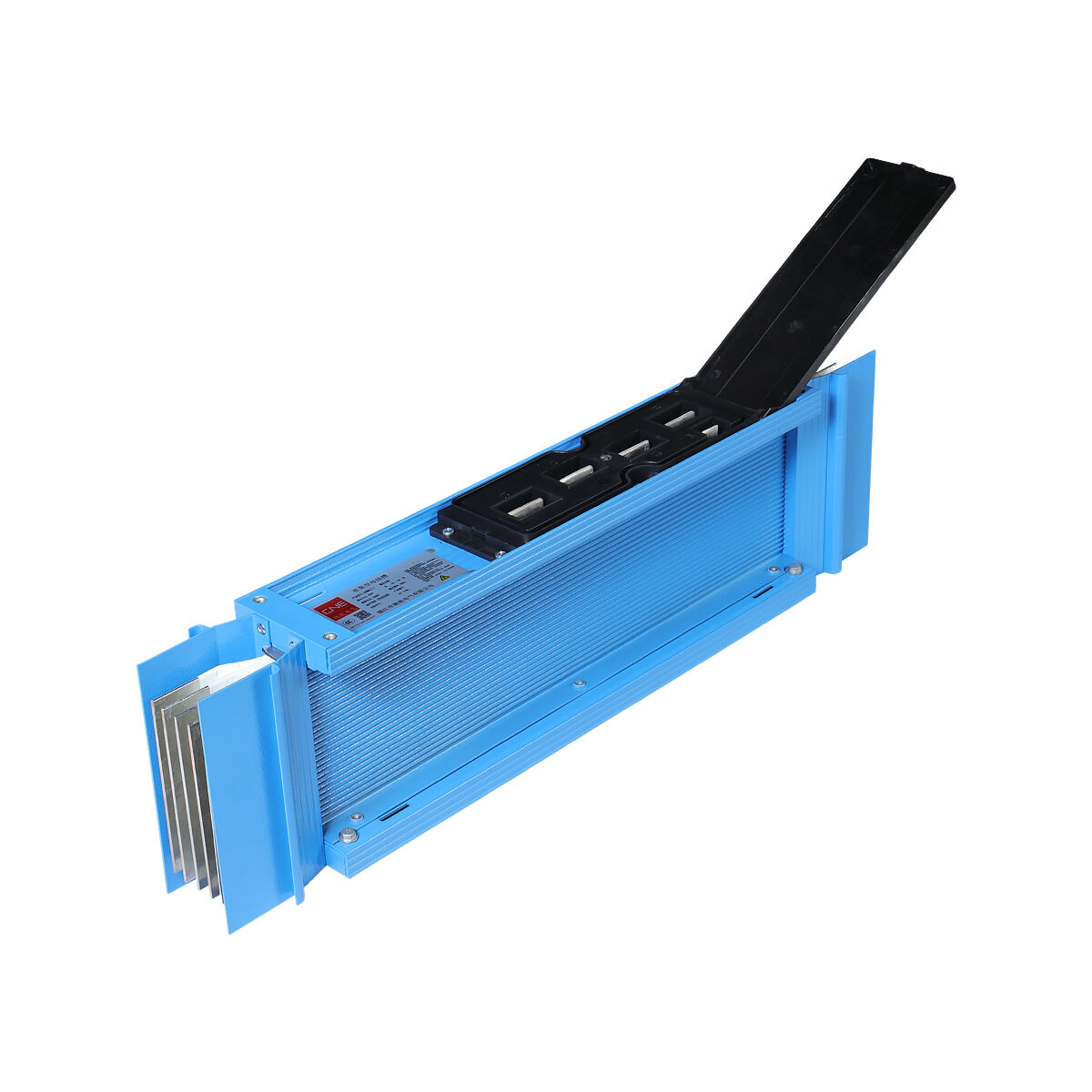
Modern data centers represent the backbone of our digital infrastructure, requiring sophisticated electrical distribution systems to handle massive power demands safely and efficiently. Among the various power distribution technologies available, voltage busway systems have emerged as the preferred solution for many facility managers and engineers. These advanced electrical distribution systems offer superior performance, flexibility, and reliability compared to traditional cable-based installations, making them increasingly common in contemporary data center designs.
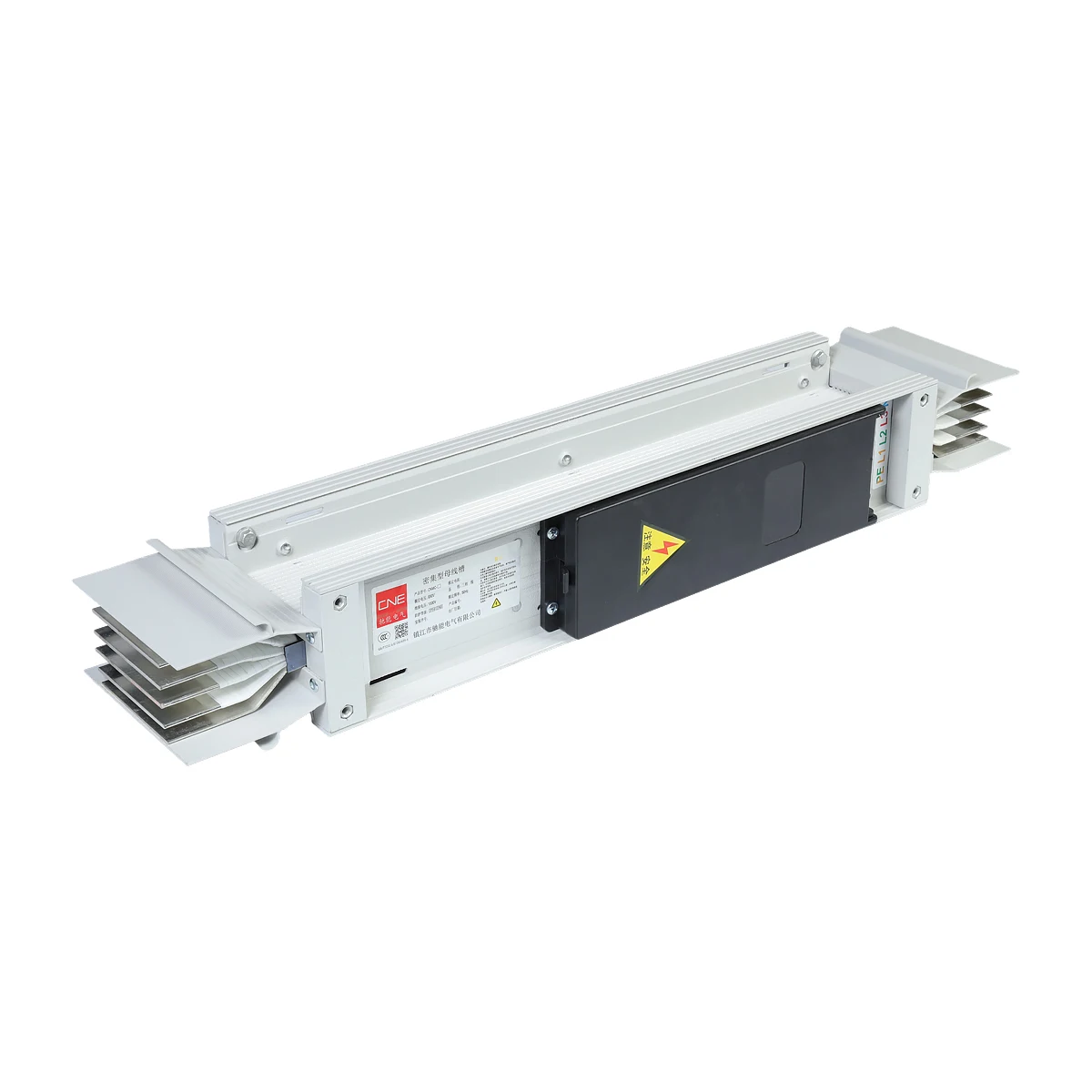
The rapid evolution of data center technology has created unprecedented challenges for electrical infrastructure. As server densities increase and computational demands grow exponentially, facility operators must implement power distribution systems capable of adapting to changing requirements while maintaining operational excellence. The voltage busway has become instrumental in addressing these challenges, providing a robust foundation for modern data center electrical architecture.
Understanding the fundamental advantages of voltage busway systems requires examining their role within the broader context of data center operations. These systems must support continuous uptime, enable rapid scalability, and maintain energy efficiency while accommodating the unique demands of high-density computing environments. The implementation of voltage busway technology represents a strategic investment in operational reliability and future-proofing capabilities.
Fundamental Advantages of Voltage Busway Systems
Enhanced Power Distribution Efficiency
The voltage busway delivers exceptional power distribution efficiency through its innovative design and construction methodology. Unlike traditional cable systems that suffer from voltage drop and power losses over long distances, voltage busway systems maintain consistent electrical performance throughout their entire length. This efficiency translates directly into reduced operational costs and improved system reliability for data center operators.
Modern voltage busway designs incorporate advanced conductor materials and insulation technologies that minimize electrical losses while maximizing current-carrying capacity. The enclosed nature of these systems provides superior protection against environmental factors that can degrade electrical performance over time. Additionally, the standardized connections and modular design elements ensure consistent electrical characteristics across the entire distribution network.
The thermal management capabilities of voltage busway systems contribute significantly to their overall efficiency. The aluminum or copper conductors are designed with optimal cross-sectional areas and spacing to promote natural heat dissipation. This thermal efficiency reduces the cooling requirements for electrical rooms and contributes to the overall energy efficiency of the data center facility.
Superior Flexibility and Scalability
Data center environments demand electrical systems that can adapt quickly to changing requirements without extensive downtime or infrastructure modifications. The voltage busway excels in providing this flexibility through its modular construction and standardized connection interfaces. Facility managers can easily reconfigure power distribution paths, add new circuits, or modify existing installations without the complex rewiring procedures required by traditional cable systems.
The plug-in capabilities of modern voltage busway systems enable rapid deployment of new electrical connections at any point along the busway length. This feature proves invaluable when expanding server capacity or reconfiguring equipment layouts to accommodate new technologies. The ability to make these modifications without shutting down adjacent systems maintains critical uptime requirements while enabling necessary infrastructure changes.
Scalability considerations extend beyond simple capacity additions to include future technology integration requirements. The voltage busway architecture supports various voltage levels and power configurations, allowing data centers to accommodate emerging technologies without wholesale infrastructure replacement. This adaptability protects capital investments while ensuring the facility remains capable of supporting evolving operational requirements.
Technical Specifications and Performance Characteristics
Electrical Performance Standards
The electrical performance of voltage busway systems meets or exceeds the most stringent industry standards for data center applications. These systems typically operate at voltage levels ranging from 208V to 480V, with current capacities extending from several hundred amperes to several thousand amperes depending on the specific configuration and application requirements.
The voltage regulation characteristics of voltage busway systems provide exceptional stability under varying load conditions. This stability proves critical in data center environments where sensitive electronic equipment requires consistent power quality to maintain optimal performance. The low impedance characteristics of properly designed voltage busway installations minimize voltage fluctuations and ensure reliable power delivery to connected loads.
Fault current handling capabilities represent another crucial performance aspect of voltage busway systems. These installations must safely conduct and interrupt fault currents without compromising system integrity or creating safety hazards. Modern voltage busway designs incorporate advanced arc-resistant features and fault detection capabilities that enhance overall system safety and reliability.
Environmental and Operational Durability
Data center environments present unique challenges for electrical equipment, including elevated ambient temperatures, humidity variations, and continuous operation requirements. The voltage busway addresses these challenges through robust construction materials and protective enclosure designs that maintain performance integrity under demanding operational conditions.
The corrosion resistance properties of voltage busway components ensure long-term reliability in data center environments where air conditioning systems may introduce moisture or chemical contaminants. High-grade aluminum and copper alloys, combined with appropriate surface treatments and protective coatings, provide decades of reliable service with minimal maintenance requirements.
Vibration resistance capabilities enable voltage busway systems to maintain electrical continuity and mechanical integrity despite the operational vibrations generated by cooling equipment, generators, and other data center machinery. The rigid construction and secure mounting systems prevent connection loosening and ensure consistent electrical performance throughout the system's operational life.
Installation and Maintenance Benefits
Streamlined Installation Processes
The installation advantages of voltage busway systems significantly reduce construction timelines and labor requirements compared to traditional cable installations. The prefabricated nature of voltage busway components eliminates field fabrication requirements and reduces the potential for installation errors that can compromise system performance or safety.
Standardized connection methods and modular design elements enable installation teams to work more efficiently while maintaining consistent quality standards. The voltage busway sections connect through precision-engineered joints that ensure proper electrical continuity and mechanical stability. This standardization reduces training requirements and enables more predictable project scheduling.
The reduced space requirements of voltage busway installations provide additional benefits in data center environments where every square foot carries premium value. The compact profile of these systems maximizes available floor space for revenue-generating equipment while maintaining the electrical capacity necessary to support high-density computing loads.
Simplified Maintenance and Monitoring
Ongoing maintenance requirements for voltage busway systems prove significantly less complex than those associated with traditional cable installations. The accessible design of voltage busway enclosures enables visual inspection of connections and conductors without extensive disassembly procedures. This accessibility facilitates preventive maintenance programs that identify potential issues before they impact system performance.
Modern voltage busway systems increasingly incorporate integrated monitoring capabilities that provide real-time performance data to facility management systems. These monitoring features track electrical parameters, connection temperatures, and system status indicators that enable proactive maintenance scheduling and performance optimization.
The modular nature of voltage busway systems simplifies component replacement procedures when maintenance or upgrades become necessary. Individual sections can be isolated and replaced without affecting adjacent system components, minimizing downtime and maintaining critical system availability during maintenance activities.
Economic Considerations and Return on Investment
Initial Investment Analysis
While voltage busway systems may require higher initial capital investment compared to traditional cable installations, the total cost of ownership typically favors busway solutions over the facility's operational lifetime. The reduced installation labor, shorter construction schedules, and improved energy efficiency contribute to favorable economic returns that justify the initial investment premium.
The standardized components and reduced field labor requirements of voltage busway installations provide more predictable project costs compared to custom cable installations. This predictability enables more accurate budgeting and reduces the financial risks associated with electrical infrastructure projects in data center environments.
Future expansion capabilities built into voltage busway systems provide additional economic value by eliminating the need for infrastructure replacement when capacity increases become necessary. The ability to add circuits and modify configurations without major construction activities protects capital investments while enabling business growth.
Long-term Operational Savings
The operational cost advantages of voltage busway systems accumulate over time through reduced maintenance requirements, improved energy efficiency, and enhanced system reliability. These factors contribute to lower total cost of ownership and improved return on investment for data center operators.
Energy efficiency improvements achieved through voltage busway implementation directly reduce ongoing operational expenses. The reduced electrical losses and improved power quality translate into measurable savings on utility costs while supporting corporate sustainability initiatives through reduced energy consumption.
The reliability advantages of voltage busway systems contribute to economic benefits through reduced downtime risks and associated revenue losses. The robust construction and proven performance characteristics of these systems provide insurance against costly outages that can impact data center operations and customer satisfaction.
Future Trends and Technology Integration
Smart Grid Integration Capabilities
The evolution toward smart grid technologies creates new opportunities for voltage busway systems to contribute to advanced power management strategies in data center environments. Modern voltage busway designs increasingly incorporate communication capabilities and monitoring systems that enable integration with facility management platforms and utility grid management systems.
Advanced metering and monitoring capabilities built into contemporary voltage busway systems provide granular visibility into power consumption patterns and electrical performance characteristics. This data enables optimization of power distribution strategies and supports demand response programs that can reduce operational costs while supporting grid stability initiatives.
The standardized interfaces and communication protocols supported by modern voltage busway systems facilitate integration with building automation systems and energy management platforms. This integration capability enables coordinated control strategies that optimize overall facility performance while maintaining the reliability required for critical data center operations.
Emerging Technology Compatibility
As data center technologies continue to evolve, voltage busway systems must accommodate new power requirements and distribution strategies. The modular architecture and flexible configuration options of these systems position them well to support emerging technologies such as edge computing, artificial intelligence workloads, and high-performance computing applications.
The voltage busway design philosophy emphasizes adaptability and future-proofing capabilities that enable accommodation of technologies not yet fully deployed in production environments. This forward-looking approach protects infrastructure investments while ensuring facilities remain capable of supporting technological advancement.
Integration with renewable energy sources and energy storage systems represents another area where voltage busway technology provides advantages for data center operations. The flexible configuration options and reliable performance characteristics of these systems support the complex power management requirements associated with sustainable energy initiatives.
FAQ
What are the main advantages of voltage busway systems over traditional cable installations in data centers?
Voltage busway systems offer several key advantages including superior power distribution efficiency, enhanced flexibility for future modifications, reduced installation time and labor costs, simplified maintenance procedures, and improved reliability. The modular design enables rapid reconfiguration without extensive rewiring, while the enclosed construction provides better protection against environmental factors and maintains consistent electrical performance throughout the system's length.
How do voltage busway systems handle the high power demands of modern data centers?
Modern voltage busway systems are designed to handle current capacities ranging from hundreds to thousands of amperes while maintaining excellent voltage regulation and minimal power losses. The advanced conductor materials and optimized thermal management capabilities enable these systems to support high-density computing loads efficiently. The robust fault current handling capabilities and arc-resistant features ensure safe operation under demanding conditions typical of data center environments.
What maintenance requirements are associated with voltage busway installations?
Voltage busway systems require minimal maintenance compared to traditional cable installations due to their enclosed design and standardized connections. Routine maintenance typically involves visual inspections of connections and monitoring system performance through integrated sensors. The accessible design enables quick identification of potential issues, while the modular construction allows component replacement without affecting adjacent system sections, minimizing downtime during maintenance activities.
How do voltage busway systems support future expansion and technology upgrades?
The modular architecture of voltage busway systems provides exceptional flexibility for future expansion through standardized plug-in connections that can be added at any point along the busway length. This design eliminates the need for major infrastructure modifications when adding capacity or reconfiguring power distribution. The systems support various voltage levels and power configurations, enabling accommodation of emerging technologies without wholesale infrastructure replacement, protecting capital investments while ensuring long-term adaptability.
Table of Contents
- Fundamental Advantages of Voltage Busway Systems
- Technical Specifications and Performance Characteristics
- Installation and Maintenance Benefits
- Economic Considerations and Return on Investment
- Future Trends and Technology Integration
-
FAQ
- What are the main advantages of voltage busway systems over traditional cable installations in data centers?
- How do voltage busway systems handle the high power demands of modern data centers?
- What maintenance requirements are associated with voltage busway installations?
- How do voltage busway systems support future expansion and technology upgrades?