
 EN
EN
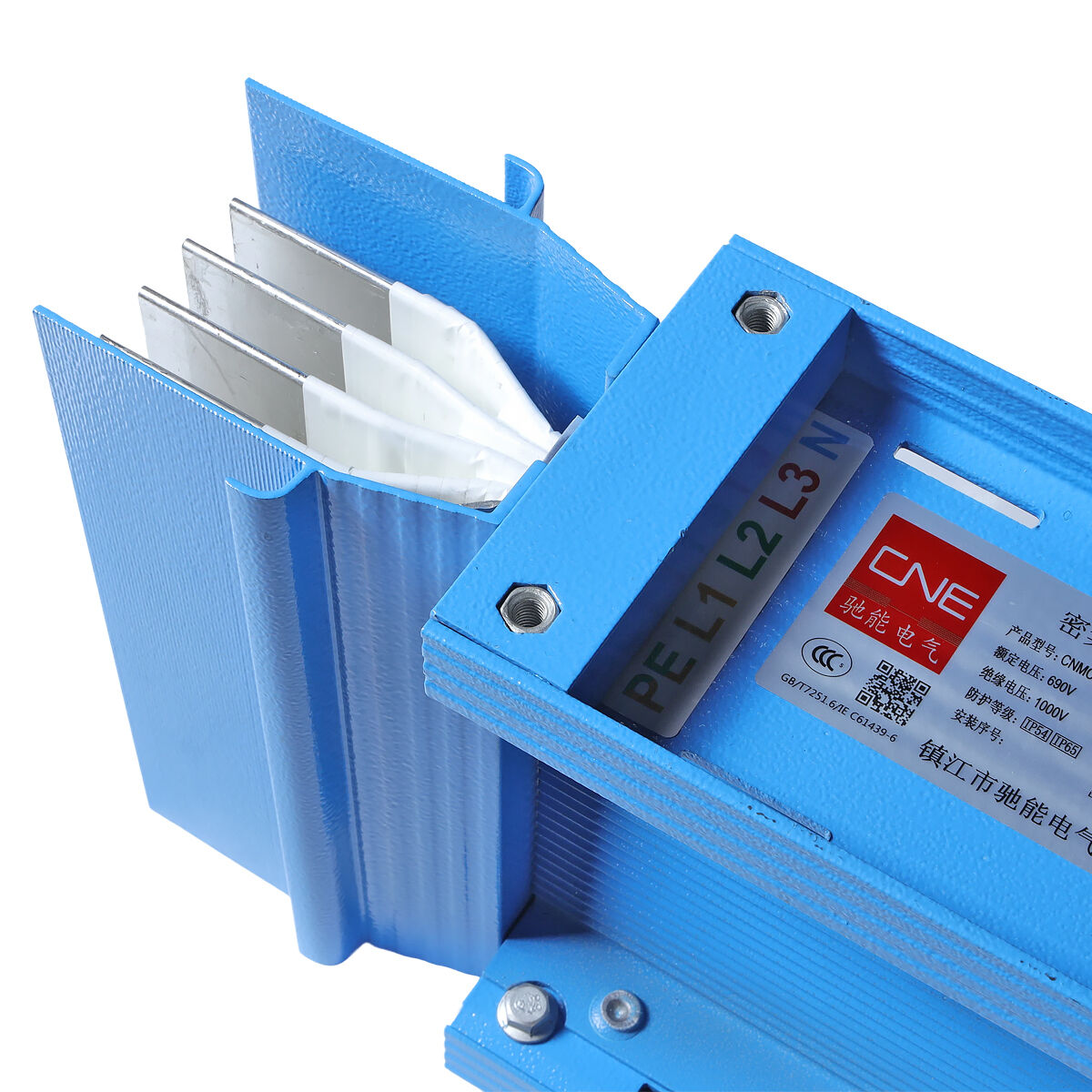
Modern commercial and industrial buildings demand efficient, reliable electrical distribution systems that can handle high power loads while maintaining safety and flexibility. A voltage busway represents one of the most advanced solutions for electrical power distribution, offering superior performance compared to traditional cable-based systems. This innovative technology has transformed how engineers approach electrical infrastructure design, providing enhanced safety, reduced installation time, and improved long-term reliability for various building applications.
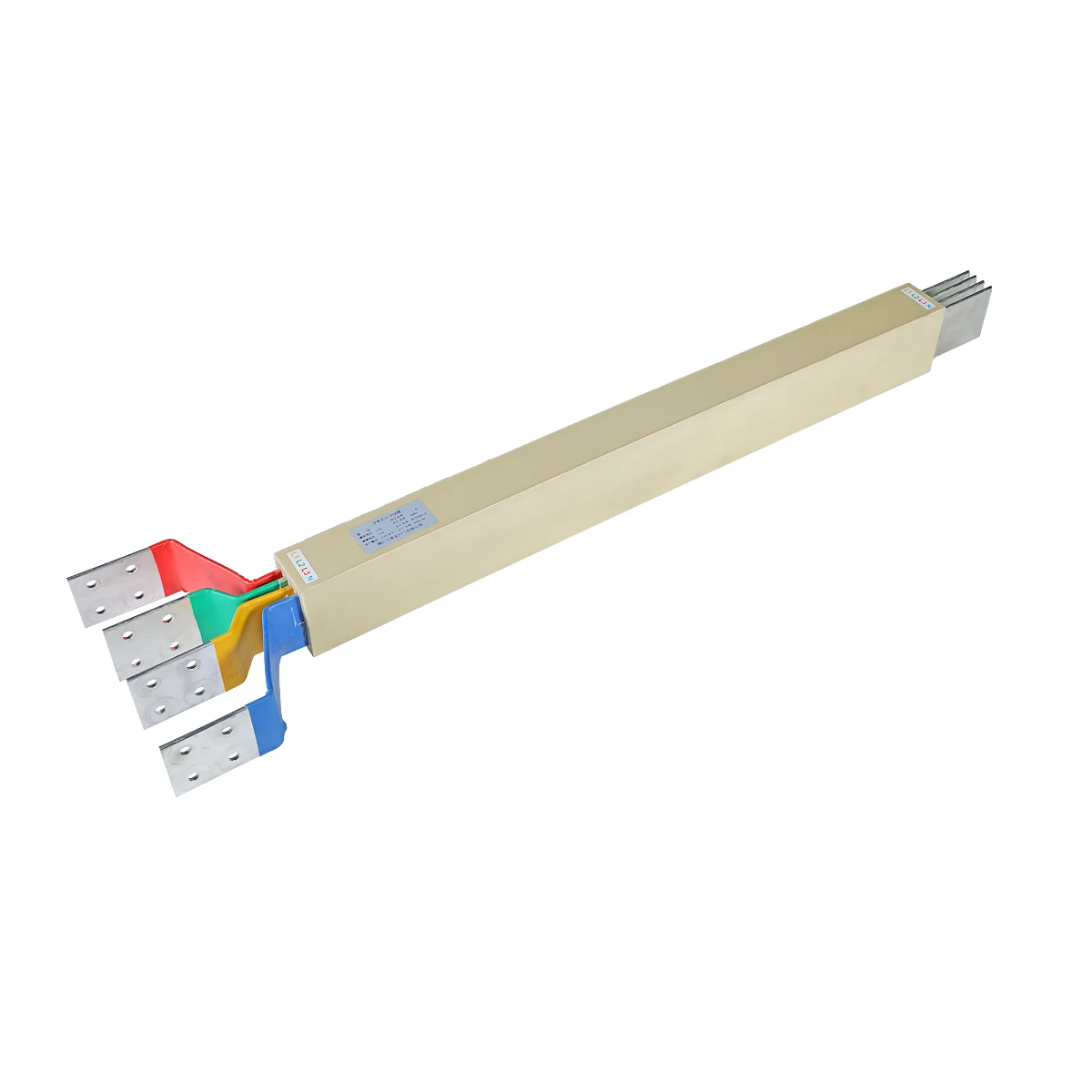
The implementation of voltage busway systems has become increasingly popular across multiple industries due to their exceptional electrical performance characteristics and operational advantages. These systems utilize pre-fabricated, factory-tested components that ensure consistent quality and reliability throughout the installation process. Unlike conventional wiring methods, voltage busway technology provides a modular approach to electrical distribution that accommodates future modifications and expansions with minimal disruption to building operations.
Enhanced Safety Features and Protection Systems
Advanced Insulation Properties
The voltage busway design incorporates multiple layers of high-quality insulation materials that provide exceptional protection against electrical hazards. These insulation systems are engineered to withstand extreme temperatures, moisture, and environmental contaminants that could compromise traditional cable installations. The factory-controlled manufacturing process ensures consistent insulation thickness and quality, eliminating the variability often associated with field-installed cable systems.
Modern voltage busway systems feature advanced polymer insulation materials that maintain their dielectric properties over extended periods. This enhanced insulation performance significantly reduces the risk of electrical faults, ground faults, and arc flash incidents that can occur in conventional electrical distribution systems. The superior insulation characteristics also contribute to improved system reliability and reduced maintenance requirements throughout the operational lifetime.
Integrated Protection Mechanisms
Each voltage busway installation includes comprehensive protection systems designed to detect and respond to various electrical anomalies. These integrated protection mechanisms include overcurrent protection, ground fault detection, and arc fault interruption capabilities that work together to ensure safe operation under all conditions. The built-in protection systems are factory-calibrated and tested to provide consistent performance across the entire electrical distribution network.
The sophisticated monitoring capabilities of modern voltage busway systems enable real-time assessment of electrical parameters, allowing facility managers to identify potential issues before they develop into serious problems. This proactive approach to electrical system management helps prevent costly downtime and ensures continuous operation of critical building systems. The integration of smart monitoring technology also supports predictive maintenance strategies that optimize system performance and extend equipment lifespan.
Superior Electrical Performance and Efficiency
Optimized Current Carrying Capacity
The voltage busway design maximizes current carrying capacity through optimized conductor geometry and advanced cooling mechanisms. The flat conductor configuration provides superior heat dissipation compared to round conductors used in traditional cable systems, allowing higher current densities without compromising safety margins. This enhanced current carrying capacity enables more compact installations while maintaining excellent electrical performance characteristics.
The precise manufacturing tolerances achieved in voltage busway production ensure consistent electrical characteristics throughout the entire system. This consistency eliminates the hot spots and uneven current distribution that can occur in field-assembled cable installations, resulting in improved overall system efficiency and reliability. The optimized conductor design also reduces skin effect and proximity effect losses, contributing to enhanced energy efficiency in high-frequency applications.
Reduced Voltage Drop and Power Losses
One of the most significant advantages of voltage busway systems is their ability to minimize voltage drop across long distribution runs. The low-impedance design of these systems maintains voltage levels within acceptable limits even in large industrial facilities or high-rise buildings where traditional cable systems might experience excessive voltage drop. This improved voltage regulation ensures optimal performance of connected equipment and reduces energy waste associated with voltage variations.
The superior electrical characteristics of voltage busway systems contribute to significant reductions in power losses compared to conventional distribution methods. These efficiency improvements translate directly into reduced operating costs and environmental benefits through lower energy consumption. The enhanced efficiency is particularly valuable in facilities with high electrical loads where even small percentage improvements in efficiency can result in substantial cost savings over time.
Installation Advantages and Time Savings
Simplified Installation Process
The modular design of voltage busway systems dramatically simplifies the installation process compared to traditional cable-based electrical distribution. Each component is factory-manufactured to precise specifications, eliminating the need for extensive field fabrication and reducing the potential for installation errors. The standardized connection methods ensure reliable joints between sections while minimizing installation time and labor requirements.
Professional electricians can install voltage busway systems with standard hand tools, eliminating the need for specialized equipment or extensive training on proprietary installation techniques. The lightweight construction of modern voltage busway components further reduces installation complexity and allows for easier handling during the construction process. This simplified installation approach results in faster project completion times and reduced labor costs for electrical contractors.
Flexible Configuration Options
The voltage busway technology offers exceptional flexibility in system configuration, allowing engineers to design electrical distribution networks that precisely match building requirements. The modular components can be combined in various configurations to accommodate complex routing requirements, elevation changes, and equipment connections without compromising system performance. This design flexibility is particularly valuable in retrofitting existing buildings where space constraints and architectural features may limit installation options.
Modern voltage busway systems include a comprehensive range of fittings, connectors, and accessories that enable seamless integration with existing electrical infrastructure. The standardized connection interfaces ensure compatibility between components from different manufacturers while providing the flexibility to modify or expand the system as building requirements change. This adaptability makes voltage busway technology an ideal choice for facilities that may require future electrical system modifications or expansions.
Long-Term Reliability and Maintenance Benefits
Reduced Maintenance Requirements
The robust construction and factory-tested components of voltage busway systems result in significantly reduced maintenance requirements compared to traditional electrical distribution methods. The sealed enclosure design protects internal components from environmental contaminants, moisture, and dust that can cause deterioration in conventional cable installations. This environmental protection extends system lifespan and reduces the frequency of maintenance interventions required to maintain optimal performance.
The absence of field-made connections in voltage busway installations eliminates many of the common failure points associated with traditional electrical systems. Factory-made connections are tested under controlled conditions to ensure long-term reliability, while field connections in cable systems are subject to installation variables that can affect their long-term performance. This improved connection reliability translates into reduced maintenance costs and improved system availability over the operational lifetime.
Enhanced System Monitoring Capabilities
Advanced voltage busway systems incorporate sophisticated monitoring and diagnostic capabilities that enable proactive maintenance strategies. These monitoring systems continuously assess electrical parameters, temperature conditions, and insulation integrity to identify potential issues before they result in system failures. The real-time monitoring capabilities provide facility managers with valuable insights into system performance and help optimize maintenance scheduling to minimize operational disruptions.
The integration of smart monitoring technology in voltage busway systems supports condition-based maintenance approaches that focus resources on components that actually require attention. This targeted maintenance strategy reduces overall maintenance costs while improving system reliability and availability. The detailed performance data collected by monitoring systems also supports long-term planning decisions regarding system upgrades, modifications, or replacements based on actual operating conditions rather than arbitrary time intervals.
Cost-Effectiveness and Economic Benefits
Reduced Installation Costs
While the initial material cost of voltage busway systems may be higher than traditional cable installations, the overall project costs are often lower due to reduced installation time and labor requirements. The simplified installation process enables electrical contractors to complete projects more efficiently, reducing labor costs and allowing for faster building occupancy. The time savings achieved through voltage busway installation can be particularly valuable in commercial construction projects where schedule delays can result in significant financial penalties.
The voltage busway installation process also reduces the need for extensive coordination between trades, as the modular components can be installed independently of other building systems. This independence from other construction activities allows electrical installation to proceed on schedule even when other trades may be experiencing delays. The reduced coordination requirements and simplified installation process contribute to more predictable project schedules and reduced overall construction costs.
Lower Life-Cycle Costs
The enhanced reliability and reduced maintenance requirements of voltage busway systems result in lower total life-cycle costs compared to conventional electrical distribution methods. The improved system reliability reduces the costs associated with unplanned downtime, emergency repairs, and system failures that can disrupt building operations. These operational benefits are particularly valuable in mission-critical facilities where electrical system reliability directly impacts business operations and revenue generation.
The energy efficiency improvements achieved through voltage busway technology contribute to ongoing operational cost savings throughout the system lifetime. The reduced power losses and improved voltage regulation help minimize electricity consumption while ensuring optimal performance of connected equipment. These efficiency benefits compound over time, resulting in substantial cost savings that often justify the initial investment in voltage busway technology within a few years of operation.
Environmental Impact and Sustainability
Reduced Material Consumption
The voltage busway design utilizes materials more efficiently than traditional cable installations, resulting in reduced overall material consumption for electrical distribution systems. The optimized conductor geometry maximizes current carrying capacity while minimizing the amount of copper required for each installation. This material efficiency contributes to reduced environmental impact and supports sustainable building practices through resource conservation.
The modular construction of voltage busway systems also supports circular economy principles through improved recyclability at the end of system life. The clean separation of materials in voltage busway components facilitates recycling processes and reduces waste generation compared to cable systems where materials may be difficult to separate and recover. This environmental benefit is increasingly important as building owners and operators focus on sustainability goals and environmental stewardship.
Energy Efficiency Benefits
The improved energy efficiency of voltage busway systems contributes to reduced greenhouse gas emissions and environmental impact throughout the operational lifetime. The lower power losses and enhanced system efficiency reduce electricity consumption, which directly translates into reduced carbon footprint for building operations. These environmental benefits align with corporate sustainability goals and can contribute to green building certification requirements.
The voltage busway technology also supports the integration of renewable energy sources and energy storage systems through its flexible configuration options and advanced monitoring capabilities. The ability to easily modify and expand voltage busway systems enables buildings to adapt to changing energy requirements and incorporate new technologies as they become available. This adaptability supports long-term sustainability goals and helps future-proof electrical infrastructure investments.
FAQ
How does voltage busway compare to traditional cable systems in terms of installation time
Voltage busway systems typically require 50-70% less installation time compared to equivalent cable installations. The pre-fabricated components eliminate the need for extensive field fabrication, cable pulling, and termination work that characterizes traditional installations. This time savings translates directly into reduced labor costs and faster project completion, making voltage busway an attractive option for time-sensitive construction projects.
What maintenance is required for voltage busway systems
Voltage busway systems require minimal maintenance due to their robust construction and factory-tested components. Typical maintenance activities include periodic visual inspections, thermal monitoring, and electrical testing according to manufacturer recommendations. The sealed enclosure design protects internal components from environmental factors, significantly reducing maintenance requirements compared to traditional electrical distribution systems that may require more frequent inspection and maintenance of field connections.
Can voltage busway systems be modified or expanded after installation
Yes, voltage busway systems offer excellent flexibility for modifications and expansions. The modular design allows new tap-offs, sections, or branches to be added without disrupting the existing system operation. This adaptability makes voltage busway ideal for facilities that anticipate future changes in electrical load distribution or building layout. The standardized components ensure compatibility between different system elements, simplifying future modifications.
What are the typical applications where voltage busway provides the most benefit
Voltage busway systems provide the greatest benefits in applications with high electrical loads, multiple tap-off points, or requirements for future flexibility. Common applications include data centers, manufacturing facilities, commercial office buildings, hospitals, and educational institutions. The technology is particularly valuable in multi-story buildings where voltage drop might be problematic with traditional cable systems, and in facilities where electrical load changes are anticipated over time.