
 EN
EN
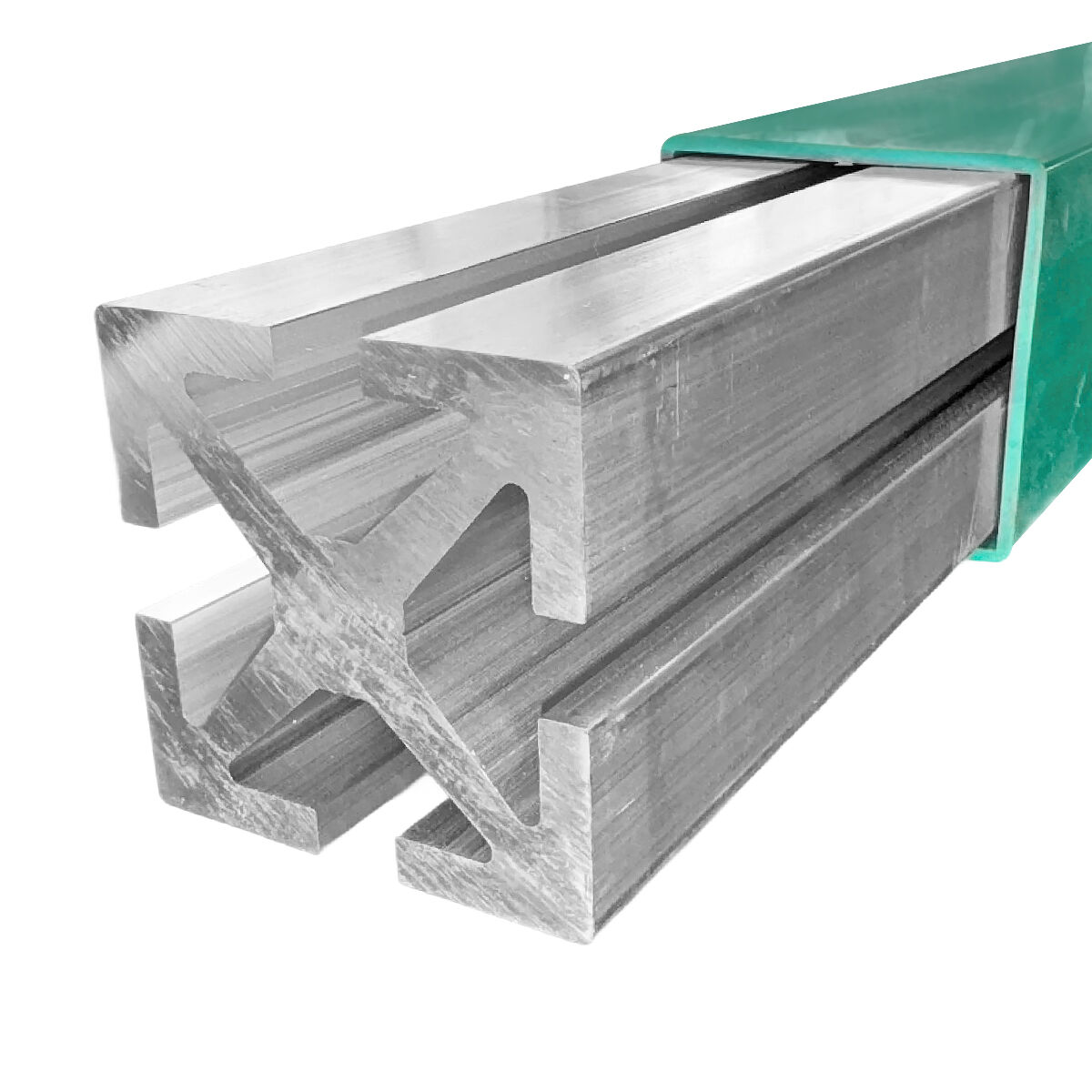
Selecting the right voltage busway configuration is a critical decision that impacts electrical distribution efficiency, safety, and long-term operational costs. Modern industrial facilities, commercial buildings, and power distribution systems rely heavily on properly configured voltage busway systems to deliver reliable electrical power throughout their infrastructure. Understanding the various configuration options available helps electrical engineers, facility managers, and project designers make informed decisions that align with their specific application requirements and electrical load demands.
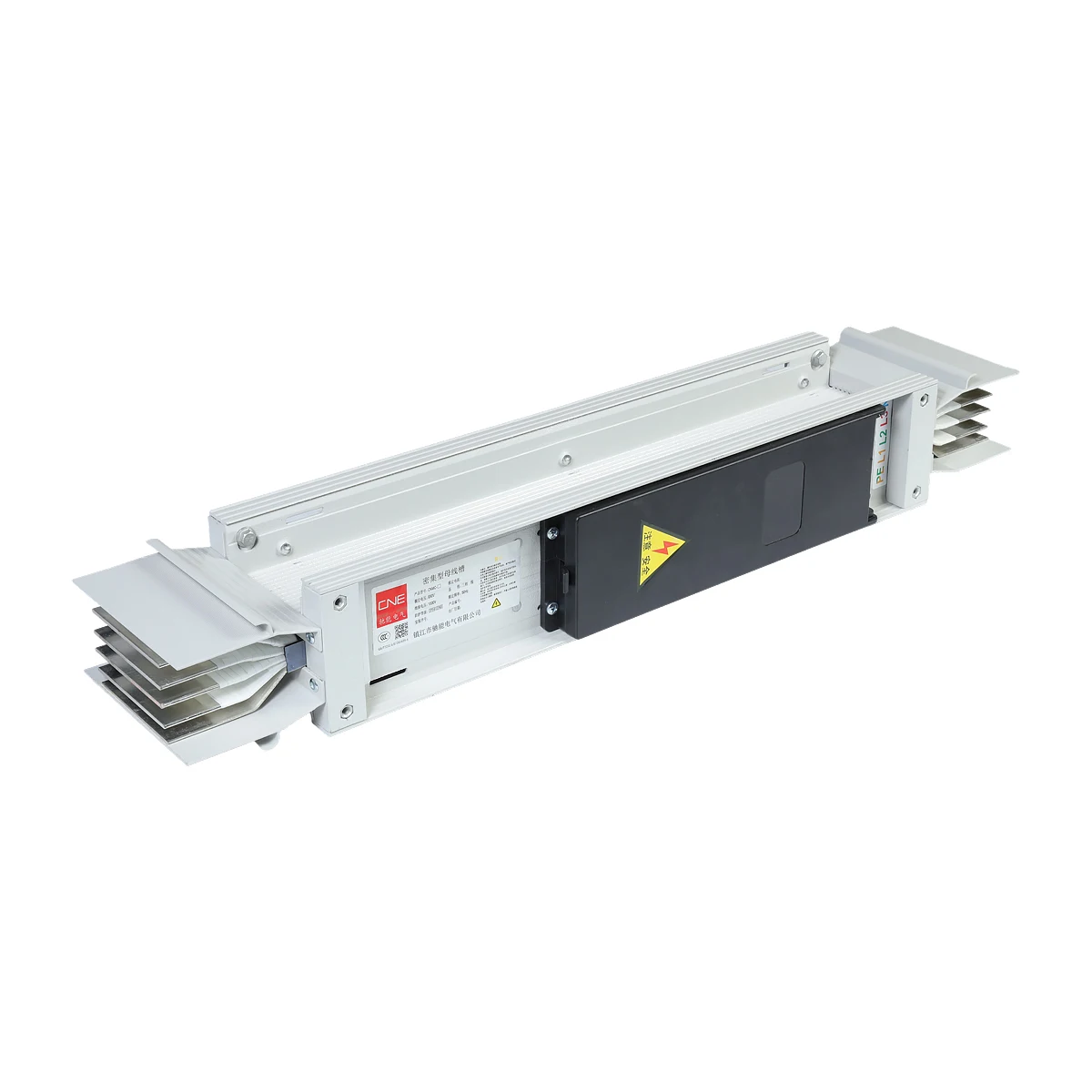
The complexity of voltage busway selection extends beyond simple current ratings and involves careful consideration of installation environments, future expansion needs, maintenance accessibility, and cost-effectiveness. Different voltage classifications, amperage ratings, and physical configurations offer distinct advantages depending on the application context. Proper selection ensures optimal performance while minimizing installation complexity and ongoing maintenance requirements throughout the system's operational lifespan.
Understanding Voltage Busway Fundamentals
Basic Voltage Classifications and Applications
Low voltage busway systems typically operate within the 120V to 600V range and serve as the backbone for most commercial and light industrial applications. These systems excel in environments requiring flexible power distribution with moderate current demands, such as office buildings, retail facilities, and manufacturing plants with standard electrical loads. Low voltage busway configurations offer excellent cost-effectiveness and simplified installation procedures while maintaining high reliability standards.
Medium voltage busway systems operate between 600V and 35kV, providing robust power distribution solutions for heavy industrial applications, large commercial complexes, and utility substations. These configurations handle significantly higher power loads while maintaining compact footprints compared to traditional cable-based distribution methods. Medium voltage busway systems require specialized insulation materials, enhanced safety protocols, and trained personnel for installation and maintenance activities.
High voltage busway applications exceed 35kV and are primarily utilized in utility transmission, large industrial complexes, and critical infrastructure projects. These specialized systems incorporate advanced insulation technologies, sophisticated monitoring capabilities, and extensive safety measures to ensure reliable operation under extreme electrical stress conditions. High voltage configurations demand rigorous engineering analysis, specialized installation techniques, and comprehensive maintenance programs to maintain operational integrity.
Current Rating Considerations
Amperage ratings significantly influence voltage busway configuration selection and directly correlate with conductor cross-sectional area, thermal management requirements, and overall system dimensions. Standard current ratings range from 200A to 6300A for most commercial and industrial applications, with specialized configurations supporting even higher current demands. Proper current rating selection ensures adequate capacity for existing loads while providing reasonable expansion capability for future growth requirements.
Thermal performance becomes increasingly critical as current ratings increase, requiring enhanced conductor materials, improved ventilation designs, and sophisticated temperature monitoring systems. Higher current voltage busway configurations incorporate advanced cooling mechanisms, larger conductor cross-sections, and specialized joint designs to manage heat generation effectively. These thermal considerations directly impact installation spacing, enclosure selection, and ongoing maintenance procedures throughout the system's operational life.
Load diversity factors play crucial roles in determining appropriate current ratings for voltage busway systems serving multiple electrical loads simultaneously. Proper load analysis considers peak demand periods, seasonal variations, future expansion plans, and safety margins to ensure adequate system capacity under all operating conditions. Understanding load characteristics helps optimize voltage busway sizing while avoiding over-specification that increases unnecessary costs and installation complexity.
Physical Configuration Options
Compact Sandwich Designs
Compact sandwich voltage busway configurations utilize layered conductor arrangements to minimize space requirements while maintaining excellent electrical performance characteristics. These designs feature tightly packed conductor phases separated by high-quality insulation materials, creating remarkably compact cross-sectional profiles suitable for space-constrained installations. Sandwich configurations excel in applications where installation space limitations require maximum power density within minimal enclosure dimensions.
The sandwich design approach offers superior electromagnetic characteristics compared to traditional conductor arrangements, reducing inductance and improving power factor performance. This configuration minimizes voltage drops over extended runs while maintaining stable electrical characteristics under varying load conditions. Enhanced electromagnetic performance translates to improved system efficiency, reduced energy losses, and better overall power quality throughout the distribution network.
Installation flexibility represents another significant advantage of compact sandwich voltage busway designs, allowing routing through congested areas, tight bends, and confined spaces where traditional busway configurations prove impractical. The reduced profile enables creative installation approaches, including ceiling-mounted routing, wall-mounted configurations, and integration with building structural elements without compromising accessibility or maintenance requirements.
Conventional Busbar Arrangements
Traditional busbar voltage busway configurations employ spaced conductor arrangements with air or gas insulation between phases, providing excellent accessibility for maintenance activities and visual inspection procedures. These designs offer proven reliability, simplified troubleshooting capabilities, and straightforward expansion options for future system modifications. Conventional arrangements excel in applications where maintenance accessibility outweighs space conservation considerations.
Cooling performance advantages characterize conventional voltage busway designs due to enhanced air circulation around individual conductors, enabling effective heat dissipation under high load conditions. Natural convection cooling reduces dependence on forced ventilation systems while maintaining acceptable operating temperatures throughout normal operation ranges. This thermal advantage proves particularly valuable in high-current applications where heat generation becomes a limiting factor.
Modular expansion capabilities represent key strengths of conventional voltage busway systems, allowing straightforward additions, modifications, and reconfigurations throughout the system's operational lifetime. Standard connection methods, readily available components, and simplified installation procedures support cost-effective system modifications as facility requirements evolve. This flexibility reduces long-term ownership costs while maintaining system reliability and performance standards.
Installation Environment Factors
Indoor Installation Considerations
Indoor voltage busway installations require careful evaluation of environmental conditions, including ambient temperature ranges, humidity levels, and potential exposure to corrosive substances or contaminants. Climate-controlled environments typically allow standard enclosure materials and insulation systems, while harsh industrial conditions may necessitate enhanced protection ratings and specialized material selections. Proper environmental assessment ensures long-term reliability and minimizes maintenance requirements throughout the system's operational life.
Space constraints within buildings significantly influence voltage busway configuration selection, routing options, and installation methodologies. Existing structural elements, mechanical systems, and architectural features create routing challenges that require flexible busway designs and creative installation approaches. Compact configurations often prove advantageous in retrofits and renovations where available space limitations restrict traditional installation methods.
Fire safety requirements mandate specific enclosure materials, insulation systems, and installation methods for indoor voltage busway applications in occupied buildings. Flame-resistant materials, smoke generation limitations, and emergency disconnect accessibility ensure compliance with building codes and life safety requirements. These safety considerations influence configuration selection and may require specialized components or installation techniques.
Outdoor Installation Requirements
Outdoor voltage busway installations face exposure to weather elements, temperature extremes, and environmental contaminants that demand robust enclosure systems and enhanced protection ratings. Moisture ingress prevention, UV radiation resistance, and thermal expansion accommodation become critical design considerations for outdoor applications. Specialized enclosure materials and sealing systems ensure reliable operation under diverse weather conditions throughout extended operational periods.
Seismic considerations influence outdoor voltage busway installation methods, support systems, and flexible connection requirements in earthquake-prone regions. Proper structural analysis, appropriate support spacing, and flexible joints accommodate ground movement while maintaining electrical continuity and structural integrity. These seismic provisions require specialized engineering analysis and may influence configuration selection for outdoor installations.
Maintenance accessibility becomes more challenging for outdoor voltage busway installations due to weather exposure, elevated mounting locations, and potential security restrictions. Configuration selection must balance protection requirements with maintenance access needs, ensuring safe and efficient service procedures throughout the system's operational lifetime. Weather-resistant access points, appropriate lighting, and safe working platforms support effective maintenance programs for outdoor installations.
Economic and Efficiency Considerations
Initial Installation Costs
Initial cost analysis for voltage busway configurations encompasses equipment costs, installation labor, supporting infrastructure, and project timeline considerations that vary significantly between different configuration options. Compact designs typically command higher material costs but offer reduced installation labor and space requirements that may offset equipment premiums. Comprehensive cost analysis considers total installed costs rather than equipment costs alone to identify the most economical configuration option.
Installation complexity directly impacts labor costs and project schedules, with some voltage busway configurations requiring specialized tools, techniques, or personnel qualifications that increase installation expenses. Standardized configurations with proven installation methods typically offer lower labor costs and reduced project risks compared to specialized or custom designs. Project scheduling considerations must account for material lead times, installation complexity, and potential weather delays for outdoor installations.
Supporting infrastructure requirements vary between voltage busway configurations and significantly impact total project costs through structural modifications, foundation work, and utility connections. Lightweight configurations may reduce structural requirements while high-current systems might necessitate enhanced cooling systems or specialized foundations. Complete project cost analysis includes all supporting infrastructure elements to accurately compare configuration alternatives.
Long-term Operational Efficiency
Energy efficiency differences between voltage busway configurations directly impact operational costs through reduced losses, improved power factor, and enhanced system reliability over extended operational periods. Higher efficiency configurations justify initial cost premiums through reduced energy consumption, lower cooling requirements, and improved overall system performance. Life-cycle cost analysis considers energy savings, maintenance costs, and reliability improvements to determine optimal configuration selection.
Maintenance requirements vary substantially between different voltage busway configurations, influencing long-term operational costs through scheduled maintenance activities, replacement component costs, and system downtime expenses. Configurations with enhanced accessibility, standardized components, and proven reliability records typically offer lower maintenance costs throughout their operational lifetime. Maintenance cost projections should consider component replacement cycles, inspection requirements, and potential upgrade needs.
System reliability impacts operational costs through reduced downtime, improved production efficiency, and enhanced facility operations continuity. High-reliability voltage busway configurations minimize unplanned outages, reduce emergency repair costs, and support consistent facility operations that justify initial investment premiums. Reliability considerations become increasingly important for critical facilities where power interruptions create significant operational and financial consequences.
Safety and Compliance Standards
Electrical Safety Requirements
Electrical safety standards govern voltage busway configuration selection through specific requirements for insulation levels, clearance distances, and protection systems that ensure personnel safety during installation, operation, and maintenance activities. Different voltage classifications mandate distinct safety measures, with higher voltages requiring enhanced insulation, increased clearances, and specialized safety equipment. Compliance with applicable electrical codes ensures safe operation while avoiding regulatory violations and associated penalties.
Arc flash protection represents a critical safety consideration for voltage busway installations, requiring appropriate protective equipment, warning labels, and operational procedures to minimize personnel exposure risks. Configuration selection influences arc flash energy levels, with some designs offering inherent protection advantages through improved conductor arrangements and enhanced enclosure systems. Proper arc flash analysis guides configuration selection and establishes appropriate safety protocols for maintenance activities.
Grounding and bonding requirements ensure electrical safety while providing reliable fault current paths for protective device operation during abnormal conditions. Voltage busway configurations must incorporate appropriate grounding connections, equipment bonding, and fault current handling capabilities to maintain safety standards throughout all operating conditions. Proper grounding design prevents dangerous voltage levels on accessible surfaces while ensuring reliable protective device operation.
Environmental Compliance
Environmental regulations influence voltage busway material selection, manufacturing processes, and end-of-life disposal considerations that impact configuration choices and long-term environmental responsibility. Lead-free materials, recyclable components, and sustainable manufacturing practices address environmental compliance requirements while supporting corporate sustainability objectives. Environmental considerations increasingly influence procurement decisions and configuration selection processes.
Energy efficiency regulations promote voltage busway configurations that minimize electrical losses, reduce cooling requirements, and improve overall system efficiency to meet environmental performance standards. High-efficiency designs support regulatory compliance while reducing operational costs and environmental impact throughout the system's operational lifetime. Efficiency considerations align environmental responsibility with economic benefits in configuration selection decisions.
Hazardous material restrictions limit certain insulation materials, conductor platings, and component materials in voltage busway configurations to ensure environmental safety and regulatory compliance. Alternative materials and manufacturing processes address regulatory requirements while maintaining electrical performance and reliability standards. Material selection considerations must balance performance requirements with environmental compliance obligations.
Future Expansion and Flexibility
Scalability Options
Future expansion capabilities significantly influence voltage busway configuration selection by determining how easily systems can accommodate increased loads, additional circuits, or facility modifications throughout their operational lifetime. Modular designs with standardized connection methods support cost-effective expansion while maintaining system reliability and performance characteristics. Scalability considerations should account for potential load growth, facility changes, and technology upgrades that may occur during the system's service life.
Load growth projections guide voltage busway sizing decisions by establishing capacity requirements for future electrical demands while avoiding excessive over-sizing that increases unnecessary costs. Proper load analysis considers facility expansion plans, equipment additions, and changing operational requirements that influence electrical demand patterns. Accurate load projections ensure adequate capacity while optimizing initial investment levels and configuration selection.
Connection flexibility enables voltage busway systems to accommodate changing electrical distribution requirements through tap-off modifications, circuit additions, and load redistribution without major system disruptions. Configurations with multiple tap-off options, standardized connection methods, and accessible junction points support operational flexibility while minimizing modification costs. Flexibility considerations become particularly important for facilities with evolving operational requirements or uncertain future needs.
Technology Integration
Smart monitoring capabilities increasingly influence voltage busway configuration selection as facilities adopt advanced monitoring systems for predictive maintenance, energy management, and operational optimization. Configurations with integrated monitoring capabilities, communication interfaces, and data collection systems support modern facility management practices while enabling proactive maintenance strategies. Technology integration considerations should account for current monitoring needs and future automation requirements.
Communication infrastructure requirements for smart voltage busway systems include data transmission capabilities, network connectivity, and integration with existing facility management systems. Modern configurations incorporate digital monitoring devices, wireless communication options, and standardized communication protocols that enable seamless integration with building automation systems. Communication considerations influence configuration selection and installation planning processes.
Upgrade compatibility ensures voltage busway systems can accommodate future technology improvements, enhanced monitoring capabilities, and evolving industry standards without requiring complete system replacement. Forward-compatible designs with standardized interfaces, modular components, and expansion capabilities support technology upgrades while protecting initial investments. Compatibility considerations help ensure long-term system viability and continued performance improvements.
FAQ
What factors determine the appropriate voltage rating for a busway system?
Voltage rating selection depends on the electrical system voltage, load requirements, distribution distances, and safety considerations specific to your application. Low voltage busway systems work well for most commercial applications up to 600V, while medium voltage options handle larger industrial loads and longer distribution runs. Consider future expansion needs, local electrical codes, and system compatibility when determining appropriate voltage ratings for your specific installation requirements.
How does current rating affect voltage busway configuration choices?
Current rating directly influences conductor size, thermal management requirements, and physical dimensions of voltage busway configurations. Higher current ratings require larger conductors, enhanced cooling systems, and more robust support structures that impact installation costs and space requirements. Proper current rating selection should account for existing loads, future expansion plans, and appropriate safety margins while avoiding unnecessary over-sizing that increases project costs.
What are the main differences between compact and conventional busway designs?
Compact voltage busway designs offer space-saving advantages through layered conductor arrangements and advanced insulation systems, while conventional designs provide better accessibility and cooling performance through spaced conductor configurations. Compact designs excel in space-constrained installations but may require specialized tools for maintenance, whereas conventional designs offer simplified maintenance access but require more installation space. Consider your specific space limitations, maintenance requirements, and performance priorities when choosing between these configuration options.
How do environmental conditions influence voltage busway selection?
Environmental conditions significantly impact voltage busway material selection, enclosure requirements, and installation methods. Indoor installations typically allow standard materials and protection ratings, while outdoor applications require weather-resistant enclosures, enhanced sealing systems, and specialized materials for UV and corrosion resistance. Consider temperature extremes, humidity levels, potential contaminants, and exposure conditions when selecting appropriate voltage busway configurations for your specific installation environment.