
 EN
EN
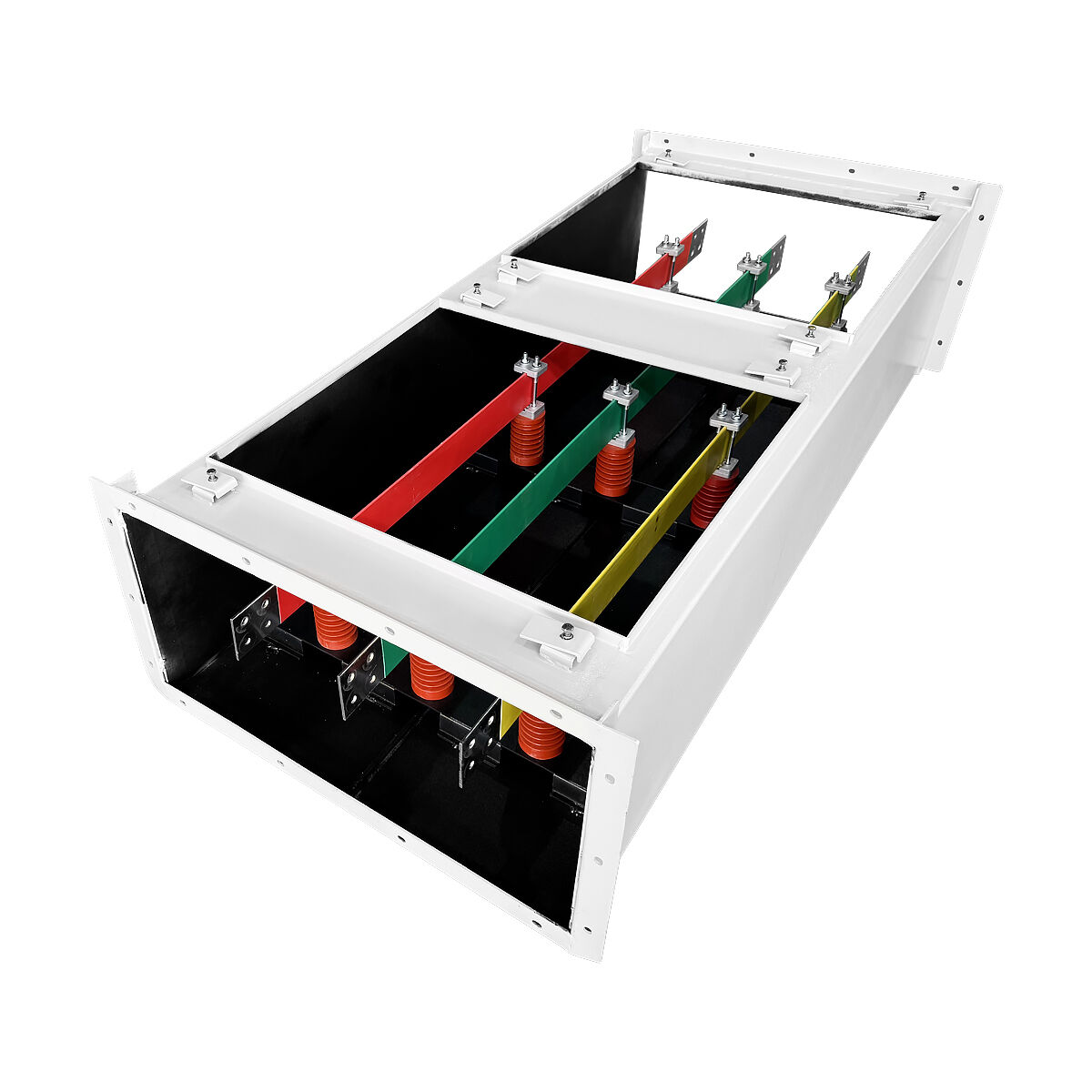
Modern industrial facilities and commercial buildings require efficient, reliable power distribution systems that can handle increasing electrical demands while maintaining safety standards. Traditional cable-based distribution methods often fall short when dealing with high-current applications or complex routing requirements. A voltage busway system represents an advanced solution that addresses these challenges through its innovative design and superior electrical performance characteristics.
The implementation of voltage busway technology has revolutionized how engineers approach power distribution in large-scale installations. These systems offer significant advantages over conventional wiring methods, particularly in applications where space constraints, maintenance accessibility, and electrical efficiency are primary concerns. Understanding how a voltage busway improves power distribution efficiency requires examining its fundamental design principles and operational benefits.
Understanding Voltage Busway Technology
Core Components and Design Architecture
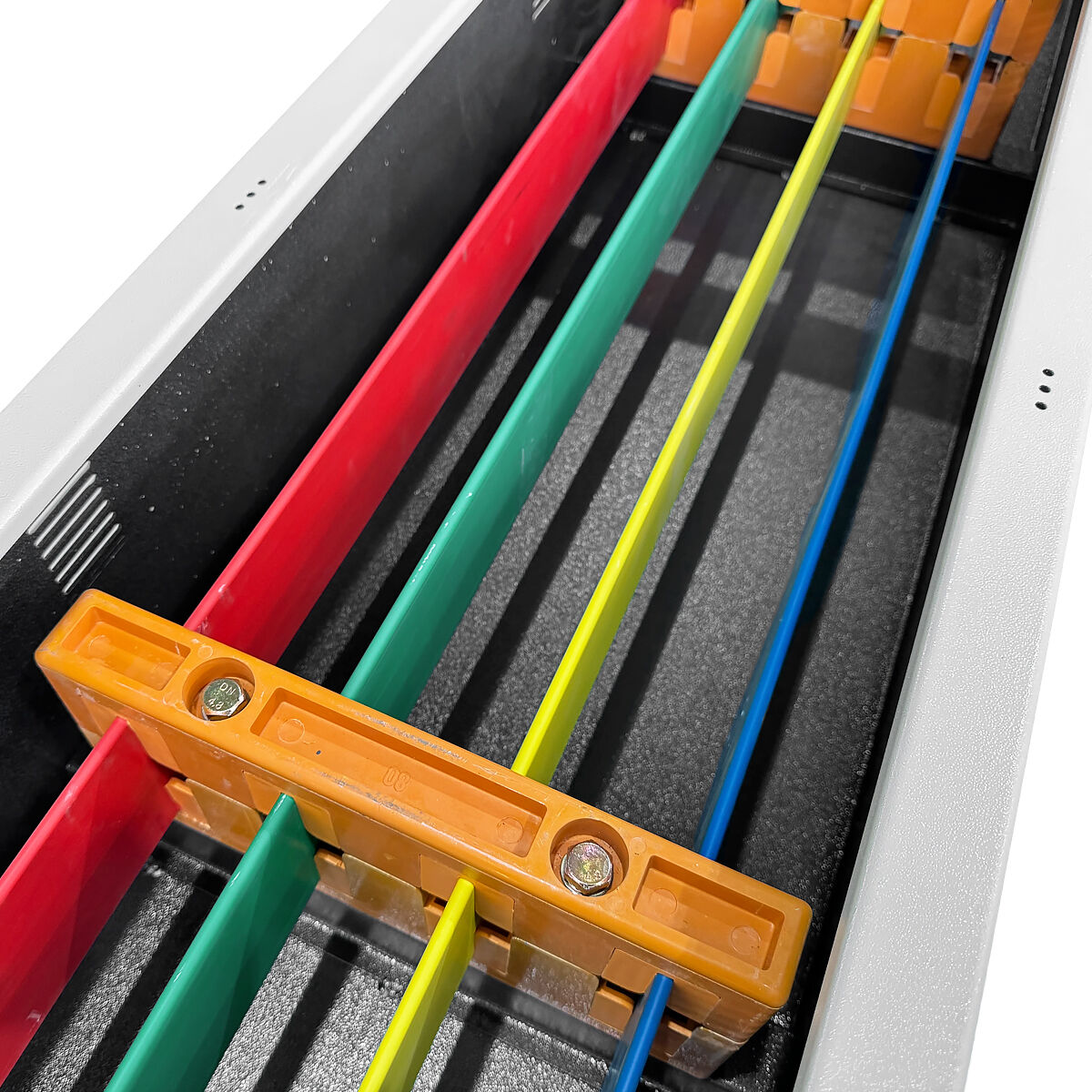
A voltage busway consists of copper or aluminum conductors housed within a protective metal enclosure, forming a compact and efficient power distribution system. The conductors are precisely engineered to carry specific current ratings while maintaining optimal spacing for thermal management and electrical isolation. This design eliminates the need for multiple individual cables, reducing installation complexity and improving overall system reliability.
The enclosure system provides mechanical protection while facilitating heat dissipation through strategically placed ventilation features. Advanced voltage busway designs incorporate modular construction principles, allowing for easy system expansion and modification without requiring extensive rewiring. The standardized connection interfaces ensure compatibility between different sections and components, simplifying both initial installation and future maintenance procedures.
Electrical Performance Characteristics
The electrical performance of a voltage busway system significantly exceeds that of traditional cable installations in several key areas. The larger conductor cross-sectional area reduces electrical resistance, resulting in lower power losses and improved voltage regulation throughout the distribution network. This enhanced electrical efficiency translates directly into reduced operating costs and improved system performance.
Power factor considerations also favor voltage busway implementation, as the uniform conductor spacing and optimized geometry minimize reactive power losses. The reduced impedance characteristics of these systems enable better load balancing and more stable voltage levels, particularly important in facilities with variable load conditions or sensitive electronic equipment.
Efficiency Improvements Through Advanced Engineering
Thermal Management and Heat Dissipation
Effective thermal management represents one of the most significant efficiency improvements offered by voltage busway systems. The metal enclosure acts as a heat sink, dissipating thermal energy more effectively than cables buried in conduits or cable trays. This superior heat dissipation capability allows the voltage busway to carry higher current loads without derating, maximizing the utilization of the installed capacity.
The improved thermal characteristics also extend the operational lifespan of the system components, reducing maintenance requirements and replacement costs over time. Temperature monitoring capabilities can be integrated into advanced voltage busway designs, providing real-time thermal data that enables predictive maintenance strategies and optimal load management.
Reduced Installation and Maintenance Complexity
Installation efficiency represents another major advantage of voltage busway technology compared to conventional cable distribution methods. The modular design allows for rapid assembly and connection, significantly reducing labor costs and installation timeframes. Standardized connection points eliminate the need for specialized termination procedures, further simplifying the installation process.
Maintenance accessibility is greatly enhanced through the voltage busway design, as individual sections can be easily accessed, inspected, and replaced without disturbing adjacent systems. This accessibility reduces maintenance downtime and allows for more frequent preventive maintenance activities, ultimately improving overall system reliability and performance.
Applications and Industry Benefits
Industrial Manufacturing Facilities
Manufacturing environments present unique challenges for power distribution systems, including harsh operating conditions, variable load requirements, and the need for reliable power delivery to critical equipment. A voltage busway system addresses these challenges through its robust construction and superior electrical performance characteristics.
The ability to handle high current loads while maintaining compact dimensions makes voltage busway systems ideal for powering heavy machinery, production lines, and automated equipment. The modular design facilitates easy reconfiguration as manufacturing processes evolve, providing the flexibility needed in dynamic industrial environments.
Commercial and Data Center Applications
Commercial buildings and data centers require highly reliable power distribution systems that can accommodate growing electrical demands while maintaining efficient operation. Voltage busway technology provides the scalability and reliability needed for these applications, with the added benefit of reduced space requirements compared to equivalent cable installations.
The clean, organized appearance of voltage busway systems also contributes to improved facility aesthetics and easier facility management. The reduced electromagnetic interference characteristics of properly designed voltage busway systems help protect sensitive electronic equipment commonly found in modern commercial environments.
Economic and Environmental Advantages
Cost-Effectiveness Over System Lifecycle
While the initial investment in a voltage busway system may be higher than traditional cable installations, the total cost of ownership typically favors the busway solution. Reduced installation labor, lower energy losses, and decreased maintenance requirements contribute to significant long-term cost savings.
The improved electrical efficiency of voltage busway systems results in measurable energy savings over the system lifespan. These energy savings become increasingly important as utility costs rise and environmental regulations become more stringent. The ability to reconfigure and expand voltage busway systems without major infrastructure changes also provides economic benefits when facility requirements change.
Environmental Impact and Sustainability
The environmental benefits of voltage busway technology extend beyond energy efficiency improvements. The reduced material requirements compared to equivalent cable installations result in lower environmental impact during manufacturing and installation. The modular design also facilitates recycling at the end of the system lifespan, supporting sustainable facility management practices.
Voltage busway systems contribute to green building initiatives through their energy efficiency characteristics and reduced environmental impact. The improved power quality provided by these systems also reduces the environmental impact of connected equipment by enabling more efficient operation and extending equipment lifespan.
Technical Specifications and Selection Criteria
Current Rating and Voltage Classifications
Selecting the appropriate voltage busway system requires careful consideration of electrical requirements, environmental conditions, and future expansion needs. Current ratings typically range from several hundred amperes to several thousand amperes, with voltage classifications covering low-voltage and medium-voltage applications.
The conductor material selection between copper and aluminum affects both electrical performance and cost considerations. Copper voltage busway systems provide superior electrical conductivity and corrosion resistance, while aluminum systems offer weight and cost advantages for certain applications.
Environmental and Installation Considerations
Environmental factors significantly influence voltage busway selection and installation requirements. Temperature extremes, humidity levels, and exposure to corrosive substances must be considered when specifying enclosure materials and protective coatings. Indoor versus outdoor installation requirements also affect design specifications and cost considerations.
Seismic considerations may require special mounting and support systems for voltage busway installations in earthquake-prone regions. The modular design of these systems can actually provide advantages in seismic applications through their ability to accommodate building movement without compromising electrical connections.
Future Developments and Technology Trends
Smart Grid Integration and Monitoring
The integration of smart grid technologies with voltage busway systems represents an emerging trend that promises further efficiency improvements. Advanced monitoring capabilities enable real-time assessment of electrical parameters, load conditions, and system health, supporting optimized operation and predictive maintenance strategies.
Digital communication capabilities integrated into next-generation voltage busway systems will enable seamless integration with building management systems and smart grid infrastructure. These capabilities will provide facility managers with unprecedented visibility into power distribution system performance and enable more sophisticated energy management strategies.
Material Science and Design Innovations
Ongoing developments in material science continue to improve voltage busway performance characteristics. Advanced conductor materials and insulation systems promise further reductions in electrical losses and improved thermal management capabilities. These innovations will expand the application range and efficiency benefits of voltage busway technology.
Modular design concepts are evolving to provide even greater flexibility and ease of installation. Future voltage busway systems may incorporate plug-and-play connection technologies that further simplify installation and maintenance procedures while improving system reliability.
FAQ
What is the typical lifespan of a voltage busway system compared to traditional cable installations
A properly installed and maintained voltage busway system typically provides 25-30 years of reliable service, which is comparable to or better than traditional cable installations. The superior thermal management and protection from environmental factors often result in extended operational life compared to cables in harsh environments. Regular inspection and maintenance can further extend system lifespan while maintaining optimal performance characteristics.
How does voltage busway installation cost compare to equivalent cable systems
While voltage busway systems may have higher initial material costs, the total installation cost is often competitive with cable systems when labor and associated infrastructure requirements are considered. The reduced installation time and simplified connection procedures typically offset the material cost difference. Long-term operational savings through improved efficiency and reduced maintenance requirements provide additional economic benefits over the system lifecycle.
Can voltage busway systems be installed in outdoor environments
Yes, voltage busway systems can be designed for outdoor installation with appropriate environmental protection features. Weatherproof enclosures, drainage systems, and corrosion-resistant materials enable outdoor operation while maintaining safety and performance standards. However, outdoor installations require careful consideration of local climate conditions, UV exposure, and maintenance accessibility when selecting system specifications.
What maintenance is required for voltage busway systems
Voltage busway systems require minimal routine maintenance compared to traditional cable installations. Typical maintenance activities include periodic inspection of connections, cleaning of enclosure surfaces, and verification of protective device settings. The accessible design of most voltage busway systems facilitates these maintenance activities and enables more thorough inspection procedures. Thermal imaging and electrical testing can be performed easily to assess system condition and identify potential issues before they affect operations.