
 EN
EN
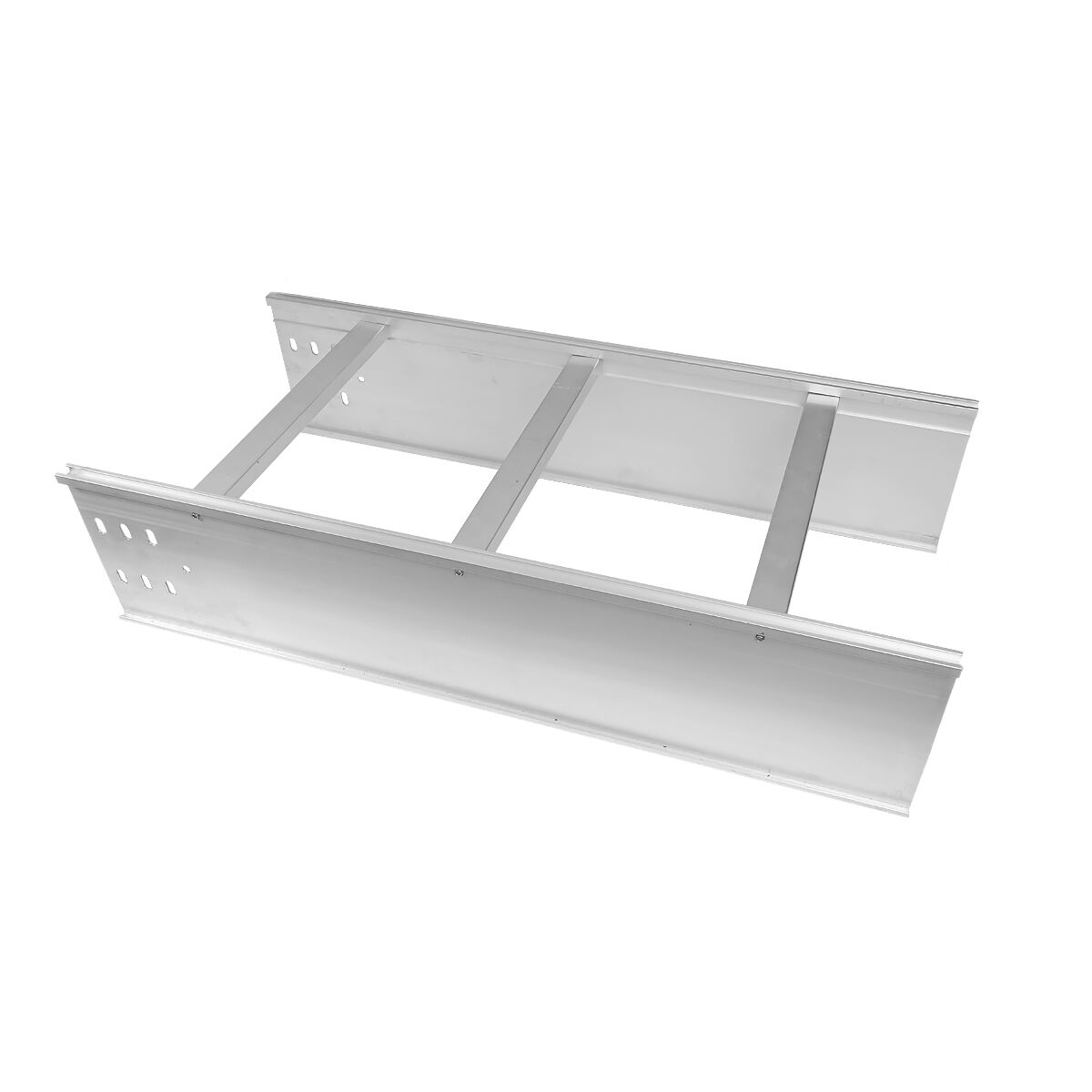
Modern electrical and data infrastructure demands efficient cable management solutions that streamline both installation and ongoing maintenance operations. A cable ladder system represents one of the most versatile and practical approaches to organizing cables across commercial, industrial, and data center environments. These structural support systems provide a reliable foundation for cable routing while significantly reducing the complexity associated with maintenance tasks and cable replacement procedures.
The strategic implementation of cable ladder infrastructure transforms traditionally challenging maintenance scenarios into manageable routine procedures. Unlike enclosed conduit systems or solid cable trays, the open-rung design of a cable ladder facilitates immediate visual inspection and direct access to individual cables without requiring extensive disassembly. This accessibility advantage becomes particularly valuable during troubleshooting situations where rapid identification and isolation of problematic cables can minimize system downtime and operational disruptions.
Professional installers and maintenance technicians consistently recognize cable ladder systems for their ability to accommodate future expansion requirements while maintaining existing cable organization. The inherent flexibility of these support structures allows for seamless integration of additional cables without compromising the integrity of previously installed infrastructure. This adaptability ensures that evolving technological requirements and facility expansions can be addressed efficiently without requiring complete system overhauls.
Structural Advantages for Cable Management
Enhanced Ventilation and Heat Dissipation
The open-rung construction of a cable ladder promotes superior air circulation around installed cables, which proves essential for preventing heat buildup that can degrade cable performance and lifespan. Power cables, data transmission lines, and control wiring all benefit from the natural convection cooling that ladder-style support systems facilitate. This thermal management capability becomes increasingly important in high-density installations where multiple cables operate simultaneously under varying load conditions.
Proper heat dissipation extends cable service life and maintains signal integrity across communication networks. The spacing between ladder rungs creates consistent air gaps that allow heated air to rise naturally while drawing cooler air upward through the cable bundle. This passive cooling effect reduces the risk of insulation breakdown and conductor oxidation that commonly occurs in enclosed or poorly ventilated cable routing systems.
Load Distribution and Structural Integrity
A properly sized cable ladder distributes cable weight evenly across multiple support points, preventing stress concentrations that could damage individual cables or compromise system reliability. The ladder rails transfer loads directly to structural mounting points, creating a stable platform that can accommodate substantial cable weights without sagging or deformation. This load distribution characteristic proves particularly valuable in industrial environments where heavy-gauge power cables and armored control wiring require robust support infrastructure.
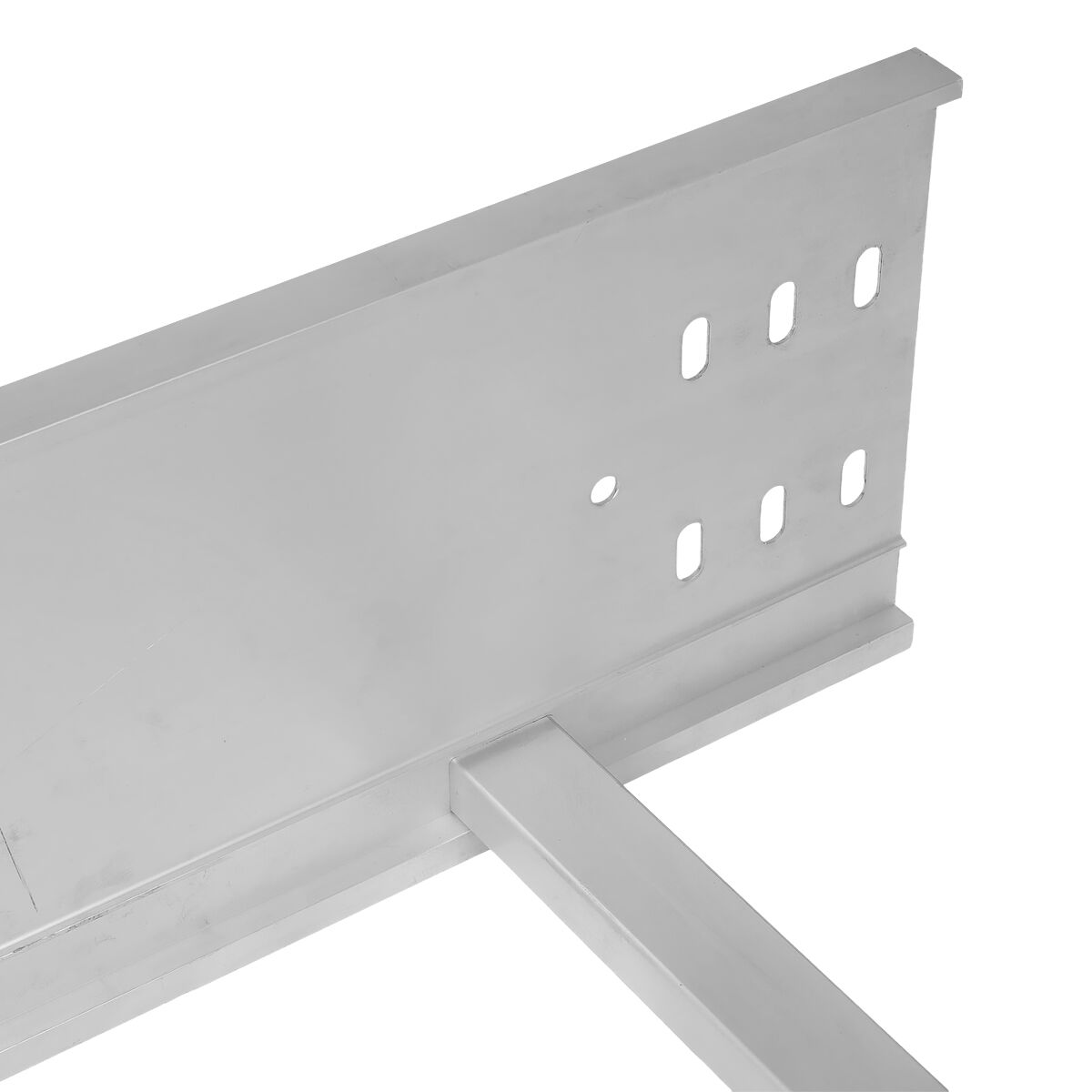
The modular construction of modern cable ladder systems allows engineers to specify appropriate load ratings based on specific installation requirements. Standard ladder sections can be connected using mechanical fasteners or welded joints to create continuous runs that maintain structural integrity across extended distances. This scalability ensures that cable support requirements can be matched precisely to actual installation conditions without over-engineering or compromising safety factors.
Maintenance Efficiency and Accessibility Features
Visual Inspection Capabilities
The open design of a cable ladder system enables comprehensive visual inspection of installed cables without requiring specialized access equipment or extensive disassembly procedures. Maintenance personnel can quickly identify physical damage, insulation degradation, or connection issues that might otherwise remain hidden within enclosed cable routing systems. This visibility advantage significantly reduces the time required for routine inspections and enables proactive maintenance approaches that prevent minor issues from developing into major system failures.
Regular visual inspections become particularly effective when cables are properly organized and labeled within the ladder structure. Color-coded identification systems and strategic cable routing patterns allow technicians to trace individual circuits efficiently, reducing troubleshooting time and minimizing the risk of accidentally disturbing unrelated cables during maintenance activities. The ability to observe cable conditions continuously throughout their service life supports data-driven maintenance scheduling and replacement planning.
Direct Access for Cable Modifications
Cable replacement and modification tasks become significantly more manageable when cables are supported by cable ladder infrastructure rather than enclosed conduit systems. Individual cables can be removed or repositioned without disturbing adjacent wiring, which reduces the scope and complexity of maintenance operations. This selective access capability proves essential in dynamic environments where cable configurations must be modified frequently to accommodate changing operational requirements or equipment upgrades.
The open-rung design eliminates the need for cable pulling through confined spaces, which reduces installation time and minimizes the risk of cable damage during placement or removal procedures. New cables can be laid directly onto ladder rungs and secured using appropriate fastening methods, while existing cables can be relocated or removed without requiring extensive coordination with other system components. This operational flexibility translates directly into reduced maintenance costs and shorter system downtime periods.
Cable Organization and Routing Strategies
Systematic Cable Placement Methods
Effective cable ladder utilization requires systematic approaches to cable placement that optimize both performance and maintainability. Strategic routing patterns separate power cables from data transmission lines to minimize electromagnetic interference while maintaining adequate spacing for thermal management. The ladder structure supports multiple cable layers when necessary, allowing complex installations to be organized hierarchically based on voltage levels, signal types, or operational priorities.
Professional installation practices emphasize the importance of maintaining consistent cable spacing and securing methods throughout the ladder system. Proper cable ties and supports prevent individual cables from sagging between rungs while allowing sufficient flexibility for thermal expansion and routine handling. These installation standards ensure that the cable ladder system continues to provide reliable support throughout the service life of the installed infrastructure.
Future Expansion Planning
A well-designed cable ladder installation incorporates adequate spare capacity to accommodate future cable additions without requiring structural modifications or complete system reconfiguration. This forward-thinking approach recognizes that most electrical and communication systems undergo periodic upgrades or expansions that necessitate additional cable routing capacity. The open architecture of ladder systems makes it relatively straightforward to add new cables alongside existing installations when spare capacity has been appropriately planned.
Expansion planning considerations include both physical space allocation and load capacity margins that account for anticipated future requirements. The modular nature of cable ladder systems supports incremental expansion approaches where additional ladder sections can be added as needed without disrupting existing cable installations. This scalability advantage provides facility managers with flexible infrastructure solutions that adapt to evolving operational requirements over extended time periods.
Installation and Configuration Benefits
Simplified Installation Procedures
The installation process for a cable ladder system typically requires less specialized labor and equipment compared to alternative cable support methods. Standard ladder sections can be positioned and connected using conventional tools and fastening hardware, which reduces installation complexity and associated costs. The open design eliminates the need for cable pulling equipment and specialized threading techniques that enclosed conduit systems often require.
Pre-fabricated ladder sections arrive at job sites ready for installation with minimal field modifications required. This manufacturing approach ensures consistent quality and dimensional accuracy while reducing on-site fabrication time. The standardized connection methods used in modern cable ladder systems enable efficient assembly by construction crews with appropriate training but without requiring highly specialized expertise in cable routing techniques.
Customization and Adaptation Options
Modern cable ladder manufacturing processes support extensive customization options that allow systems to be tailored to specific installation requirements and environmental conditions. Variable rung spacing, alternative materials, and specialized coatings can be specified to address particular performance or durability requirements. This customization capability ensures that cable ladder solutions can be optimized for diverse applications ranging from outdoor industrial installations to sensitive data center environments.
Field modifications to cable ladder systems can be accomplished using standard cutting and joining techniques when installation conditions require deviations from original design specifications. The structural simplicity of ladder construction allows trained personnel to make necessary adjustments without compromising system integrity or requiring specialized fabrication equipment. This adaptability proves valuable in retrofit situations where existing building constraints may necessitate creative routing solutions.
Cost-Effectiveness and Long-Term Value
Reduced Maintenance Expenses
The accessibility and visibility advantages provided by cable ladder systems translate directly into reduced maintenance expenses over the system lifecycle. Routine inspection and preventive maintenance tasks require less time and labor compared to enclosed cable routing methods, which results in lower ongoing operational costs. The ability to identify and address potential issues before they develop into major problems helps prevent costly emergency repairs and unplanned system downtime.
Cable replacement procedures become more cost-effective when cables are supported by ladder infrastructure due to the reduced labor requirements and shorter completion times. The open access provided by the ladder design eliminates many of the challenges associated with cable pulling through confined spaces, which reduces both installation time and the risk of cable damage during placement procedures. These efficiency gains compound over multiple maintenance cycles to provide substantial cost savings throughout the system service life.
Extended Equipment Service Life
The superior ventilation and load distribution characteristics of cable ladder systems contribute to extended cable service life by maintaining optimal operating conditions and preventing stress-related degradation. Cables that operate within appropriate temperature ranges and experience minimal mechanical stress typically exceed their rated service life, which defers replacement costs and reduces system lifecycle expenses. The investment in quality cable support infrastructure pays dividends through improved reliability and reduced replacement frequency.
Proper cable support provided by a well-designed cable ladder system prevents many common failure modes that result from inadequate mounting or poor routing practices. Cables that are properly supported maintain their physical integrity and electrical characteristics throughout their intended service life, which reduces the frequency of unexpected failures and associated repair costs. This reliability advantage becomes particularly valuable in critical applications where cable failures can result in significant operational disruptions or safety concerns.
FAQ
What makes cable ladder systems more accessible than enclosed cable trays
Cable ladder systems feature an open-rung design that provides direct visual access to installed cables from multiple angles, unlike enclosed trays that require cover removal for inspection. This accessibility allows maintenance personnel to identify issues quickly, trace individual cables efficiently, and perform selective cable replacement without disturbing unrelated wiring. The open structure also enables easier cleaning and prevents debris accumulation that commonly occurs in enclosed systems.
How does proper cable ladder installation affect long-term maintenance costs
A properly installed cable ladder system reduces long-term maintenance costs through improved accessibility, better thermal management, and simplified inspection procedures. The open design allows technicians to complete routine maintenance tasks more quickly and identify potential problems before they require emergency repairs. Additionally, the superior heat dissipation provided by ladder systems extends cable service life, reducing replacement frequency and associated labor costs over the system lifecycle.
Can cable ladder systems accommodate different cable types simultaneously
Yes, cable ladder systems can effectively support multiple cable types including power cables, data transmission lines, and control wiring when properly organized using appropriate separation techniques. Strategic routing patterns and adequate spacing prevent electromagnetic interference between different cable types while maintaining accessibility for maintenance activities. The open structure allows for hierarchical organization based on voltage levels, signal types, or operational priorities to optimize system performance.
What factors determine the appropriate cable ladder size for specific installations
Cable ladder sizing depends on several factors including total cable weight, installation environment, future expansion requirements, and applicable building codes. Engineers must consider the combined weight of all installed cables plus appropriate safety factors, environmental conditions such as temperature and corrosion exposure, and adequate spare capacity for anticipated future cable additions. Professional load calculations and proper material selection ensure that the cable ladder system provides reliable support throughout its intended service life.
Table of Contents
- Structural Advantages for Cable Management
- Maintenance Efficiency and Accessibility Features
- Cable Organization and Routing Strategies
- Installation and Configuration Benefits
- Cost-Effectiveness and Long-Term Value
-
FAQ
- What makes cable ladder systems more accessible than enclosed cable trays
- How does proper cable ladder installation affect long-term maintenance costs
- Can cable ladder systems accommodate different cable types simultaneously
- What factors determine the appropriate cable ladder size for specific installations