
 EN
EN
Modern industrial facilities and data centers rely heavily on robust cable management systems to ensure reliable power distribution and network connectivity. Among the various cable support solutions available, the cable ladder stands out as one of the most versatile and strength-focused options for heavy-duty applications. These engineered structures must withstand significant mechanical loads while providing long-term durability in demanding environments. Understanding the specific design features that enhance cable ladder strength is crucial for engineers, facility managers, and installation professionals who need to select the most appropriate cable management solution for their projects.
Material Selection and Structural Composition
High-Grade Steel Construction
The foundation of any strong cable ladder begins with superior material selection. Premium manufacturers utilize high-tensile strength steel alloys that offer exceptional load-bearing capacity while maintaining reasonable weight characteristics. These steel compositions typically include carbon content optimized for structural applications, ensuring the cable ladder can support heavy cable loads without deformation. The molecular structure of properly selected steel provides inherent resistance to stress fractures and maintains dimensional stability under varying temperature conditions.
Advanced metallurgical processes further enhance the base material properties through controlled cooling and heat treatment procedures. These manufacturing techniques create uniform grain structures throughout the cable ladder framework, eliminating weak points that could compromise overall system integrity. Quality steel selection also considers environmental factors such as corrosion resistance and thermal expansion coefficients to ensure long-term performance reliability.
Stainless Steel Advantages
Stainless steel cable ladder systems offer superior strength characteristics combined with exceptional corrosion resistance properties. The chromium content in stainless steel forms a protective oxide layer that prevents rust formation and maintains structural integrity even in harsh industrial environments. This material choice is particularly valuable in chemical processing facilities, marine applications, and outdoor installations where environmental exposure could compromise system performance.
The inherent strength properties of stainless steel allow for optimized cable ladder designs with reduced material thickness while maintaining required load capacities. This weight reduction translates to easier installation procedures and reduced structural support requirements without sacrificing performance. Additionally, stainless steel maintains its mechanical properties across wide temperature ranges, ensuring consistent cable ladder performance in both extreme heat and cold conditions.
Geometric Design Optimization
Rung Spacing and Configuration
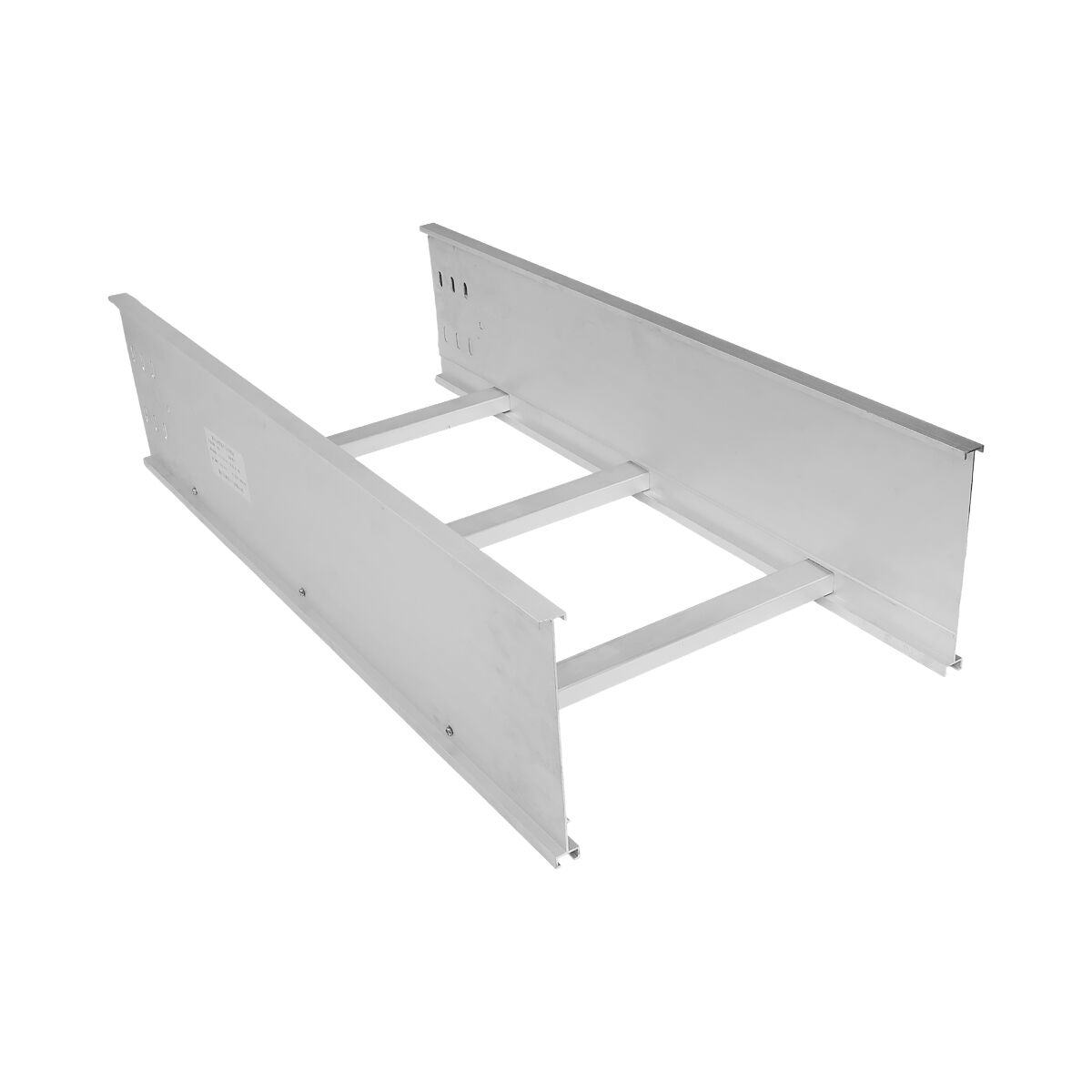
Strategic rung spacing represents a critical design parameter that directly impacts cable ladder strength and functionality. Optimal spacing configurations distribute cable loads evenly across the support structure while providing adequate ventilation for thermal management. Industry standards typically specify rung intervals between 150mm to 300mm, with closer spacing providing enhanced load distribution for heavy cable installations.
The geometric profile of individual rungs also contributes significantly to overall system strength. Rectangular cross-sections offer superior bending resistance compared to round profiles, while maintaining adequate surface area for cable support. Advanced cable ladder designs incorporate slight rung angles that facilitate cable routing while providing positive cable retention during installation and maintenance activities.
Side Rail Engineering
Side rail design represents the primary load-bearing element of any cable ladder system. These components must transfer distributed cable loads to mounting points while maintaining structural rigidity under dynamic loading conditions. Optimal side rail profiles utilize deep section geometries that maximize moment of inertia while minimizing material usage and overall system weight.
Advanced manufacturing techniques enable the production of side rails with variable cross-sections that optimize strength characteristics for specific loading conditions. Tapered designs provide maximum strength at high-stress connection points while reducing unnecessary material in lower-load sections. This engineering approach results in cable ladder systems that achieve superior strength-to-weight ratios compared to conventional uniform cross-section designs.
Connection and Joining Methodologies
Welded Joint Integrity
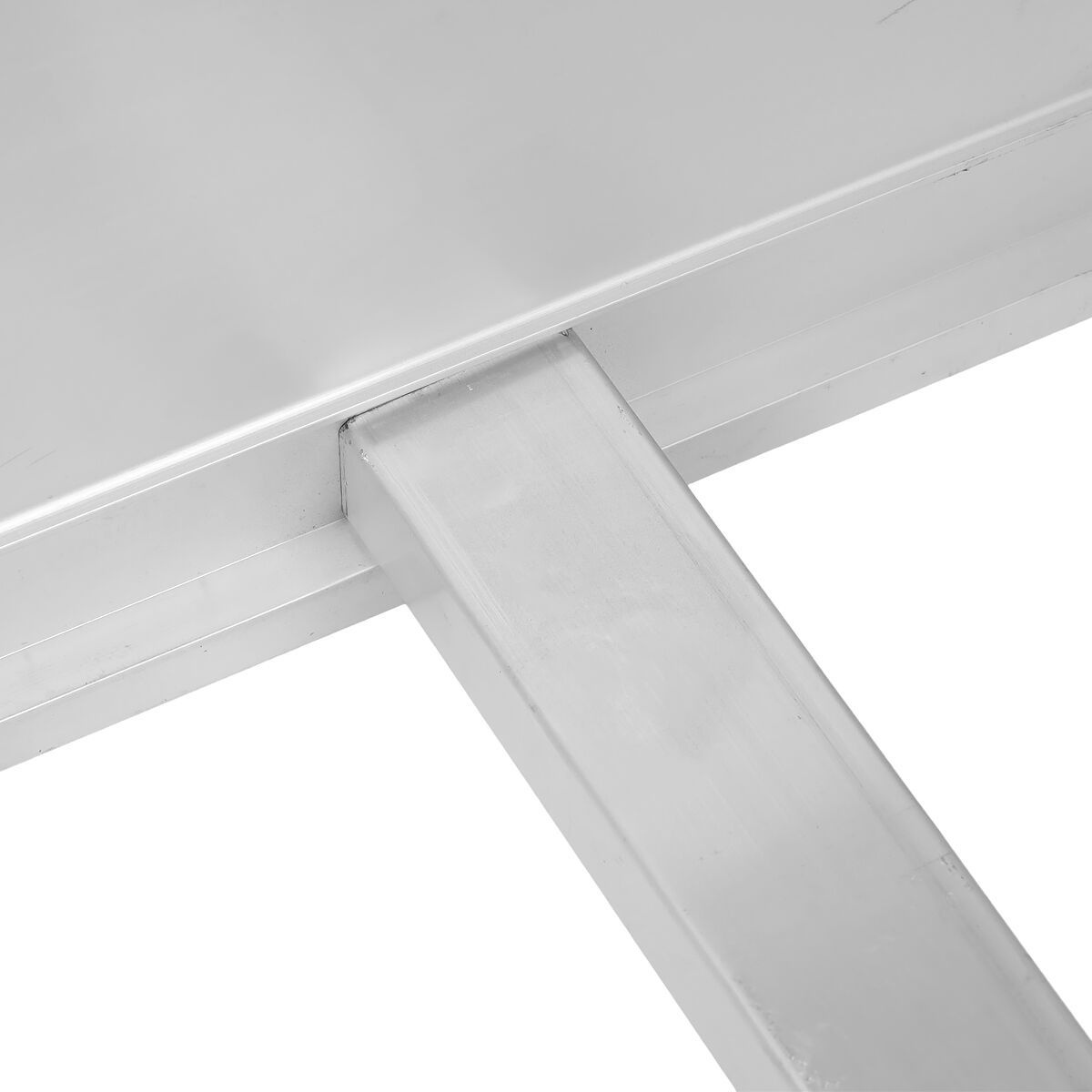
The strength of welded connections between rungs and side rails fundamentally determines the overall structural capacity of the cable ladder system. High-quality welding procedures utilize controlled heat input and appropriate filler materials to create joints that exceed the strength of the base materials. Automated welding processes ensure consistent penetration depths and uniform heat-affected zones that maintain predictable mechanical properties.
Advanced welding techniques incorporate pre-heating and post-weld heat treatment procedures that optimize joint metallurgy and reduce residual stress concentrations. These processes result in cable ladder assemblies with seamless load transfer characteristics and enhanced fatigue resistance under cyclic loading conditions.
Modular Assembly Systems
Modern cable ladder designs increasingly utilize modular connection systems that provide field assembly flexibility while maintaining structural integrity. These systems employ precision-engineered coupling mechanisms that create moment-resistant joints between individual ladder sections. High-strength bolted connections with controlled torque specifications ensure reliable load transfer while allowing for thermal expansion and contraction.
Modular cable ladder systems incorporate alignment features that eliminate installation tolerances and ensure proper joint engagement. These design elements prevent stress concentrations at connection points while facilitating rapid field assembly procedures. Quality modular systems also include corrosion-resistant hardware and gasket seals that maintain long-term joint integrity in challenging environmental conditions.
Load Distribution and Support Mechanisms
Distributed Loading Principles
Effective cable ladder design incorporates load distribution principles that minimize stress concentrations while maximizing overall system capacity. Proper rung configuration ensures that cable loads are transmitted uniformly to side rails rather than creating point loads that could exceed local material limits. This distributed loading approach enables cable ladder systems to support significantly higher total loads while maintaining structural safety margins.
Advanced loading analysis considers dynamic factors such as cable movement during thermal cycling and seismic events. Cable ladder designs that account for these dynamic loads incorporate appropriate safety factors and structural redundancy to prevent catastrophic failures. Proper load distribution also facilitates predictable system behavior that simplifies installation planning and support structure design.
Support Bracket Integration
The interface between cable ladder sections and structural support brackets represents a critical strength component that requires careful engineering consideration. Optimal bracket designs distribute ladder loads over adequate structural areas while maintaining system alignment under varying load conditions. These connections must accommodate thermal movement while preventing stress concentrations that could compromise long-term reliability.
Modern support bracket systems incorporate adjustable features that facilitate field installation while maintaining precise cable ladder alignment. Quality bracket designs also include vibration damping characteristics that prevent fatigue failures in dynamic loading environments. Proper bracket spacing ensures adequate load distribution while minimizing deflection between support points.
Surface Treatment and Protection
Galvanization Processes
Hot-dip galvanization provides exceptional corrosion protection for steel cable ladder systems while maintaining the underlying structural properties of the base material. This process creates a metallurgically bonded zinc coating that provides both barrier and sacrificial protection against environmental corrosion. Properly galvanized cable ladder systems maintain their strength characteristics throughout extended service lives even in corrosive industrial environments.
The galvanization process also enhances the fatigue resistance of cable ladder components by eliminating surface stress concentrations that could initiate crack propagation. Quality control procedures ensure uniform coating thickness and complete coverage of all surfaces, including internal corners and weld zones that are particularly susceptible to corrosion initiation.
Powder Coating Applications
Advanced powder coating systems provide both corrosion protection and enhanced aesthetic appearance for cable ladder installations in visible areas. These coating systems utilize electrostatic application techniques that ensure complete coverage and uniform thickness across complex geometric surfaces. Properly cured powder coatings create seamless protective barriers that prevent moisture penetration while maintaining flexibility under thermal cycling.
High-performance powder formulations incorporate UV stabilizers and chemical resistance additives that extend service life in challenging environmental conditions. These protective systems maintain their integrity throughout the design life of the cable ladder while providing easy maintenance and cleaning capabilities for hygienic applications.
Engineering Standards and Compliance
International Design Codes
Compliance with international engineering standards ensures that cable ladder systems meet minimum strength requirements while providing predictable performance characteristics. Standards such as IEC 61537 and UL 2404 specify testing procedures and performance criteria that validate structural adequacy under specified loading conditions. These standards also establish minimum material requirements and manufacturing quality control procedures.
Advanced cable ladder manufacturers exceed minimum standard requirements through enhanced testing protocols and superior material specifications. This approach provides additional safety margins while ensuring compatibility with demanding installation environments. Compliance documentation also facilitates project approval processes and provides liability protection for installation contractors and facility owners.
Load Testing and Validation
Comprehensive load testing programs validate the actual performance of cable ladder systems under realistic loading conditions. These tests include both static load verification and dynamic performance evaluation to ensure adequate safety margins under all anticipated service conditions. Testing protocols also evaluate long-term performance characteristics through accelerated aging and fatigue testing procedures.
Quality manufacturers maintain extensive testing databases that document performance characteristics across their complete product ranges. This information enables engineers to select appropriate cable ladder configurations with confidence while optimizing system designs for specific applications. Documented test results also provide validation for structural calculations and regulatory compliance requirements.
Installation Considerations for Maximum Strength
Proper Support Spacing
Achieving maximum cable ladder strength requires careful attention to support spacing and mounting procedures during installation. Optimal support intervals depend on cable loading characteristics and environmental conditions, with closer spacing required for heavy power cable installations. Proper support spacing prevents excessive deflection while maintaining system alignment under full loading conditions.
Installation procedures must also consider thermal expansion effects that can create significant forces in rigidly mounted cable ladder systems. Expansion joints and flexible connections accommodate thermal movement while maintaining structural continuity. Proper installation techniques also ensure that mounting forces are distributed appropriately to prevent local stress concentrations.
Quality Control Procedures
Systematic quality control procedures during cable ladder installation ensure that design strength capabilities are fully realized in the completed system. These procedures include verification of connection torque specifications, alignment tolerances, and support adequacy. Comprehensive inspection protocols identify potential issues before they can compromise system performance or safety.
Documentation of installation procedures provides valuable information for future maintenance and modification activities. Quality installation records also facilitate troubleshooting efforts and support warranty claims if performance issues develop during system operation.
FAQ
What factors determine the maximum load capacity of a cable ladder system?
The maximum load capacity of a cable ladder depends on several key factors including material grade and thickness, rung spacing configuration, support bracket spacing, and environmental conditions. Steel grade selection directly impacts the allowable stress levels, while rung spacing affects load distribution characteristics. Support spacing determines the span length and corresponding deflection limits, and environmental factors such as temperature variations can influence material properties and thermal stress development.
How does stainless steel construction improve cable ladder strength compared to carbon steel?
Stainless steel cable ladder construction offers superior strength characteristics through enhanced corrosion resistance and maintained mechanical properties over extended service periods. Unlike carbon steel systems that may experience strength degradation due to corrosion effects, stainless steel maintains its structural integrity throughout its design life. Additionally, stainless steel exhibits excellent fatigue resistance and maintains consistent performance across wide temperature ranges, making it ideal for demanding industrial applications.
What role does welding quality play in overall cable ladder strength?
Welding quality represents a critical factor in cable ladder strength since these connections must transfer loads between system components without creating weak points or stress concentrations. High-quality welding procedures create joints that meet or exceed the strength of the base materials while maintaining consistent mechanical properties. Poor welding practices can result in incomplete penetration, porosity, or heat-affected zone weakening that significantly compromises system performance and safety.
How should cable ladder support spacing be determined for maximum strength utilization?
Cable ladder support spacing should be determined based on the anticipated cable loads, allowable deflection limits, and dynamic loading conditions. Engineering calculations must consider both static cable weight and dynamic forces from thermal expansion, seismic events, and maintenance activities. Optimal support spacing balances structural efficiency with installation cost while maintaining adequate safety margins. Manufacturer specifications and engineering standards provide guidance for appropriate spacing intervals based on specific cable ladder configurations and loading requirements.
Table of Contents
- Material Selection and Structural Composition
- Geometric Design Optimization
- Connection and Joining Methodologies
- Load Distribution and Support Mechanisms
- Surface Treatment and Protection
- Engineering Standards and Compliance
- Installation Considerations for Maximum Strength
-
FAQ
- What factors determine the maximum load capacity of a cable ladder system?
- How does stainless steel construction improve cable ladder strength compared to carbon steel?
- What role does welding quality play in overall cable ladder strength?
- How should cable ladder support spacing be determined for maximum strength utilization?