
 EN
EN
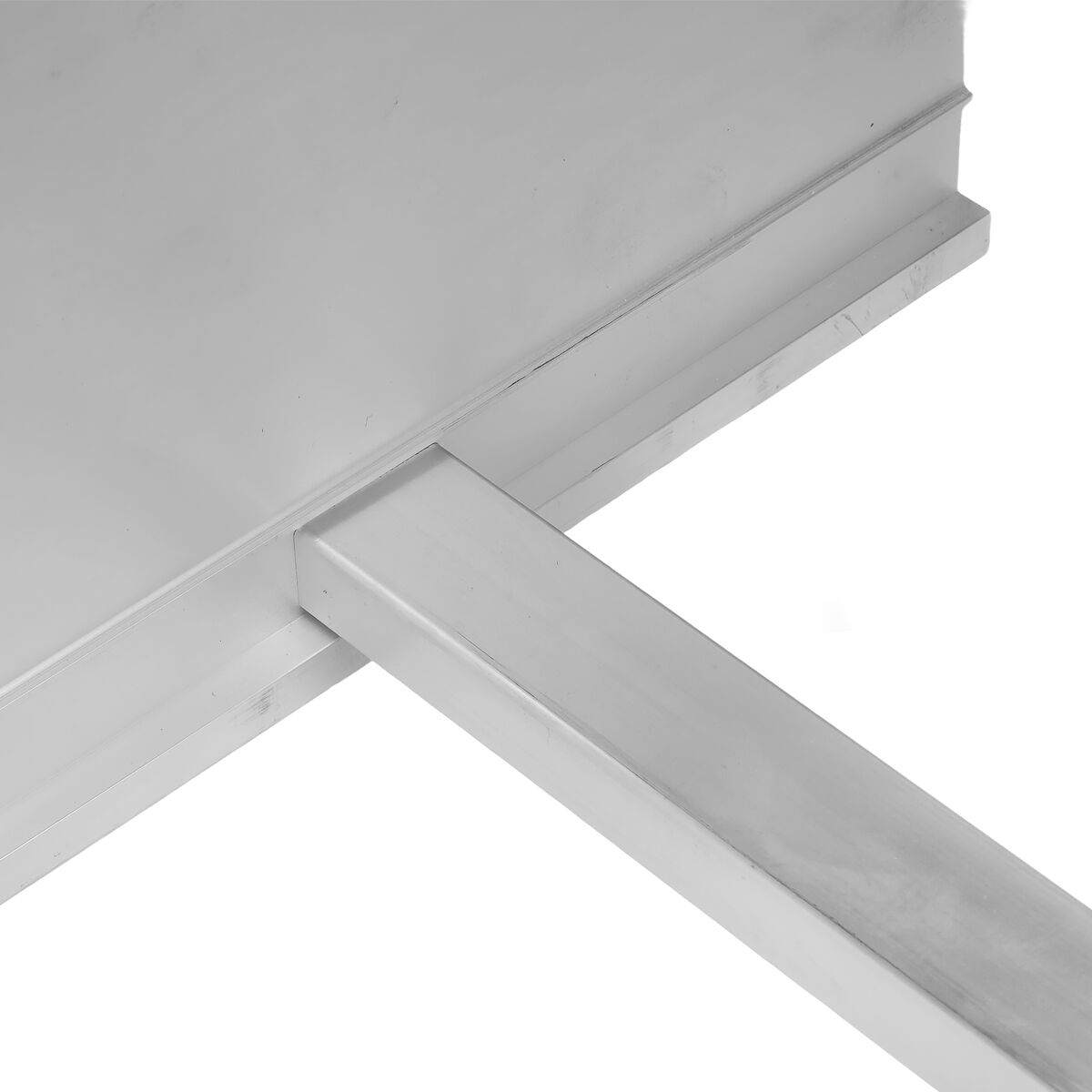
Power plants require robust and reliable infrastructure to manage extensive electrical systems safely and efficiently. Among the critical components that ensure optimal cable management, a cable ladder stands out as an indispensable solution for organizing, supporting, and protecting electrical cables throughout these complex facilities. The unique demands of power generation environments make proper cable management not just a matter of organization, but a crucial safety and operational requirement that directly impacts plant performance and worker safety.
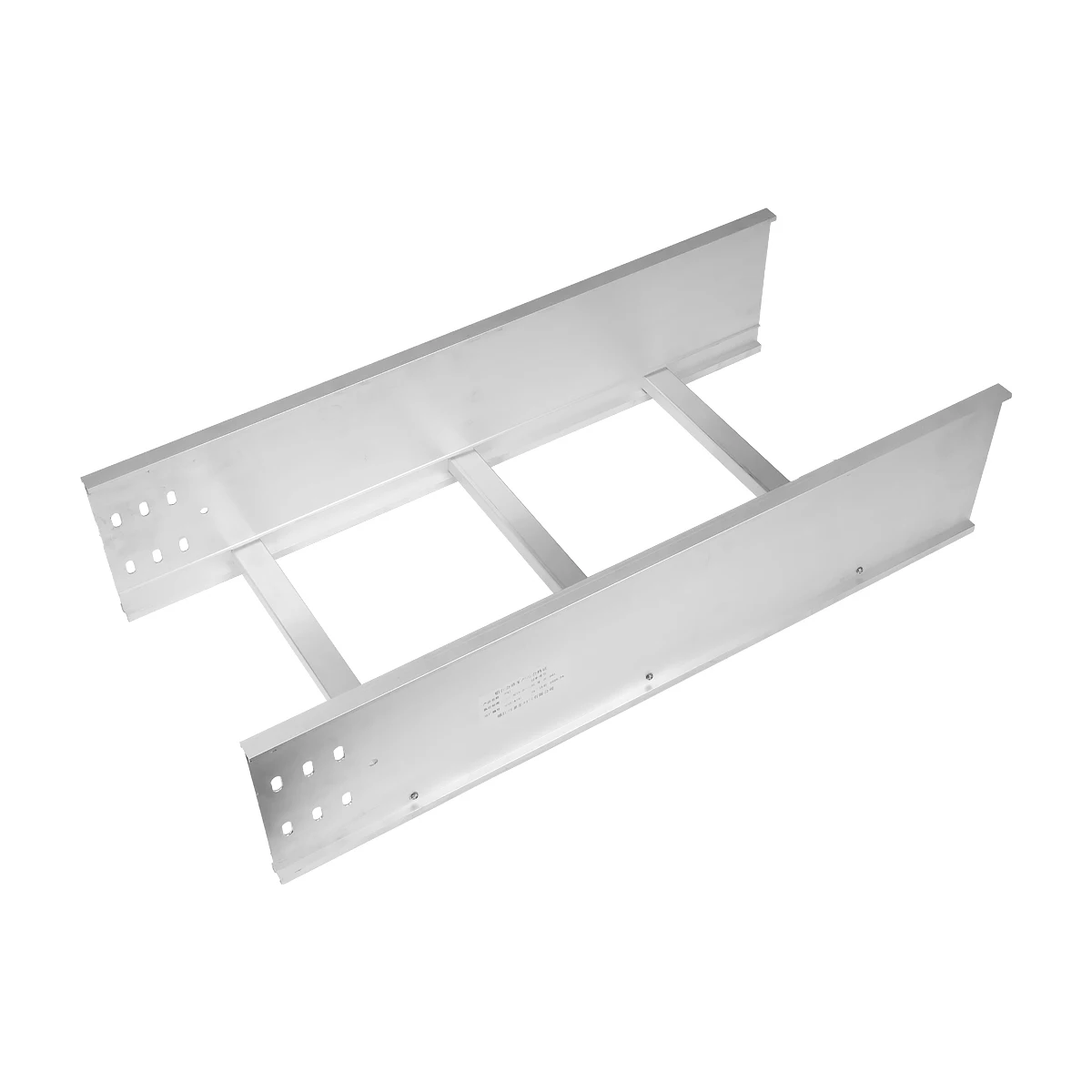
The implementation of cable ladder systems in power plants addresses multiple operational challenges while providing long-term benefits that extend far beyond simple cable organization. These specialized support structures are engineered to handle the demanding conditions found in power generation facilities, from extreme temperatures to electromagnetic interference, while maintaining the integrity of critical electrical connections that keep the power flowing reliably to communities and industries.
Enhanced Safety and Protection in High-Risk Environments
Fire Safety and Heat Resistance
Power plants operate in environments where fire safety is paramount, making the selection of appropriate cable management systems critical for overall facility safety. A cable ladder constructed from fire-resistant materials provides superior protection compared to traditional cable management methods. The open design allows for better heat dissipation, reducing the risk of cable overheating that could lead to insulation breakdown or fire hazards. Additionally, the robust construction ensures that cables remain properly supported even under extreme temperature conditions commonly found near turbines, boilers, and other heat-generating equipment.
The spacing between rungs in a cable ladder system allows for optimal air circulation around cables, preventing heat buildup that could compromise cable integrity. This natural cooling effect is particularly beneficial in power plants where ambient temperatures can be significantly elevated. Furthermore, the materials used in quality cable ladder construction, such as galvanized steel or stainless steel, maintain their structural integrity even when exposed to high temperatures, ensuring long-term reliability in demanding environments.
Electrical Safety and Grounding
Electrical safety in power plants requires meticulous attention to grounding and bonding systems, and a properly installed cable ladder contributes significantly to overall electrical safety. The metallic construction of cable ladders provides an excellent grounding path when properly bonded to the facility's grounding system. This helps protect against electrical faults and reduces the risk of dangerous voltage levels building up on cable support structures.
The design of a cable ladder also facilitates proper cable separation, ensuring that power cables and control cables maintain appropriate distances to prevent electromagnetic interference and reduce the risk of induced voltages. This separation is crucial in power plants where high-voltage transmission lines run alongside sensitive control and instrumentation cables that monitor and control critical plant operations.
Superior Load-Bearing Capacity and Structural Integrity
Heavy-Duty Cable Support
Power plants require cable management systems capable of supporting substantial cable weights over long spans without sagging or structural failure. A cable ladder excels in this application due to its robust construction and distributed load-bearing design. The ladder's side rails and rungs work together to distribute weight evenly, allowing for the support of heavy power cables, fiber optic bundles, and instrumentation cables without compromising structural integrity.
The engineering behind cable ladder design considers dynamic loads, including thermal expansion and contraction of cables, wind loads in outdoor installations, and potential seismic forces. This comprehensive approach to load management ensures that the cable ladder maintains its structural integrity throughout the facility's operational lifetime, even under the most demanding conditions typical of power plant environments.
Long-Span Capabilities
Power plants often require cable routing across significant distances, including spans between buildings, across equipment areas, and through turbine halls. The structural design of a cable ladder allows for longer unsupported spans compared to other cable management systems, reducing the need for intermediate supports and associated installation costs. This capability is particularly valuable in power plants where minimizing structural interferences with equipment access and maintenance activities is essential.
The ability to achieve longer spans also simplifies installation in areas where intermediate supports would be difficult or impossible to install, such as over active equipment or in areas with limited access. This flexibility in spanning capabilities makes the cable ladder an ideal choice for the complex routing requirements typical of power generation facilities.
Cost-Effectiveness and Installation Efficiency
Reduced Material and Labor Costs
The implementation of a cable ladder system in power plants offers significant cost advantages over alternative cable management methods. The standardized design and modular construction of cable ladder systems reduce material costs while simplifying procurement and inventory management. The ability to use standard components across different areas of the plant streamlines purchasing and reduces the complexity of maintaining spare parts inventory.
Installation efficiency is another key cost advantage of cable ladder systems. The straightforward installation process requires fewer specialized tools and less complex procedures compared to other cable management alternatives. This efficiency translates to reduced labor costs and shorter installation timeframes, which is particularly valuable during plant construction or major maintenance outages where time is critical.
Simplified Cable Installation and Modifications
The open design of a cable ladder facilitates easy cable installation and future modifications, reducing the time and effort required for cable management activities. Cables can be laid directly onto the ladder rungs without the need for complex threading or routing procedures required by enclosed cable management systems. This accessibility is particularly valuable in power plants where cable additions, replacements, and modifications are common throughout the facility's operational life.
Future plant modifications and expansions benefit significantly from the flexibility offered by cable ladder systems. Additional cables can be easily installed alongside existing cables without requiring major modifications to the support structure. This adaptability reduces the cost and complexity of plant upgrades while maintaining the integrity of existing cable installations.
Maintenance Advantages and Operational Benefits
Easy Access for Inspection and Maintenance
Power plant maintenance programs require regular inspection and testing of electrical systems, making cable accessibility a critical consideration in cable management system selection. A cable ladder provides unobstructed access to cables along their entire length, facilitating visual inspection, thermal imaging, and other diagnostic procedures essential for preventive maintenance programs.
The open design eliminates the need to remove covers or access panels to inspect cables, saving time during routine maintenance activities. This accessibility also allows maintenance personnel to quickly identify and address potential problems before they develop into serious issues that could impact plant operations. The ability to perform thorough inspections efficiently contributes to overall plant reliability and helps prevent unplanned outages.
Ventilation and Environmental Control
Proper ventilation around electrical cables is essential for maintaining optimal operating conditions and preventing premature aging of cable insulation. The open structure of a cable ladder promotes natural air circulation around cables, helping to dissipate heat generated by electrical current and maintaining cables within their recommended temperature ranges.
In power plant environments where humidity and condensation can be concerns, the ventilated design of cable ladder systems helps prevent moisture accumulation that could lead to corrosion or electrical problems. The improved air circulation also helps prevent the buildup of dust and debris that could interfere with cable cooling or create fire hazards in certain environments.
Environmental Resistance and Durability
Corrosion Resistance and Material Selection
Power plants often operate in challenging environmental conditions that can accelerate corrosion and material degradation. A properly specified cable ladder utilizes materials and protective coatings designed to withstand these harsh conditions while maintaining structural integrity throughout the facility's operational life. Galvanized steel, stainless steel, and specialized coating systems provide excellent corrosion resistance even in humid, chemical, or marine environments common to many power generation facilities.
The selection of appropriate materials for cable ladder construction considers not only current environmental conditions but also potential future changes in plant operations or environmental regulations. This forward-thinking approach ensures that the cable management infrastructure remains viable and compliant throughout the plant's extended operational life, reducing the need for premature replacement or major modifications.
Weather Resistance for Outdoor Applications
Many power plant cable installations include outdoor routing between buildings or to remote equipment locations. A cable ladder designed for outdoor use incorporates features that provide superior weather resistance compared to indoor-rated cable management systems. These features include enhanced corrosion protection, UV-resistant materials, and drainage considerations that prevent water accumulation.
The structural design of outdoor cable ladder systems also considers environmental loads such as wind, ice, and snow that could impact system integrity. Proper engineering ensures that the cable ladder maintains its load-bearing capacity and structural stability under all anticipated weather conditions, protecting both the cables and the overall electrical system integrity.
Compliance with Industry Standards and Regulations
Electrical Code Compliance
Power plant electrical installations must comply with numerous codes and standards that govern cable installation and support methods. A properly designed cable ladder meets or exceeds the requirements of relevant electrical codes, including the National Electrical Code (NEC), IEEE standards, and industry-specific regulations. This compliance ensures that installations pass inspection and maintain regulatory approval throughout the facility's operational life.
The standardized design and testing of cable ladder systems simplifies the code compliance process by providing documented performance characteristics and installation guidelines. This documentation supports the design and approval process while providing assurance that installations meet all applicable safety and performance requirements.
Nuclear and Safety Standards
Nuclear power plants and other high-security facilities require cable management systems that meet additional safety and security standards. Cable ladder systems designed for these applications incorporate enhanced fire resistance, seismic qualification, and security features that address the unique requirements of critical infrastructure facilities.
The qualification process for cable ladder systems in nuclear applications includes extensive testing and documentation that demonstrates performance under accident conditions and design basis events. This rigorous qualification process ensures that the cable management infrastructure will continue to function properly even under emergency conditions, supporting critical safety systems when they are needed most.
FAQ
What makes cable ladders more suitable for power plants than other cable management systems
Cable ladders are specifically designed to handle the demanding requirements of power plant environments, including heavy cable loads, extreme temperatures, and the need for easy access during maintenance. Their open design provides superior ventilation, fire safety, and accessibility compared to enclosed cable management systems, making them ideal for the complex routing and high-reliability requirements typical of power generation facilities.
How do cable ladders contribute to electrical safety in power plants
Cable ladders enhance electrical safety through proper grounding and bonding capabilities, appropriate cable separation to prevent electromagnetic interference, and fire-resistant construction that reduces fire hazards. The metallic construction provides an excellent grounding path when properly bonded to facility grounding systems, while the open design allows for optimal heat dissipation and easy inspection of electrical connections.
What factors should be considered when selecting cable ladders for power plant applications
Key selection factors include load-bearing capacity for heavy power cables, material selection for corrosion and fire resistance, span capabilities for complex routing requirements, and compliance with applicable electrical codes and safety standards. Environmental conditions such as temperature, humidity, and chemical exposure should also be evaluated to ensure long-term performance and reliability in the specific power plant environment.
How do cable ladders support long-term operational efficiency in power plants
Cable ladders support operational efficiency through reduced maintenance requirements, easy cable access for inspections and modifications, simplified installation procedures for new cables, and long-term durability that minimizes replacement costs. The flexibility to accommodate future plant modifications and expansions while maintaining system integrity makes cable ladders a cost-effective long-term investment for power generation facilities.
Table of Contents
- Enhanced Safety and Protection in High-Risk Environments
- Superior Load-Bearing Capacity and Structural Integrity
- Cost-Effectiveness and Installation Efficiency
- Maintenance Advantages and Operational Benefits
- Environmental Resistance and Durability
- Compliance with Industry Standards and Regulations
-
FAQ
- What makes cable ladders more suitable for power plants than other cable management systems
- How do cable ladders contribute to electrical safety in power plants
- What factors should be considered when selecting cable ladders for power plant applications
- How do cable ladders support long-term operational efficiency in power plants