
 EN
EN
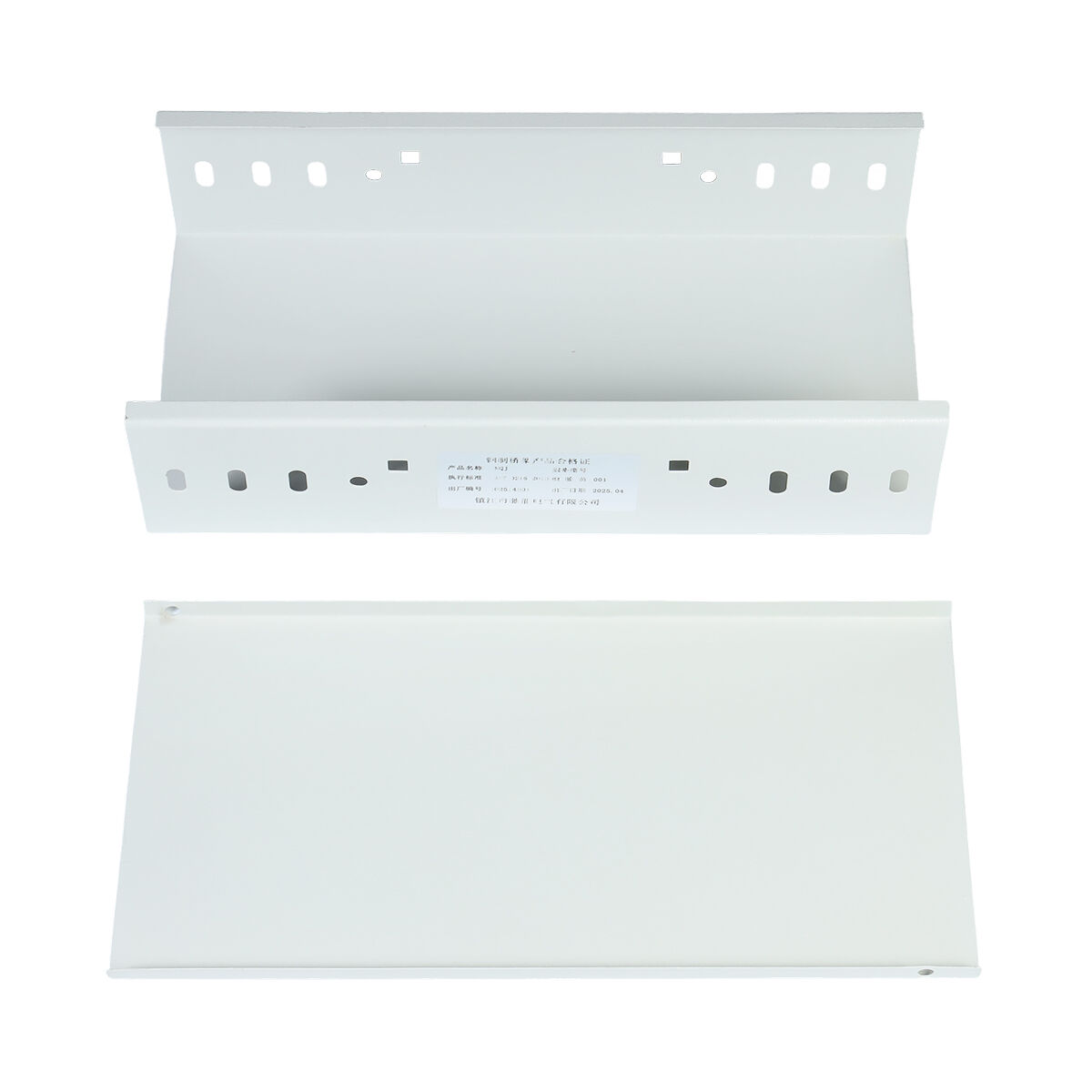
Industrial facilities across the globe depend on robust electrical infrastructure to maintain operational continuity and safety standards. Among the critical components ensuring reliable power distribution and cable protection, cable trunking systems have emerged as indispensable solutions for modern industrial applications. These protective pathways safeguard electrical cables from environmental hazards, mechanical damage, and electromagnetic interference while facilitating organized cable management throughout complex industrial environments.
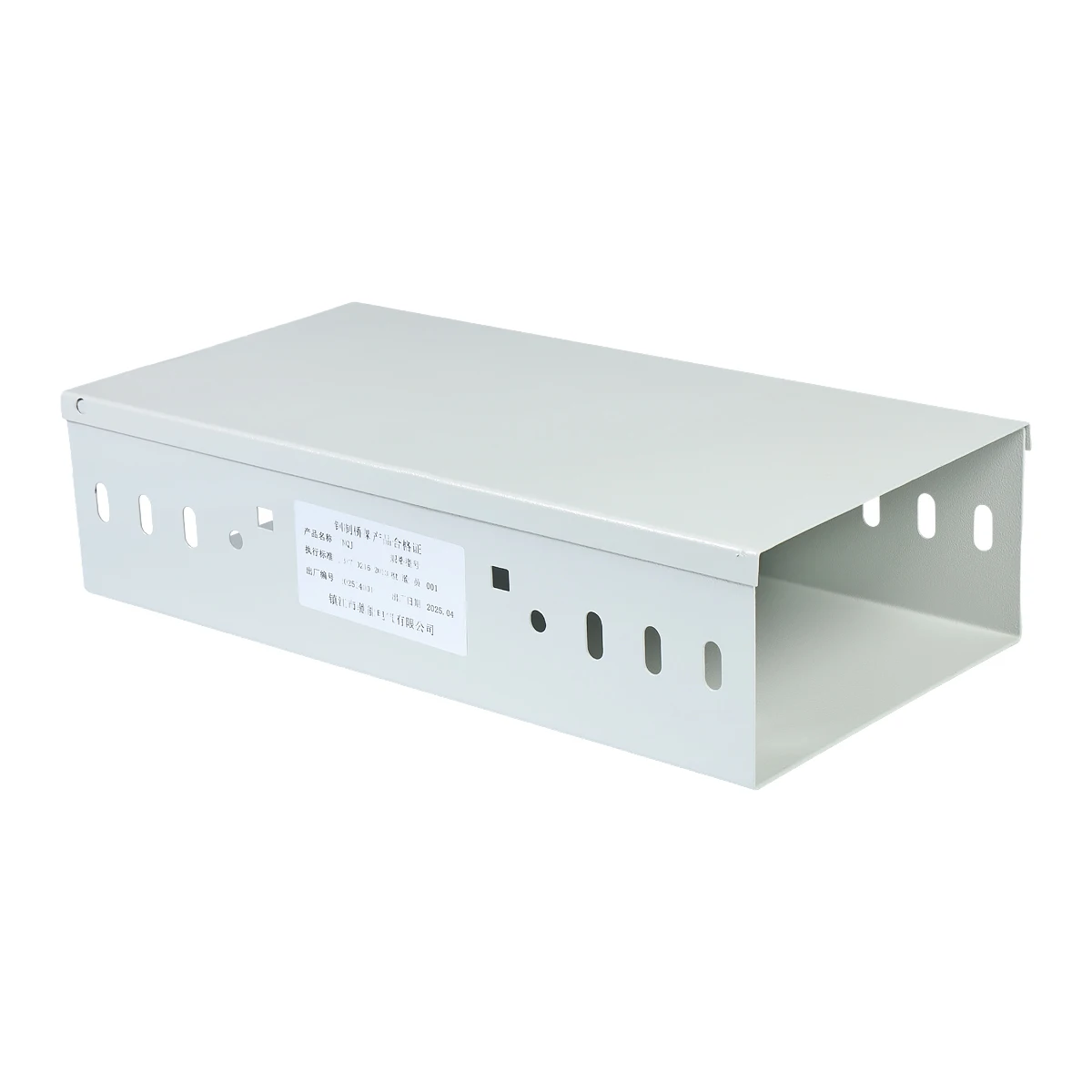
The significance of proper cable protection cannot be overstated in industrial settings where equipment downtime translates to substantial financial losses. Cable trunking provides a systematic approach to cable routing that meets stringent industrial standards while offering flexibility for future expansions. Manufacturing plants, power generation facilities, and processing centers rely heavily on these protective systems to maintain operational efficiency and comply with safety regulations.
Understanding the fundamental role of cable trunking in industrial projects requires examining both the technical requirements and practical benefits these systems deliver. From preventing cable degradation to ensuring worker safety, cable trunking systems represent a critical investment in long-term infrastructure reliability and performance optimization.
Essential Functions of Cable Trunking in Industrial Environments
Physical Protection Against Environmental Hazards
Industrial environments present numerous challenges to electrical cable integrity, including exposure to chemicals, moisture, extreme temperatures, and physical impact. Cable trunking systems create protective barriers that shield cables from these environmental threats while maintaining accessibility for maintenance and inspection. The enclosed design prevents contamination from dust, debris, and corrosive substances that could compromise cable performance over time.
Temperature fluctuations in industrial settings can cause cable expansion and contraction, leading to stress fractures and insulation breakdown. Quality cable trunking systems accommodate thermal movement while providing ventilation channels that prevent heat buildup. This thermal management capability extends cable lifespan significantly compared to exposed installation methods.
Chemical resistance represents another crucial protective function, particularly in processing facilities and manufacturing plants where aggressive chemicals are present. Specialized cable trunking materials offer superior chemical resistance, protecting both the cables and the surrounding infrastructure from corrosive damage that could result in costly repairs and safety hazards.
Electromagnetic Interference Mitigation
Modern industrial facilities contain numerous sources of electromagnetic interference that can disrupt sensitive control systems and communication networks. Cable trunking systems constructed from conductive materials provide effective electromagnetic shielding when properly grounded, reducing interference between power and signal cables running in parallel pathways.
Segregation capabilities within multi-compartment cable trunking allow separation of different cable types, preventing crosstalk between power and control circuits. This separation is essential for maintaining signal integrity in automated manufacturing systems where precise control signals must remain uncontaminated by electrical noise from high-power equipment.
Proper grounding of metallic cable trunking creates a continuous shield path that diverts electromagnetic energy away from sensitive cables. This shielding effectiveness becomes increasingly important as industrial facilities incorporate more sophisticated automation and monitoring systems that rely on accurate data transmission.
Safety and Compliance Benefits
Fire Safety and Containment
Fire safety considerations drive many cable trunking specifications in industrial applications where ignition sources and combustible materials coexist. Properly installed cable trunking systems help contain electrical fires by limiting oxygen supply and providing defined fire barriers that prevent flame propagation between facility areas.
Non-combustible cable trunking materials, such as steel and aluminum, offer superior fire resistance compared to plastic alternatives. These metal systems maintain structural integrity during fire events, preventing cable collapse that could block evacuation routes or compromise firefighting efforts. Fire-rated cable trunking can maintain circuit integrity for specified periods, ensuring critical safety systems remain operational during emergencies.
Compartmentalized designs within cable trunking systems create natural fire breaks that limit damage spread between different electrical circuits. This containment capability reduces the risk of cascading failures that could compromise entire facility operations or create dangerous conditions for personnel evacuation.
Regulatory Compliance and Standards
Industrial facilities must comply with numerous electrical codes and safety standards that mandate specific cable protection requirements. Cable trunking systems help facility managers meet these regulatory obligations by providing documented protection levels and installation methods that satisfy code requirements across various jurisdictions.
Certified cable trunking products undergo rigorous testing to verify their performance characteristics, including load capacity, environmental resistance, and safety features. These certifications simplify the approval process for facility installations and provide assurance that the cable trunking meets applicable industry standards.
Documentation requirements for industrial electrical installations often specify cable routing methods and protection levels that cable trunking systems readily satisfy. Proper installation records and certification documentation support regulatory inspections and insurance requirements while demonstrating due diligence in facility safety management.
Operational Advantages and Efficiency Gains
Maintenance Accessibility and Cable Management
Effective cable management directly impacts maintenance efficiency and operational reliability in industrial facilities. Cable trunking systems provide organized pathways that allow maintenance personnel to locate and access specific cables quickly, reducing downtime during routine inspections and emergency repairs.
Removable covers and access points in cable trunking designs facilitate cable additions, modifications, and replacements without disrupting adjacent circuits. This accessibility proves invaluable during facility expansions or equipment upgrades where new cable runs must integrate with existing infrastructure.
Proper cable organization within trunking systems reduces installation time for new circuits and minimizes the risk of installation errors that could cause operational problems. Clear sight lines and labeled sections help electricians identify cable routing paths and verify connections during commissioning and troubleshooting activities.
Future Expansion Capabilities
Industrial facilities frequently undergo expansions, upgrades, and modifications that require additional electrical infrastructure. Cable trunking systems provide reserve capacity that accommodates future cable installations without requiring major infrastructure changes or disrupting existing operations.
Modular cable trunking designs allow sections to be extended or reconfigured as facility needs evolve. This flexibility reduces long-term infrastructure costs by eliminating the need for complete system replacements when operational requirements change.
Planning for future expansion becomes more straightforward when cable trunking systems include adequate spare capacity and access points for new connections. This forward-thinking approach prevents costly retrofits and minimizes production disruptions during facility modifications.
Material Selection and Performance Considerations
Stainless Steel and Aluminum Advantages
Material selection significantly influences cable trunking performance and longevity in demanding industrial environments. Stainless steel cable trunking offers exceptional corrosion resistance and mechanical strength, making it ideal for harsh environments where exposure to chemicals, moisture, and temperature extremes is common.
Aluminum cable trunking provides an excellent balance of strength, weight, and corrosion resistance while offering superior electromagnetic shielding properties. The lighter weight of aluminum systems reduces structural loading requirements and simplifies installation in elevated locations or seismic zones.
Both stainless steel and aluminum cable trunking materials maintain dimensional stability under thermal stress, ensuring consistent cable protection throughout varying environmental conditions. These metals also provide excellent grounding continuity for electromagnetic shielding applications.
Load Bearing and Structural Integrity
Industrial cable trunking systems must support substantial cable loads while maintaining structural integrity under dynamic loading conditions. Properly designed systems account for cable weight, thermal expansion forces, and seismic loads that could affect system performance.
Support spacing calculations ensure that cable trunking maintains adequate clearance and prevents sagging that could damage cables or create safety hazards. Engineering analysis considers both static loads from cable weight and dynamic forces from equipment vibration or seismic activity.
Quality cable trunking systems include reinforcement features such as formed edges, internal bracing, and heavy-duty mounting hardware that distribute loads effectively across supporting structures. These design elements prevent local stress concentrations that could lead to system failure.
Installation Best Practices and System Integration
Routing and Layout Optimization
Effective cable trunking installation requires careful planning to optimize cable routing while minimizing interference with other facility systems. Strategic placement considers equipment access requirements, maintenance clearances, and future expansion needs to create efficient pathways that serve long-term facility objectives.
Coordination with other building systems prevents conflicts between cable trunking and HVAC ducts, piping systems, and structural elements. Early integration planning ensures adequate space allocation and prevents costly modifications during construction or renovation projects.
Cable trunking layouts should minimize the number of direction changes and elevation transitions to reduce cable stress and installation complexity. Smooth radius bends and gradual transitions help prevent cable damage during installation and reduce pulling forces that could exceed cable manufacturer specifications.
Grounding and Bonding Requirements
Proper grounding of metallic cable trunking systems ensures electrical safety and electromagnetic compatibility throughout industrial facilities. Continuous grounding paths must be maintained through all trunking sections, joints, and mounting hardware to provide effective fault current paths and electromagnetic shielding.
Bonding jumpers at trunking joints ensure electrical continuity across expansion joints and removable sections. These connections must withstand thermal cycling and mechanical stress without degrading over time. Regular inspection and maintenance of grounding connections helps maintain system integrity throughout the facility lifecycle.
Integration with facility grounding systems requires coordination with electrical engineers to ensure proper fault current handling capacity and compliance with applicable electrical codes. Grounding electrode connections and equipment bonding must follow established practices for industrial electrical installations.
Cost-Benefit Analysis and Return on Investment
Initial Investment Versus Long-Term Savings
While cable trunking systems require higher initial investment compared to basic cable installation methods, the long-term benefits typically justify the additional cost through reduced maintenance expenses and improved system reliability. Protection from environmental damage extends cable life significantly, reducing replacement costs and minimizing production disruptions.
Labor savings during maintenance and modification activities provide ongoing operational benefits that accumulate over the facility lifecycle. Organized cable routing reduces troubleshooting time and simplifies system documentation, improving overall maintenance efficiency.
Insurance considerations may favor facilities with properly installed cable trunking systems due to reduced fire risk and improved safety compliance. Lower insurance premiums can offset installation costs while providing additional financial benefits throughout the coverage period.
Productivity and Reliability Improvements
Enhanced system reliability through proper cable protection translates directly to improved production uptime and reduced emergency maintenance costs. Cable trunking systems help prevent unexpected failures that could disrupt manufacturing schedules or compromise product quality.
Reduced electromagnetic interference improves the performance of sensitive control systems and instrumentation, leading to better process control and reduced waste. These improvements in operational efficiency can provide measurable returns on cable trunking investments.
Future expansion capabilities built into cable trunking systems reduce the cost and complexity of facility modifications, supporting business growth without requiring major infrastructure overhauls. This flexibility provides strategic value that extends beyond immediate operational benefits.
FAQ
What factors determine the appropriate cable trunking size for industrial applications
Cable trunking size selection depends on several key factors including the number and diameter of cables to be installed, future expansion requirements, and applicable code requirements for cable fill ratios. Generally, trunking should not exceed 40% cable fill to allow for heat dissipation and future additions. Engineers must also consider cable bend radius requirements and accessibility for maintenance when determining appropriate trunking dimensions.
How does cable trunking compare to cable conduit systems in industrial environments
Cable trunking offers several advantages over traditional conduit systems in industrial applications, including higher cable capacity, better accessibility for maintenance, and improved heat dissipation. While conduit systems provide excellent mechanical protection for smaller cable groups, cable trunking excels in applications requiring multiple cable runs, frequent modifications, or easy access for troubleshooting. The choice depends on specific application requirements, cable quantities, and maintenance considerations.
What maintenance requirements are necessary for industrial cable trunking systems
Regular maintenance of cable trunking systems includes visual inspection of covers and mounting hardware, verification of grounding continuity, and cleaning of accumulated debris that could affect ventilation. Annual inspections should check for corrosion, loose connections, and proper cable support within the trunking. In harsh environments, more frequent inspections may be necessary to ensure continued protection effectiveness and compliance with safety standards.
Can different cable types be safely installed in the same cable trunking system
Different cable types can often share the same cable trunking system provided appropriate separation methods are employed. Power and control cables typically require physical barriers or separate compartments to prevent electromagnetic interference. Fire alarm and emergency circuits may need dedicated pathways as specified by applicable codes. Multi-compartment cable trunking systems are specifically designed to accommodate different cable types while maintaining proper separation and accessibility for each circuit type.
Table of Contents
- Essential Functions of Cable Trunking in Industrial Environments
- Safety and Compliance Benefits
- Operational Advantages and Efficiency Gains
- Material Selection and Performance Considerations
- Installation Best Practices and System Integration
- Cost-Benefit Analysis and Return on Investment
-
FAQ
- What factors determine the appropriate cable trunking size for industrial applications
- How does cable trunking compare to cable conduit systems in industrial environments
- What maintenance requirements are necessary for industrial cable trunking systems
- Can different cable types be safely installed in the same cable trunking system