
 EN
EN
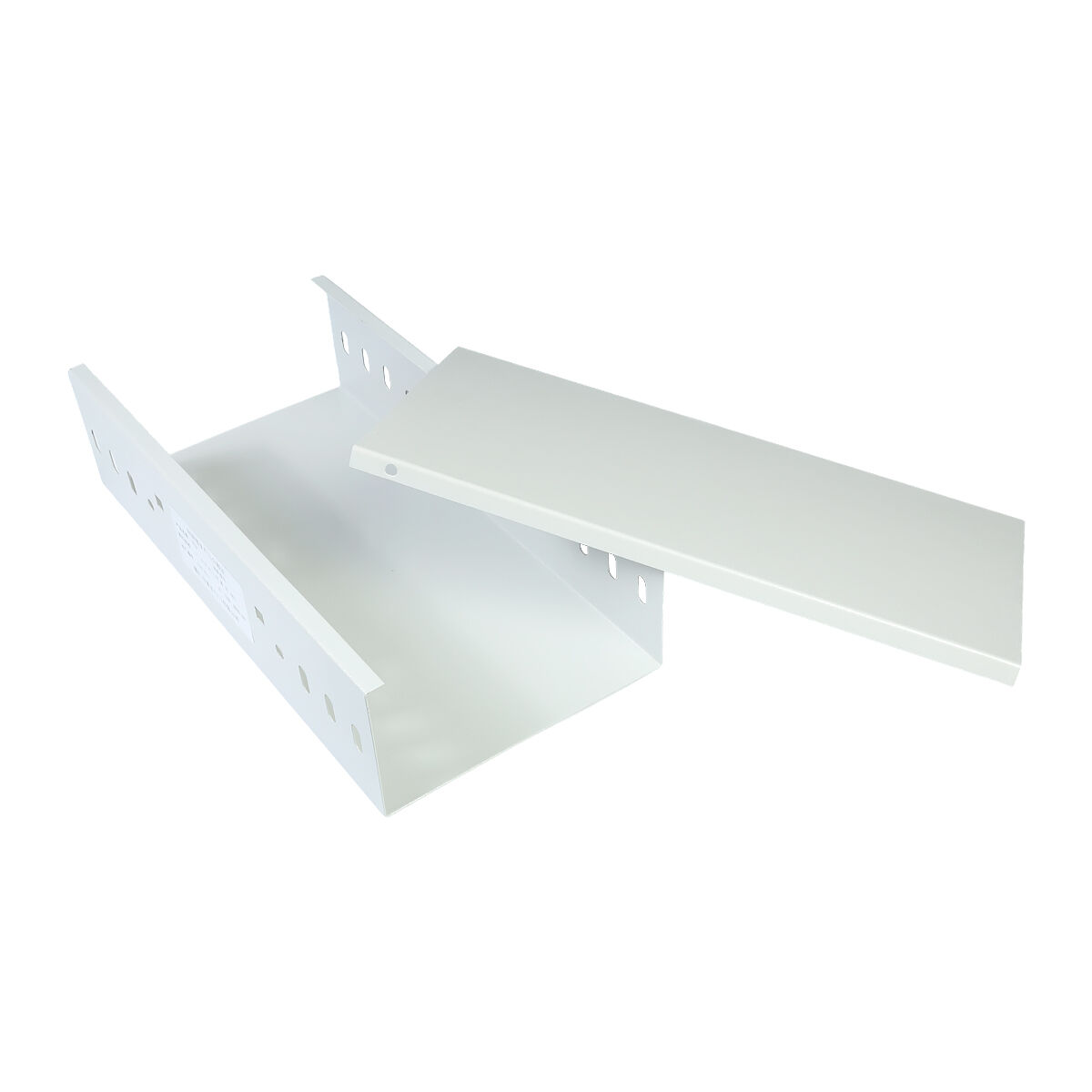
Modern industrial facilities and commercial buildings require robust electrical infrastructure that prioritizes safety, durability, and efficient cable management. Cable trunking systems serve as the backbone of electrical installations, providing secure pathways for power and data cables while ensuring compliance with stringent safety standards. These protective enclosures offer multiple layers of protection against environmental hazards, mechanical damage, and electrical risks that could compromise operational continuity and worker safety.
Quality cable trunking incorporates advanced safety features that go beyond basic cable protection, integrating fire resistance, electromagnetic compatibility, and structural integrity into comprehensive solutions. Understanding these safety characteristics enables facility managers and electrical engineers to make informed decisions when specifying cable management systems for critical applications. The selection of appropriate cable trunking directly impacts long-term operational reliability, maintenance requirements, and overall system performance in demanding industrial environments.
Fire Safety and Flame Retardant Properties
Materials and Fire Classification Standards
Professional cable trunking systems utilize materials that meet rigorous fire safety classifications, including halogen-free compounds and self-extinguishing polymers. These materials undergo extensive testing according to international standards such as IEC 61537 and UL 94, ensuring they resist ignition and limit flame propagation during fire incidents. The fire rating of cable trunking becomes particularly critical in high-occupancy buildings, industrial facilities, and areas where evacuation might be challenging.
Steel and aluminum cable trunking options provide inherent fire resistance while maintaining structural integrity under extreme temperatures. These metallic systems offer superior performance in applications where maximum fire safety is paramount, such as hospitals, data centers, and chemical processing facilities. The thermal conductivity of metal cable trunking also helps dissipate heat generated by high-current cables, reducing the risk of overheating and potential fire hazards.
Smoke and Toxic Gas Emission Control
Advanced cable trunking materials are engineered to minimize smoke production and toxic gas emissions when exposed to fire or high temperatures. Low-smoke zero-halogen compounds ensure that evacuation routes remain visible and breathable during emergency situations. This characteristic proves especially valuable in enclosed spaces, underground installations, and areas with limited ventilation where smoke accumulation could impede emergency response efforts.
The chemical composition of modern cable trunking avoids materials that release corrosive gases when burned, protecting sensitive electronic equipment and minimizing long-term damage to building infrastructure. This consideration becomes increasingly important in facilities housing critical systems, telecommunications equipment, and precision manufacturing processes where even minor contamination could result in significant operational disruptions and financial losses.
Electrical Safety and Grounding Systems
Electromagnetic Interference Protection
Quality cable trunking incorporates electromagnetic interference shielding to protect sensitive cables from external electromagnetic fields and prevent signal degradation. Metal cable trunking systems provide natural EMI protection through their conductive properties, while specialized plastic systems may include conductive additives or metallic screening layers. This protection becomes essential in environments with high electromagnetic activity, such as manufacturing facilities with variable frequency drives, radio transmission sites, and medical facilities with sensitive diagnostic equipment.
The design of cable trunking joints and connections significantly impacts EMI protection effectiveness, requiring precision engineering to maintain continuous shielding throughout the installation. Proper grounding of metal cable trunking ensures that any induced currents are safely dissipated to earth, preventing potential differences that could cause equipment malfunction or create safety hazards for maintenance personnel.
Arc Fault Prevention and Containment
Modern cable trunking systems incorporate features that minimize the risk of arc faults and contain any electrical disturbances that may occur within the system. The internal configuration of cable trunking includes barriers and separation mechanisms that prevent cable-to-cable contact and maintain appropriate clearances between different circuit types. This design approach reduces the likelihood of short circuits and provides additional protection against electrical faults.
The structural integrity of cable trunking under fault conditions ensures that any electrical disturbances remain contained within the system, preventing damage to adjacent equipment and protecting personnel from exposure to dangerous electrical conditions. Advanced cable trunking designs include pressure relief features that allow safe venting of gases produced during electrical faults while maintaining overall system integrity.
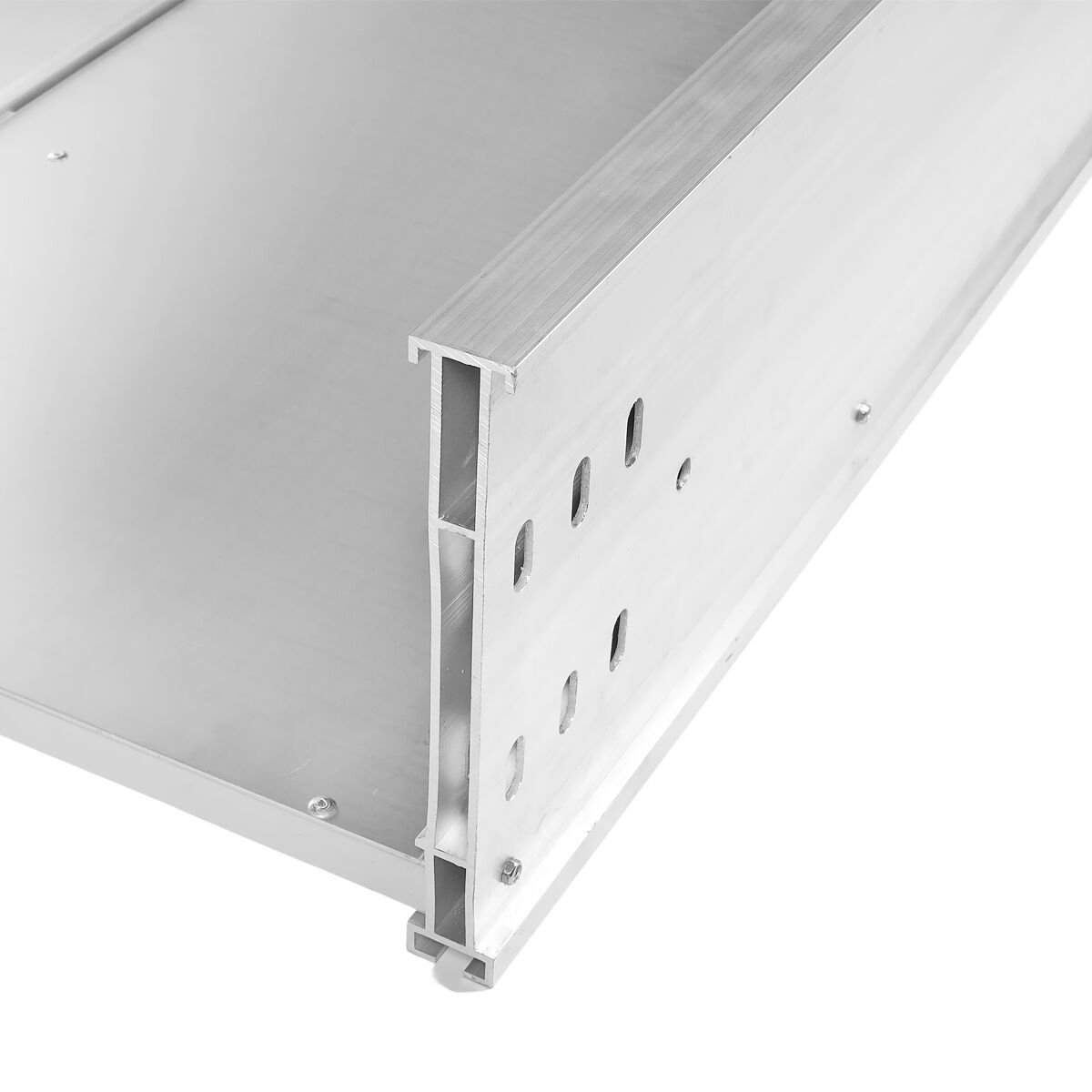
Mechanical Protection and Structural Integrity
Impact Resistance and Load Bearing Capacity
Industrial cable trunking must withstand significant mechanical stresses, including impact loads, vibration, and thermal expansion forces that occur during normal operation. High-quality systems undergo rigorous mechanical testing to verify their ability to maintain structural integrity under various loading conditions. The load bearing capacity of cable trunking directly affects the number and size of cables that can be safely installed, making proper load calculations essential for system design and long-term reliability.
The material selection and wall thickness of cable trunking components determine their resistance to mechanical damage from external sources such as maintenance activities, seismic events, and accidental impacts. Reinforced designs incorporate additional structural elements that enhance resistance to crushing forces and maintain cable protection even under extreme conditions. This mechanical robustness proves particularly important in industrial environments where heavy machinery, overhead cranes, and material handling equipment operate in proximity to electrical installations.
Environmental Sealing and Ingress Protection
Professional cable trunking systems provide various levels of environmental protection, rated according to IP classification standards that specify resistance to dust, moisture, and other contaminants. Sealed cable trunking designs incorporate gaskets, sealing strips, and precision-machined joints that prevent water ingress and maintain dry internal conditions. This protection becomes critical in outdoor installations, washdown areas, and humid environments where moisture could compromise cable insulation and create safety hazards.
The corrosion resistance of cable trunking materials ensures long-term performance in aggressive environments, including chemical processing facilities, marine applications, and areas exposed to corrosive atmospheres. Specialized coatings and material treatments provide additional protection against chemical attack, extending service life and maintaining safety performance throughout the system's operational period.
Installation Safety and Accessibility Features
Safe Installation Practices and Worker Protection
Quality cable trunking systems are designed with installer safety as a primary consideration, incorporating features that minimize risks during installation and maintenance activities. Lightweight materials and modular construction reduce physical strain on installation crews, while secure connection mechanisms ensure reliable joints without requiring excessive force or specialized tools. The design of cable trunking supports and mounting systems facilitates safe access during installation, reducing the need for workers to operate in precarious positions.
Pre-fabricated cable trunking components minimize on-site cutting and modification requirements, reducing exposure to dust, sharp edges, and other hazards associated with field fabrication. Smooth internal surfaces and rounded edges prevent cable damage during installation and reduce the risk of injury to maintenance personnel. These safety considerations contribute to faster installation times, reduced labor costs, and improved overall project safety records.
Maintenance Access and System Expandability
Accessible cable trunking designs facilitate routine maintenance, inspection, and system modifications without compromising safety or requiring extensive disassembly. Removable covers, hinged sections, and modular construction enable maintenance personnel to access cables safely while maintaining protection for adjacent circuits. The spacing and arrangement of cable trunking support systems provide adequate working clearances for maintenance activities and emergency repairs.
Future expansion capabilities built into cable trunking systems allow for system growth without major reconstruction, reducing disruption to ongoing operations and minimizing safety risks associated with major modification projects. Reserve capacity and standardized connection methods enable seamless integration of additional circuits while maintaining the integrity and safety performance of the existing installation.
Compliance and Certification Standards
International Safety Standards and Testing Protocols
Reputable cable trunking manufacturers ensure their products comply with comprehensive international safety standards, including IEC 61537, NEMA VE 1, and various national electrical codes. These standards specify rigorous testing protocols that evaluate fire performance, mechanical strength, electrical properties, and environmental resistance under controlled laboratory conditions. Certification marks from recognized testing laboratories provide assurance that cable trunking systems meet or exceed minimum safety requirements for their intended applications.
The testing and certification process for cable trunking encompasses multiple safety aspects, including short-circuit performance, thermal cycling, UV resistance, and long-term aging characteristics. Independent third-party testing ensures objective evaluation of safety performance and provides confidence in product reliability. Regular surveillance testing maintains certification validity and ensures continued compliance with evolving safety standards and regulatory requirements.
Quality Assurance and Manufacturing Standards
Leading cable trunking manufacturers implement comprehensive quality management systems that monitor every aspect of production, from raw material inspection to final product testing. Statistical process control methods ensure consistent manufacturing quality and early detection of potential safety issues. Traceability systems maintain detailed records of material sources, production parameters, and quality test results, enabling rapid response to any safety concerns that may arise during product service life.
Regular audits of manufacturing facilities and quality systems by external certification bodies verify continued compliance with safety standards and best manufacturing practices. These ongoing assessments ensure that cable trunking products maintain their certified safety performance throughout the product lifecycle and provide confidence in long-term reliability and safety performance in critical applications.
FAQ
What fire safety ratings should I look for in cable trunking systems?
Look for cable trunking with fire classifications such as UL 94 V-0 for plastic systems or non-combustible ratings for metal systems. Halogen-free materials that minimize toxic gas emissions are recommended for occupied buildings. The specific fire rating required depends on your local electrical codes and the application environment, with higher ratings necessary for critical facilities and high-occupancy buildings.
How does cable trunking provide electromagnetic interference protection?
Metal cable trunking naturally provides EMI shielding through its conductive properties when properly grounded, while specialized plastic systems may include conductive layers or additives. The continuous shielding path created by properly joined cable trunking sections helps prevent electromagnetic interference from affecting sensitive cables and equipment housed within the system.
What mechanical protection features are most important in industrial applications?
Industrial cable trunking should provide high impact resistance, adequate load bearing capacity for the intended cable fill, and resistance to vibration and thermal cycling. Look for systems with reinforced construction, secure mounting methods, and materials that maintain structural integrity under the mechanical stresses typical of your specific industrial environment.
How often should cable trunking systems be inspected for safety compliance?
Regular inspection intervals depend on the application environment and local regulations, but annual visual inspections are typically recommended for most installations. Critical applications may require more frequent inspections, while harsh environments might necessitate quarterly assessments. Inspections should verify structural integrity, proper grounding, secure mounting, and absence of damage that could compromise safety performance.
Table of Contents
- Fire Safety and Flame Retardant Properties
- Electrical Safety and Grounding Systems
- Mechanical Protection and Structural Integrity
- Installation Safety and Accessibility Features
- Compliance and Certification Standards
-
FAQ
- What fire safety ratings should I look for in cable trunking systems?
- How does cable trunking provide electromagnetic interference protection?
- What mechanical protection features are most important in industrial applications?
- How often should cable trunking systems be inspected for safety compliance?