
 EN
EN
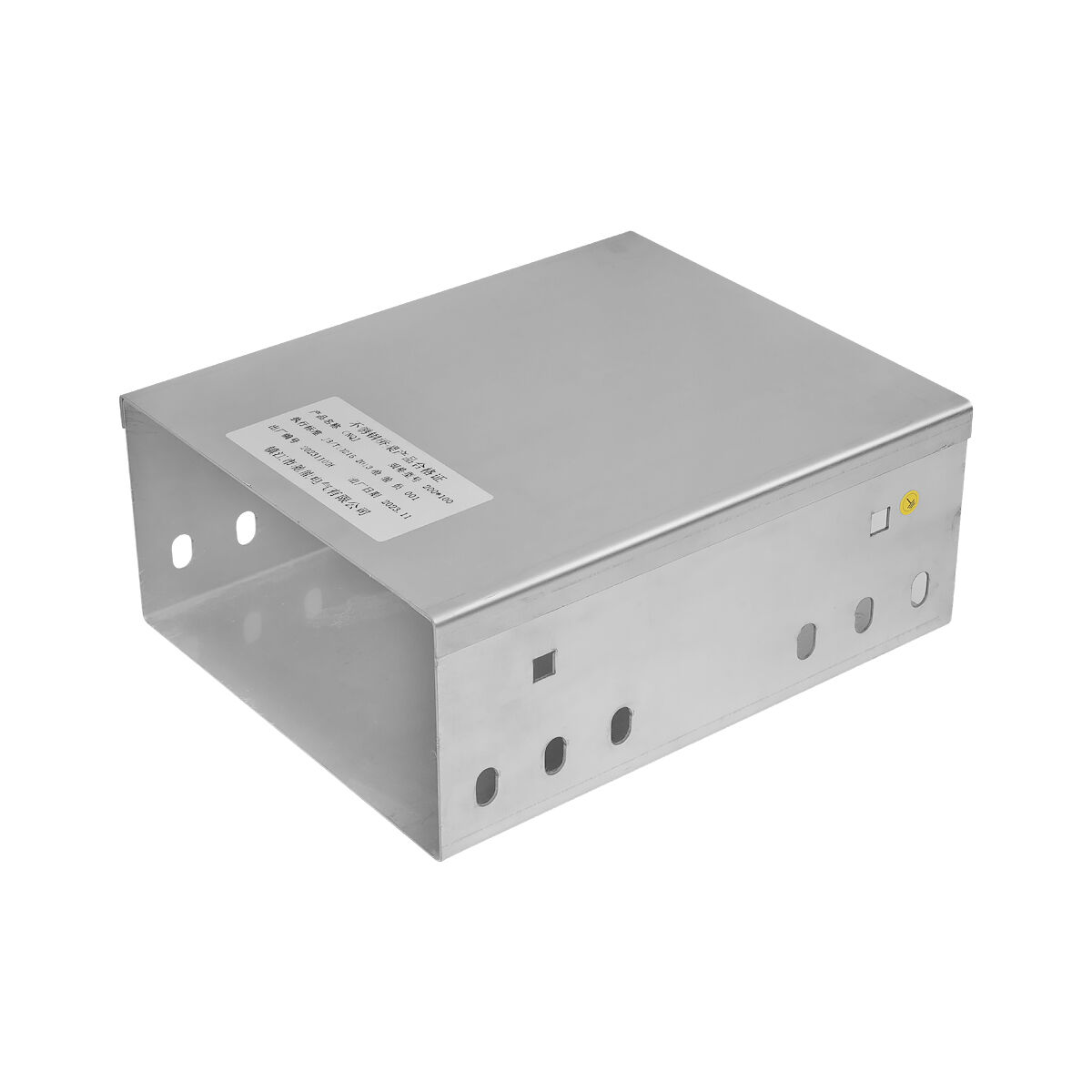
Selecting the appropriate cable trunking system is a critical decision that impacts the efficiency, safety, and longevity of electrical installations across commercial and industrial environments. The right cable trunking solution ensures proper cable management, protects electrical conductors from environmental hazards, and provides easy access for maintenance and future upgrades. When evaluating cable trunking options, professionals must consider multiple factors including load requirements, environmental conditions, installation constraints, and long-term operational needs. Understanding these key considerations helps electrical contractors, facility managers, and engineers make informed decisions that optimize performance while controlling costs.
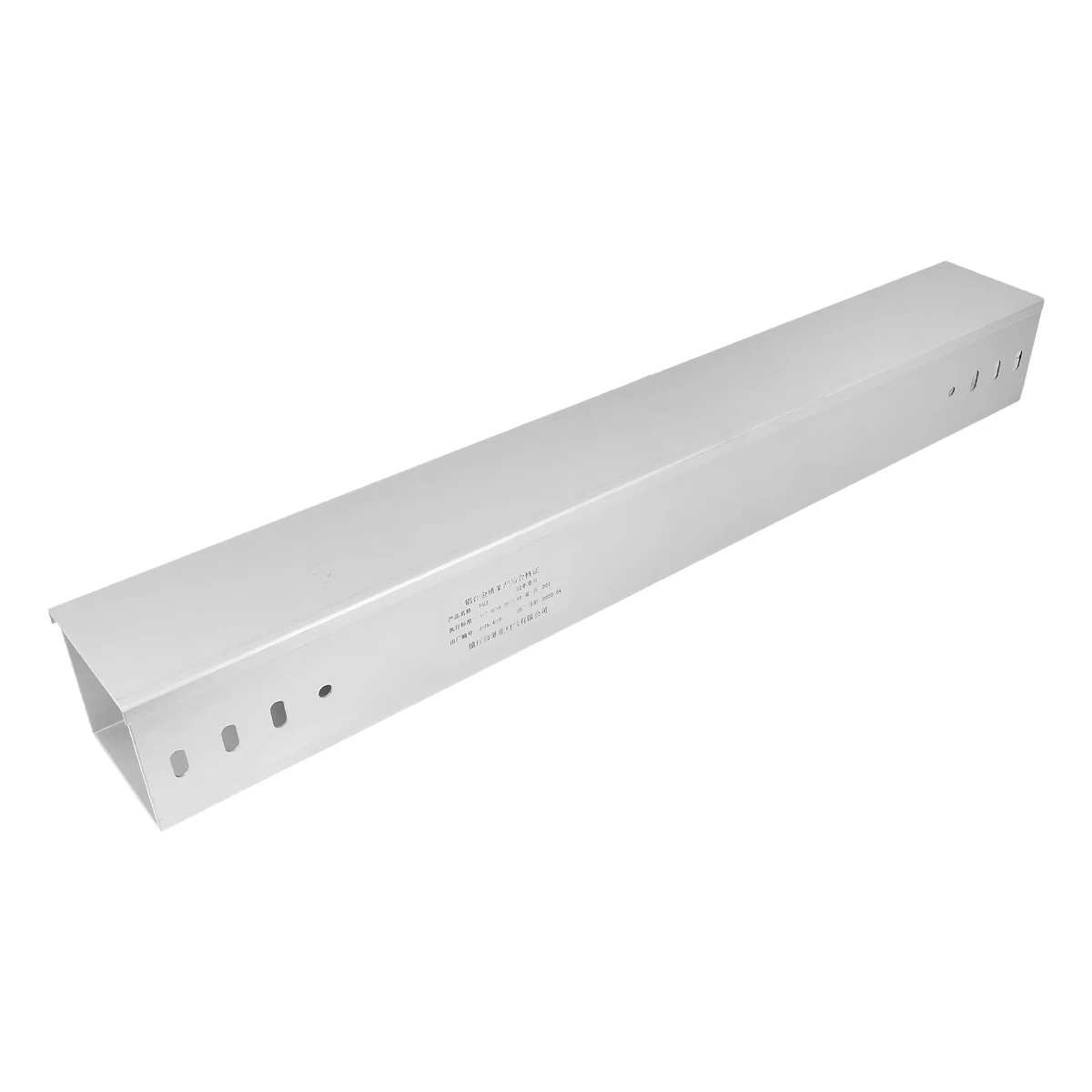
Understanding Cable Trunking Fundamentals
Definition and Purpose of Cable Trunking Systems
Cable trunking serves as a protective enclosure system designed to house and organize electrical cables in commercial and industrial settings. These systems provide a structured approach to cable management, offering protection against physical damage, moisture, dust, and electromagnetic interference. Modern cable trunking solutions accommodate various cable types including power distribution cables, control wiring, data transmission lines, and fiber optic cables. The primary purpose extends beyond simple protection to include facilitating efficient installation procedures, enabling easy maintenance access, and supporting future system expansions without major infrastructure modifications.
Professional installations benefit from cable trunking through improved safety standards, reduced installation time, and enhanced system reliability. The enclosed design prevents accidental contact with live conductors while maintaining proper cable separation to minimize interference between different circuit types. Additionally, cable trunking systems support compliance with electrical codes and safety regulations by providing appropriate clearances, grounding continuity, and fire-resistant properties when required by local authorities.
Types of Cable Trunking Configurations
Various cable trunking configurations accommodate different installation requirements and environmental conditions. Rectangular cable trunking represents the most common configuration, offering maximum cable capacity within compact cross-sectional areas. These systems provide excellent space utilization for high-density cable installations while maintaining easy access through removable covers or hinged lids. Square cable trunking offers balanced dimensions suitable for installations where equal width and height dimensions optimize cable routing and junction box connections.
Specialized configurations include perforated cable trunking for enhanced ventilation, divided cable trunking for segregating different cable types, and flexible cable trunking for installations requiring curved routing paths. Each configuration addresses specific application requirements while maintaining the fundamental protection and organization benefits essential for professional electrical installations.
Size Selection Criteria for Cable Trunking
Calculating Cable Fill Ratios and Capacity Requirements
Proper sizing of cable trunking requires accurate calculation of cable fill ratios to ensure adequate space for current installations while accommodating future expansion needs. Industry standards typically recommend maximum fill ratios between 40-50% of the total trunking cross-sectional area to prevent overcrowding and maintain proper heat dissipation. Professional calculations must account for cable diameter variations, bend radius requirements, and installation clearances necessary for proper cable placement and removal procedures.
Cable capacity calculations involve determining the total cross-sectional area of all cables to be installed, including appropriate safety factors for thermal considerations and future additions. Advanced planning considers different cable types, their respective installation requirements, and potential segregation needs between power and control circuits. Accurate capacity planning prevents costly modifications during installation phases while ensuring long-term system flexibility.
Environmental and Installation Constraints
Installation environments significantly influence cable trunking size selection through physical space limitations, structural mounting requirements, and accessibility considerations. Ceiling height restrictions, wall space availability, and interference with other building systems often dictate maximum trunking dimensions. Professional installations require careful coordination with architectural plans, mechanical systems, and structural elements to optimize routing paths while maintaining required clearances.
Access requirements for maintenance and future modifications influence size selection by ensuring adequate working space around trunking installations. Larger cable trunking systems may require additional structural support, impacting installation complexity and costs. Balancing size requirements with practical installation constraints ensures optimal system performance while maintaining cost-effectiveness.
Material Selection for Cable Trunking Applications
Steel Cable Trunking Properties and Applications
Steel cable trunking provides exceptional strength and durability for demanding industrial applications where mechanical protection takes priority. Galvanized steel construction offers superior corrosion resistance in moderate environmental conditions while maintaining high load-bearing capacity for heavy cable installations. Steel cable trunking systems excel in applications requiring fire resistance, electromagnetic shielding, or protection against physical impact from industrial equipment or vehicular traffic.
Heavy-duty steel cable trunking accommodates large power distribution cables, multiple circuit installations, and applications where structural integrity is paramount. The material's inherent strength supports longer unsupported spans, reducing the need for intermediate supports and simplifying installation procedures. However, steel systems require proper grounding connections and may need special consideration for installations in corrosive environments or areas with strict weight limitations.
Aluminum Alloy Cable Trunking Benefits
Aluminum alloy cable trunking offers an excellent balance of strength, weight, and corrosion resistance for versatile installation applications. The lightweight properties of aluminum significantly reduce structural loading requirements while maintaining adequate strength for most commercial and industrial cable management needs. Natural corrosion resistance makes aluminum cable trunking ideal for outdoor installations, marine environments, or areas with high humidity levels where steel systems might require additional protective coatings.
Thermal conductivity properties of aluminum provide superior heat dissipation compared to steel or plastic alternatives, making it particularly suitable for high-current applications where thermal management is critical. The material's excellent machinability enables custom modifications and precise fitting requirements during installation. Aluminum cable trunking systems also offer better electromagnetic compatibility characteristics, reducing interference concerns in sensitive electronic installations.
Plastic and Composite Material Considerations
Modern plastic and composite cable trunking materials provide cost-effective solutions for light-duty applications where chemical resistance and electrical isolation are priorities. PVC cable trunking offers excellent chemical resistance, electrical insulation properties, and immunity to corrosion, making it suitable for chemical processing facilities, laboratories, or installations requiring complete electrical isolation from the trunking system itself.
Fiberglass reinforced plastic cable trunking combines the benefits of plastic materials with enhanced strength characteristics suitable for moderate load applications. These materials excel in corrosive environments where metallic systems would require expensive protective coatings or frequent replacement. However, plastic cable trunking systems typically require more frequent support points and may have limitations in high-temperature applications or areas requiring fire-resistant properties.
Environmental Factors Influencing Material Choice
Corrosion Resistance Requirements
Environmental corrosion factors play a crucial role in cable trunking material selection, particularly in industrial facilities, marine installations, or areas with aggressive atmospheric conditions. Chloride exposure from coastal environments, industrial chemical vapors, or cleaning processes can rapidly degrade inadequately protected metallic cable trunking systems. Material selection must consider both immediate environmental conditions and long-term exposure scenarios to ensure adequate service life without premature failure or excessive maintenance requirements.
Galvanized steel cable trunking provides moderate corrosion protection suitable for most indoor commercial applications, while stainless steel grades offer superior performance in harsh chemical environments. Aluminum cable trunking naturally develops protective oxide layers that resist many common corrosive agents, making it an excellent choice for moderate to severe environmental conditions. Proper material selection based on environmental analysis prevents costly premature replacements and ensures reliable long-term system performance.
Temperature and Fire Resistance Considerations
Operating temperature ranges significantly influence cable trunking material performance and selection criteria. High-temperature environments from industrial processes, equipment heat generation, or building environmental systems can affect material properties, expansion characteristics, and long-term durability. Steel and aluminum cable trunking systems generally maintain structural integrity across wider temperature ranges compared to plastic alternatives, making them preferable for applications with significant thermal cycling or elevated operating temperatures.
Fire resistance requirements often mandate specific cable trunking materials and construction methods to comply with building codes and safety regulations. Steel cable trunking provides inherent fire resistance properties, while aluminum systems offer excellent heat dissipation characteristics that can limit fire propagation. Some applications require cable trunking systems with specific fire ratings or the ability to maintain structural integrity during fire events to protect critical electrical circuits for emergency systems.
Installation and Maintenance Considerations
Mounting and Support Requirements
Proper mounting and support design ensures cable trunking system integrity throughout its operational life while accommodating thermal expansion, seismic forces, and operational loads. Support spacing requirements vary significantly based on trunking material, size, cable loading, and environmental conditions. Steel cable trunking typically supports longer unsupported spans compared to aluminum or plastic systems, potentially reducing installation complexity and support structure costs.
Professional installations require careful consideration of mounting methods, structural attachment points, and expansion joint placement to prevent stress concentrations that could lead to system failure. Support systems must accommodate cable loading variations as circuits are added or removed during facility modifications. Proper support design also considers accessibility requirements for maintenance personnel and future cable installation procedures.
Accessibility and Future Expansion Planning
Long-term facility management requires cable trunking systems that facilitate easy access for maintenance, troubleshooting, and system modifications. Cover removal mechanisms, joint accessibility, and cable pulling space requirements influence both initial design decisions and ongoing operational costs. Systems with removable covers or hinged access panels typically provide better long-term value through reduced maintenance time and improved troubleshooting capabilities.
Future expansion planning involves reserving adequate spare capacity within cable trunking systems while maintaining proper fill ratios and thermal management. Modular cable trunking designs enable system extensions without major infrastructure modifications, supporting cost-effective facility growth. Planning for future needs prevents expensive retrofits and ensures system scalability as facility requirements evolve.
Cost Analysis and Return on Investment
Initial Material and Installation Costs
Comprehensive cost analysis for cable trunking systems must evaluate material costs, installation labor requirements, support structure needs, and associated electrical connections. While plastic cable trunking may offer lower initial material costs, steel and aluminum systems often provide better long-term value through reduced support requirements, longer service life, and improved system reliability. Professional cost analysis considers total project costs including engineering, procurement, installation, and commissioning phases.
Installation complexity varies significantly based on cable trunking material properties, joint systems, and mounting requirements. Lightweight materials may reduce labor costs through faster installation procedures, while heavier systems might require additional equipment or personnel but offer superior long-term performance. Accurate cost projections require detailed analysis of project-specific installation conditions and labor requirements.
Long-term Operational Benefits
Long-term operational benefits of properly selected cable trunking include reduced maintenance costs, improved system reliability, and enhanced facility flexibility for future modifications. Quality cable trunking systems minimize cable failures through superior protection, reducing emergency repair costs and system downtime. Easy access features enable faster troubleshooting and maintenance procedures, reducing operational disruption and labor costs over the system lifecycle.
Energy efficiency benefits may result from improved cable organization, better heat dissipation, and reduced electromagnetic interference in sensitive electronic systems. Well-designed cable trunking facilitates system upgrades and expansions without major infrastructure modifications, supporting cost-effective facility growth and adaptation to changing operational requirements.
FAQ
What factors determine the optimal size for cable trunking installations?
Optimal cable trunking sizing depends on cable quantity and types, fill ratio requirements typically limited to 40-50% capacity, future expansion needs, installation space constraints, and thermal management requirements. Professional sizing calculations must account for cable bend radius requirements, segregation needs between different circuit types, and accessibility requirements for maintenance and future installations. Environmental factors such as ambient temperature and ventilation requirements also influence sizing decisions to ensure proper heat dissipation and system reliability.
How do environmental conditions affect cable trunking material selection?
Environmental conditions significantly influence material choice through corrosion exposure, temperature ranges, moisture levels, chemical exposure, and fire resistance requirements. Marine or coastal installations typically require aluminum or stainless steel materials for corrosion resistance, while high-temperature environments favor metallic systems over plastic alternatives. Chemical processing facilities may require specialized materials or protective coatings, and fire-rated applications often mandate steel construction with specific fire resistance properties to comply with building codes and safety regulations.
What are the key differences between steel and aluminum cable trunking systems?
Steel cable trunking offers superior strength and fire resistance at lower material costs, making it ideal for heavy-duty industrial applications requiring maximum mechanical protection. Aluminum cable trunking provides excellent corrosion resistance, lighter weight for reduced structural loading, better heat dissipation properties, and superior electromagnetic compatibility characteristics. Steel systems typically support longer unsupported spans but require proper grounding and corrosion protection, while aluminum offers better performance in corrosive environments and applications requiring thermal management or weight reduction.
How should future expansion needs influence initial cable trunking design decisions?
Future expansion planning should incorporate spare capacity of 25-40% beyond initial requirements, modular design features enabling easy system extensions, accessible routing paths for additional cables, and standardized components for cost-effective modifications. Professional designs consider potential facility growth patterns, technology upgrade requirements, and changing operational needs to ensure long-term system flexibility. Proper expansion planning prevents costly infrastructure modifications and supports cost-effective facility evolution while maintaining system performance and safety standards throughout the operational lifecycle.
Table of Contents
- Understanding Cable Trunking Fundamentals
- Size Selection Criteria for Cable Trunking
- Material Selection for Cable Trunking Applications
- Environmental Factors Influencing Material Choice
- Installation and Maintenance Considerations
- Cost Analysis and Return on Investment
-
FAQ
- What factors determine the optimal size for cable trunking installations?
- How do environmental conditions affect cable trunking material selection?
- What are the key differences between steel and aluminum cable trunking systems?
- How should future expansion needs influence initial cable trunking design decisions?