
 EN
EN
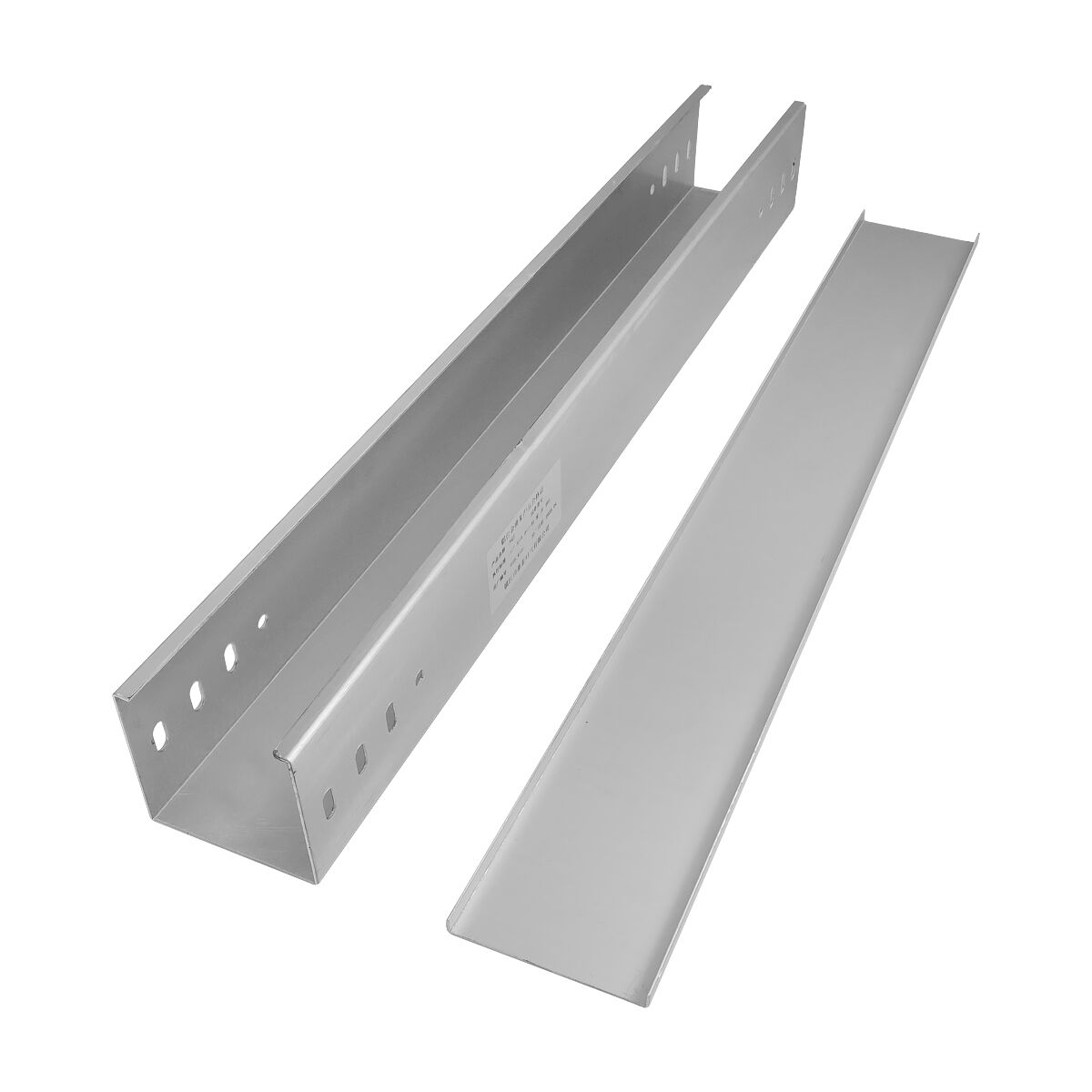
Modern building infrastructure relies heavily on sophisticated electrical systems that require organized, safe, and accessible cable management solutions. Cable trunking has emerged as the preferred choice for architects, engineers, and facility managers who understand the critical importance of proper cable organization in contemporary construction projects. This comprehensive cable management system offers unparalleled versatility and reliability compared to traditional conduit methods.
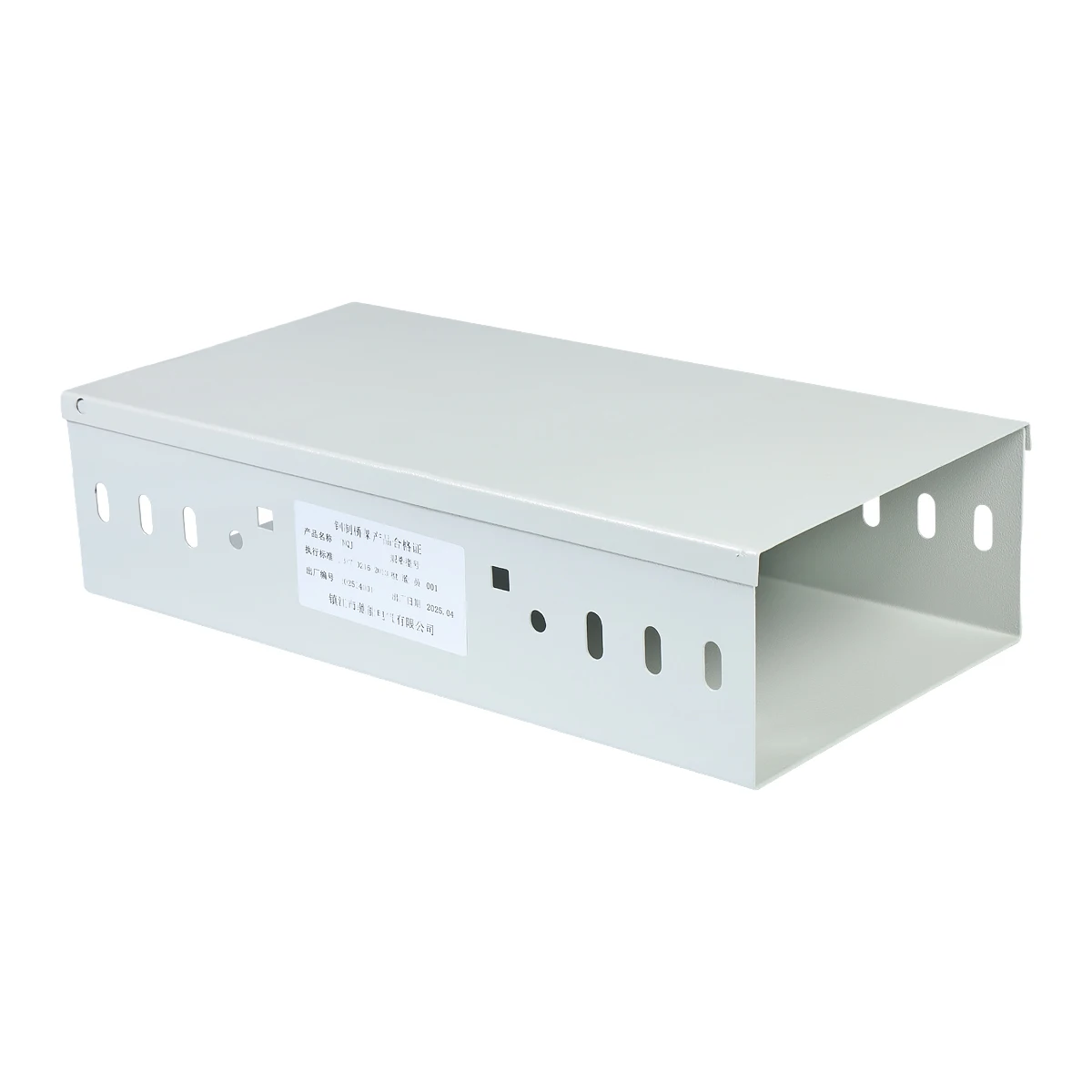
The growing complexity of modern buildings, with their integrated smart systems, advanced HVAC controls, and extensive networking infrastructure, demands cable management solutions that can accommodate multiple cable types while maintaining organization and accessibility. Cable trunking systems provide the ideal framework for managing these diverse electrical and data transmission requirements efficiently.
Enhanced Safety and Protection Features
Fire Resistance and Safety Standards
Cable trunking systems are manufactured to meet stringent fire safety regulations, incorporating materials that resist flame propagation and maintain structural integrity during emergency situations. The enclosed design of cable trunking prevents unauthorized access to electrical cables while protecting them from environmental hazards such as moisture, dust, and physical damage.
Professional installation of cable trunking ensures compliance with electrical codes and building regulations, reducing liability risks for property owners and managers. The robust construction materials used in quality cable trunking systems provide superior protection against impact damage and wear over extended periods of operation.
Electrical Isolation and Segregation
Modern cable trunking designs incorporate compartmentalization features that allow for proper segregation of different cable types, preventing electromagnetic interference and maintaining signal integrity. This separation is particularly crucial in commercial and industrial environments where power cables and data transmission lines must coexist without mutual interference.
The grounding capabilities of metal cable trunking systems provide additional safety benefits by creating a continuous electrical path that enhances overall system safety and reduces the risk of electrical faults. These grounding features are essential for maintaining electrical system stability in large commercial installations.
Cost-Effective Installation and Maintenance
Reduced Installation Time
Cable trunking systems significantly reduce installation time compared to individual conduit runs, as multiple cables can be installed simultaneously within a single trunking system. The modular design of modern cable trunking allows for efficient planning and execution of electrical installations, resulting in substantial labor cost savings during construction phases.
The standardized components and connection methods of cable trunking systems enable faster installation by experienced electricians, reducing project timelines and associated costs. This efficiency becomes particularly valuable in large-scale commercial and industrial projects where time constraints are critical factors.
Long-Term Maintenance Benefits
The accessibility provided by cable trunking systems makes routine maintenance and cable modifications significantly easier and more cost-effective than traditional buried or concealed cable installations. Maintenance personnel can quickly identify and address issues without extensive demolition or disruption to building operations.
Cable trunking systems facilitate future expansion and reconfiguration of electrical systems, allowing building owners to adapt their infrastructure to changing technological requirements without major reconstruction projects. This adaptability represents substantial long-term value for property owners and facility managers.
Versatility and Adaptability in Design
Multiple Material Options
Cable trunking is available in various materials including steel, aluminum, and specialized polymer compositions, each offering specific advantages for different environmental conditions and applications. Steel cable trunking provides maximum durability and fire resistance, making it ideal for industrial and high-risk environments.
Aluminum cable trunking offers excellent corrosion resistance and lighter weight characteristics, making it suitable for outdoor applications and environments where weight considerations are important. The material selection for cable trunking systems can be optimized based on specific project requirements and environmental factors.
Flexible Configuration Options
Modern cable trunking systems offer extensive configuration flexibility through standardized fittings, joints, and accessories that accommodate complex routing requirements in contemporary building designs. The availability of various sizes and profiles allows designers to optimize cable trunking selection for specific capacity and space requirements.
The modular nature of cable trunking systems enables easy modification and expansion as building requirements evolve, providing long-term value and adaptability. This flexibility is particularly important in commercial environments where technology upgrades and layout changes are frequent occurrences.
Environmental and Sustainability Considerations
Material Efficiency and Recycling
Cable trunking systems demonstrate superior material efficiency compared to multiple individual conduits, reducing overall material consumption and waste generation during installation. The durability of quality cable trunking materials ensures extended service life, minimizing replacement requirements and associated environmental impacts.
Metal cable trunking systems are fully recyclable at the end of their service life, contributing to sustainable building practices and environmental responsibility. This recyclability factor is increasingly important for projects pursuing green building certifications and sustainability goals.
Energy Efficiency Benefits
Properly organized cable trunking systems contribute to improved energy efficiency by reducing cable losses and maintaining optimal operating temperatures for electrical installations. The air circulation possible within cable trunking systems helps prevent overheating and maintains optimal performance of electrical cables.
The reduced electromagnetic interference achieved through proper cable segregation in cable trunking systems can improve the efficiency of sensitive electronic equipment and data transmission systems throughout the building.
Industrial and Commercial Applications
Manufacturing Facility Requirements
Industrial environments demand robust cable trunking solutions that can withstand harsh operating conditions including temperature extremes, vibration, and chemical exposure. Cable trunking systems designed for industrial applications incorporate enhanced protection features and durable construction materials appropriate for these demanding environments.
The ability of cable trunking to accommodate high cable densities makes it ideal for manufacturing facilities where extensive automation and control systems require organized cable management. The accessibility features of cable trunking facilitate rapid troubleshooting and maintenance in production environments where downtime costs are significant.
Commercial Building Integration
Modern commercial buildings rely on cable trunking systems to manage the complex network of power, data, and communication cables required for contemporary business operations. The aesthetic options available in cable trunking design allow for integration with architectural elements while maintaining functional performance.
Office environments benefit from the flexibility of cable trunking systems that can accommodate changing technology requirements and workspace reconfigurations without major infrastructure modifications. The scalability of cable trunking installations supports business growth and technological advancement.
FAQ
What are the main advantages of cable trunking over traditional conduit systems
Cable trunking offers several key advantages including faster installation, better accessibility for maintenance, improved cable organization, and cost-effectiveness for multi-cable installations. The system allows multiple cables to be installed simultaneously and provides easy access for future modifications or troubleshooting.
How does cable trunking contribute to building safety standards
Cable trunking enhances building safety through fire-resistant materials, proper electrical grounding, cable segregation capabilities, and protection from physical damage. The enclosed design prevents unauthorized access while maintaining compliance with electrical codes and building regulations.
Can cable trunking systems be customized for specific project requirements
Yes, cable trunking systems offer extensive customization options including various materials, sizes, protective coatings, and specialized accessories. Manufacturers can provide tailored solutions to meet specific environmental conditions, capacity requirements, and installation constraints.
What maintenance considerations apply to cable trunking installations
Cable trunking requires minimal maintenance due to its durable construction, but regular inspection of joints, supports, and protective coatings ensures optimal performance. The accessible design facilitates easy cable additions, modifications, and troubleshooting without system disruption.