
 EN
EN
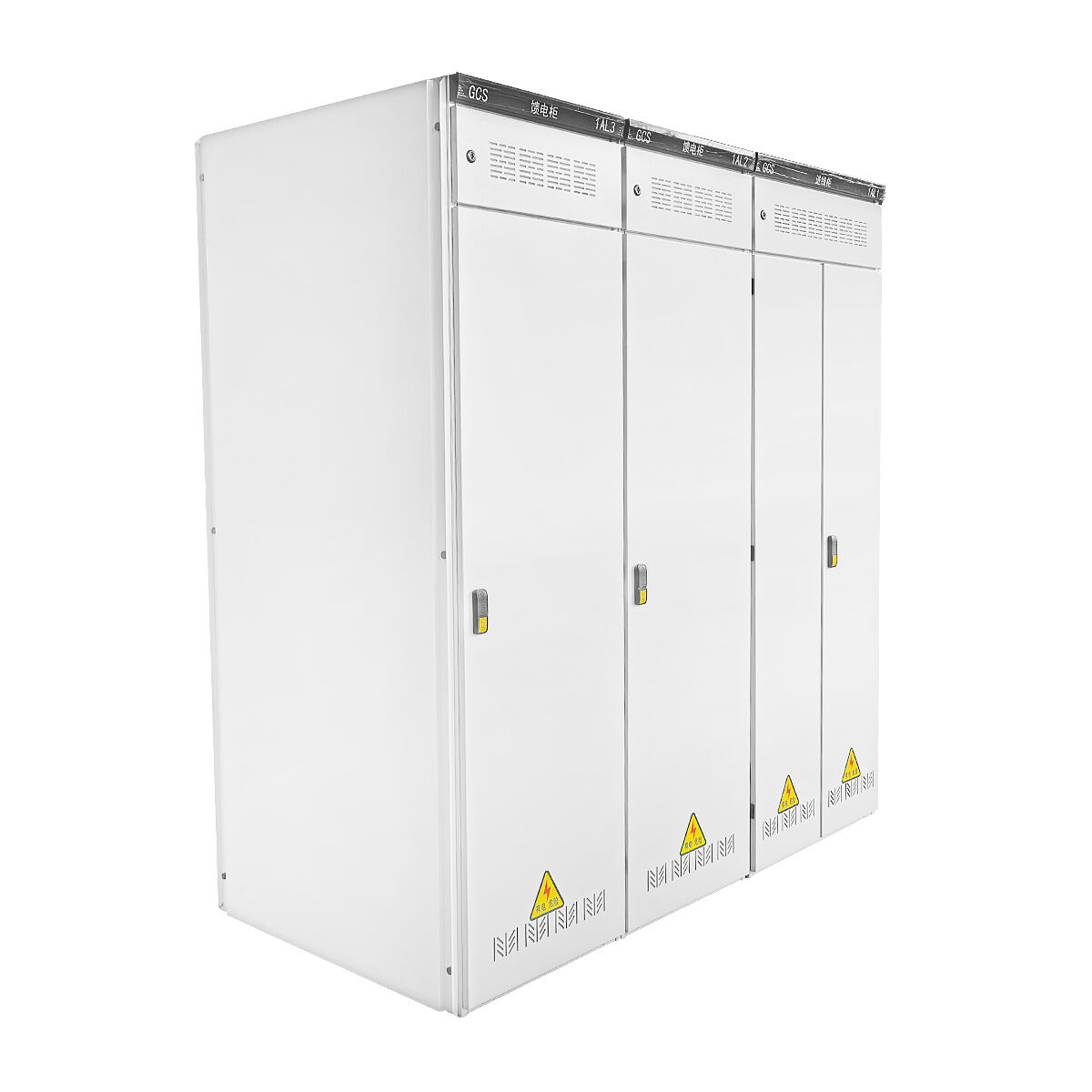
Selecting appropriate switchgear for specific voltage applications requires careful consideration of electrical parameters, safety standards, and operational requirements. The voltage level fundamentally determines the insulation requirements, arc extinction methods, and physical design characteristics that switchgear must possess to operate safely and reliably. Understanding how voltage classifications impact switchgear selection enables engineers to make informed decisions that optimize both performance and cost-effectiveness in electrical distribution systems.
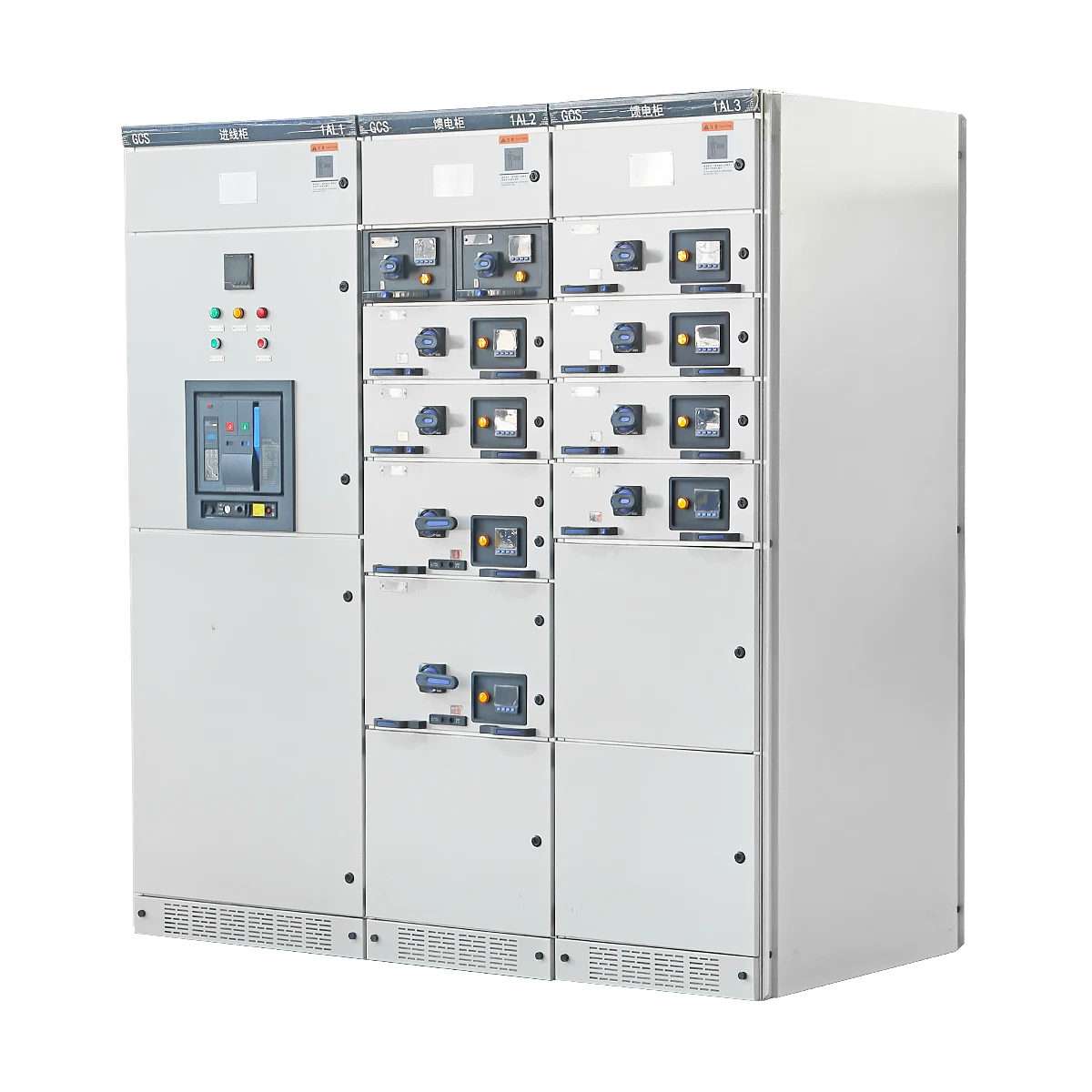
The process of choosing the right switchgear involves analyzing multiple technical factors that directly correlate with voltage requirements. From low voltage applications under 1000V to high voltage systems exceeding 35kV, each classification demands specific design features, testing standards, and installation considerations. Professional engineers must evaluate not only the nominal voltage but also transient conditions, fault currents, and environmental factors that influence switchgear performance across different voltage ranges.
Understanding Voltage Classification Systems for Switchgear Selection
Low Voltage Switchgear Characteristics and Applications
Low voltage switchgear operates within the 50V to 1000V AC range and represents the most common category in industrial and commercial installations. These systems typically utilize air as the primary insulating medium and employ thermal magnetic or electronic trip units for protection. The compact design and modular construction of low voltage switchgear make it suitable for motor control centers, distribution boards, and power distribution applications where space constraints and cost considerations are primary factors.
The selection process for low voltage switchgear focuses on current ratings, short circuit capacity, and coordination requirements rather than complex insulation considerations. Standard ratings include 400A, 630A, 1000A, 1600A, 2500A, and 4000A, with short circuit ratings typically ranging from 25kA to 100kA. Modern low voltage switchgear incorporates intelligent protection systems, communication capabilities, and energy monitoring functions that enhance operational efficiency and maintenance planning.
Environmental factors play a crucial role in low voltage switchgear selection, particularly regarding ingress protection ratings and ambient temperature considerations. Indoor applications typically require IP31 or IP41 protection levels, while outdoor installations demand higher ratings such as IP54 or IP65. The switchgear must also accommodate specific installation requirements including seismic considerations, altitude corrections, and harmonic content in the electrical system.
Medium Voltage Switchgear Design Requirements
Medium voltage switchgear encompasses systems operating between 1kV and 35kV, requiring enhanced insulation systems and specialized switching technologies. Gas insulated switchgear and air insulated switchgear represent the two primary technologies, each offering distinct advantages depending on installation requirements. The selection between these technologies depends on factors including available space, environmental conditions, maintenance accessibility, and long-term operational costs.
Vacuum circuit breakers dominate medium voltage switchgear applications due to their superior arc extinction capabilities, minimal maintenance requirements, and compact design. The vacuum technology provides excellent performance across the medium voltage range, with interrupting capabilities typically ranging from 25kA to 63kA. Switchgear selection must consider the vacuum interrupter's voltage rating, continuous current capacity, and mechanical life expectancy to ensure reliable operation throughout the expected service life.
Protection coordination becomes increasingly complex in medium voltage applications, requiring sophisticated relay systems that can discriminate between various fault conditions. The switchgear must accommodate protective relay panels, auxiliary switches, and communication equipment necessary for integration with supervisory control systems. Standardized compartmentalization ensures safe maintenance practices while minimizing system downtime during routine operations.
Technical Specifications and Performance Criteria
Electrical Parameters and Rating Considerations
The fundamental electrical parameters that govern switchgear selection include nominal voltage, rated current, short circuit current, and power frequency. These parameters establish the baseline requirements that switchgear must meet to operate safely within the specified electrical system. Voltage ratings must account for system voltage variations, typically allowing for plus or minus ten percent deviation from nominal values without compromising performance or safety margins.
Short circuit current calculations require careful analysis of system impedances, transformer characteristics, and fault contribution from rotating machinery. The switchgear must possess sufficient fault current interrupting capability to safely clear maximum available fault currents while maintaining arc containment within the enclosure. Modern calculation methods consider DC time constants, asymmetrical factors, and fault current decay characteristics that influence interrupting duties.
Continuous current ratings must accommodate normal load currents plus appropriate safety margins for future load growth and ambient temperature variations. The switchgear thermal design must dissipate heat generated by normal load currents without exceeding temperature rise limits specified in applicable standards. Forced air ventilation or natural convection cooling systems may be required depending on the current density and enclosure design characteristics.
Insulation Coordination and Clearance Requirements
Insulation coordination establishes the relationship between system voltages and the insulation levels required for safe operation. The basic insulation level and lightning impulse withstand voltage define the switchgear's ability to withstand transient overvoltages that may occur during switching operations or lightning events. These requirements become increasingly critical as voltage levels increase and directly influence the physical dimensions and cost of switchgear assemblies.
Clearance distances between energized parts and grounded surfaces must comply with applicable standards while considering altitude effects on air dielectric strength. High altitude installations require increased clearances to compensate for reduced air density that diminishes insulation effectiveness. The switchgear design must incorporate appropriate safety margins to account for these environmental effects while maintaining compact dimensions where possible.
Creepage distances along insulating surfaces prevent tracking and surface flashover under contaminated conditions. The selection of insulating materials and surface treatments must consider the expected pollution levels and environmental conditions that may compromise insulation performance. Modern switchgear designs utilize composite insulators and surface treatments that enhance performance under challenging environmental conditions.
Environmental and Installation Factors
Indoor versus Outdoor Installation Requirements
Indoor switchgear installations offer controlled environmental conditions that simplify design requirements and reduce maintenance needs. The stable temperature, humidity, and contamination levels typical of indoor environments allow for optimized switchgear designs that maximize performance while minimizing costs. Indoor installations also provide enhanced security and easier access for maintenance personnel, contributing to improved system reliability and operational efficiency.
Outdoor switchgear must withstand extreme weather conditions including temperature variations, precipitation, wind loading, and solar radiation. The enclosure design requires enhanced sealing systems, corrosion resistant materials, and thermal management systems that maintain acceptable operating temperatures under varying ambient conditions. UV resistant materials and specialized coatings protect against long-term environmental degradation that could compromise operational reliability.
Seismic considerations become particularly important for outdoor installations where soil conditions and foundation design directly influence switchgear performance during seismic events. The switchgear mounting system must provide adequate support while allowing for thermal expansion and contraction cycles. Flexible connections and vibration dampening systems may be required to prevent damage during normal operation and seismic events.
Space Constraints and Layout Optimization
Available installation space significantly influences switchgear selection, particularly in retrofits and space-constrained applications. Compact switchgear designs utilize advanced insulation systems and optimized layouts to minimize footprint requirements while maintaining necessary safety clearances. The selection process must balance space efficiency with accessibility requirements for maintenance and future modifications.
Cable connection requirements influence switchgear layout and may necessitate specific entry configurations depending on the installation environment. Bottom entry, top entry, and rear entry options provide flexibility in cable routing while maintaining required separation between different voltage levels. The switchgear design must accommodate cable bending radii, support systems, and segregation requirements specified in applicable installation standards.
Maintenance access requirements dictate minimum clearances around switchgear assemblies and may influence the selection between withdrawable and fixed mounted circuit breakers. Withdrawable designs facilitate maintenance operations but require additional space for equipment removal. The long-term operational strategy should consider maintenance philosophy and available skilled personnel when evaluating these design alternatives.
Safety Standards and Compliance Requirements
International Standards and Certification Requirements
International standards provide the foundation for switchgear safety requirements and performance criteria across different voltage classifications. IEC 62271 series standards establish comprehensive requirements for high voltage switchgear while IEC 61439 addresses low voltage switchgear assemblies. These standards define testing procedures, performance criteria, and safety requirements that ensure consistent performance across different manufacturers and applications.
Type testing requirements verify that switchgear designs meet specified performance criteria under standardized test conditions. These tests include dielectric testing, temperature rise verification, short circuit testing, and mechanical operation verification. The test results provide confidence in switchgear performance under specified operating conditions and form the basis for application engineering decisions.
Routine testing performed on each switchgear assembly verifies manufacturing quality and ensures compliance with design specifications. These tests typically include insulation resistance measurements, auxiliary circuit verification, and mechanical operation checks. The testing documentation provides traceability and quality assurance throughout the manufacturing and installation process.
Arc Flash and Personnel Safety Considerations
Arc flash analysis has become a critical factor in switchgear selection, requiring evaluation of incident energy levels and appropriate protective measures. The switchgear design must minimize arc flash hazards through proper arc containment, rapid fault clearing, and personnel protection systems. Modern switchgear incorporates arc resistant designs that redirect arc products away from personnel areas and minimize damage to adjacent equipment.
Personal protective equipment requirements depend on the calculated incident energy levels and may influence operational procedures and maintenance practices. Remote operation capabilities and enhanced safety interlocks can reduce personnel exposure to electrical hazards during routine operations. The switchgear selection should consider these safety enhancements as integral components of the overall system design rather than optional features.
Ground fault protection systems provide additional personnel safety by rapidly detecting and clearing ground faults that may not be detected by phase overcurrent protection. The sensitivity and coordination of ground fault protection must be carefully evaluated to prevent nuisance tripping while providing adequate personnel protection. Modern protective relay systems offer sophisticated ground fault detection algorithms that enhance both safety and system reliability.
Cost Optimization and Lifecycle Considerations
Initial Investment versus Operational Costs
The total cost of ownership for switchgear includes initial purchase price, installation costs, operational expenses, and maintenance costs over the expected service life. While higher quality switchgear may require greater initial investment, the reduced maintenance requirements and improved reliability often result in lower lifecycle costs. The economic analysis should consider energy losses, maintenance intervals, spare parts availability, and replacement costs when evaluating different switchgear alternatives.
Energy efficiency considerations have gained importance as utility costs increase and environmental regulations become more stringent. Modern switchgear designs incorporate low loss components, improved cooling systems, and energy monitoring capabilities that reduce operational costs while providing valuable operational data. The selection process should quantify these benefits and include them in the economic evaluation of different alternatives.
Maintenance costs vary significantly between different switchgear technologies and designs. Vacuum circuit breakers typically require minimal maintenance compared to oil or air circuit breakers, while gas insulated switchgear may require specialized personnel and equipment for maintenance operations. The availability of local service support and spare parts should be considered when evaluating maintenance cost projections for different switchgear alternatives.
Future Expansion and Modification Flexibility
Modular switchgear designs provide flexibility for future system modifications and expansions without requiring complete replacement of existing equipment. The selection process should consider future load growth, system configuration changes, and technology upgrades that may be required during the switchgear service life. Standardized components and communication interfaces facilitate future modifications while minimizing system disruption.
Obsolescence management becomes increasingly important as switchgear service lives extend beyond the availability of original components. The selection of proven technologies with long-term manufacturer support reduces the risk of premature replacement due to component unavailability. Standardized interfaces and components provide additional protection against obsolescence while maintaining system performance.
Smart grid integration capabilities represent an increasingly important consideration for switchgear selection. Modern installations require communication capabilities, remote monitoring functions, and integration with energy management systems. The switchgear selection should anticipate these requirements and provide appropriate infrastructure for future smart grid initiatives while maintaining compatibility with existing systems.
FAQ
What voltage classifications require different switchgear technologies?
Voltage classifications directly determine switchgear technology requirements, with low voltage systems (50V-1000V AC) typically using air insulated designs with thermal magnetic protection. Medium voltage applications (1kV-35kV) require vacuum or gas circuit breakers with enhanced insulation systems, while high voltage installations (above 35kV) necessitate specialized insulation technologies such as SF6 gas or vacuum insulation. Each classification has specific testing standards, safety requirements, and performance criteria that influence the selection process.
How do environmental conditions affect switchgear selection for different voltage levels?
Environmental conditions significantly impact switchgear selection across all voltage levels, with factors such as temperature, humidity, contamination, and altitude affecting insulation performance and equipment ratings. Low voltage switchgear requires appropriate IP ratings and ventilation systems, while medium and high voltage applications may need specialized coatings, sealed enclosures, or climate control systems. Outdoor installations demand enhanced weather protection, UV resistance, and corrosion protection regardless of voltage level, with higher voltages requiring more sophisticated environmental protection systems.
What safety standards must be considered when selecting switchgear for specific voltage applications?
Safety standards vary by voltage classification and application, with IEC 61439 governing low voltage switchgear assemblies and IEC 62271 series addressing medium and high voltage applications. Arc flash analysis requirements apply across all voltage levels but become more critical at higher voltages due to increased incident energy levels. Personnel protection systems, ground fault detection, and arc containment features must comply with applicable national and international standards, with more stringent requirements typically applying to higher voltage installations.
How should future expansion needs influence switchgear selection decisions?
Future expansion requirements should drive switchgear selection toward modular designs that accommodate load growth and system modifications without major infrastructure changes. The initial installation should include spare capacity for additional circuits, enhanced ratings to handle increased loads, and standardized components that facilitate future additions. Communication capabilities and smart grid readiness become increasingly important considerations, particularly for medium and high voltage applications where system integration and remote monitoring capabilities provide long-term operational benefits and flexibility for future technological advances.
Table of Contents
- Understanding Voltage Classification Systems for Switchgear Selection
- Technical Specifications and Performance Criteria
- Environmental and Installation Factors
- Safety Standards and Compliance Requirements
- Cost Optimization and Lifecycle Considerations
-
FAQ
- What voltage classifications require different switchgear technologies?
- How do environmental conditions affect switchgear selection for different voltage levels?
- What safety standards must be considered when selecting switchgear for specific voltage applications?
- How should future expansion needs influence switchgear selection decisions?