
 EN
EN
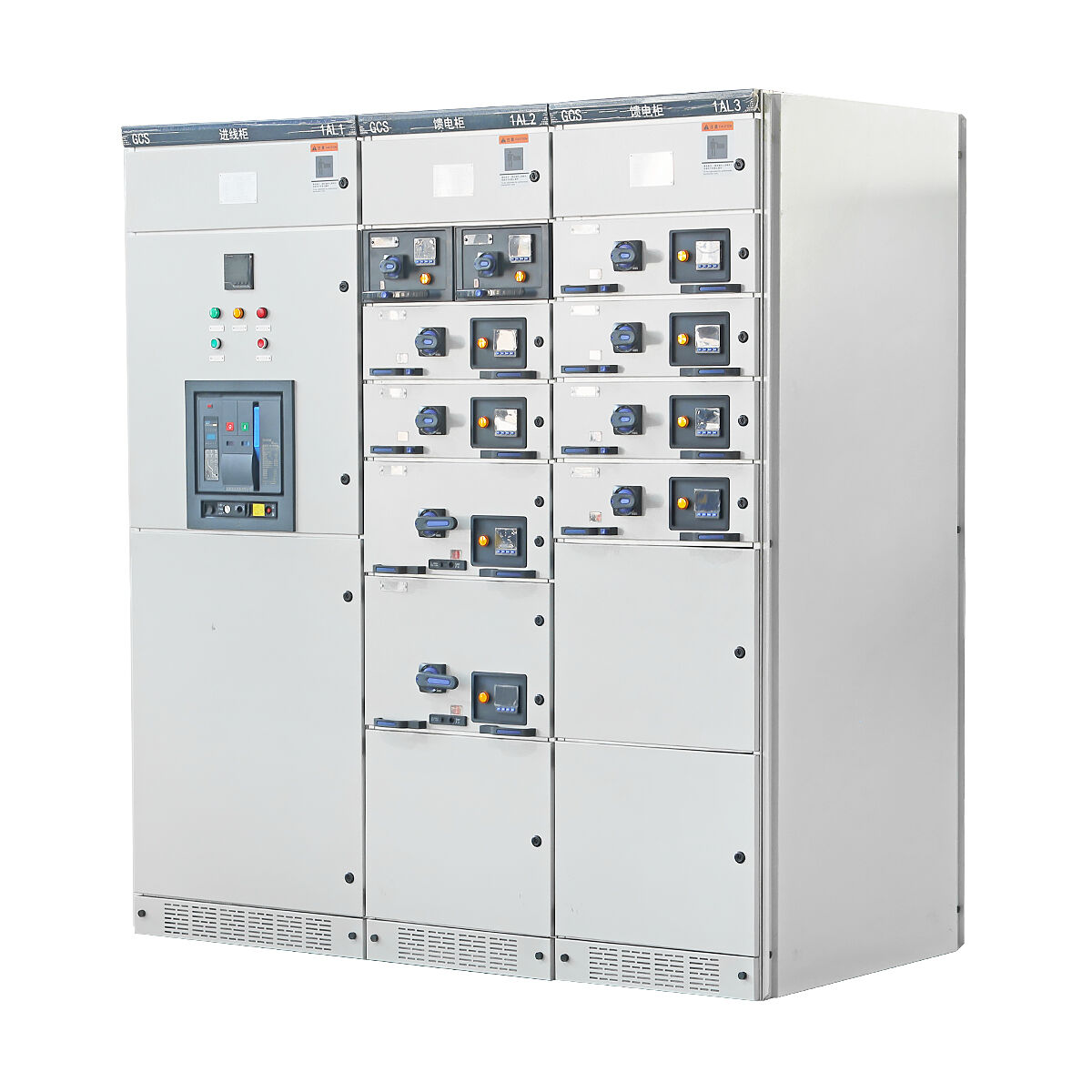
Smart switchgear represents a revolutionary advancement in electrical power distribution systems, fundamentally transforming how industrial facilities monitor and manage their electrical infrastructure. This intelligent technology integrates advanced sensors, communication protocols, and data analytics directly into traditional switchgear components, creating a comprehensive monitoring and control ecosystem that delivers unprecedented visibility into electrical system performance.
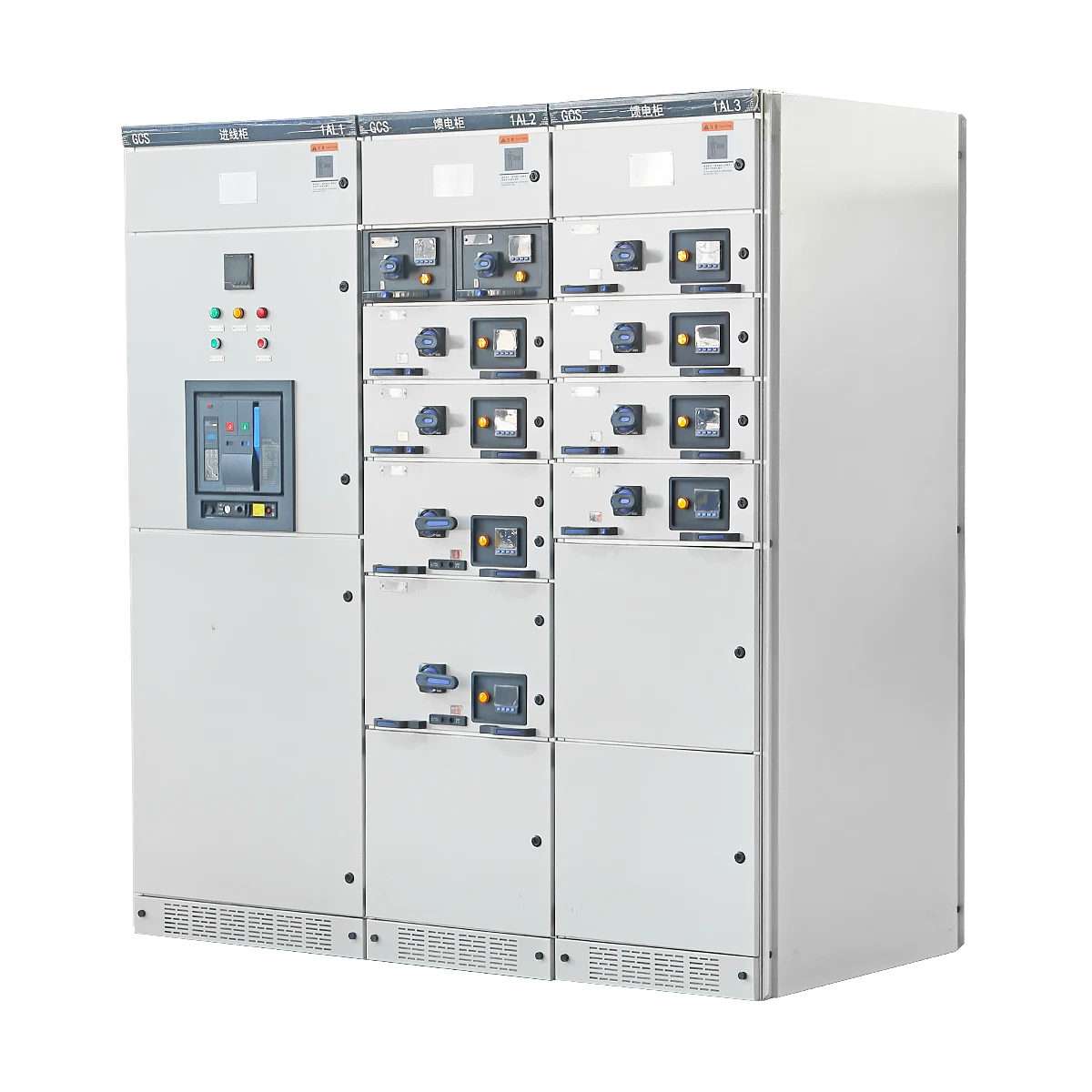
The transformation from conventional switchgear to smart switchgear creates measurable improvements in operational efficiency, predictive maintenance capabilities, and overall system reliability. By embedding intelligent monitoring capabilities directly into the electrical distribution infrastructure, facilities can achieve significant reductions in downtime, maintenance costs, and energy consumption while simultaneously improving safety protocols and regulatory compliance.
Enhanced Real-Time Monitoring Capabilities
Continuous Parameter Surveillance
Smart switchgear continuously monitors critical electrical parameters including voltage, current, power factor, harmonics, and temperature variations across all circuit points. This constant surveillance enables immediate detection of abnormal conditions that could indicate equipment stress, overloading, or potential failure scenarios. Unlike traditional switchgear systems that rely on periodic manual inspections, smart switchgear provides 24/7 monitoring with millisecond-level data collection intervals.
The integration of advanced sensor technologies within smart switchgear allows for precise measurement of electrical characteristics that were previously difficult or impossible to monitor continuously. These sensors capture data on arc flash conditions, insulation resistance, contact wear, and mechanical stress indicators, providing maintenance teams with comprehensive insights into equipment health and performance trends.
Data logging capabilities within smart switchgear systems create detailed historical records of all electrical events, enabling trend analysis and pattern recognition that supports both immediate troubleshooting and long-term strategic planning. This continuous data collection forms the foundation for advanced analytics that can predict equipment behavior and optimize operational parameters.
Automated Fault Detection and Isolation
Smart switchgear incorporates sophisticated fault detection algorithms that can identify and isolate electrical faults within seconds of occurrence, significantly reducing the scope and impact of electrical disturbances. These systems use advanced protection relays and intelligent switching logic to automatically disconnect affected circuits while maintaining power to unaffected areas of the facility.
The rapid response capabilities of smart switchgear systems prevent minor electrical issues from escalating into major equipment failures or safety hazards. By implementing zone-selective interlocking and communication-assisted protection schemes, these systems ensure that only the minimum necessary portion of the electrical system is disconnected during fault conditions.
Integration with facility management systems allows smart switchgear to provide immediate notification of fault events, including precise location information and preliminary fault analysis. This immediate communication capability enables maintenance teams to respond quickly with appropriate resources and repair strategies.
Operational Efficiency Improvements
Predictive Maintenance Optimization
Smart switchgear transforms maintenance strategies from reactive or time-based approaches to condition-based and predictive methodologies. By continuously monitoring equipment condition indicators such as contact resistance, insulation integrity, and mechanical wear patterns, these systems can predict when maintenance interventions will be required, allowing for optimal scheduling that minimizes operational disruption.
The data analytics capabilities embedded within smart switchgear systems analyze trends in equipment performance to identify gradual degradation patterns that precede failures. This predictive insight enables maintenance teams to replace components before they fail, avoiding unplanned downtime and the associated costs of emergency repairs and production losses.
Integration with computerized maintenance management systems allows smart switchgear to automatically generate work orders and maintenance schedules based on actual equipment condition rather than arbitrary time intervals. This optimization can reduce maintenance costs by up to thirty percent while simultaneously improving equipment reliability and extending operational life.
Energy Management and Load Optimization
Smart switchgear provides detailed energy consumption monitoring at the circuit level, enabling precise identification of energy usage patterns and opportunities for optimization. This granular visibility into power consumption allows facility managers to implement targeted energy efficiency measures and verify their effectiveness through continuous monitoring.
Advanced load management capabilities within smart switchgear systems can automatically adjust electrical loads based on demand response signals, time-of-use pricing, or facility-specific operating schedules. These systems can prioritize critical loads during peak demand periods and implement load shedding strategies that minimize energy costs while maintaining essential operations.
The integration of renewable energy sources and energy storage systems is facilitated by smart switchgear through sophisticated control algorithms that optimize the utilization of distributed energy resources. These systems can seamlessly transition between grid power, renewable generation, and stored energy based on availability, cost, and operational requirements.
Advanced Communication and Integration Features
Industrial Protocol Compatibility
Modern smart switchgear incorporates multiple communication protocols including Modbus, DNP3, IEC 61850, and Ethernet-based systems, ensuring seamless integration with existing facility management and control systems. This multi-protocol capability eliminates communication barriers that historically prevented comprehensive system integration and data sharing.
The standardization of communication protocols within smart switchgear enables interoperability between equipment from different manufacturers, reducing vendor lock-in and providing greater flexibility in system design and expansion. This compatibility ensures that existing investments in control systems and monitoring infrastructure can be leveraged when upgrading to smart switchgear technology.
Cybersecurity features integrated into smart switchgear communication systems include encryption, authentication, and network segmentation capabilities that protect critical electrical infrastructure from cyber threats while maintaining operational connectivity. These security measures are essential for facilities in critical industries where electrical system integrity is paramount.
Cloud-Based Analytics and Remote Management
Smart switchgear systems can transmit operational data to cloud-based analytics platforms that provide advanced analysis capabilities beyond what is possible with local processing resources. These cloud platforms can analyze data from multiple facilities to identify industry-wide trends and best practices that can be applied to optimize individual installations.
Remote monitoring capabilities enable expert technicians and engineers to diagnose switchgear issues and provide support without being physically present at the facility. This remote access capability is particularly valuable for facilities in remote locations or during emergency situations when immediate on-site support may not be available.
Integration with mobile applications allows facility managers and maintenance personnel to receive real-time alerts and access system status information from anywhere, enabling rapid response to critical events and improved coordination of maintenance activities across multiple locations.
Safety and Compliance Enhancements
Arc Flash Protection and Personnel Safety
Smart switchgear incorporates advanced arc flash detection and mitigation systems that can identify the early stages of arc flash events and take immediate action to protect personnel and equipment. These systems use optical sensors and current monitoring to detect arc signatures within milliseconds, triggering rapid circuit interruption that minimizes arc energy release.
Personnel safety is enhanced through smart switchgear systems that provide real-time equipment status information and safety interlocks that prevent unsafe operations. These systems can verify proper personal protective equipment usage, confirm isolation procedures, and provide visual and audible warnings when potentially hazardous conditions exist.
Integration with facility access control systems allows smart switchgear to restrict access to electrical equipment based on personnel qualifications, training status, and current operational conditions. This capability ensures that only authorized and properly trained individuals can interact with high-voltage electrical systems.
Regulatory Compliance and Documentation
Smart switchgear systems automatically generate detailed records of all electrical events, maintenance activities, and system changes, providing comprehensive documentation that supports regulatory compliance requirements. These digital records are more accurate and complete than traditional paper-based documentation systems and can be easily accessed during regulatory inspections or audits.
Compliance with electrical safety standards such as NFPA 70E, IEEE standards, and international IEC requirements is facilitated by smart switchgear through automated monitoring of safety-critical parameters and automatic generation of compliance reports. These systems can alert operators when conditions approach regulatory limits and provide guidance for corrective actions.
Environmental monitoring capabilities within smart switchgear can track parameters such as SF6 gas levels in gas-insulated systems, providing early warning of potential leaks that could impact environmental compliance. This monitoring capability supports proactive maintenance that prevents environmental incidents and associated regulatory penalties.
FAQ
What types of data can smart switchgear monitor in real-time?
Smart switchgear monitors electrical parameters including voltage, current, power factor, frequency, harmonics, temperature, humidity, and gas pressure levels. Additionally, these systems track equipment condition indicators such as contact resistance, insulation integrity, mechanical vibration, and arc flash signatures. This comprehensive monitoring provides complete visibility into both electrical performance and equipment health status.
How does smart switchgear integration affect existing electrical infrastructure?
Smart switchgear can typically be integrated into existing electrical infrastructure through retrofit installations or during scheduled equipment upgrades. Modern smart switchgear systems are designed with backward compatibility features that allow integration with legacy control systems while providing upgrade paths for enhanced functionality. The integration process usually involves minimal disruption to ongoing operations when properly planned and executed.
What are the typical cost savings associated with implementing smart switchgear?
Facilities implementing smart switchgear typically achieve cost savings of fifteen to thirty percent in maintenance expenses through predictive maintenance optimization and reduced unplanned downtime. Energy cost reductions of five to fifteen percent are common through improved load management and efficiency optimization. The initial investment in smart switchgear is generally recovered within three to five years through these operational savings and improved reliability.
How does smart switchgear improve electrical system reliability?
Smart switchgear improves reliability through continuous condition monitoring that enables early detection of potential problems before they cause failures. Automated fault detection and isolation capabilities minimize the impact of electrical disturbances, while predictive maintenance ensures equipment operates within optimal parameters. These combined capabilities can improve overall system reliability by forty to sixty percent compared to conventional switchgear systems.