
 EN
EN
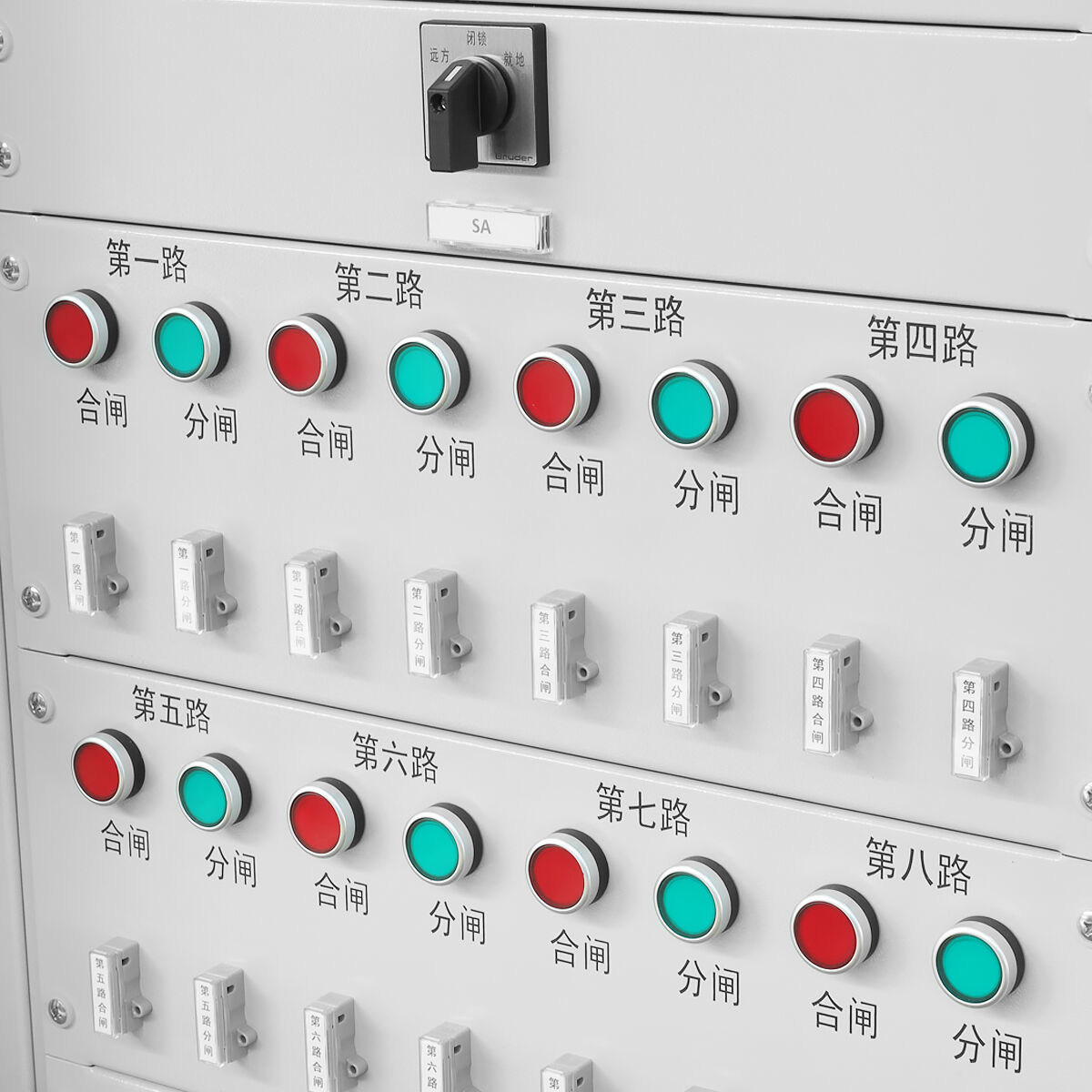
Installing a distribution box requires careful planning, proper safety protocols, and adherence to electrical codes to ensure both immediate safety and long-term reliable operation. The installation process involves multiple critical steps, from initial site assessment and component selection to final testing and commissioning, each requiring specific technical knowledge and safety awareness to prevent electrical hazards and ensure optimal system performance.
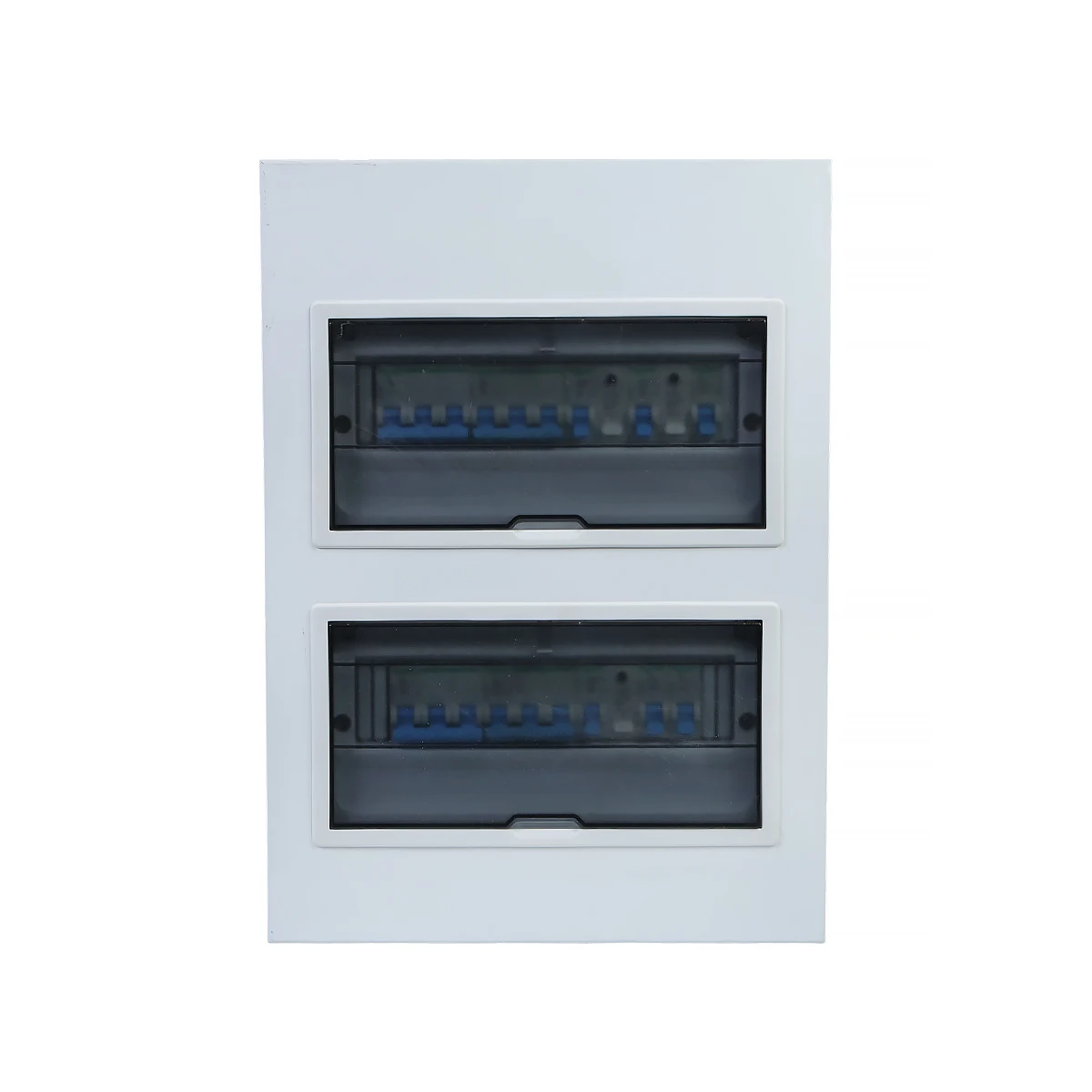
A properly installed distribution box serves as the central hub for electrical power distribution within a building or facility, making the installation process fundamental to overall electrical system reliability. Understanding the correct installation methodology not only ensures compliance with electrical safety standards but also maximizes the operational efficiency of your electrical distribution system while minimizing future maintenance requirements and potential safety risks.
Pre-Installation Planning and Safety Preparation
Site Assessment and Location Selection
The foundation of successful distribution box installation begins with thorough site assessment and strategic location selection. The chosen location must provide adequate clearance for both installation and future maintenance access, typically requiring at least 36 inches of clear space in front of the distribution box and appropriate side clearances as specified by local electrical codes. The mounting surface should be structurally sound, level, and capable of supporting the weight of the fully loaded distribution box plus any future expansions.
Environmental factors play a crucial role in location selection, as the distribution box must be protected from moisture, extreme temperatures, and potential physical damage while remaining easily accessible for routine maintenance and emergency situations. Consider factors such as ambient temperature ranges, humidity levels, and potential exposure to corrosive substances when evaluating potential installation sites. The location should also facilitate efficient cable routing to minimize installation complexity and reduce electromagnetic interference.
Essential Safety Equipment and Preparation
Safety preparation for distribution box installation requires comprehensive planning and proper equipment procurement before beginning any electrical work. Essential personal protective equipment includes insulated gloves rated for the working voltage, safety glasses, hard hats, and flame-resistant clothing appropriate for the electrical environment. Additionally, ensure availability of proper lockout/tagout devices, voltage testers, and emergency communication equipment to maintain safety throughout the installation process.
Establish clear safety protocols including energy isolation procedures, emergency response plans, and communication protocols with other personnel in the area. Verify that all installation personnel understand the specific hazards associated with the distribution box installation, including arc flash risks, electrical shock potential, and proper grounding procedures. Document all safety preparations and ensure compliance with applicable OSHA regulations and local safety requirements before proceeding with installation activities.
Electrical System Preparation and Component Selection
Power System Analysis and Load Calculations
Accurate load calculations form the technical foundation for proper distribution box selection and installation planning. Begin by analyzing the total connected load, demand factors, and future expansion requirements to ensure the selected distribution box can handle both current and anticipated future electrical demands. Consider factors such as motor starting currents, power factor correction requirements, and harmonic distortion levels when calculating the total system load and selecting appropriate protective devices.
The load analysis should include detailed evaluation of circuit requirements, including the number and types of branch circuits needed, voltage levels required for different loads, and special considerations for sensitive electronic equipment. This analysis directly influences the size and configuration of the distribution box required, ensuring adequate capacity while avoiding oversizing that can lead to unnecessary costs and installation complexity.
Component Procurement and Quality Verification
Selecting appropriate components for distribution box installation requires careful attention to electrical ratings, compatibility requirements, and quality standards. All components including circuit breakers, disconnect switches, and monitoring equipment must be properly rated for the intended application and certified to applicable electrical standards such as UL, IEC, or other relevant certification bodies. Verify that all components are compatible with each other and with the overall system design to prevent installation problems and ensure reliable operation.
Quality verification should include inspection of all components upon receipt, checking for physical damage, proper labeling, and completeness of documentation. Maintain detailed records of all components including model numbers, serial numbers, and certification documents for future reference during maintenance and inspection activities. Ensure that spare parts and replacement components are identified and available to minimize downtime in case of future maintenance requirements.
Installation Process and Technical Implementation
Mounting and Physical Installation
The physical mounting process for a distribution box requires precise measurement, proper fastening techniques, and attention to structural integrity to ensure long-term reliability and safety. Begin by marking the exact mounting location using appropriate measuring tools and leveling devices to ensure the distribution box will be installed perfectly level and square. Use appropriate fasteners rated for the wall or mounting surface material, ensuring that the mounting system can support the full weight of the loaded distribution box plus any dynamic loads from maintenance activities.
During the mounting process, verify that all required clearances are maintained according to electrical code requirements and manufacturer specifications. Pay special attention to the mounting height, ensuring that operating handles and displays are at appropriate heights for safe and convenient operation while maintaining required clearances from other equipment and building structures. Complete the mounting process by installing appropriate sealing or weatherproofing measures if the distribution box is installed in an outdoor or harsh environment.
Electrical Connections and Circuit Termination
Proper electrical connections represent the most critical aspect of distribution box installation, requiring meticulous attention to detail and strict adherence to electrical code requirements. Begin by organizing and routing all incoming and outgoing cables according to the predetermined cable schedule, maintaining proper separation between power and control circuits to minimize electromagnetic interference. Use appropriate cable management systems to secure cables and prevent stress on termination points while allowing for thermal expansion and future maintenance access.
Each electrical connection must be made according to manufacturer specifications using proper torque values and connection techniques to ensure reliable electrical contact and prevent overheating. Implement a systematic approach to connections, typically working from the main incoming supply through the distribution box to individual branch circuits, verifying each connection as it is completed. Apply appropriate connection marking and labeling to facilitate future maintenance and troubleshooting activities while ensuring compliance with electrical code identification requirements.
Testing, Commissioning, and Quality Assurance
Initial Testing and Safety Verification
Comprehensive testing protocols ensure that the distribution box installation meets all safety and performance requirements before energization and operational use. Begin with visual inspection of all connections, ensuring proper torque application, appropriate insulation clearances, and correct component installation according to manufacturer specifications. Conduct insulation resistance testing between all conductors and to ground to verify that insulation integrity meets electrical code requirements and industry standards.
Safety verification testing should include ground fault circuit integrity testing, protective device coordination verification, and emergency shutdown system functionality testing where applicable. Document all test results and compare them against design specifications and code requirements to ensure compliance. Any deficiencies identified during testing must be corrected and retested before proceeding with system energization and commissioning activities.
System Commissioning and Performance Validation
The commissioning process validates that the installed distribution box operates correctly under normal and abnormal operating conditions while meeting all performance specifications. Begin commissioning with careful energization procedures, monitoring system parameters such as voltage levels, current balance, and protective device operation during initial startup. Verify that all monitoring and indication systems function correctly and that all protective devices operate within their specified parameters.
Performance validation should include load testing under various operating conditions to ensure that the distribution box can handle the intended electrical loads without overheating or voltage regulation problems. Test all safety systems including emergency shutdown procedures, ground fault protection, and arc fault detection where installed. Complete the commissioning process by training operating personnel on proper operation procedures, maintenance requirements, and emergency response protocols specific to the installed distribution box configuration.
FAQ
What are the most critical safety considerations when installing a distribution box?
The most critical safety considerations include proper energy isolation and lockout/tagout procedures, use of appropriate personal protective equipment rated for the electrical environment, verification of proper grounding systems, and adherence to electrical clearance requirements. Additionally, ensuring proper arc flash protection, maintaining communication protocols during installation, and having emergency response procedures in place are essential for safe installation practices.
How do I determine the correct size distribution box for my application?
Determining the correct distribution box size requires comprehensive load analysis including total connected load calculations, demand factors, future expansion requirements, and consideration of environmental factors. The analysis should include evaluation of circuit requirements, voltage levels needed, and space requirements for all protective devices and accessories. Consulting with qualified electrical engineers and reviewing applicable electrical codes ensures proper sizing for your specific application.
What testing should be performed after distribution box installation?
Essential testing includes visual inspection of all connections and components, insulation resistance testing, ground fault circuit integrity verification, protective device coordination testing, and system performance validation under various load conditions. Additionally, all safety systems should be tested including emergency shutdown procedures, monitoring systems, and any special protection features. All test results should be documented and compared against design specifications for compliance verification.
How often should an installed distribution box be inspected and maintained?
Regular inspection and maintenance intervals depend on the operating environment and application requirements, but typically include monthly visual inspections, quarterly detailed inspections of connections and components, and annual comprehensive testing of all protective devices and safety systems. High-demand or critical applications may require more frequent inspection intervals, while maintenance schedules should always follow manufacturer recommendations and applicable electrical code requirements for optimal safety and reliability.
Table of Contents
- Pre-Installation Planning and Safety Preparation
- Electrical System Preparation and Component Selection
- Installation Process and Technical Implementation
- Testing, Commissioning, and Quality Assurance
-
FAQ
- What are the most critical safety considerations when installing a distribution box?
- How do I determine the correct size distribution box for my application?
- What testing should be performed after distribution box installation?
- How often should an installed distribution box be inspected and maintained?