
 EN
EN
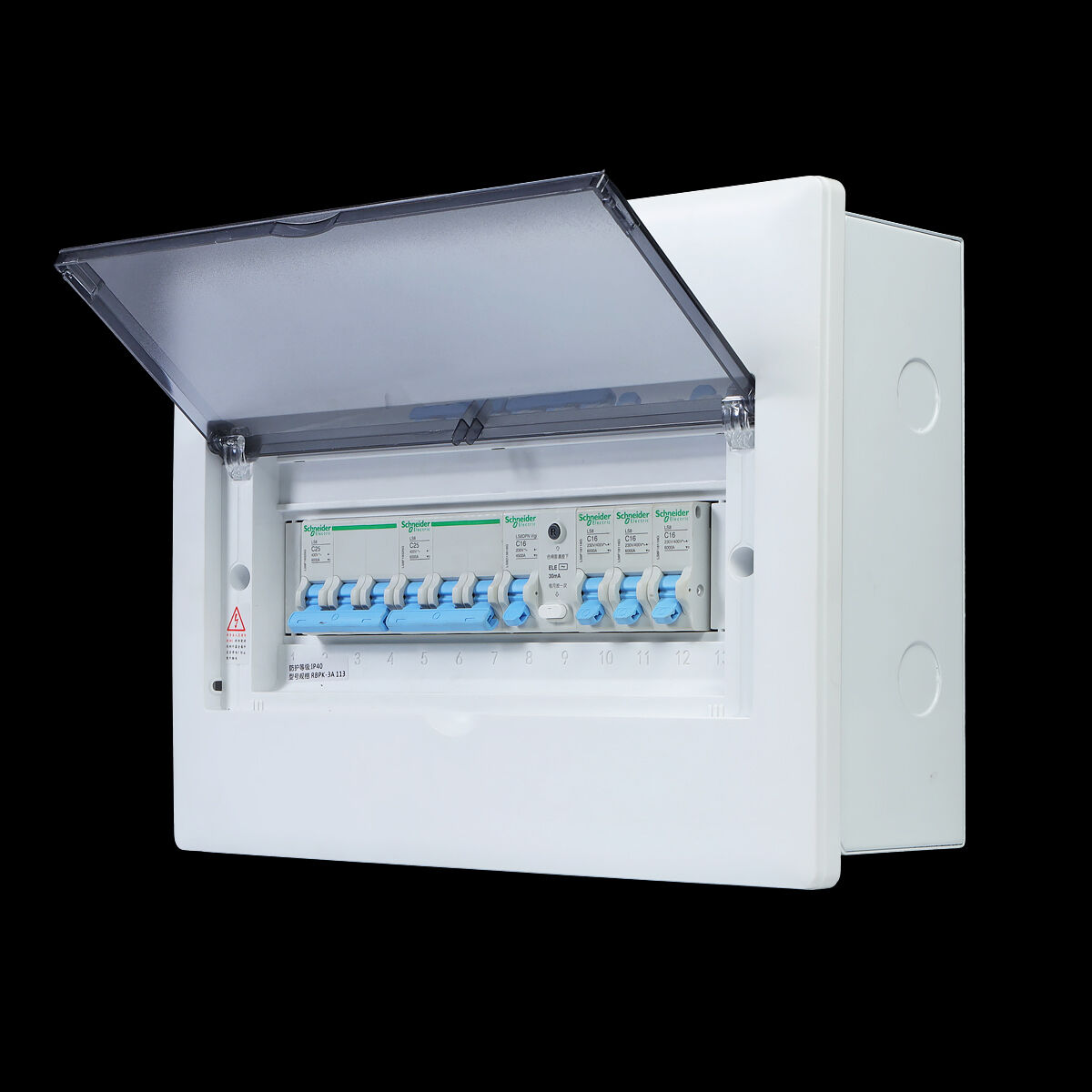
A distribution box serves as the central nervous system of electrical power management, transforming chaotic electrical distribution into organized, controlled power delivery. This essential electrical component acts as the primary interface between incoming power sources and multiple electrical circuits, ensuring safe and efficient power distribution throughout residential, commercial, and industrial facilities. Understanding how a distribution box improves electrical power management reveals why this device has become indispensable in modern electrical infrastructure.
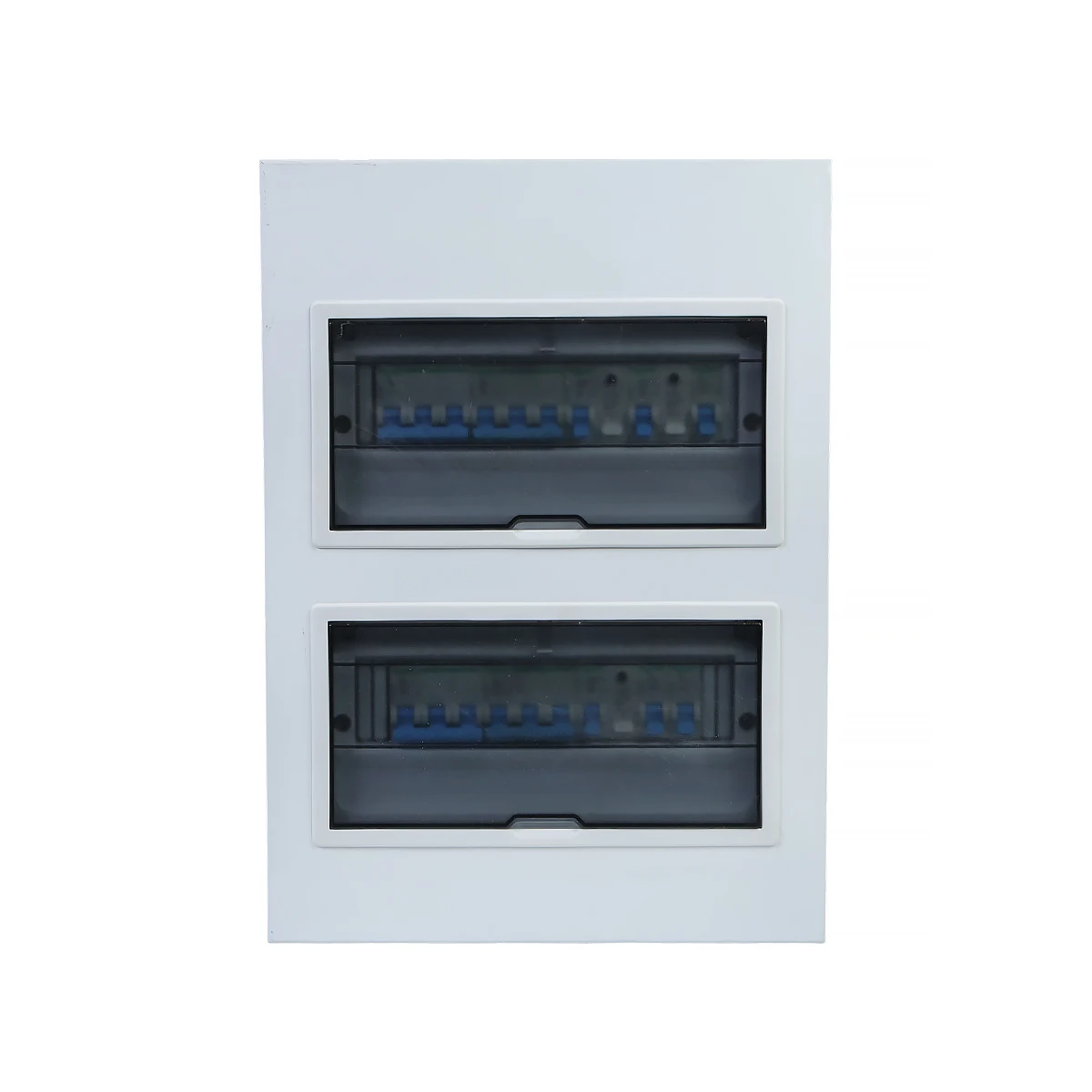
The fundamental improvement a distribution box brings to electrical power management lies in its ability to centralize control while maintaining distributed functionality. By housing multiple circuit breakers, fuses, and switching devices in a single enclosure, a distribution box creates a unified command center where electrical professionals can monitor, control, and troubleshoot power distribution systems efficiently. This centralized approach eliminates the complexity and safety risks associated with scattered electrical controls throughout a facility.
Centralized Circuit Protection and Control
Overcurrent Protection Mechanisms
The distribution box significantly enhances electrical power management through its sophisticated overcurrent protection capabilities. Each circuit branch within the distribution box features dedicated protection devices that monitor current flow continuously. When electrical loads exceed predetermined safe operating parameters, these protection mechanisms automatically interrupt power flow, preventing equipment damage and reducing fire hazards. This proactive protection approach ensures that electrical faults remain isolated to specific circuits rather than cascading throughout the entire electrical system.
Modern distribution box designs incorporate adjustable trip settings and selective coordination features that allow electrical engineers to fine-tune protection parameters for different load types. Industrial facilities particularly benefit from this flexibility, as they can optimize protection settings for motor loads, lighting circuits, and sensitive electronic equipment simultaneously. The distribution box acts as an intelligent guardian, making split-second decisions that preserve system integrity while maintaining power continuity to unaffected circuits.
Load Distribution and Balancing
Effective load distribution represents another critical improvement that a distribution box brings to power management systems. The internal bus bar configuration within a distribution box enables precise load allocation across multiple phases in three-phase systems. This balanced distribution prevents voltage imbalances that can damage sensitive equipment and reduce overall system efficiency. Electrical professionals can strategically connect different loads to achieve optimal phase balance, maximizing power quality and minimizing neutral current.
The distribution box facilitates dynamic load management through its modular circuit arrangement. As facility power requirements evolve, electrical technicians can easily reconfigure circuit assignments, add new branch circuits, or redistribute existing loads without extensive rewiring. This flexibility proves invaluable in commercial and industrial environments where operational changes frequently alter electrical demand patterns.
Enhanced Safety and Maintenance Access
Personnel Safety Improvements
Safety enhancement stands as one of the most significant ways a distribution box improves electrical power management. The enclosed design of a distribution box protects personnel from accidental contact with live electrical components while providing controlled access for authorized maintenance activities. Safety interlocks and proper grounding systems within the distribution box create multiple layers of protection that minimize electrical hazards during routine operations and emergency situations.
Professional-grade distribution boxes incorporate arc fault detection and ground fault protection features that identify dangerous electrical conditions before they pose serious threats. These advanced safety systems continuously monitor electrical parameters and can detect insulation failures, loose connections, and other fault conditions that traditional protection devices might miss. When integrated properly, a distribution box becomes a comprehensive safety management platform that protects both personnel and equipment.
Streamlined Maintenance Procedures
The centralized nature of a distribution box dramatically simplifies maintenance procedures and reduces system downtime. Electrical maintenance teams can access all critical switching and protection devices from a single location, eliminating the need to travel throughout a facility to perform routine inspections and testing. This centralization reduces maintenance time, improves safety compliance, and ensures more consistent maintenance quality across all electrical circuits.
Modern distribution box designs incorporate diagnostic capabilities that provide real-time information about circuit performance, load conditions, and potential issues. These intelligent features enable predictive maintenance strategies that identify problems before they cause equipment failures or service interruptions. Maintenance personnel can use this diagnostic data to prioritize maintenance activities, optimize replacement schedules, and improve overall system reliability.
System Monitoring and Diagnostic Capabilities
Real-Time Performance Monitoring
Advanced distribution box systems transform electrical power management through comprehensive monitoring capabilities that provide unprecedented visibility into system performance. Digital meters and sensors integrated within the distribution box continuously track voltage levels, current flow, power consumption, and harmonic distortion across all connected circuits. This real-time monitoring enables facility managers to identify inefficiencies, optimize energy usage, and prevent costly equipment failures before they occur.
The monitoring capabilities of a modern distribution box extend beyond basic electrical parameters to include environmental conditions such as temperature, humidity, and enclosure integrity. These comprehensive monitoring systems can detect overheating conditions, moisture ingress, and other environmental factors that could compromise electrical system performance. By providing early warning of potential problems, the distribution box enables proactive maintenance strategies that minimize unplanned downtime and extend equipment life.
Data Integration and Communication
Contemporary distribution box designs incorporate communication protocols that enable seamless integration with building management systems and industrial control networks. This connectivity allows the distribution box to share performance data, alarm conditions, and operational status with centralized monitoring systems. Facility operators can access detailed electrical information remotely, enabling faster response times and more informed decision-making regarding power management strategies.
The data collection capabilities of an intelligent distribution box support energy management initiatives by providing detailed consumption patterns and efficiency metrics. This information helps organizations identify opportunities for energy conservation, optimize operating schedules, and demonstrate compliance with energy efficiency regulations. The distribution box becomes a key component in smart building systems that automatically adjust electrical loads based on occupancy patterns, time of day, and energy cost structures.
Scalability and Future Expansion Capabilities
Modular Design Advantages
The modular architecture of modern distribution box systems provides exceptional scalability that improves long-term electrical power management flexibility. Standardized mounting systems and connection interfaces within the distribution box allow facility operators to add new circuit protection devices, monitoring equipment, and control components without major system modifications. This modularity reduces expansion costs and minimizes disruption to existing electrical operations during facility upgrades.
Modular distribution box designs accommodate various circuit breaker types, protection relays, and communication modules within a single enclosure. This versatility enables electrical engineers to specify the optimal combination of components for specific applications while maintaining standardized installation and maintenance procedures. As technology advances, individual modules can be upgraded or replaced without affecting the entire electrical distribution system.
Integration with Smart Grid Technologies
Forward-thinking distribution box designs incorporate features that support integration with smart grid technologies and renewable energy systems. Advanced switching capabilities within the distribution box enable seamless transitions between utility power, backup generators, and renewable energy sources such as solar panels or wind turbines. This multi-source capability improves power reliability and supports sustainability initiatives while maintaining centralized control and monitoring.
The distribution box serves as a critical interface between traditional electrical infrastructure and emerging smart grid technologies. Advanced communication protocols and control capabilities enable the distribution box to participate in demand response programs, peak load management initiatives, and grid stabilization efforts. This smart grid integration transforms the distribution box from a passive electrical component into an active participant in modern energy management systems.
FAQ
What is the primary function of a distribution box in electrical systems?
A distribution box serves as the central hub for electrical power distribution, housing circuit breakers, fuses, and switching devices that control and protect multiple electrical circuits. Its primary function is to safely distribute electrical power from main supply lines to individual branch circuits while providing overcurrent protection and centralized control access for maintenance and troubleshooting activities.
How does a distribution box improve electrical safety compared to individual circuit protection?
A distribution box enhances electrical safety by consolidating all protection devices in a single, properly designed enclosure with appropriate safety interlocks and grounding systems. This centralized approach eliminates scattered electrical panels throughout a facility, reduces the risk of accidental contact with live components, and ensures consistent safety standards across all electrical circuits while providing controlled access for authorized personnel only.
Can a distribution box be upgraded to accommodate increased electrical loads?
Yes, modern distribution box designs feature modular construction that allows for expansion and upgrades to accommodate increased electrical loads. Additional circuit breakers, monitoring equipment, and protection devices can be installed in spare positions within the existing enclosure, or the system can be expanded with additional distribution boxes connected through proper electrical interfaces, providing scalable solutions for growing electrical demands.
What role does a distribution box play in energy efficiency and monitoring?
Advanced distribution box systems incorporate digital monitoring capabilities that track power consumption, voltage quality, and system efficiency across all connected circuits. This comprehensive monitoring enables facility managers to identify energy waste, optimize load distribution, implement demand management strategies, and demonstrate compliance with energy efficiency regulations while supporting predictive maintenance programs that improve overall system performance.
Table of Contents
- Centralized Circuit Protection and Control
- Enhanced Safety and Maintenance Access
- System Monitoring and Diagnostic Capabilities
- Scalability and Future Expansion Capabilities
-
FAQ
- What is the primary function of a distribution box in electrical systems?
- How does a distribution box improve electrical safety compared to individual circuit protection?
- Can a distribution box be upgraded to accommodate increased electrical loads?
- What role does a distribution box play in energy efficiency and monitoring?