
 EN
EN
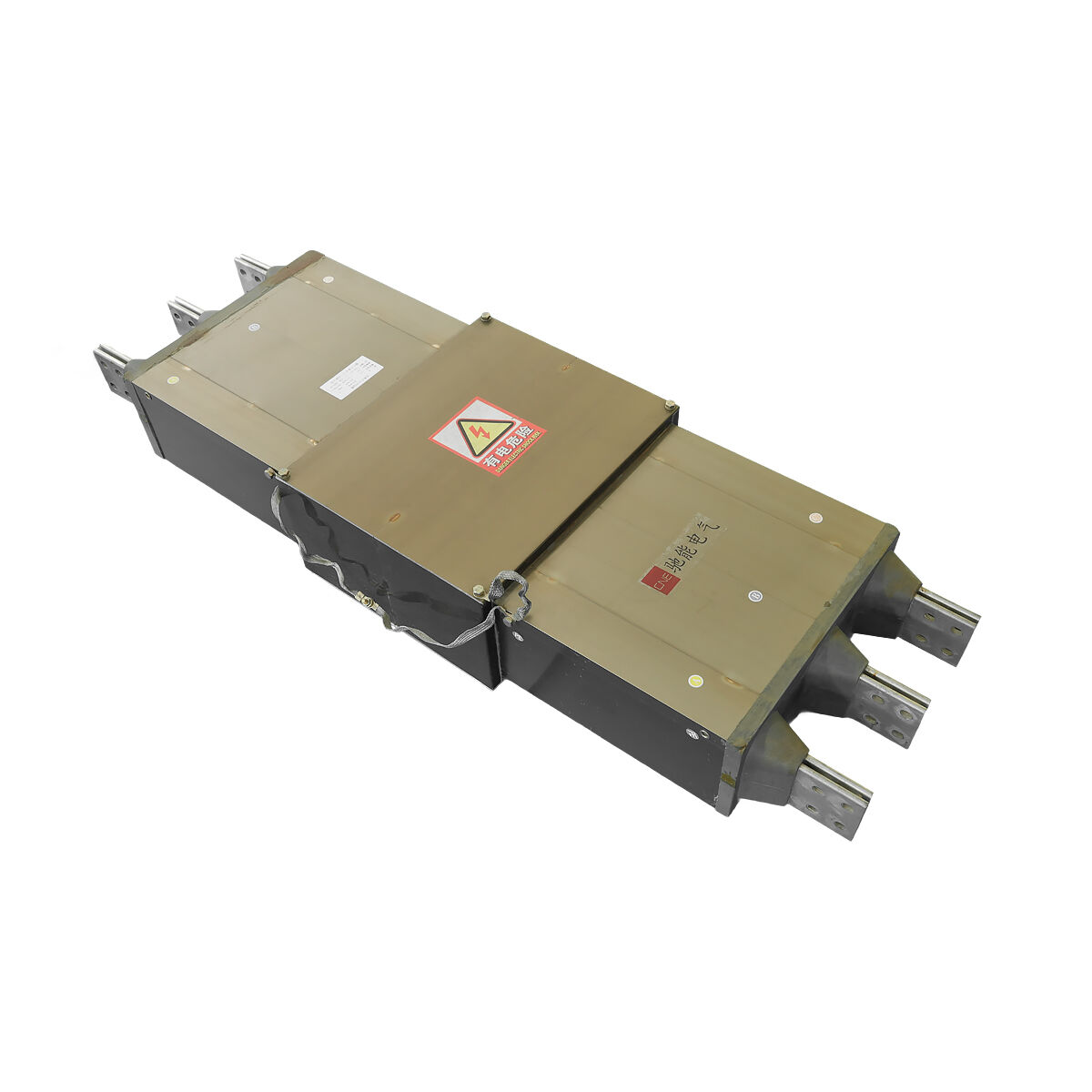
Outdoor electrical systems face relentless environmental challenges that indoor installations never encounter. Rain, snow, dust, humidity, and temperature fluctuations create hostile conditions that can compromise electrical safety and system reliability. In these demanding environments, waterproof distribution boxes serve as the critical protective barrier between sensitive electrical components and the elements. These specialized enclosures are not merely optional upgrades but fundamental safety infrastructure that prevents electrical failures, equipment damage, and potentially catastrophic hazards in outdoor power distribution networks.
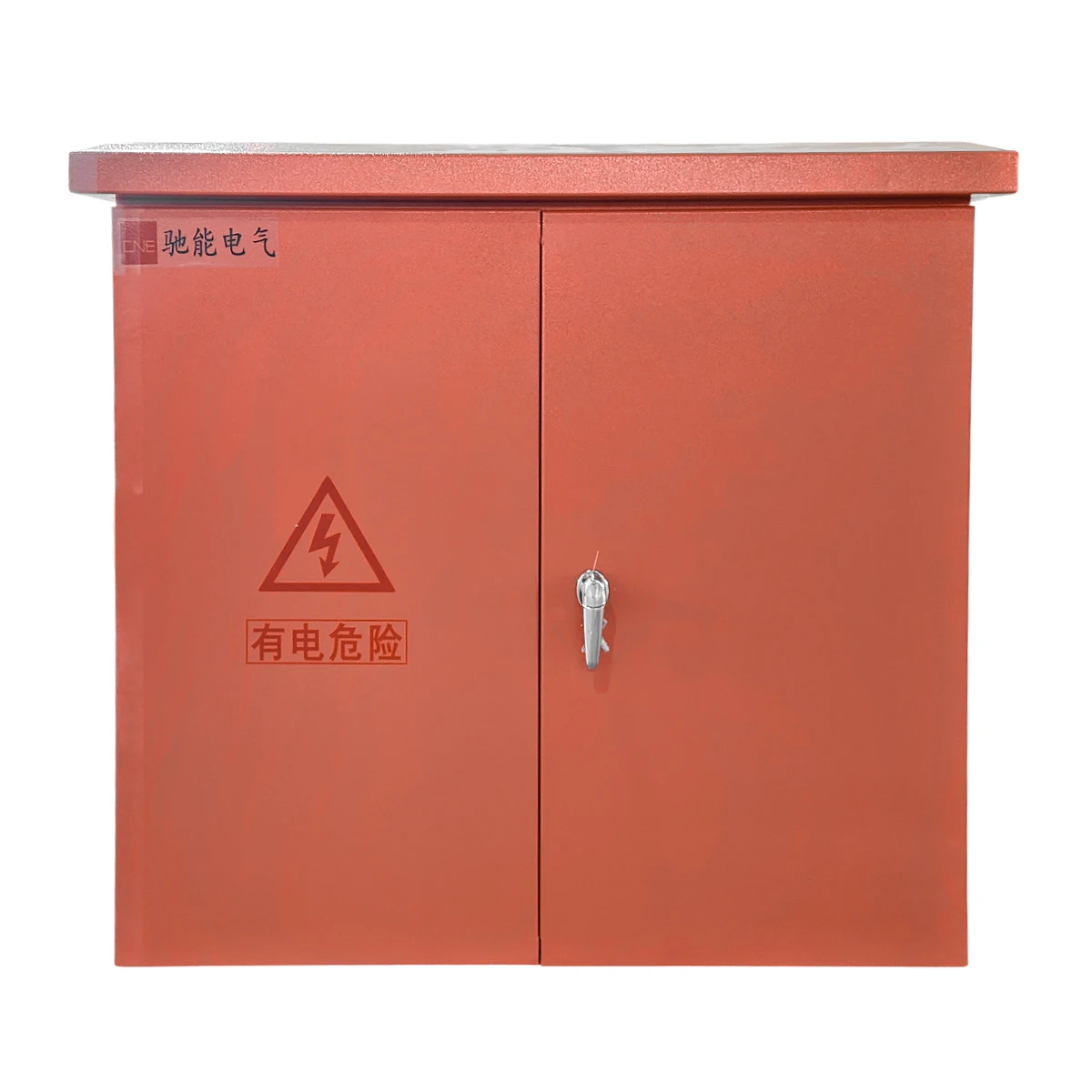
The essential nature of waterproof distribution boxes in outdoor systems stems from their ability to maintain electrical integrity under adverse conditions while ensuring continuous operation of power distribution networks. From construction sites and industrial facilities to municipal infrastructure and renewable energy installations, these protective enclosures enable reliable outdoor electrical service where standard equipment would quickly fail. Understanding why waterproof distribution boxes are indispensable helps facility managers, electrical contractors, and system designers make informed decisions that protect both investments and personnel safety in outdoor electrical applications.
Protection Against Environmental Infiltration and Moisture Damage
Water Ingress Prevention as Primary Safety Function
The fundamental purpose of waterproof distribution boxes is preventing water infiltration that causes immediate and long-term electrical system damage. Water entering electrical enclosures creates conductive pathways that lead to short circuits, ground faults, and equipment failure. Rain, snow melt, and condensation pose constant threats to outdoor electrical installations, making moisture protection the most critical requirement for distribution equipment exposed to weather. Waterproof distribution boxes employ gasket-sealed doors, threaded cable entry points, and drainage systems that maintain dry internal environments even during prolonged exposure to precipitation.
Beyond preventing acute water damage, these enclosures also protect against humidity-related degradation that occurs gradually over time. High humidity levels accelerate corrosion of electrical contacts, degrade insulation materials, and promote microbial growth that can compromise component integrity. Quality waterproof distribution boxes maintain controlled internal environments that minimize condensation formation and prevent moisture accumulation. This environmental control extends equipment lifespan significantly compared to standard enclosures, reducing replacement costs and minimizing system downtime in outdoor installations where accessibility for maintenance may be limited.
Dust and Particulate Contamination Control
Outdoor environments contain airborne particulates that infiltrate unsealed electrical enclosures and cause operational problems. Construction dust, agricultural debris, industrial pollutants, and wind-blown sand accumulate on electrical contacts and internal components, creating insulation pathways and interfering with proper operation. Waterproof distribution boxes typically feature high ingress protection ratings that seal against both water and solid particulates, preventing contamination that degrades performance. This dual protection is particularly essential in industrial zones, coastal areas with salt spray, and dusty environments where particulate exposure is constant.
The sealed construction of waterproof distribution boxes also prevents insect and small animal intrusion that commonly affects outdoor electrical equipment. Insects seeking shelter can create nests inside electrical enclosures, while their bodies and waste products create conductive paths between energized components. Small animals may chew through wiring insulation or cause short circuits through direct contact. Properly sealed waterproof distribution boxes eliminate these biological threats, ensuring that outdoor electrical systems remain free from contamination that could trigger unexpected failures or safety hazards during critical operations.
Ensuring Operational Continuity in Harsh Weather Conditions
Temperature Extremes and Thermal Management
Outdoor electrical systems must function reliably across wide temperature ranges that would disable equipment designed only for climate-controlled indoor environments. Extreme cold causes materials to become brittle and can freeze condensation inside enclosures, while excessive heat accelerates component degradation and increases failure risk. Waterproof distribution boxes are engineered with materials and design features that maintain operational stability across temperature extremes. UV-resistant polycarbonate, powder-coated steel, and specialized polymers withstand both freezing conditions and intense solar exposure without structural compromise or performance degradation.
Advanced waterproof distribution boxes incorporate thermal management features that regulate internal temperatures and prevent heat buildup. Ventilation systems with sealed filters allow heat dissipation while maintaining moisture protection, preventing thermal overload of electrical components during high-ambient-temperature operation. Some designs include mounting provisions for cooling fans or heating elements that maintain optimal operating temperatures in extreme climates. This thermal management capability ensures that outdoor electrical systems maintain consistent performance regardless of seasonal weather variations, supporting continuous operation in applications where downtime creates significant operational or financial consequences.
Wind and Physical Impact Resistance
Outdoor electrical infrastructure faces mechanical stresses that indoor installations never encounter. High winds can damage unsealed enclosures or drive rain into inadequately protected equipment, while flying debris during storms can penetrate standard housings. Waterproof distribution boxes feature robust construction with reinforced mounting points and impact-resistant materials that withstand wind loading and physical impacts. Heavy-gauge steel construction with structural reinforcement provides mechanical strength, while polycarbonate designs offer impact resistance combined with lightweight portability for temporary installations.
The mechanical integrity of waterproof distribution boxes extends beyond weather resistance to include protection against accidental impacts during normal operations. Construction equipment, maintenance vehicles, and routine facility activities pose collision risks to outdoor electrical enclosures. Properly rated waterproof distribution boxes absorb impacts without compromising internal components or creating openings that allow environmental infiltration. This durability reduces maintenance requirements and replacement costs while ensuring that electrical systems remain operational even after minor physical impacts that would damage conventional enclosures.
Compliance with Safety Standards and Electrical Codes
Meeting Ingress Protection Rating Requirements
Electrical codes and safety standards mandate specific environmental protection levels for outdoor electrical equipment based on exposure conditions. The International Protection (IP) rating system defines minimum requirements for water and dust ingress protection, with outdoor applications typically requiring IP65 or higher ratings. Waterproof distribution boxes are specifically designed and tested to meet or exceed these regulatory requirements, providing documented compliance that satisfies inspection authorities and insurance requirements. Proper IP rating selection ensures that installations meet code requirements while providing adequate protection for specific environmental conditions.
Using waterproof distribution boxes with appropriate ratings demonstrates due diligence in electrical system design and reduces liability exposure. Facilities that employ inadequately protected outdoor electrical equipment face increased risk of electrical fires, equipment damage, and personnel injury that can result in significant legal and financial consequences. Certified waterproof distribution boxes provide verifiable protection that meets industry standards, supporting compliance documentation and reducing insurance premiums. This regulatory compliance aspect makes waterproof enclosures essential components rather than optional upgrades in properly designed outdoor electrical systems.
Grounding and Bonding Protection Integrity
Effective grounding systems are fundamental to electrical safety, providing fault current pathways that enable protective devices to operate correctly during abnormal conditions. Waterproof distribution boxes must maintain reliable grounding connections despite environmental exposure that can corrode standard connections. Quality enclosures incorporate corrosion-resistant grounding provisions with stainless steel hardware and bonding terminals that maintain low-resistance earth connections throughout the equipment service life. This grounding integrity ensures that ground fault protection systems function as designed, preventing dangerous voltage potentials that could endanger personnel.
The sealed environment within waterproof distribution boxes also protects bonding connections between metallic components that could otherwise corrode and create high-resistance joints. Poor bonding creates dangerous conditions where equipment enclosures may not remain at ground potential during fault conditions, potentially exposing maintenance personnel to shock hazards. Waterproof distribution boxes preserve bonding integrity by preventing moisture and contaminants from degrading these critical safety connections. This protection of grounding and bonding systems represents an essential safety function that justifies the use of waterproof enclosures in all outdoor electrical installations regardless of other environmental considerations.
Economic Justification Through Lifecycle Cost Analysis
Reduction in Equipment Replacement and Repair Costs
While waterproof distribution boxes represent higher initial investment compared to standard enclosures, lifecycle cost analysis consistently demonstrates substantial economic advantages. Electrical equipment exposed to weather without adequate protection experiences accelerated degradation that necessitates frequent component replacement and system repairs. Circuit breakers, contactors, terminals, and wiring harnesses deteriorate rapidly when exposed to moisture and contaminants, creating recurring maintenance expenses that quickly exceed the cost differential of proper protective enclosures. Waterproof distribution boxes eliminate most environmentally-induced failures, dramatically reducing parts consumption and labor costs associated with outdoor electrical system maintenance.
The extended service life enabled by waterproof distribution boxes also reduces the total cost of ownership for outdoor electrical infrastructure. Standard enclosures may require complete replacement every few years in harsh outdoor environments, while quality waterproof alternatives can provide decades of reliable service with minimal maintenance. This longevity advantage becomes particularly significant in remote installations where equipment access involves substantial travel costs and logistical challenges. The economic case for waterproof distribution boxes strengthens in proportion to installation difficulty and environmental severity, making them financially prudent choices for virtually all outdoor electrical applications.
Minimizing Downtime and Operational Disruption
Electrical system failures in outdoor applications create operational disruptions that often cost far more than the direct repair expenses. Manufacturing facilities, data centers, telecommunications infrastructure, and municipal services depend on continuous electrical supply, with each hour of downtime generating substantial financial losses and service interruptions. Waterproof distribution boxes dramatically reduce failure frequency in outdoor electrical systems, supporting higher availability and reliability. This improved uptime translates directly to increased productivity, reduced emergency service calls, and enhanced customer satisfaction in applications where electrical continuity is critical to business operations.
Beyond scheduled operations, waterproof distribution boxes provide essential reliability during weather events when electrical service becomes most critical. Storms, extreme temperatures, and severe weather conditions increase electrical demand while simultaneously threatening exposed infrastructure. Facilities using waterproof distribution boxes maintain electrical service during conditions that disable inadequately protected systems, providing competitive advantages and supporting emergency response capabilities. This operational resilience during adverse conditions represents significant economic value that conventional cost analysis often overlooks but that becomes immediately apparent during the first major weather event that affects outdoor electrical systems.
Application-Specific Requirements Across Industries
Construction and Temporary Power Distribution
Construction sites present particularly demanding environments for electrical distribution equipment due to exposure to weather, physical abuse, and dusty conditions. Temporary power distribution systems using waterproof distribution boxes provide reliable electrical service throughout project timelines that may span multiple seasons and weather cycles. These installations must withstand rain, snow, mud, and construction debris while remaining accessible for frequent reconfiguration as project needs evolve. Portable waterproof distribution boxes designed for construction applications combine environmental protection with mobility and rapid deployment capabilities that support dynamic site requirements.
The safety implications of waterproof distribution boxes in construction environments extend beyond equipment protection to worker safety in wet conditions. Construction sites commonly involve simultaneous electrical work and water exposure from rain, concrete operations, or site dewatering activities. Waterproof distribution boxes prevent electrical hazards that arise when water and electricity interact in temporary power systems, reducing shock risks and arc flash hazards. This safety enhancement is particularly important given that construction workers may have less electrical training than facility electricians and face greater exposure to hazardous conditions during normal work activities.
Industrial Facilities and Process Control Systems
Manufacturing and processing facilities often locate electrical distribution equipment outdoors to conserve interior space or to serve exterior production areas and loading docks. These industrial applications require waterproof distribution boxes that provide environmental protection while accommodating high electrical loads and complex control circuits. Industrial-grade enclosures incorporate features such as multiple compartments for power and control separation, bus bar systems for efficient power distribution, and provisions for instrumentation and control devices. The robust construction and environmental sealing of these waterproof distribution boxes ensure continuous operation in industrial environments where electrical failures disrupt production and create safety hazards.
Process industries such as chemical manufacturing, oil and gas, water treatment, and food processing impose additional requirements on outdoor electrical equipment. Corrosive atmospheres, explosive gas hazards, and hygiene requirements necessitate waterproof distribution boxes with specialized materials and certifications. Stainless steel enclosures resist chemical attack, while hazardous location ratings ensure safe operation in potentially explosive environments. These application-specific waterproof distribution boxes demonstrate that environmental protection requirements extend beyond simple weather resistance to encompass the complete range of conditions present in industrial outdoor installations.
FAQ
What IP rating should waterproof distribution boxes have for outdoor use?
Outdoor waterproof distribution boxes should typically have a minimum IP65 rating, which provides protection against water jets from any direction and complete dust ingress prevention. More demanding environments such as areas with heavy rain, flooding potential, or high-pressure washdown requirements may necessitate IP66 or IP67 ratings. The first digit indicates solid particle protection while the second indicates liquid ingress protection, with higher numbers representing greater protection levels. Applications in coastal environments, chemical facilities, or areas with extreme weather should specify IP66 or higher to ensure adequate long-term protection against environmental infiltration.
How do waterproof distribution boxes differ from weatherproof enclosures?
Waterproof distribution boxes provide superior protection compared to basic weatherproof enclosures through enhanced sealing systems, higher IP ratings, and more robust construction. Weatherproof typically indicates resistance to rain and basic environmental exposure but may not prevent water infiltration under high-pressure spray or submersion conditions. Waterproof distribution boxes feature gasket-sealed doors, threaded cable entries with compression fittings, and drainage systems that maintain dry internal environments under severe conditions. The distinction becomes critical in applications with intense weather exposure, high-pressure cleaning requirements, or where equipment reliability is essential to safety or operations.
Can waterproof distribution boxes be mounted in any orientation?
Most waterproof distribution boxes are designed for specific mounting orientations that optimize drainage and cable entry configurations. Manufacturers specify approved mounting positions that maintain the enclosure's IP rating and ensure proper function of drainage provisions. Installing enclosures in unapproved orientations may compromise water sealing effectiveness and void certifications. Wall-mounted configurations typically position cable entries downward to prevent water tracking into the enclosure, while floor-mounted units require proper foundation support and drainage consideration. Always consult manufacturer installation instructions to verify acceptable mounting orientations and maintain environmental protection ratings.
What maintenance do outdoor waterproof distribution boxes require?
Regular maintenance of waterproof distribution boxes includes periodic inspection of gasket integrity, door latch function, cable entry seals, and drainage pathways. Gaskets should be examined for compression set, cracking, or damage that could compromise sealing effectiveness, with replacement typically recommended every three to five years depending on environmental severity. Cable entry points require inspection to ensure compression fittings remain tight and that cable insulation has not degraded. Drainage provisions must be cleared of debris that could obstruct water evacuation. Internal inspection should verify that no moisture, corrosion, or contamination has penetrated the enclosure, with any signs of environmental infiltration prompting immediate corrective action to prevent equipment damage.