
 EN
EN
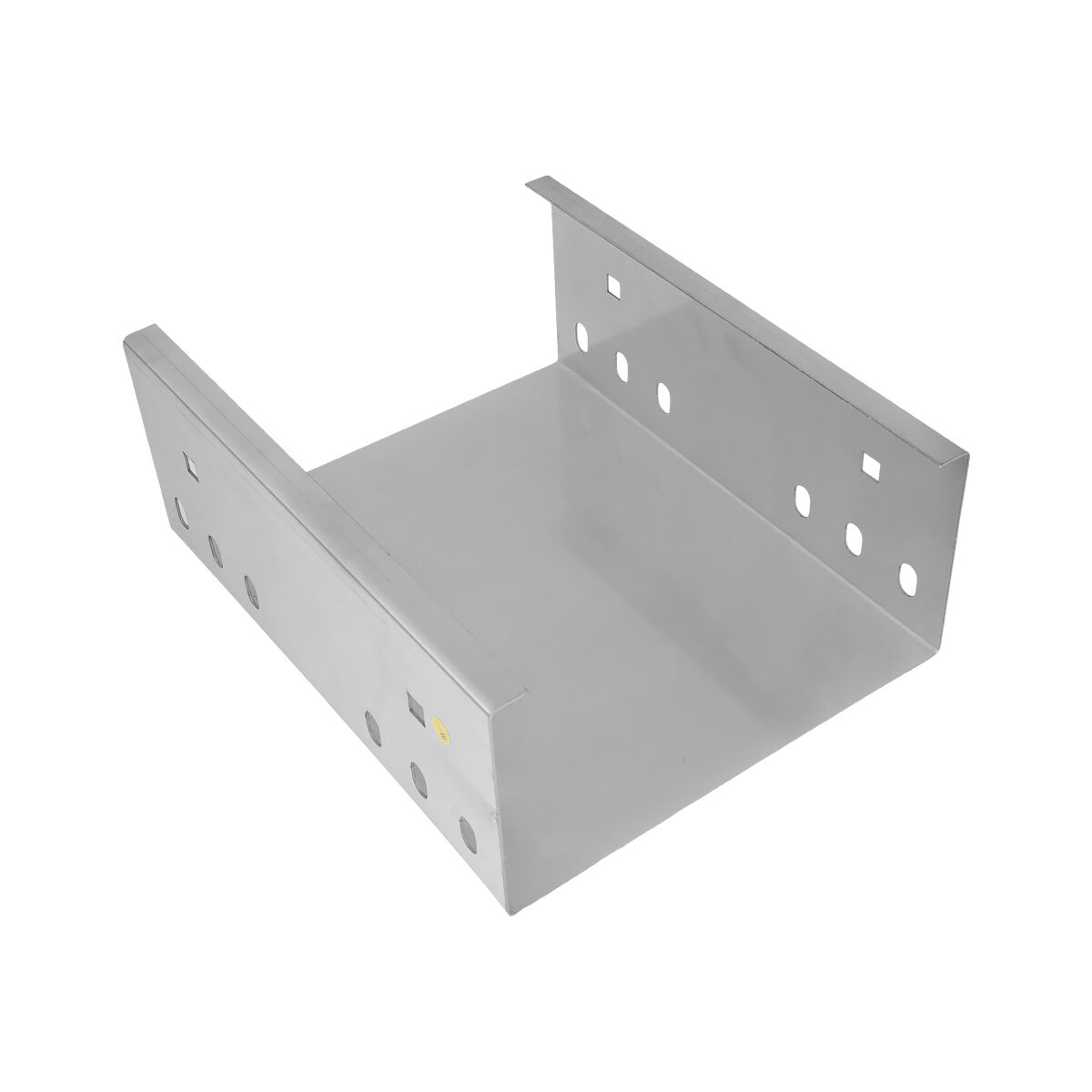
Selecting the right distribution box for industrial applications requires a comprehensive understanding of technical specifications, compliance requirements, and operational demands. Industrial environments present unique challenges including high electrical loads, exposure to harsh conditions, and stringent safety regulations that demand careful consideration during the selection process. The wrong choice can lead to system failures, safety hazards, costly downtime, and potential regulatory violations that impact business operations and profitability.
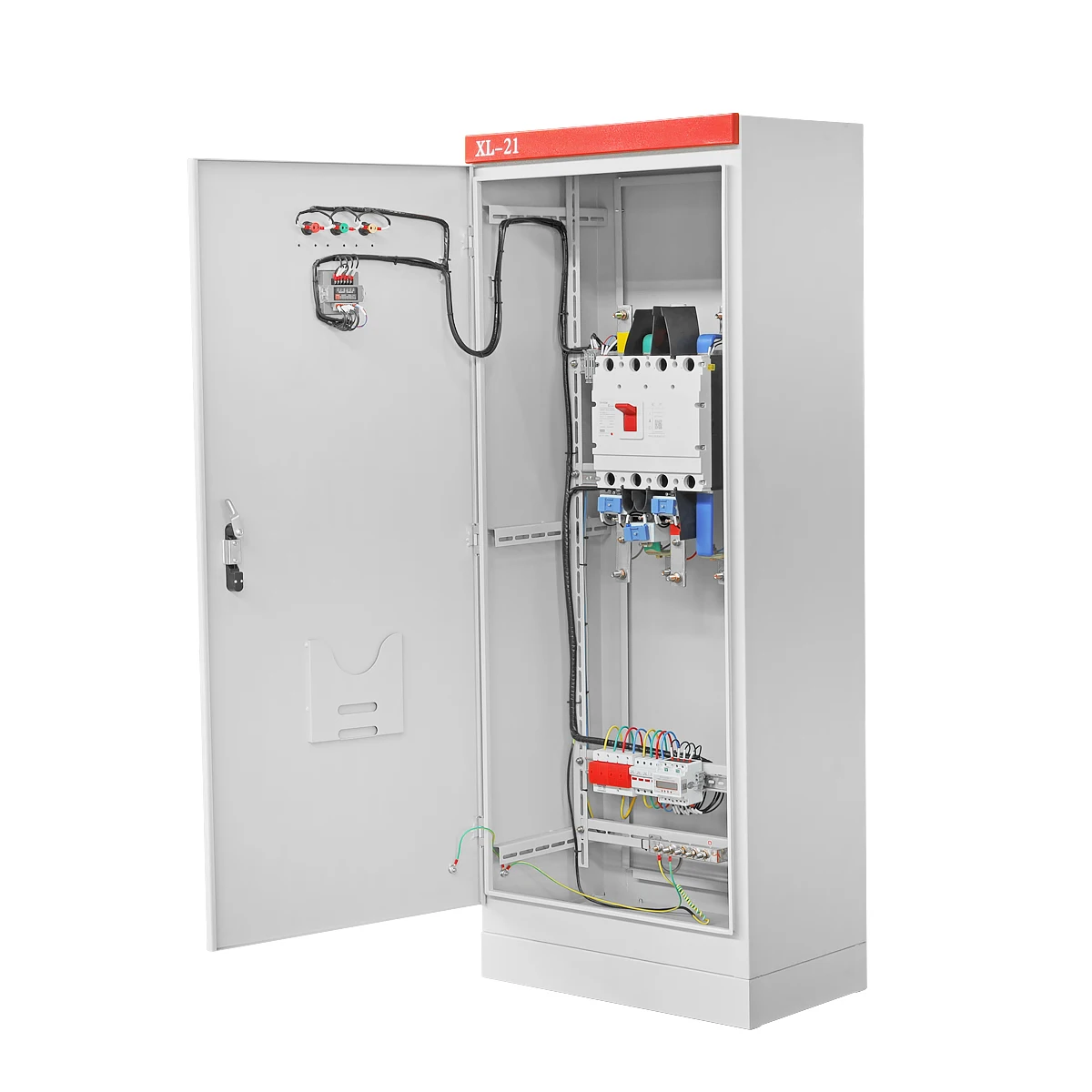
This comprehensive guide examines the critical factors that determine whether a distribution box meets industrial standards, from material construction and protection ratings to certification requirements and application-specific considerations. Understanding these elements enables facility managers, electrical engineers, and procurement professionals to make informed decisions that ensure reliable power distribution, workplace safety, and long-term operational efficiency in demanding industrial settings.
Understanding Industrial Standard Requirements for Distribution Boxes
Core Regulatory Frameworks and Certifications
Industrial standards for electrical distribution equipment are established by multiple international and regional regulatory bodies that define minimum safety and performance requirements. The International Electrotechnical Commission (IEC) provides globally recognized standards including IEC 61439 series that specifically address low-voltage switchgear and controlgear assemblies. These standards establish design verification procedures, temperature rise limits, short-circuit performance criteria, and dielectric properties that a distribution box must satisfy to ensure safe operation under industrial conditions.
In North America, the National Electrical Code (NEC) and standards from organizations such as Underwriters Laboratories (UL) and the Canadian Standards Association (CSA) govern electrical equipment requirements. UL 508A specifically covers industrial control panels, while UL 67 addresses panelboards. European markets require CE marking and compliance with Low Voltage Directive (LVD) and Electromagnetic Compatibility (EMC) Directive. Understanding which standards apply to your specific jurisdiction and application context is the foundational step in selecting a compliant distribution box that meets legal and safety requirements.
Material Specifications and Construction Quality
The materials used in distribution box construction directly impact durability, safety performance, and suitability for industrial environments. Industrial-grade distribution boxes typically utilize steel enclosures with corrosion-resistant coatings or stainless steel for environments with chemical exposure or high humidity. Sheet metal thickness generally ranges from 1.5mm to 3.0mm depending on the size and protection requirements, with heavier gauge materials providing superior mechanical strength and electromagnetic shielding properties essential for industrial applications.
Internal components including busbars, circuit breakers, and connection terminals must meet specific material standards to handle rated current levels without excessive temperature rise. Copper busbars are preferred for their excellent conductivity and current-carrying capacity, with proper sizing calculated based on maximum load requirements and ambient temperature conditions. High-quality insulating materials with appropriate flame resistance ratings protect against electrical faults and fire hazards. The distribution box should feature robust mounting structures, reinforced doors with multi-point locking mechanisms, and proper cable entry provisions that maintain ingress protection ratings.
Electrical Rating and Capacity Considerations
Proper electrical rating selection ensures that the distribution box can safely handle the power distribution demands of your industrial facility without overloading or premature failure. Key electrical parameters include rated voltage (typically 400V, 480V, or 690V for industrial three-phase systems), rated current capacity (ranging from 63A to several thousand amperes for main distribution boards), and short-circuit withstand rating (Icw or Ica values) that define the maximum fault current the assembly can endure without catastrophic failure.
Industrial standards require that the distribution box electrical ratings provide adequate safety margins above normal operating conditions. Best practice recommends selecting equipment with current ratings approximately 125% of the maximum expected load to account for future expansion and prevent operation at full capacity where thermal stress accelerates component aging. The short-circuit rating must exceed the prospective fault current at the installation point, determined through electrical system analysis. Proper coordination with upstream protective devices ensures selective operation during fault conditions, isolating problems without unnecessary disruption to unaffected circuits.
Critical Protection and Safety Features
Ingress Protection Rating Selection
The Ingress Protection (IP) rating system classifies the degree of protection provided by electrical enclosures against solid objects and liquids. Industrial distribution box applications typically require minimum IP54 rating, providing protection against dust ingress and water splashing from any direction. Manufacturing environments with wash-down procedures or outdoor installations may necessitate IP65 or IP66 ratings that offer complete dust protection and protection against powerful water jets or heavy seas.
The IP rating directly influences the distribution box design including door sealing systems, cable gland specifications, and ventilation arrangements. Higher protection ratings require more sophisticated sealing technologies such as continuous gasket systems, specialized cable entry devices with compression seals, and potentially climate control systems that maintain internal conditions while preserving external protection. Evaluate your specific environmental conditions including temperature extremes, humidity levels, presence of corrosive substances, and cleaning procedures to determine the appropriate IP rating that ensures reliable operation throughout the equipment service life.
Thermal Management and Ventilation Requirements
Effective thermal management is critical for distribution box reliability since excessive internal temperatures accelerate component degradation and can lead to premature failure. Industrial standards specify maximum temperature rise limits for various components, typically 50-60K above ambient temperature for busbars and 70-80K for terminals. The distribution box design must incorporate adequate thermal dissipation mechanisms through natural convection, forced ventilation, or active cooling systems depending on the power density and ambient conditions.
Natural ventilation through carefully positioned vents maintains IP rating while allowing heat dissipation, suitable for moderate power levels in controlled environments. Higher power densities or elevated ambient temperatures may require forced air cooling with filtered fans that preserve ingress protection. Some industrial distribution boxes incorporate air conditioning units for critical applications where precise temperature control is essential. Thermal analysis during the design phase, validated through type testing or computational modeling, ensures the distribution box thermal performance meets industrial standards under worst-case operating scenarios.
Safety Interlocking and Access Control
Industrial safety standards mandate specific protective measures that prevent unauthorized access and protect personnel from electrical hazards. Distribution boxes serving industrial facilities should incorporate door interlocking mechanisms that disconnect power or prevent door opening while circuits are energized, particularly for equipment rated above 50V AC or 120V DC. Multi-level access control allows qualified personnel to access specific sections while restricting entry to high-voltage areas, achieved through separate door systems with graduated key control or electronic access management.
Arc flash hazard analysis, required in many jurisdictions for industrial electrical systems, determines incident energy levels and appropriate safety measures including arc-resistant construction features for high-risk installations. The distribution box should include clear safety labeling with arc flash boundary information, required personal protective equipment specifications, and emergency shutdown procedures. Ground fault protection, residual current monitoring, and proper bonding and grounding systems are essential safety features that industrial standard distribution boxes must incorporate to protect personnel and equipment from electrical faults.
Application-Specific Selection Criteria
Motor Control and Variable Frequency Drive Integration
Industrial facilities with significant motor loads require distribution boxes designed to accommodate motor control equipment and manage the unique electrical characteristics of motor starting and operation. Motor control centers (MCCs) represent specialized distribution box configurations optimized for controlling multiple motors through dedicated compartments housing motor starters, overload relays, and control circuitry. The distribution box must provide adequate space for motor protection devices with appropriate breaking capacity for motor starting currents that can reach 6-8 times the full load current.
Variable frequency drive (VFD) applications introduce additional considerations including electromagnetic interference management, harmonic mitigation requirements, and enhanced cooling needs due to higher power dissipation in drive components. Distribution boxes housing VFDs should incorporate EMC shielding measures such as separate compartments for power and control circuits, filtered cable glands, and bonding provisions that minimize radiated and conducted emissions. Harmonic filtering equipment or properly rated transformers may require integration within the distribution box assembly. Thermal management becomes particularly critical as VFDs generate significant heat, potentially requiring forced ventilation or cooling systems to maintain component temperatures within industrial standard limits.
Hazardous Location and Explosion-Proof Requirements
Industrial facilities processing flammable gases, vapors, or combustible dusts require distribution boxes certified for hazardous location service under classification systems such as NEC Division/Class/Group designations or IECEx/ATEX Zone classifications. Explosion-proof distribution boxes feature robust enclosure construction capable of containing internal explosions and preventing ignition of surrounding atmospheres through flame-path design principles. These specialized enclosures undergo rigorous testing to verify their ability to withstand internal pressure, contain hot gases, and prevent external ignition through properly designed joints and seals.
Increased safety (Ex e) or encapsulated (Ex m) protection methods offer alternative approaches for certain hazardous area applications where explosion-proof construction is not mandatory. The distribution box selection must align with the specific area classification determined through hazardous area analysis, considering the nature of potentially present materials, their ignition characteristics, and the likelihood of explosive atmosphere formation. Certification by recognized notified bodies such as FM Approvals, CSA, or ATEX notified bodies provides documented evidence that the distribution box meets applicable hazardous location standards. Installation requirements including proper conduit sealing, grounding provisions, and maintenance procedures must be strictly followed to maintain certification validity.
Industrial Automation and Communication Integration
Modern industrial facilities increasingly rely on integrated automation systems requiring distribution boxes that accommodate communication networks, control systems, and remote monitoring capabilities. The distribution box should provide dedicated mounting provisions for programmable logic controllers (PLCs), human-machine interfaces (HMIs), remote terminal units (RTUs), and network switches that form the industrial automation infrastructure. Separation of power distribution and control circuits according to electromagnetic compatibility principles prevents interference that could compromise automation system reliability.
Industrial communication protocols including Profibus, Profinet, EtherNet/IP, Modbus TCP, and others require proper infrastructure support within the distribution box including appropriate cable routing, grounding schemes, and potentially network equipment such as switches or media converters. Power quality monitoring devices, energy meters, and protective relay systems with communication capabilities enable remote monitoring and diagnostic capabilities that support predictive maintenance strategies. The distribution box design should facilitate future upgrades and modifications to accommodate evolving automation requirements without compromising electrical safety or environmental protection standards.
Verification and Compliance Validation
Testing and Certification Documentation
Verification that a distribution box meets industrial standards requires comprehensive documentation including design validation, type testing results, and routine verification procedures. Type tests conducted according to relevant standards (such as IEC 61439-1 and product-specific standards like IEC 61439-2 for power switchgear assemblies) validate the design under conditions that simulate or exceed normal service conditions. These tests include temperature rise verification, short-circuit withstand testing, dielectric testing, electromagnetic compatibility assessment, and mechanical operation verification over specified cycle counts.
Original manufacturer type test certificates provide documented evidence of standards compliance and should accompany distribution box procurement. For customized or modified assemblies, the manufacturer must demonstrate compliance either through derivative testing protocols or through validated design calculations using certified components. Routine verification procedures applied to each manufactured unit ensure consistent quality and safety performance. Request comprehensive technical documentation including single-line diagrams, component specifications, material certifications, and inspection records that demonstrate the distribution box meets specified industrial standards and application requirements.
Quality Management System Verification
The manufacturing quality management system directly impacts distribution box reliability and standards compliance. Manufacturers operating under ISO 9001 quality management certification demonstrate systematic approaches to quality control, document management, and continuous improvement that support consistent product quality. For critical industrial applications, additional certifications such as ISO 14001 environmental management or OHSAS 18001 occupational health and safety management indicate comprehensive organizational commitment to excellence beyond basic product specifications.
Factory inspection programs conducted by certification bodies verify that manufacturing processes, component sourcing, assembly procedures, and testing protocols consistently produce distribution boxes that meet certified designs. Supplier audits examining manufacturing facilities, quality control procedures, component traceability systems, and calibration programs provide additional assurance of quality and compliance. Establish supplier qualification criteria that include quality system verification, reference project evaluation, and ongoing performance monitoring to ensure selected distribution box manufacturers maintain industrial standard compliance throughout the business relationship.
Installation and Commissioning Requirements
Meeting industrial standards extends beyond equipment selection to encompass proper installation and commissioning procedures that validate system performance in actual operating conditions. The distribution box installation must comply with applicable electrical codes including proper grounding and bonding practices, adequate clearances for maintenance access, environmental protection measures, and load verification procedures. Installation documentation should reference manufacturer installation instructions, applicable code requirements, and project-specific specifications that define acceptance criteria.
Commissioning procedures verify that the installed distribution box operates correctly under actual system conditions through systematic testing protocols. These procedures include insulation resistance testing, protective device coordination verification, load testing under operating conditions, thermal imaging to identify hot spots indicating installation problems, and functional testing of all safety interlocks and protective features. Comprehensive commissioning records document baseline performance and provide reference data for future maintenance activities. Proper training of maintenance personnel on distribution box operation, safety procedures, and maintenance requirements ensures ongoing compliance with industrial standards throughout the equipment lifecycle.
Long-Term Performance and Maintenance Considerations
Maintenance Accessibility and Serviceability
Industrial distribution box design should facilitate safe and efficient maintenance activities that preserve equipment performance and standards compliance throughout extended service life. Adequate internal space allocation allows maintenance personnel to work safely on energized equipment following appropriate lockout/tagout procedures and wearing required personal protective equipment. Component arrangement should provide clear access to circuit breakers, protective devices, and connection points without requiring removal of other components or extensive disassembly procedures that increase maintenance time and reintroduction risk.
Modular construction principles enhance serviceability by allowing component replacement or system modifications without complete distribution box replacement or extensive rewiring. Standardized mounting rails, plug-in circuit breakers, and terminal block systems support rapid component exchange that minimizes downtime during maintenance activities. Comprehensive labeling of all circuits, components, and terminals according to international standards (such as IEC 81346 for industrial systems designation) facilitates efficient troubleshooting and reduces the likelihood of maintenance errors. The distribution box should include as-built documentation storage provisions for maintaining current single-line diagrams, settings documentation, and maintenance records at the equipment location.
Obsolescence Management and Future-Proofing
Component obsolescence represents a significant lifecycle challenge for industrial distribution boxes that may remain in service for decades beyond initial installation. Selecting distribution boxes utilizing components with long-term availability commitments from established manufacturers reduces the risk of unavailability when replacement parts are required. Standardized component form factors and mounting systems enable retrofitting with updated components as technology evolves without requiring complete enclosure replacement.
Future expansion requirements should inform initial distribution box selection to avoid premature capacity limitations. Oversized enclosures with spare circuit positions, additional busbar capacity, and extra cable entry provisions accommodate system growth without major modifications. Consideration of emerging technology trends such as DC distribution systems, energy storage integration, and advanced monitoring capabilities helps ensure selected distribution boxes remain relevant throughout their intended service life. Balance initial investment against total cost of ownership including modification costs, potential downtime for upgrades, and obsolescence risk when making distribution box selection decisions.
Performance Monitoring and Predictive Maintenance
Advanced industrial distribution boxes increasingly incorporate monitoring capabilities that enable predictive maintenance strategies and performance optimization. Power quality monitoring, thermal monitoring through integrated temperature sensors, partial discharge detection for early insulation failure warning, and vibration monitoring for mechanical components provide continuous condition assessment. These monitoring systems detect developing problems before they result in unexpected failures, enabling planned maintenance interventions during scheduled downtime periods that minimize production impact.
Data from distribution box monitoring systems integrates with broader facility management platforms and computerized maintenance management systems (CMMS) to support evidence-based maintenance decision-making. Trend analysis identifies gradual performance degradation patterns indicating the need for corrective action. Energy consumption monitoring at distribution box level supports energy management initiatives and cost allocation to specific production processes. The monitoring infrastructure should utilize open communication protocols and support integration with existing facility systems to maximize value and avoid creating isolated data systems requiring separate management attention.
FAQ
What is the minimum IP rating required for an industrial distribution box?
The minimum IP rating for industrial distribution boxes typically ranges from IP54 to IP66 depending on the specific environmental conditions. Standard indoor manufacturing environments generally require at least IP54 protection, which guards against dust ingress and water splashing. Outdoor installations or environments with wash-down procedures necessitate IP65 or IP66 ratings providing complete dust protection and resistance to powerful water jets. Always evaluate your specific operating environment including exposure to dust, moisture, chemicals, and cleaning procedures to determine the appropriate IP rating that ensures reliable long-term operation.
How do I determine the correct electrical rating for my distribution box?
Determining the correct electrical rating requires comprehensive analysis of your facility electrical load, voltage system characteristics, and future expansion needs. Calculate the total connected load including all equipment served by the distribution box, then apply diversity factors based on operational patterns to determine maximum demand. Select a distribution box with current rating approximately 125% of the calculated maximum demand to provide safety margin and accommodation for future growth. The short-circuit withstand rating must exceed the prospective fault current at the installation point, determined through electrical system analysis considering upstream transformer capacity and impedance characteristics throughout the distribution path.
What certifications should I look for when selecting an industrial distribution box?
Essential certifications depend on your geographic location and specific application requirements. For international applications, look for IEC 61439 series compliance certification from recognized testing laboratories. North American installations require UL or CSA certification appropriate to the equipment type such as UL 508A for industrial control panels. European markets require CE marking demonstrating compliance with Low Voltage Directive and EMC Directive. Hazardous location applications require specific certifications such as ATEX, IECEx, FM, or CSA for explosive atmospheres. Always verify that certifications match your jurisdiction requirements and that the specific model and configuration you are purchasing is covered by the certification, not just the general product family.
How often should industrial distribution boxes be inspected and maintained?
Inspection frequency depends on operating conditions, criticality of service, and regulatory requirements, but annual comprehensive inspections represent industry best practice for most industrial applications. Critical infrastructure or harsh environment applications may warrant semi-annual or quarterly inspections. Inspection procedures should include visual examination for signs of overheating, corrosion, or physical damage, thermal imaging to identify hot spots, insulation resistance testing, protective device function verification, and tightness checks of electrical connections which can loosen over time due to thermal cycling. Maintain detailed records of all inspections and corrective actions to document compliance with maintenance requirements and support predictive maintenance analysis that optimizes maintenance intervals based on actual equipment condition trends.
Table of Contents
- Understanding Industrial Standard Requirements for Distribution Boxes
- Critical Protection and Safety Features
- Application-Specific Selection Criteria
- Verification and Compliance Validation
- Long-Term Performance and Maintenance Considerations
-
FAQ
- What is the minimum IP rating required for an industrial distribution box?
- How do I determine the correct electrical rating for my distribution box?
- What certifications should I look for when selecting an industrial distribution box?
- How often should industrial distribution boxes be inspected and maintained?