
 EN
EN
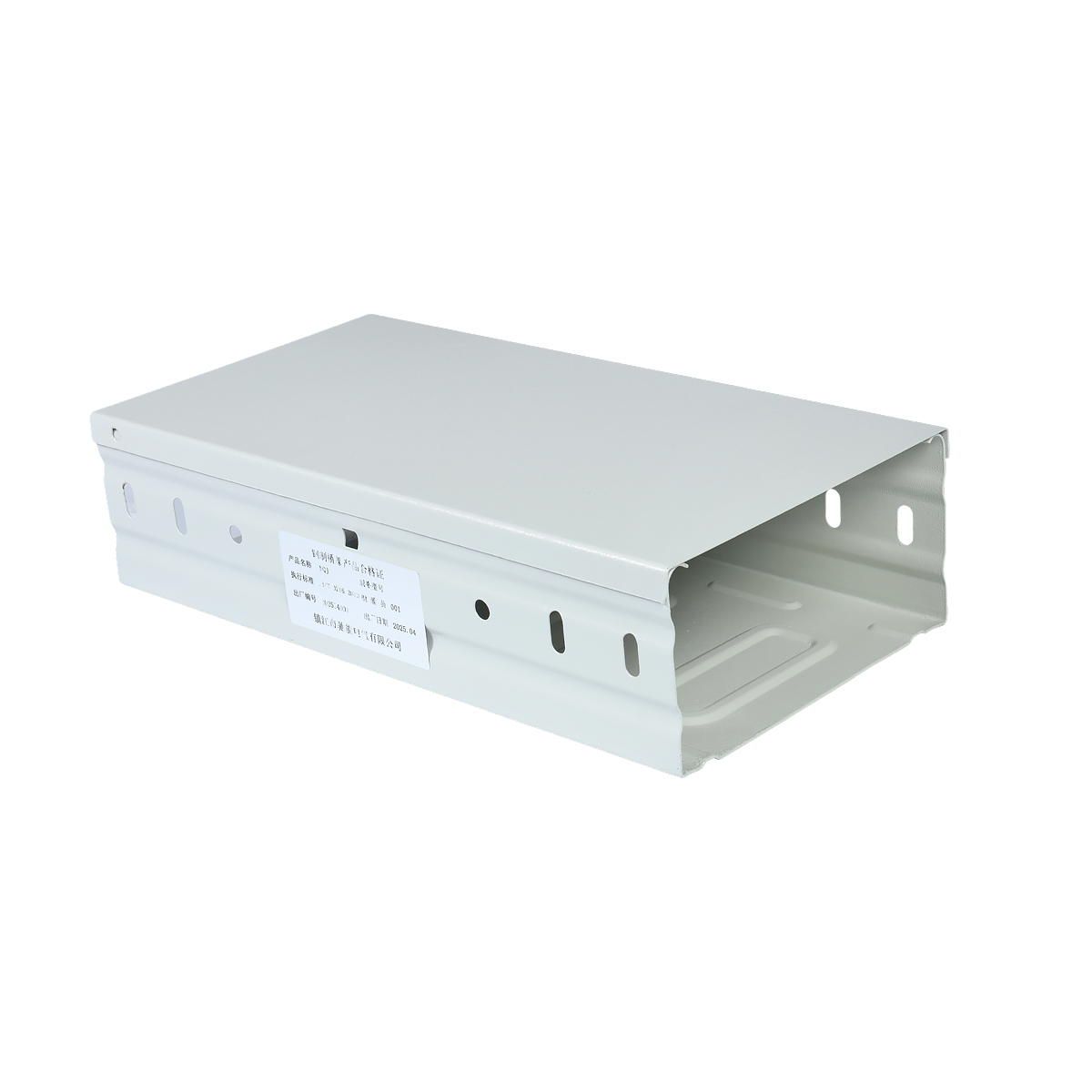
When engineers and project managers face complex electrical infrastructure challenges, the choice of cable management system becomes a critical decision. A customized industrial metal cable tray is no longer a convenience — it is a necessity. Standard off-the-shelf solutions often fail to accommodate the routing complexity, load demands, and environmental conditions found in large-scale industrial environments. Customization bridges that gap with precision engineering and project-specific design.
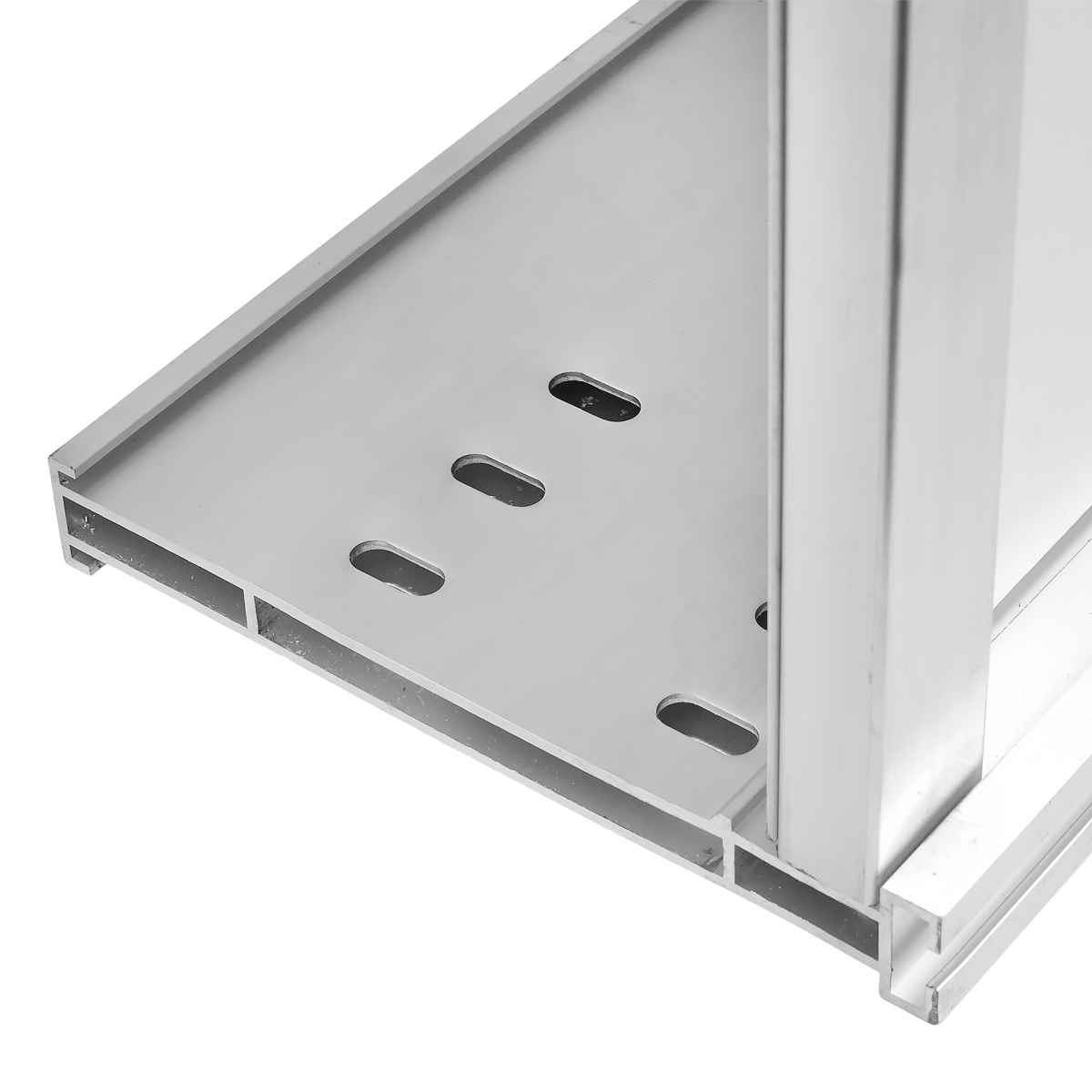
Every industrial metal cable tray selected for a complex project must align with the specific spatial layout, cable load capacity, and environmental exposure of that facility. From petrochemical plants to large data centers, the industrial metal cable tray acts as the structural backbone of the entire electrical distribution network. Understanding why customized versions of the industrial metal cable tray are essential helps procurement teams, engineers, and facility planners make smarter, safer decisions from the very start of a project.
The Limitations of Standard Cable Tray Solutions
Why Generic Designs Fall Short in Complex Settings
A standard industrial metal cable tray is manufactured to fit broad application ranges, not the unique demands of a specific facility. In complex industrial projects, cable routes often need to navigate around structural columns, machinery, elevated platforms, and areas with corrosive gases or high humidity. A generic industrial metal cable tray simply cannot address these site-specific challenges without costly field modifications. When an industrial metal cable tray is not properly matched to the environment, the result is installation delays, increased labor costs, and long-term maintenance problems.
Complex projects often involve multiple cable types running simultaneously — power cables, control cables, instrumentation cables, and data lines. Each group requires dedicated separation to prevent electromagnetic interference. A standard industrial metal cable tray provides a fixed layout that does not allow for this level of segregation. The customized industrial metal cable tray, by contrast, can be engineered with dividers, variable widths, and modular configurations to accommodate every cable category precisely. This makes the industrial metal cable tray a far more reliable foundation for multi-cable environments.
Material Inadequacy Under Demanding Conditions
Not every industrial metal cable tray material performs equally across all conditions. A standard industrial metal cable tray may use carbon steel, which corrodes rapidly in marine or chemical environments. Customized versions allow engineers to specify the correct material — whether stainless steel or aluminum alloy — for the actual operating environment. Choosing the right material for an industrial metal cable tray is not cosmetic; it directly affects structural integrity, fire safety compliance, and service life. An industrial metal cable tray built from the wrong material in a harsh environment can fail prematurely, putting both equipment and personnel at risk.
How Customization Enhances Performance and Safety
Tailored Load Capacity and Structural Design
One of the most important reasons to choose a customized industrial metal cable tray is load-bearing accuracy. Each industrial metal cable tray must support a calculated weight of cables over its full span without deflection. In complex projects, cable bundles can be significantly heavier than in standard installations. A customized industrial metal cable tray is engineered with the correct gauge, span rating, and support interval to handle the actual load. This prevents the industrial metal cable tray from sagging, which could pinch cables, damage insulation, and create dangerous fault conditions over time.
The geometry of an industrial metal cable tray also matters greatly when routing cables around obstacles. Customized bends, risers, tees, and reducers allow an industrial metal cable tray system to follow the exact three-dimensional path required by the facility layout. Without this precision, installers resort to improvised solutions that compromise the integrity of the industrial metal cable tray network. A well-engineered industrial metal cable tray layout reduces the number of field modifications needed during installation, which directly lowers project costs and timelines.
Compliance, Certification, and Safety Integration
Industrial projects in regulated sectors — such as oil and gas, pharmaceuticals, and food processing — must comply with strict electrical safety codes and material standards. A customized industrial metal cable tray can be manufactured to meet specific certifications and industry requirements from the design stage. This means each industrial metal cable tray arrives on-site pre-engineered for compliance, reducing the risk of inspection failures. Standard industrial metal cable tray products may not always meet the material or dimensional requirements demanded by a project's local authority or client specification. Getting a customized industrial metal cable tray right the first time saves significant rework costs.
Strategic Value in Large-Scale Project Planning
Reducing Long-Term Operational Risk
When an industrial metal cable tray is customized from the outset, the entire cable management system becomes more maintainable and scalable. Facilities that expand operations can add new cable runs to an industrial metal cable tray network that was designed with future growth in mind. A standard industrial metal cable tray installation often requires a complete redesign when capacity needs increase. The industrial metal cable tray serves not just current requirements but acts as a long-term infrastructure asset. Investing in a properly customized industrial metal cable tray during the project planning phase yields measurable savings over the lifecycle of the facility.
Supporting Multi-Discipline Coordination
In complex projects, the industrial metal cable tray must coordinate with structural, mechanical, and civil engineering disciplines simultaneously. A customized industrial metal cable tray design can be integrated into the building information model early, allowing all disciplines to plan around it without conflict. Standard industrial metal cable tray solutions create coordination clashes that require expensive redesign during construction. When the industrial metal cable tray is engineered to fit the project's specific spatial and load map, it becomes a seamless part of the facility rather than an afterthought. This coordination advantage makes the industrial metal cable tray a strategic tool for project delivery efficiency.
FAQ
What materials are best for a customized industrial metal cable tray in harsh environments?
Stainless steel and aluminum alloy are the most recommended materials for an industrial metal cable tray used in corrosive, marine, or high-humidity environments. Stainless steel offers superior corrosion resistance, while aluminum alloy provides a lightweight yet durable alternative. The choice depends on the specific chemical exposure, temperature range, and load requirements of the installation site. A properly specified industrial metal cable tray material ensures long service life and reduced maintenance costs.
How does a customized industrial metal cable tray improve installation efficiency?
A customized industrial metal cable tray is pre-engineered with the correct dimensions, bends, and fittings for the actual site layout, which minimizes field cutting and modification. When every section of the industrial metal cable tray arrives ready for installation, labor time is reduced significantly. This pre-fabrication approach also lowers the risk of errors during installation. Complex projects benefit most from this efficiency because their routing paths are more intricate and leave less room for improvisation.
When should engineers specify a customized industrial metal cable tray instead of a standard one?
Engineers should specify a customized industrial metal cable tray whenever the project involves non-standard routing paths, heavy cable loads, regulated industry compliance, corrosive environments, or phased expansion plans. If any of these conditions apply, a standard industrial metal cable tray is unlikely to meet the project's full requirements. Engaging a customized industrial metal cable tray solution early in the design phase ensures that all engineering, compliance, and operational needs are addressed before construction begins.