
 EN
EN
Electrical wiring organization remains one of the most critical aspects of modern construction and industrial facility management. When cables run haphazardly throughout buildings, the result is often a chaotic mess that creates safety hazards, maintenance nightmares, and compliance issues. Cable trunking emerges as the definitive solution to transform disorganized electrical systems into streamlined, professional installations that meet industry standards while enhancing operational efficiency.
Modern electrical installations demand sophisticated cable management systems that protect conductors while maintaining accessibility for future modifications. Cable trunking systems provide enclosed pathways that segregate different types of cables, prevent electromagnetic interference, and create organized routing channels throughout commercial and industrial environments. These systems have revolutionized how electrical contractors approach wiring projects, delivering both immediate installation benefits and long-term operational advantages.
Understanding Cable Trunking Systems and Their Core Functions
Essential Components of Cable Trunking Infrastructure
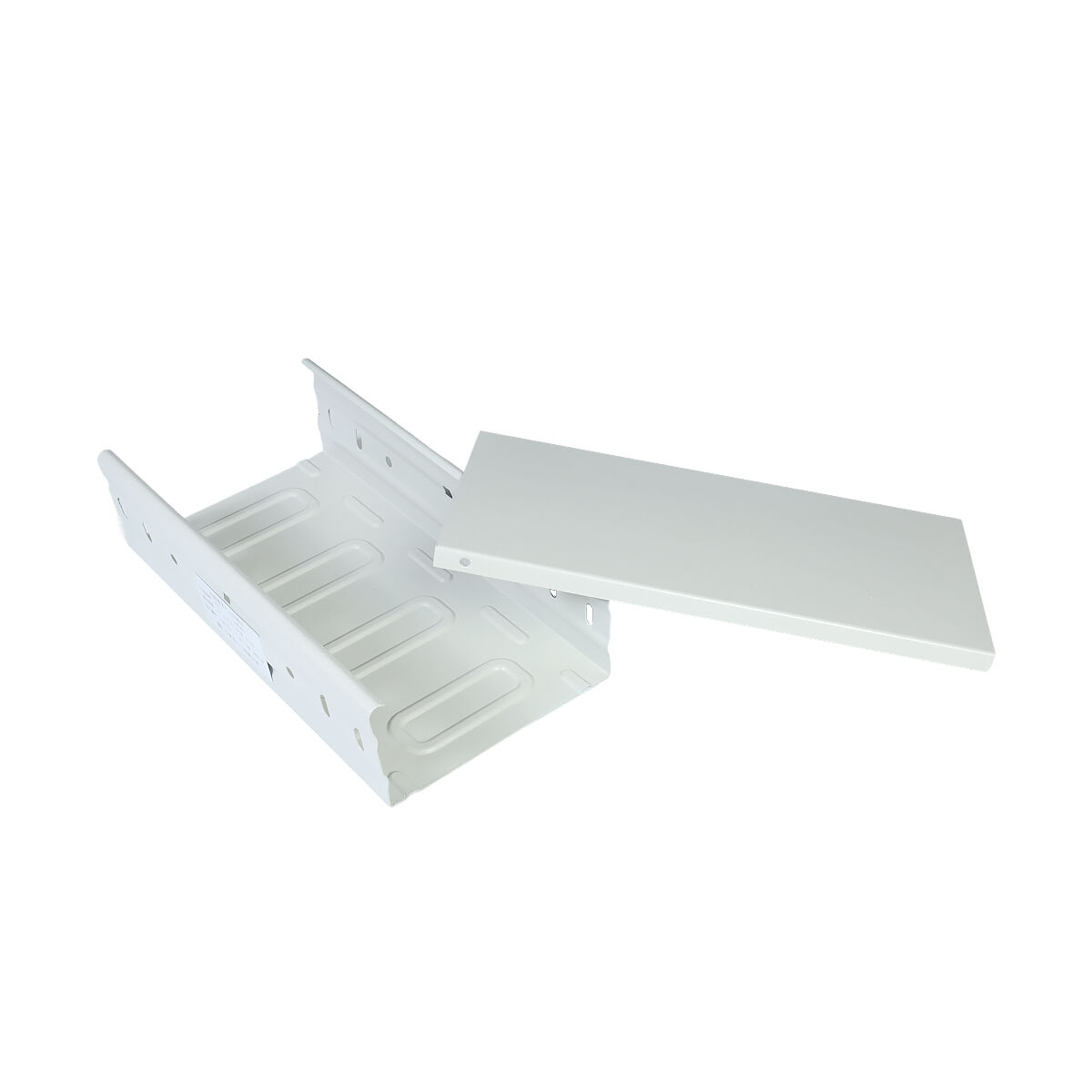
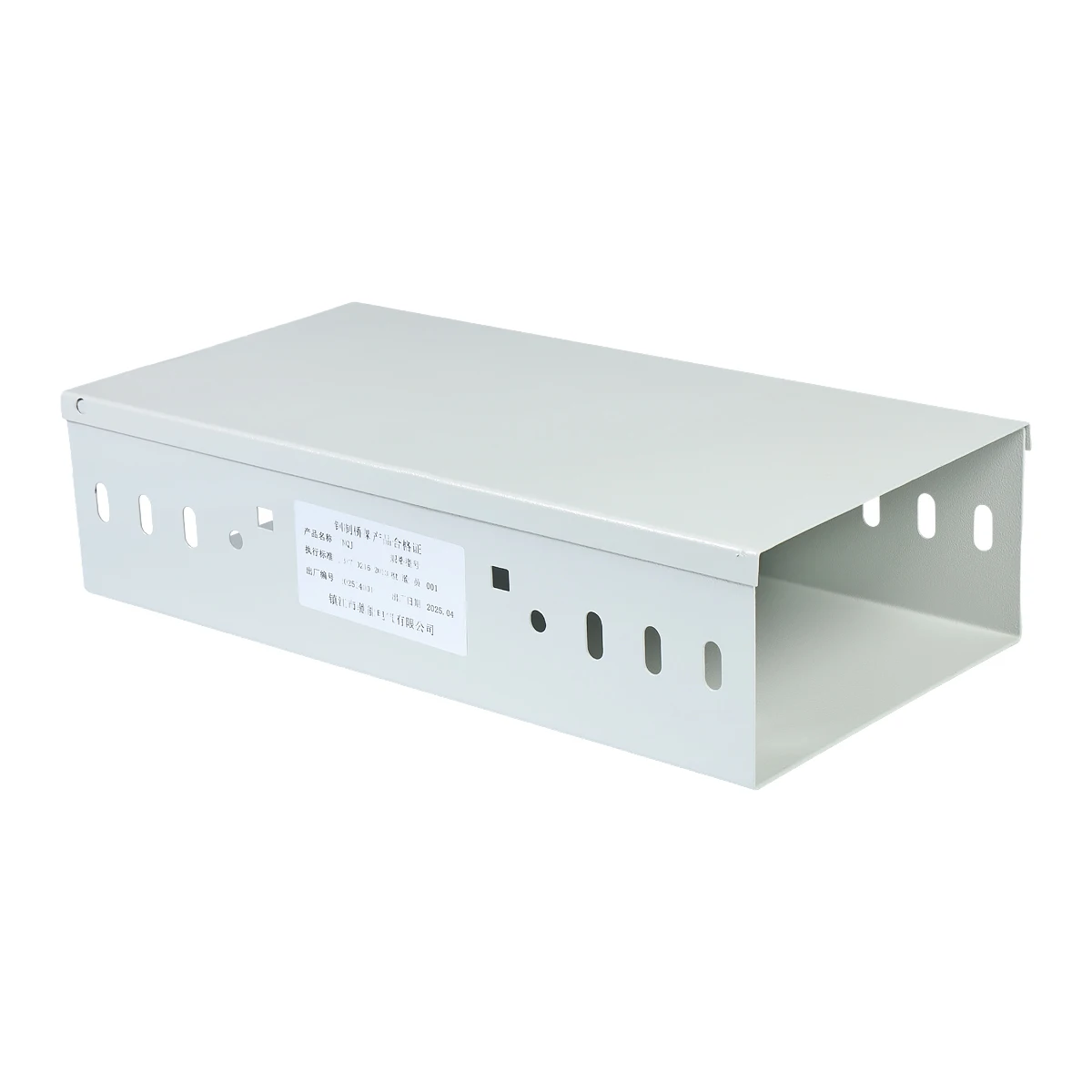
Cable trunking systems consist of several interconnected components designed to create comprehensive cable management solutions. The primary element is the trunking channel itself, which provides the enclosed pathway for electrical conductors. These channels feature removable covers or lids that allow easy access to cables without requiring complete system disassembly. Supporting brackets and mounting hardware ensure secure installation across various surface types and structural configurations.
Junction boxes and connection points facilitate cable transitions between different trunking sections or routing directions. These components maintain system integrity while providing necessary flexibility for complex installation requirements. Specialized fittings accommodate corners, elevation changes, and branch connections, creating seamless cable pathways that adapt to architectural constraints and design specifications.
Material Selection and Performance Characteristics
Cable trunking manufacturers utilize various materials to meet specific environmental and performance requirements. Steel trunking offers exceptional durability and fire resistance, making it ideal for industrial applications where mechanical protection is paramount. Aluminum alternatives provide corrosion resistance and reduced weight while maintaining structural integrity for demanding installations.
Plastic trunking systems deliver cost-effective solutions for commercial environments where chemical resistance and electrical isolation are priorities. PVC formulations resist moisture, chemicals, and ultraviolet degradation while providing adequate mechanical protection for most cable types. The material selection directly impacts system longevity, maintenance requirements, and overall installation costs.
Installation Advantages and Efficiency Improvements
Streamlined Installation Processes
Cable trunking dramatically reduces installation time compared to traditional conduit systems or exposed cable routing methods. Pre-manufactured trunking sections eliminate the need for complex bending operations or custom fabrication work on-site. Installers can quickly assemble linear runs using standard components and fittings, reducing labor costs while improving installation quality and consistency.
The modular nature of cable trunking systems allows parallel installation activities where different trades can work simultaneously without interference. Electrical contractors can install trunking infrastructure while other systems are being implemented, optimizing project schedules and reducing overall construction timelines. This coordination capability becomes especially valuable in fast-track construction projects where schedule compression is essential.
Flexibility for Future Modifications
Modern facilities require adaptive electrical systems that accommodate changing technology requirements and operational modifications. Cable trunking provides unparalleled flexibility for adding, removing, or rerouting cables without major disruption to existing systems. The removable covers allow technicians to access cables quickly for maintenance, troubleshooting, or system upgrades.
This accessibility translates into significant cost savings over the facility lifecycle, as modifications that might require extensive demolition work with traditional wiring methods become simple tasks with properly designed trunking systems. Building owners can adapt their electrical infrastructure to support new equipment, technology upgrades, or space reconfiguration with minimal downtime and expense.
Safety Enhancement and Code Compliance Benefits
Fire Protection and Safety Standards
Cable trunking systems enhance electrical safety through multiple protection mechanisms that exceed basic code requirements. The enclosed design prevents accidental contact with energized conductors while protecting cables from external damage, moisture intrusion, and environmental contamination. Fire-rated trunking materials provide additional protection by containing electrical fires and preventing flame spread along cable pathways.
Proper cable segregation within trunking systems reduces the risk of electromagnetic interference between different circuit types. Power cables, control wiring, and communication circuits can be routed in separate compartments or dedicated trunking runs, eliminating crosstalk and signal degradation issues that compromise system performance and reliability.
Regulatory Compliance and Inspection Benefits
Cable trunking installations facilitate compliance with electrical codes and safety regulations by providing organized, accessible cable routing that inspectors can easily evaluate. The systematic approach to cable management demonstrates professional installation practices while ensuring that all conductors are properly protected and identified according to code requirements.
Documentation and labeling become more effective with cable trunking systems, as each section can be clearly marked to indicate circuit types, voltage levels, and destination information. This organization simplifies troubleshooting activities and maintenance procedures while supporting regulatory compliance requirements for industrial and commercial facilities.
Economic Advantages and Long-Term Value
Initial Installation Cost Benefits
While cable trunking may require higher initial material costs compared to basic conduit systems, the overall project economics often favor trunking installations due to reduced labor requirements and installation efficiency. The time savings during installation, combined with reduced need for specialized tools and complex fabrication work, frequently result in lower total installation costs.
Bulk cable pulling through trunking systems requires fewer personnel and less time compared to individual conduit installations. This efficiency becomes more pronounced in large commercial or industrial projects where hundreds or thousands of cables must be installed. The ability to route multiple cables simultaneously through shared pathways maximizes installer productivity and reduces project duration.
Maintenance and Operational Savings
The long-term economic benefits of cable trunking systems become apparent through reduced maintenance costs and improved system reliability. Easy access to cables eliminates the need for destructive investigation methods when troubleshooting electrical problems. Technicians can quickly locate and address issues without damaging building finishes or disrupting adjacent systems.
Cable replacement activities that might require days of work with traditional installations can often be completed in hours with proper trunking systems. This operational efficiency translates into reduced downtime costs and improved facility productivity, particularly in manufacturing or mission-critical environments where electrical system reliability directly impacts business operations.
Environmental Considerations and Sustainability
Material Lifecycle and Recyclability
Modern cable trunking systems support sustainability initiatives through material selection and design approaches that minimize environmental impact. Metal trunking systems offer excellent recyclability at the end of their service life, while plastic alternatives can be manufactured using recycled content and designed for material recovery programs.
The durability and longevity of quality cable trunking systems reduce the frequency of replacement cycles, minimizing material consumption and waste generation over the building lifecycle. This sustainability benefit aligns with green building certification programs and corporate environmental responsibility initiatives that increasingly influence facility design and construction decisions.
Energy Efficiency and System Performance
Proper cable organization through trunking systems can contribute to improved energy efficiency by reducing electrical losses and maintaining optimal operating conditions for cables and associated equipment. The protection provided by trunking prevents cable damage that might cause energy waste through leakage currents or compromised insulation systems.
Temperature management within cable trunking systems helps maintain conductor efficiency and extends cable service life. Ventilated trunking designs allow proper heat dissipation while protecting cables from external temperature extremes, supporting optimal electrical system performance and energy utilization throughout the facility.
Industry Applications and Specialized Requirements
Commercial Building Integration
Commercial office environments benefit significantly from cable trunking systems that support modern technology requirements while maintaining professional aesthetics. Open office designs, flexible workspace configurations, and high-density electronic equipment create complex cable management challenges that trunking systems address effectively.
The ability to route power, data, and communication cables through shared pathways simplifies installation coordination between different building systems. Cable trunking supports the integration of lighting controls, HVAC systems, security equipment, and information technology infrastructure while maintaining the clean, organized appearance expected in professional environments.
Industrial Manufacturing Applications
Industrial facilities present unique cable management challenges due to harsh environmental conditions, heavy equipment installations, and complex automation systems. Cable trunking designed for industrial applications provides enhanced protection against moisture, chemicals, mechanical damage, and electromagnetic interference that can compromise system reliability.
Manufacturing environments require cable systems that support frequent equipment modifications and production line reconfigurations. The flexibility provided by properly designed cable trunking enables rapid system changes without major electrical work, supporting lean manufacturing principles and operational agility requirements that drive competitive advantage in industrial markets.
FAQ
What types of cables can be installed in cable trunking systems
Cable trunking systems accommodate various cable types including power conductors, control wiring, instrumentation cables, and communication circuits. However, proper segregation is essential to prevent electromagnetic interference and maintain code compliance. Power cables and low-voltage control circuits should typically be routed in separate compartments or dedicated trunking runs. The specific cable types and routing requirements depend on local electrical codes and application requirements.
How does cable trunking compare to traditional conduit installations
Cable trunking offers several advantages over traditional conduit systems, including faster installation, easier cable access, and greater flexibility for future modifications. While conduit provides excellent protection for individual circuits, trunking systems excel in applications requiring multiple cables and frequent access. The choice between trunking and conduit depends on factors such as cable quantity, environmental conditions, accessibility requirements, and local code provisions.
What maintenance requirements apply to cable trunking systems
Cable trunking systems require minimal maintenance when properly installed and selected for the application environment. Regular inspection of covers, mounting hardware, and sealing elements helps ensure continued protection and performance. Cleaning accumulated dust or debris from trunking interiors maintains proper ventilation and heat dissipation. Any damaged components should be replaced promptly to maintain system integrity and cable protection.
Can cable trunking be installed in outdoor applications
Outdoor cable trunking installations require weather-resistant materials and proper sealing to prevent moisture intrusion and environmental damage. Stainless steel or specially treated aluminum trunking provides excellent corrosion resistance for exterior applications. UV-resistant plastic formulations can also be suitable for outdoor use in certain climates. Proper drainage design and gasket sealing are essential for reliable outdoor trunking performance.
Table of Contents
- Understanding Cable Trunking Systems and Their Core Functions
- Installation Advantages and Efficiency Improvements
- Safety Enhancement and Code Compliance Benefits
- Economic Advantages and Long-Term Value
- Environmental Considerations and Sustainability
- Industry Applications and Specialized Requirements
- FAQ