
 EN
EN
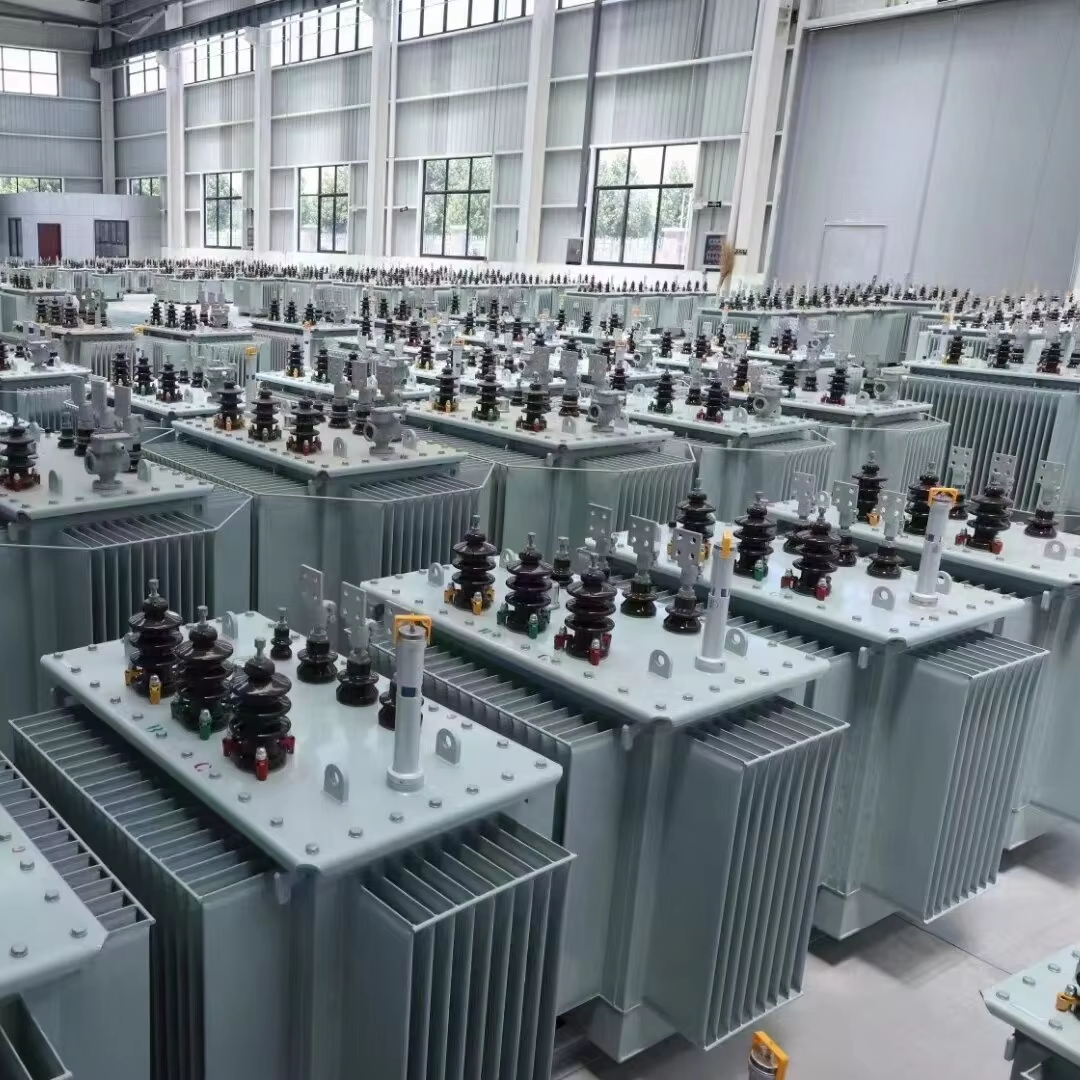
Engineering teams across industries face a critical decision when selecting enclosures for distribution systems: should they choose a metal enclosure for distribution board or opt for plastic alternatives? This choice has profound implications for safety, longevity, operational reliability, and total cost of ownership. A metal enclosure for distribution board represents the industrial standard for mission-critical applications, and understanding why engineers consistently select metal over plastic is essential for anyone responsible for electrical infrastructure planning and deployment.
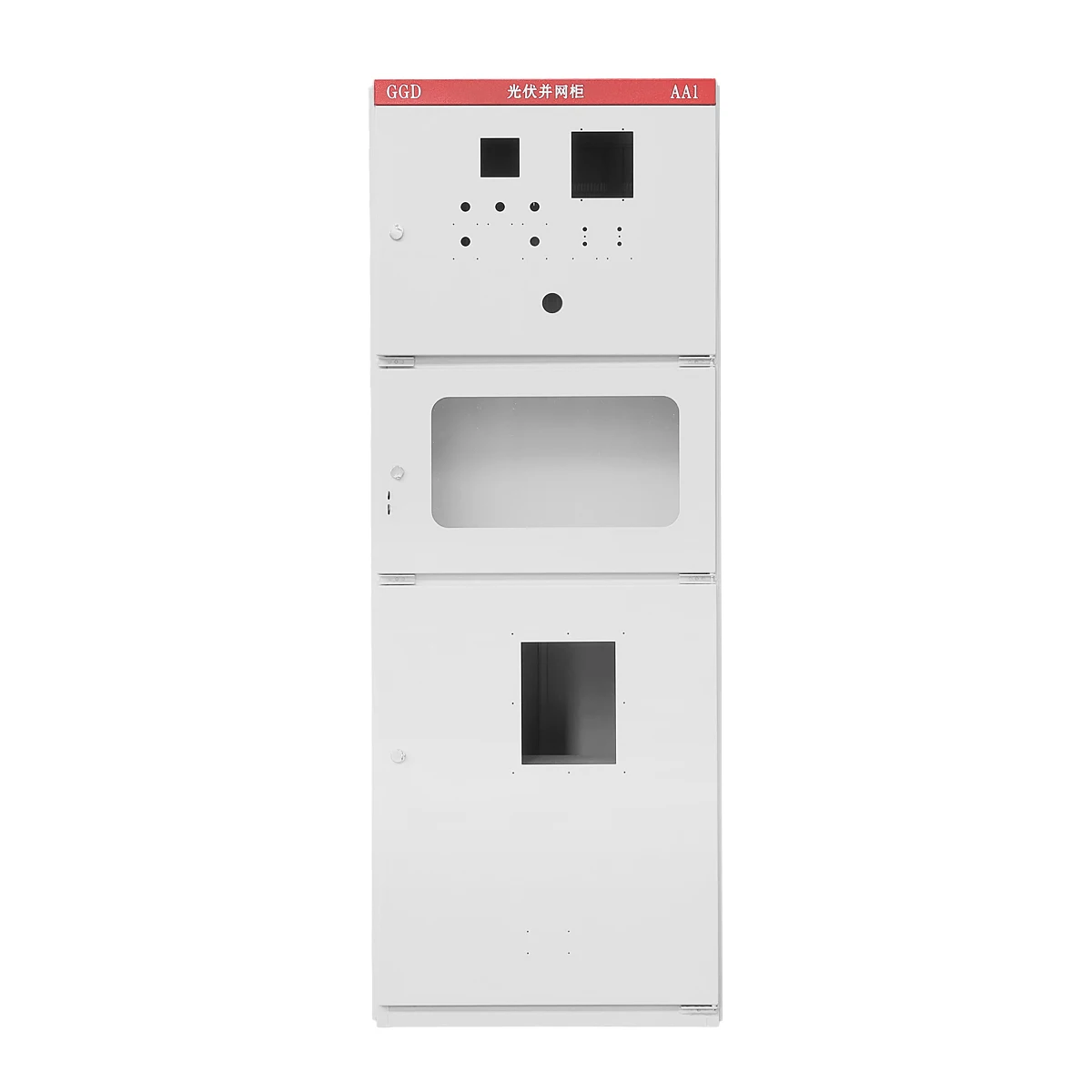
The selection between materials fundamentally shapes system performance, maintenance burden, and compliance readiness. Engineers who have worked extensively with both material types recognize that a metal enclosure for distribution board provides superior protection, electromagnetic shielding, heat dissipation, and structural integrity compared to plastic counterparts. This distinction becomes especially critical in harsh environments, high-density electrical installations, and scenarios where equipment failure carries significant operational or safety consequences.
Superior Protection and Durability
Physical Robustness and Impact Resistance
A metal enclosure for distribution board offers exceptional resistance to mechanical stress, impact, and deformation under demanding industrial conditions. Unlike plastic enclosures that can crack, warp, or degrade when exposed to thermal cycling, vibration, or accidental impact, metal construction provides robust structural integrity throughout the equipment lifecycle. Engineers prioritize this durability because distribution boards often operate in facilities where equipment may experience vibration from nearby machinery, temperature fluctuations, or occasional physical contact. When a metal enclosure for distribution board sustains impact, it typically maintains its form and protective function, whereas plastic alternatives may compromise internal component protection through visible damage or micro-fractures.
Environmental and Chemical Resistance
Industrial environments frequently expose electrical enclosures to corrosive atmospheres, moisture, chemical vapors, and UV radiation. A metal enclosure for distribution board, particularly when finished with appropriate coatings or materials like stainless steel, resists corrosion and chemical attack far more effectively than plastic. Plastic enclosures can become brittle, discolor, or degrade when exposed to solvents, oils, saltwater spray, or intense sunlight. Engineers recognize that a metal enclosure for distribution board maintains its protective barrier integrity even in coastal facilities, manufacturing plants with chemical processes, or outdoor installations. This resilience reduces replacement frequency and extends the enclosure's effective service life to fifteen years or more, whereas plastic alternatives may require replacement within five to eight years under similar environmental stress.
Enhanced Safety and Electromagnetic Performance
Electrical Safety and Grounding Integrity
Electrical safety depends critically on proper grounding and equipotential bonding throughout the distribution system. A metal enclosure for distribution board serves as an inherent part of the grounding architecture, providing a low-impedance path for fault currents and ensuring that all internal components remain at the same electrical potential. This design feature is fundamental to arc flash mitigation and electrical shock prevention. Plastic enclosures lack this inherent conductivity, requiring additional copper buswork and grounding conductors to achieve equivalent safety performance. Engineers understand that a metal enclosure for distribution board reduces installation complexity, ensures reliable grounding even if internal connections loosen, and provides superior arc containment if an internal arc fault occurs. This safety advantage directly protects personnel and reduces the risk of catastrophic equipment failure.
Electromagnetic Shielding and Noise Immunity
Modern industrial facilities contain numerous sources of electromagnetic interference: variable frequency drives, switching power supplies, wireless communications, and high-power switching equipment. A metal enclosure for distribution board provides natural electromagnetic shielding that attenuates external interference and prevents internal high-frequency signals from radiating into the surrounding environment. This shielding benefit becomes increasingly important as control systems incorporate sensitive digital electronics and communication interfaces. Engineers who have installed a metal enclosure for distribution board in electromagnetically noisy environments report fewer nuisance relay trips, improved communications reliability, and more stable sensor readings compared to installations using plastic enclosures. The metal structure acts as a Faraday cage, protecting sensitive control circuits and reducing the need for additional filtering and noise suppression components.
Thermal Management and Operating Efficiency
Heat Dissipation and Component Protection
Distribution boards generate significant internal heat through resistive losses in conductors, transformer windings, and switching contacts. A metal enclosure for distribution board conducts and radiates this heat far more effectively than plastic, maintaining lower internal temperatures and extending the lifespan of electrical components. Lower operating temperatures reduce insulation stress, slow aging of electronic components, and improve the reliability of temperature-sensitive devices like contactors and semiconductors. Engineers recognize that a metal enclosure for distribution board can operate at ambient temperatures five to ten degrees Celsius higher than equivalent plastic enclosures while maintaining safe internal component temperatures. This thermal advantage translates directly into reduced maintenance frequency, longer equipment life, and more predictable performance.
Thermal Stability and Performance Consistency
Plastic enclosures exhibit significant thermal expansion and contraction as ambient temperature changes, potentially causing gaps, loosening connections, or mechanical stress. A metal enclosure for distribution board maintains dimensional stability across wide temperature ranges, ensuring that cable entry points, equipment mounting brackets, and internal connections remain consistently secure. This stability is particularly important in facilities with large temperature swings, such as outdoor installations or areas near heating and cooling equipment. Engineers who specify a metal enclosure for distribution board for these applications avoid the field maintenance burden associated with plastic enclosures, which may require periodic retightening of fasteners and cable glands as the enclosure material expands and contracts seasonally.
Economic and Regulatory Advantages
Long-Term Cost Effectiveness and Total Cost of Ownership
While a metal enclosure for distribution board typically carries a higher initial purchase price than plastic alternatives, the total cost of ownership strongly favors metal over the equipment's lifecycle. Engineers calculate long-term value by accounting for replacement frequency, maintenance labor, downtime costs, and risk of catastrophic failure. A metal enclosure for distribution board typically requires replacement only once every fifteen to twenty years, whereas plastic alternatives may need replacement every five to eight years. When labor costs for installation, decommissioning, and system testing are included, a metal enclosure for distribution board becomes economically superior despite its higher upfront cost. Additionally, the reduced risk of unexpected failure with a metal enclosure for distribution board translates into avoided production losses and emergency service calls, further improving economic justification.
Compliance and Regulatory Standards
Industrial electrical codes and standards increasingly favor or mandate metal enclosures for critical distribution applications. A metal enclosure for distribution board more readily satisfies requirements for arc flash containment, electromagnetic interference control, and grounding integrity specified in standards like IEC 61439, NFPA 70, and IEEE 1415. Engineers and facility managers recognize that specifying a metal enclosure for distribution board simplifies compliance verification, reduces the likelihood of inspection findings, and provides clearer documentation of adherence to industry best practices. This regulatory advantage becomes particularly important when insurance companies, certification bodies, or regulatory agencies audit electrical installations. A metal enclosure for distribution board demonstrates commitment to safety and quality that inspectors recognize and approve.
FAQ
What makes a metal enclosure for distribution board safer than plastic?
A metal enclosure for distribution board provides inherent electrical grounding, arc containment, and electromagnetic shielding that plastic cannot match. The conductive metal structure ensures low-impedance fault current paths, attenuates external electromagnetic interference, and naturally contains arc flash energy if an internal arc fault occurs. These characteristics make a metal enclosure for distribution board fundamentally superior for personnel safety and equipment protection in industrial environments.
How long does a metal enclosure for distribution board typically last?
A properly maintained metal enclosure for distribution board typically operates reliably for fifteen to twenty years or longer, depending on environmental conditions and maintenance practices. When subjected to corrosive atmospheres, stainless steel or specially coated versions extend service life further. In contrast, plastic enclosures typically require replacement every five to eight years due to material degradation, making a metal enclosure for distribution board more economical over the long term despite higher initial cost.
Can a metal enclosure for distribution board be used in outdoor applications?
Yes, a metal enclosure for distribution board is well-suited for outdoor installations, particularly when manufactured from corrosion-resistant materials like stainless steel or when finished with protective coatings. A metal enclosure for distribution board resists weather exposure, ultraviolet radiation, and temperature extremes far more effectively than plastic. Proper drainage design and ventilation in a metal enclosure for distribution board prevent water accumulation and ensure long-term reliability in outdoor environments.