
 EN
EN
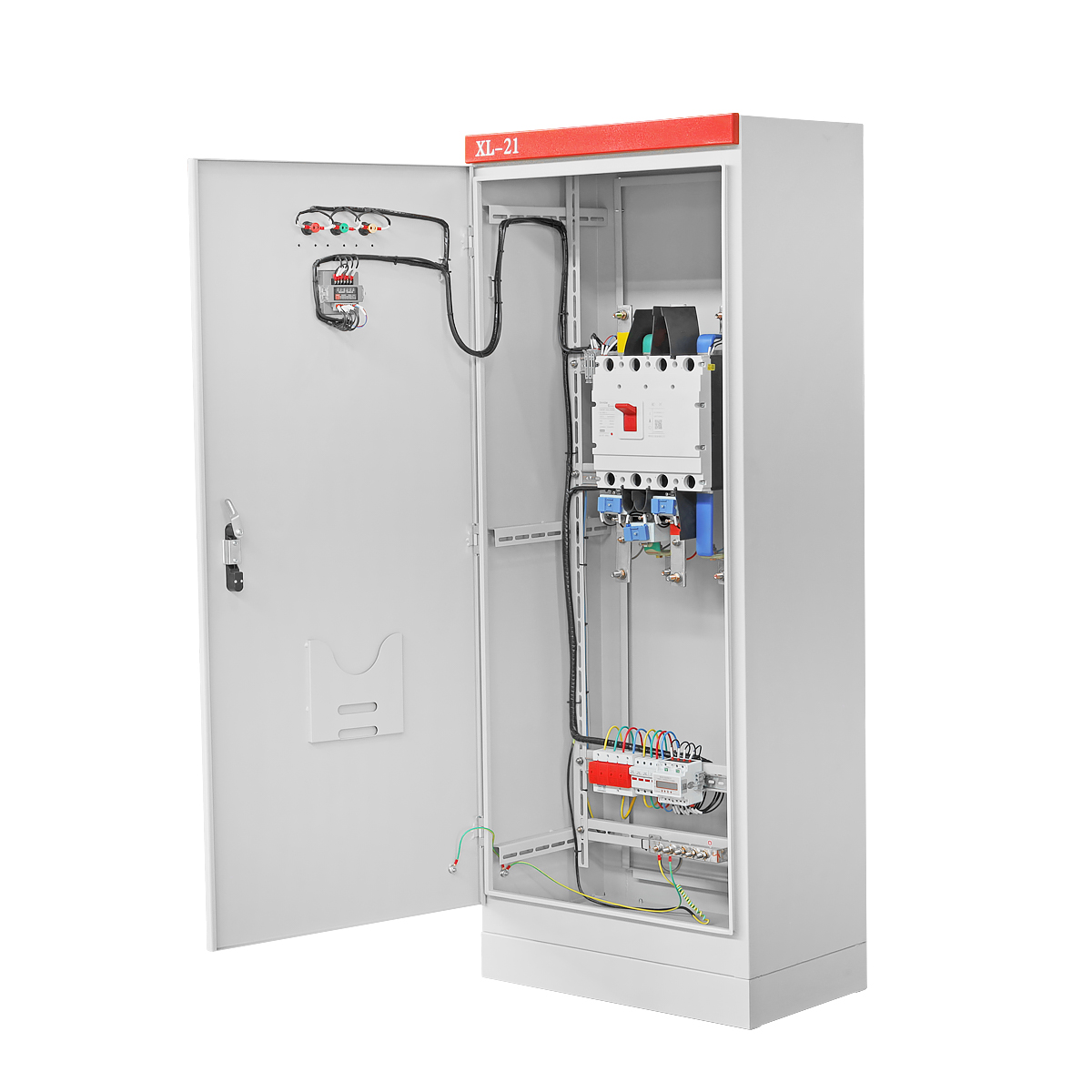
Selecting the right metal enclosure for distribution board installations in harsh environments requires understanding multiple critical factors that go far beyond basic electrical containment. A metal enclosure for distribution board serves as the protective barrier between your electrical infrastructure and external threats like moisture, temperature fluctuations, dust, chemical exposure, and mechanical impact. In industrial settings, coastal regions, food processing facilities, and outdoor installations, the choice of metal enclosure for distribution board can determine whether your distribution system operates reliably for decades or fails prematurely under environmental stress.
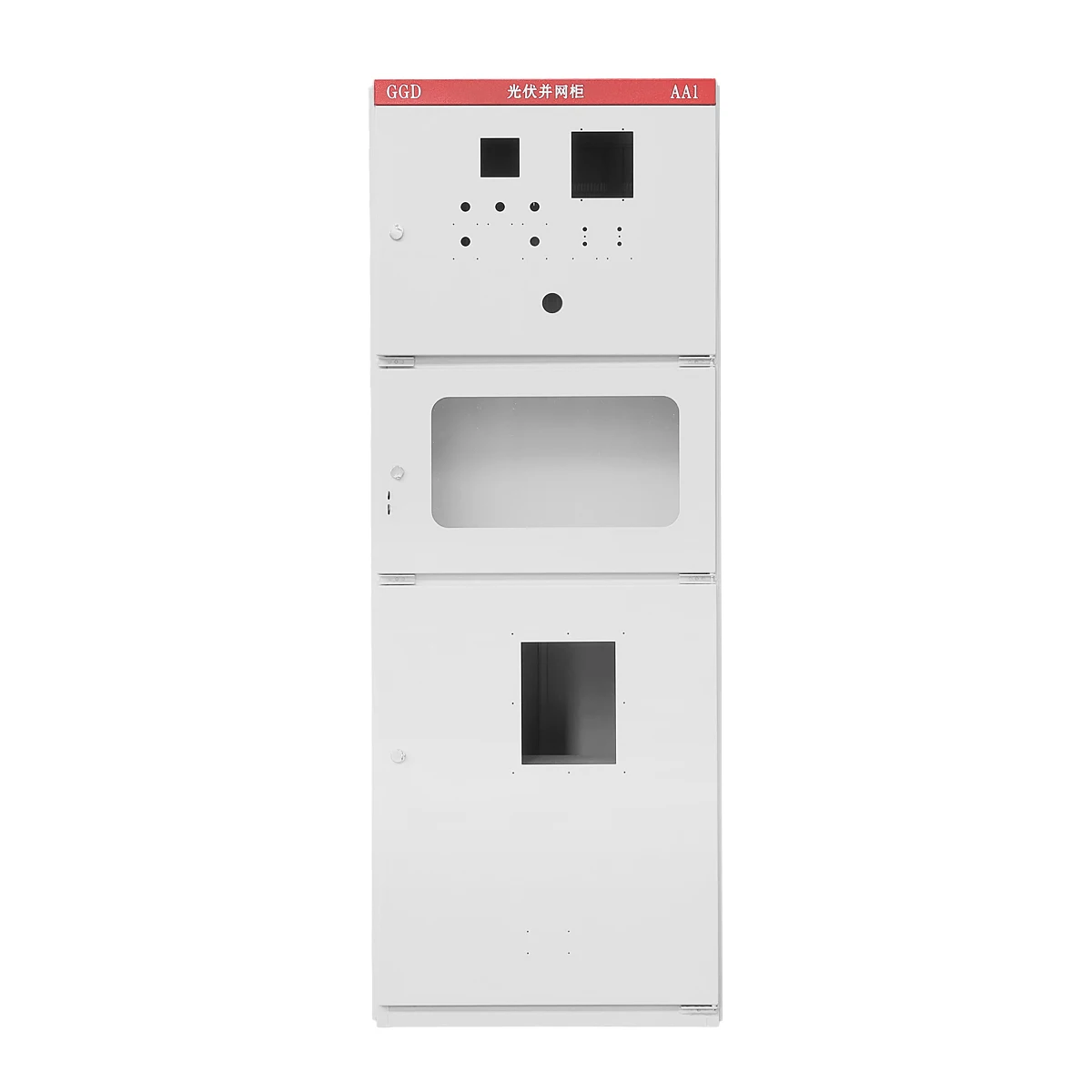
The suitability of any metal enclosure for distribution board in harsh conditions depends on material composition, protective coating systems, structural integrity, ventilation design, and compliance with industry standards. Harsh environments present compounding challenges that demand specialized engineering, and a generic metal enclosure for distribution board will not suffice. Understanding these suitability factors empowers facility managers, electrical engineers, and procurement teams to make informed decisions that protect equipment investments and ensure operational continuity.
Material Selection and Corrosion Resistance
Steel vs. Stainless Steel Options
The material foundation of any metal enclosure for distribution board directly impacts its ability to withstand harsh environmental conditions. Mild steel offers cost advantages and adequate strength, but requires robust protective coatings to resist corrosion in demanding settings. A metal enclosure for distribution board manufactured from stainless steel, particularly grades 304 or 316, provides inherent corrosion resistance without relying solely on surface treatments. Stainless steel variants contain chromium and nickel that form passive oxide layers, making them ideal for coastal environments, chemical processing zones, or facilities with high humidity exposure.
Protective Coating Systems
Even when using mild steel construction, proper coating systems transform a metal enclosure for distribution board into a durable asset capable of withstanding harsh environments. Powder coating, epoxy resin systems, and polyurethane finishes create multiple barriers against moisture penetration and oxidation. A metal enclosure for distribution board with hot-dip galvanizing provides excellent long-term protection, particularly in outdoor industrial settings where temperature cycling and salt spray accelerate corrosion. Multi-layer coating approaches combine base coats, intermediate layers, and topcoats to ensure comprehensive protection and extend the service life of metal enclosure for distribution board installations significantly.
Environmental Protection and Sealing Standards
IP Rating and Ingress Protection
The International Protection (IP) rating system defines how effectively a metal enclosure for distribution board excludes solid particles and liquid penetration. For harsh environments, a metal enclosure for distribution board must achieve at least IP55 rating, which ensures protection against water jets and dust ingress during normal operation. IP65 and IP66 ratings provide even superior sealing for applications involving direct water spray, submersion risks, or extremely dusty conditions. A metal enclosure for distribution board designed for food processing facilities, pharmaceutical manufacturing, or offshore installations typically requires IP66 or higher to maintain electrical safety and operational reliability under severe moisture and chemical exposure.
Thermal Management and Ventilation
Harsh environments often combine high humidity with extreme temperatures, creating condensation and thermal stress inside distribution board enclosures. An appropriately designed metal enclosure for distribution board incorporates ventilation louvers, thermal management vents, or forced-air systems to maintain safe internal temperatures and prevent moisture accumulation. The metal enclosure for distribution board must balance adequate airflow with seal integrity, preventing external contaminants from entering while allowing heat dissipation. Thermostatic fans and moisture-control elements within a metal enclosure for distribution board installation extend equipment lifespan and reduce maintenance frequency in challenging climates.
Structural Integrity and Mechanical Durability
Wall Thickness and Reinforcement
A metal enclosure for distribution board deployed in harsh environments experiences mechanical stresses from vibration, impact, pressure differentials, and thermal expansion cycles. Thicker gauge steel and reinforced structural designs ensure that the metal enclosure for distribution board maintains dimensional stability and protective seal integrity under these dynamic conditions. Ribbed or reinforced internal structures prevent warping and deformation, particularly when a metal enclosure for distribution board is exposed to temperature extremes ranging from intense heat to subzero conditions. Proper engineering of corner joints, door frames, and mounting points ensures that a metal enclosure for distribution board withstands both internal pressure variations and external mechanical shocks without compromising component protection.
Door Design and Access Reliability
The door of a metal enclosure for distribution board represents a critical weakness if not properly engineered for harsh environment conditions. Heavy-duty compression gaskets, stainless steel hinges, and corrosion-resistant latching mechanisms ensure that a metal enclosure for distribution board maintains seal integrity throughout its operational life. Lockable handles with positive pressure seals prevent accidental opening and external contaminant entry. A metal enclosure for distribution board featuring three-point locking systems and marine-grade hardware demonstrates the engineering standards necessary for demanding industrial applications where reliability cannot be compromised.
Installation and Maintenance Considerations
Mounting and Environmental Adaptation
How and where a metal enclosure for distribution board is installed significantly influences its performance in harsh environments. Proper drainage design ensures that any accumulated moisture exits quickly rather than pooling inside the metal enclosure for distribution board. Elevated mounting, adequate clearance from ground-level splash zones, and protective overhangs extend the operational life of a metal enclosure for distribution board in wet or corrosive settings. A metal enclosure for distribution board positioned away from direct chemical spray or salt spray exposure requires less aggressive material specifications, while one subjected to continuous harsh conditions demands premium materials and protective systems.
Regular Inspection and Preventive Maintenance
Even the most robust metal enclosure for distribution board benefits from scheduled inspection and preventive maintenance protocols. Quarterly visual inspections for coating damage, seal deterioration, and corrosion initiation allow early intervention before a metal enclosure for distribution board fails. Cleaning the exterior of a metal enclosure for distribution board to remove salt deposits, chemical residues, and dust reduces accelerated corrosion. Lubricating hinges, handles, and gaskets on the metal enclosure for distribution board maintains seal quality and operational functionality, preventing the premature failures that are common when maintenance is deferred in harsh environment settings.
FAQ
What IP rating must a metal enclosure for distribution board have for coastal environments?
A metal enclosure for distribution board in coastal settings should achieve at least IP65 rating to resist salt spray and moisture intrusion effectively. Many facilities opt for IP66 ratings to provide an extra margin of safety, ensuring that a metal enclosure for distribution board maintains protective integrity despite continuous salt air exposure. Stainless steel construction combined with high IP ratings creates the optimal metal enclosure for distribution board solution in marine industrial applications where salt corrosion accelerates equipment degradation.
Can mild steel work in a metal enclosure for distribution board for harsh environments with proper coatings?
Yes, mild steel can function effectively in a metal enclosure for distribution board for harsh environments when protected by comprehensive multi-layer coating systems such as hot-dip galvanizing or epoxy powder coatings. A metal enclosure for distribution board using mild steel costs significantly less than stainless alternatives, making it an economical choice when coating maintenance is performed consistently. However, a metal enclosure for distribution board made from stainless steel eliminates ongoing coating maintenance needs, making it preferable for remote locations or facilities where maintenance access is limited.
How does thermal management affect a metal enclosure for distribution board performance in harsh climates?
Inadequate thermal management inside a metal enclosure for distribution board creates internal condensation and accelerates component degradation, particularly when temperature swings are extreme. Thermostatic ventilation fans ensure that a metal enclosure for distribution board maintains stable internal temperatures while preventing moisture accumulation. A properly ventilated metal enclosure for distribution board extends component lifespan significantly, reduces fire risk from internal overheating, and maintains consistent electrical performance regardless of external climate variations.
Table of Contents
- Material Selection and Corrosion Resistance
- Environmental Protection and Sealing Standards
- Structural Integrity and Mechanical Durability
- Installation and Maintenance Considerations
-
FAQ
- What IP rating must a metal enclosure for distribution board have for coastal environments?
- Can mild steel work in a metal enclosure for distribution board for harsh environments with proper coatings?
- How does thermal management affect a metal enclosure for distribution board performance in harsh climates?