
 EN
EN
The residential energy landscape has undergone a dramatic transformation in recent years, with homeowners increasingly seeking sustainable and cost-effective solutions for their power needs. Among the various technologies available, lithium-based home energy storage batteries have emerged as the clear frontrunner, revolutionizing how households manage, store, and consume electricity. This surge in popularity stems from a combination of technological advancements, economic benefits, and environmental considerations that make these systems particularly attractive for modern homeowners.
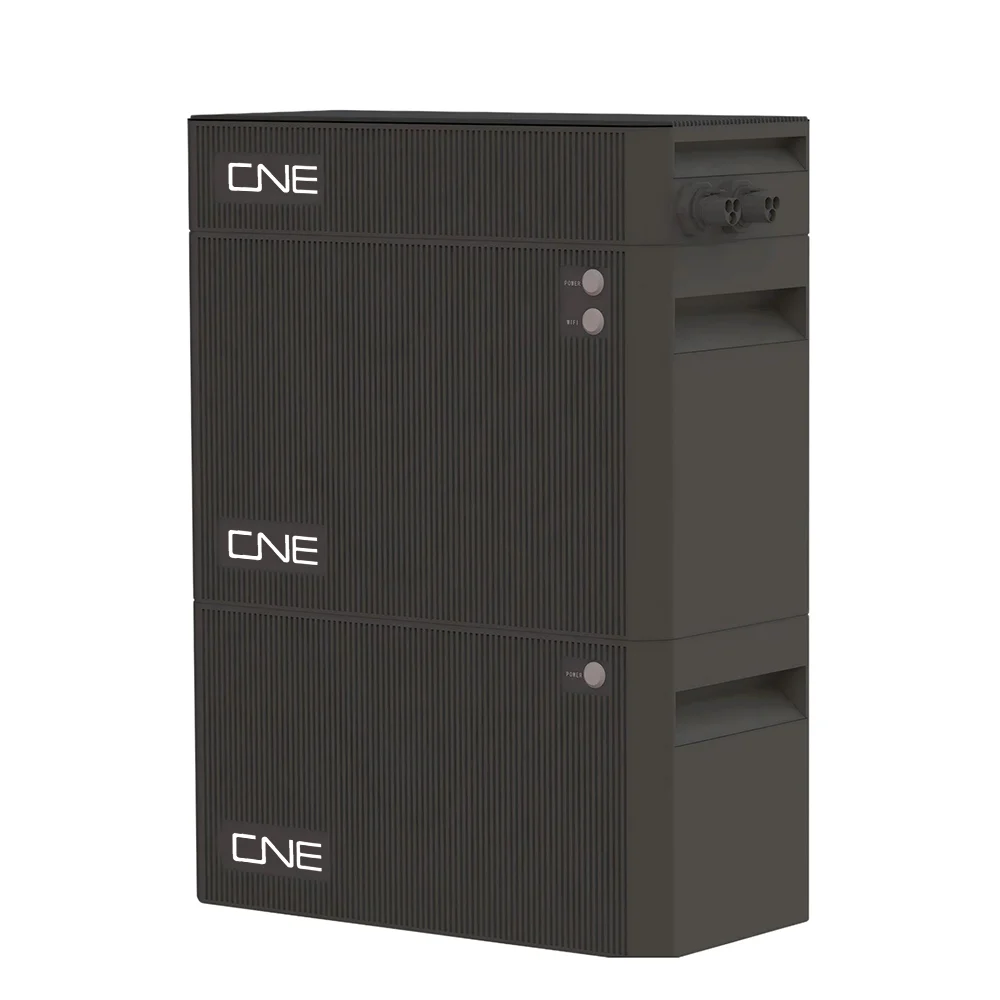
The adoption of residential energy storage solutions has accelerated significantly, driven by declining costs, improved performance characteristics, and supportive government policies. Lithium-based technologies have captured the majority of this growing market due to their superior energy density, longer lifespan, and enhanced safety features compared to traditional alternatives. Understanding the factors behind this popularity provides valuable insights into the future of residential energy independence and grid modernization.
Technological Advantages of Lithium Battery Systems
Superior Energy Density and Efficiency
Lithium-based home energy storage batteries offer exceptional energy density, allowing them to store more power in a compact form factor compared to other battery chemistries. This characteristic is particularly valuable for residential applications where space constraints often limit installation options. The high energy density translates directly into more usable storage capacity within smaller physical footprints, making these systems suitable for various home configurations including basements, garages, and outdoor installations.
The efficiency ratings of lithium systems typically exceed 90%, meaning minimal energy loss during the charge and discharge cycles. This high efficiency ensures that homeowners can maximize their return on investment by utilizing nearly all the stored energy when needed. The round-trip efficiency of lithium batteries significantly outperforms lead-acid alternatives, which often lose 20-30% of stored energy through conversion losses and internal resistance.
Extended Lifespan and Cycle Performance
Modern lithium home energy storage batteries are engineered to withstand thousands of charge-discharge cycles while maintaining their capacity and performance characteristics. Most residential lithium systems are warranted for 10-15 years or 6,000-10,000 cycles, providing long-term value that justifies the initial investment. This extended operational life reduces the total cost of ownership and minimizes the frequency of system replacements.
The degradation rate of lithium batteries has improved substantially with advances in battery management systems and cell chemistry optimization. High-quality residential systems typically retain 80-90% of their original capacity after a decade of regular use, ensuring consistent performance throughout their operational lifetime. This longevity factor has become a decisive consideration for homeowners evaluating different energy storage technologies.
Economic Benefits and Cost Considerations
Declining Installation and Equipment Costs
The cost of lithium-based home energy storage batteries has decreased dramatically over the past decade, making these systems accessible to a broader range of homeowners. Manufacturing scale improvements, technological advancements, and increased competition among suppliers have contributed to price reductions of more than 70% since 2010. This cost decline has reached a tipping point where residential storage systems offer compelling economic returns in many markets.
Installation costs have also benefited from standardization and improved installer expertise, reducing the complexity and time required for system deployment. Many manufacturers now offer plug-and-play solutions that streamline the installation process, further reducing overall project costs. The combination of lower equipment prices and installation efficiencies has made residential energy storage financially viable for middle-class homeowners in numerous regions.
Electricity Bill Reduction and Time-of-Use Optimization
Homeowners with lithium energy storage systems can significantly reduce their electricity bills through strategic charging and discharging based on utility rate structures. Time-of-use pricing programs allow users to charge their batteries during low-cost periods and discharge during expensive peak hours, creating substantial savings on monthly utility bills. The intelligent battery management systems can automatically optimize this process without requiring constant homeowner intervention.
Peak demand charges, which can represent a significant portion of commercial and some residential electricity bills, can be effectively managed through proper sizing and control of home energy storage batteries. By reducing peak power draws from the grid, homeowners can avoid costly demand charges while maintaining their desired comfort levels and energy consumption patterns.
Integration with Solar Power Systems
Maximizing Solar Investment Returns
The pairing of lithium battery storage with residential solar installations has created a synergistic relationship that maximizes the value of both technologies. Solar panels generate electricity during daylight hours when household consumption is often lower, while peak energy demands typically occur in the evening hours. Energy storage systems bridge this timing gap by capturing excess solar production for later use, significantly improving the economics of solar investments.
Net metering policies in many regions have become less favorable to solar homeowners, reducing compensation for excess electricity fed back into the grid. Lithium storage systems allow homeowners to capture and utilize their solar production directly, avoiding reduced buyback rates and maximizing the financial benefits of their renewable energy investments. This self-consumption approach often provides better returns than selling excess power to utilities at wholesale rates.
Grid Independence and Backup Power Capabilities
Modern lithium-based home energy storage systems provide seamless backup power capabilities that can maintain critical household functions during grid outages. Advanced inverter systems can automatically disconnect from the grid and continue supplying power to essential circuits within milliseconds of detecting a power failure. This rapid response ensures uninterrupted operation of refrigeration, lighting, communications, and other vital systems.
The backup power duration depends on the system size and household consumption patterns, but many residential installations can provide 8-24 hours of emergency power for essential loads. When combined with solar panels, these systems can potentially operate indefinitely during extended outages, provided adequate sunlight is available for battery recharging. This capability has become increasingly valuable as grid reliability challenges continue to affect many regions.
Environmental Impact and Sustainability
Reduced Carbon Footprint
Lithium home energy storage batteries contribute significantly to household carbon footprint reduction by enabling greater utilization of renewable energy sources and reducing dependence on fossil fuel-based grid electricity. When paired with solar installations, these systems can eliminate or dramatically reduce a home's reliance on carbon-intensive grid power, particularly during peak demand periods when utilities often rely on less efficient and more polluting power plants.
The manufacturing environmental impact of lithium batteries has improved substantially as production processes become more efficient and recycling programs develop. While the initial carbon footprint of battery manufacturing is not negligible, the lifetime environmental benefits of enabling renewable energy adoption and reducing grid dependence typically result in net positive environmental outcomes within 2-4 years of operation.
Supporting Grid Stability and Renewable Integration
Distributed residential energy storage systems contribute to overall grid stability by providing local energy resources that can reduce transmission losses and support voltage regulation. As more homes adopt lithium battery systems, the collective impact creates a distributed energy resource network that enhances grid resilience and reduces the need for expensive grid infrastructure upgrades.
The ability of home energy storage batteries to provide grid services such as frequency regulation and demand response creates additional value streams that benefit both homeowners and utility companies. Virtual power plant programs that aggregate residential storage resources are becoming increasingly common, allowing homeowners to monetize their battery investments while supporting renewable energy integration at the grid scale.
Safety and Reliability Improvements
Advanced Battery Management Systems
Modern lithium-based home energy storage batteries incorporate sophisticated battery management systems that continuously monitor cell voltage, temperature, and current flow to ensure safe operation under all conditions. These systems can detect potential issues before they become safety concerns and automatically adjust operating parameters to maintain optimal performance and safety margins.
Thermal management systems prevent overheating through active cooling and heating elements that maintain battery cells within their optimal temperature ranges. Advanced fire suppression systems and thermal runaway prevention technologies further enhance safety by containing any potential battery failures and preventing propagation to adjacent cells or systems.
Proven Track Record and Regulatory Compliance
The residential lithium battery industry has accumulated millions of installation hours and extensive real-world performance data that demonstrates the safety and reliability of properly designed and installed systems. Rigorous testing standards and certification processes ensure that residential storage products meet strict safety requirements before reaching the market.
Insurance companies and building code authorities have generally accepted lithium-based home energy storage systems when installed according to manufacturer specifications and local codes. This regulatory acceptance has removed many of the early barriers to adoption and provided homeowners with confidence in their investment decisions.
Future Market Trends and Innovations
Technology Advancement Pipeline
Ongoing research and development in lithium battery technology promise continued improvements in energy density, cycle life, and cost reduction over the coming years. Next-generation lithium chemistries, including lithium iron phosphate and advanced nickel-based formulations, offer enhanced safety characteristics and longer operational lifespans that will further strengthen the value proposition for residential applications.
Smart grid integration capabilities are expanding to include bidirectional power flow control, dynamic pricing response, and automated participation in energy markets. These features will enable homeowners to maximize the economic value of their storage investments while contributing to grid stability and renewable energy integration objectives.
Market Growth Projections
Industry analysts project continued rapid growth in the residential energy storage market, with lithium-based systems maintaining their dominant market position. Declining costs, improving performance, and supportive policies are expected to drive installation rates higher across diverse geographic markets and customer segments.
The convergence of electric vehicle adoption, home energy storage, and solar installations is creating integrated energy ecosystems that offer unprecedented levels of energy independence and cost savings. This convergence trend is expected to accelerate as technology costs continue declining and integration capabilities improve.
FAQ
How long do lithium home energy storage batteries typically last
Most residential lithium battery systems are warranted for 10-15 years and can perform 6,000-10,000 charge cycles while retaining 80-90% of their original capacity. With proper maintenance and optimal operating conditions, many systems exceed their warranty periods and continue providing reliable service for 15-20 years.
What size battery system do I need for my home
The optimal battery size depends on your household energy consumption patterns, backup power requirements, and solar installation capacity if applicable. Most homes benefit from systems ranging from 10-20 kWh, though larger homes or those seeking extended backup power may require 30 kWh or more. A professional energy assessment can determine the ideal system size for your specific needs.
Can lithium batteries work without solar panels
Yes, lithium home energy storage systems can operate independently of solar installations by charging from grid electricity during low-cost periods and discharging during expensive peak hours. This approach, called load shifting or time-of-use optimization, can provide significant savings on electricity bills even without renewable energy generation.
Are there any maintenance requirements for lithium battery systems
Lithium-based home energy storage systems require minimal maintenance compared to other battery technologies. Regular visual inspections, software updates, and occasional cleaning of ventilation areas are typically sufficient. The battery management system handles most operational optimization automatically, and professional maintenance visits are usually recommended annually or as specified by the manufacturer.