
 EN
EN
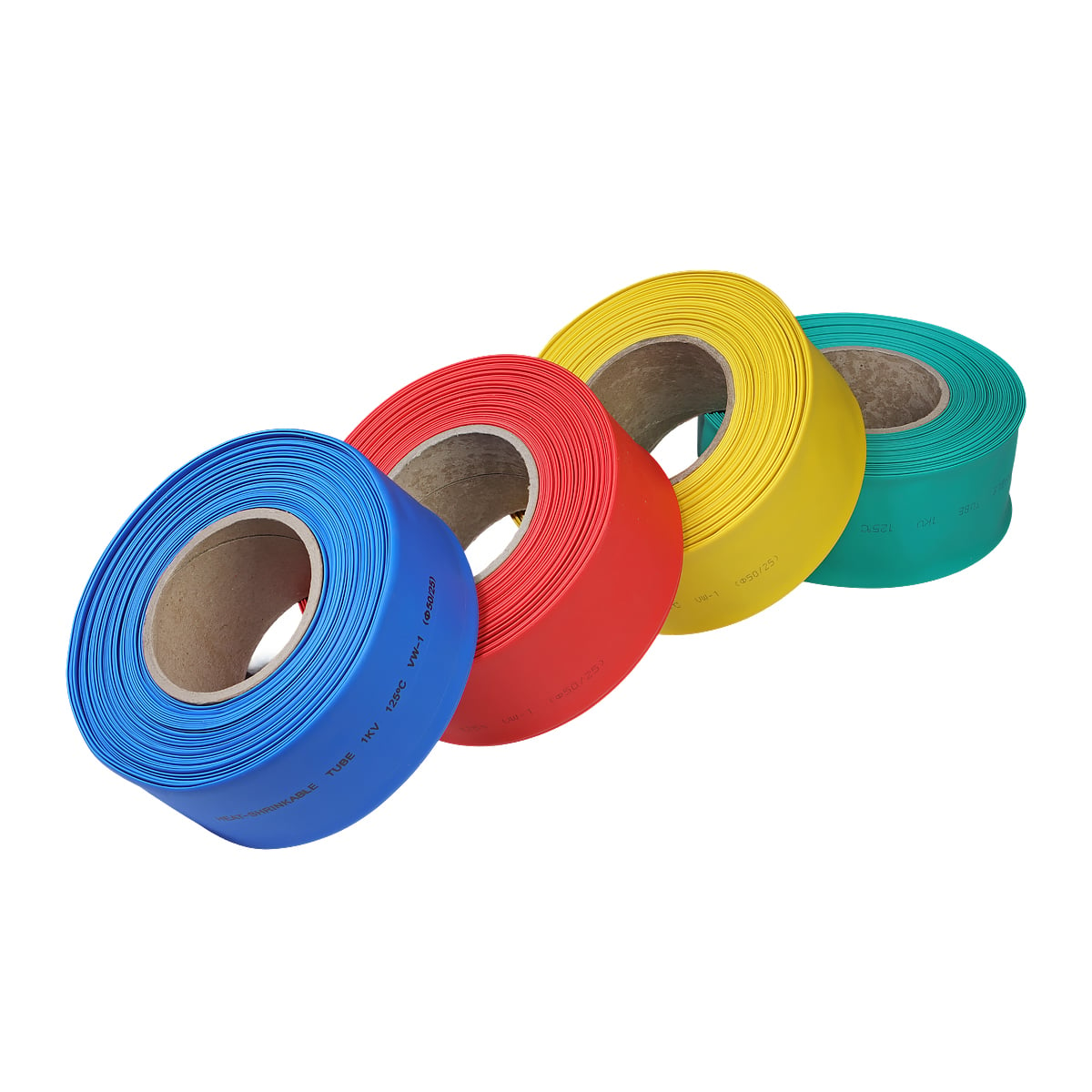
Insulating sleeves industrial wiring systems form the backbone of safe and reliable electrical infrastructure across manufacturing plants, power distribution networks, and heavy industrial facilities. Proper electrical insulation is not a luxury but a critical safety requirement that prevents electrical faults, equipment damage, and workplace hazards. Understanding where and why insulating sleeves industrial wiring applications matter helps facility managers, electrical engineers, and maintenance teams make informed decisions about protecting their most valuable assets.

The industrial sector depends on insulating sleeves industrial wiring to maintain operational continuity and worker safety. From high-voltage substations to low-voltage control circuits, insulating sleeves industrial wiring products address diverse challenges including thermal stress, mechanical wear, chemical exposure, and electrical degradation. Modern industrial operations cannot afford unexpected downtime caused by electrical failures, which makes understanding insulating sleeves industrial wiring applications essential for operational excellence.
Protecting High-Voltage and Medium-Voltage Systems
Application in Power Distribution and Substations
High-voltage and medium-voltage environments represent one of the most demanding applications for insulating sleeves industrial wiring. In these systems, insulating sleeves industrial wiring must withstand extreme electrical stress, temperature fluctuations, and potential arcing conditions. Substations and power distribution equipment use insulating sleeves industrial wiring to insulate busbar connections, transformer terminals, and switchgear components where voltage levels exceed 1,000 volts. The consequences of insulation failure in these applications include equipment shutdown, cascading electrical faults, and significant financial losses.
Temperature and Voltage Stress Management
Insulating sleeves industrial wiring products engineered for high-voltage applications must manage simultaneous thermal and electrical stresses. When electrical current flows through high-voltage conductors, the resulting heat generation combined with ambient temperature variations creates conditions where standard insulation degrades rapidly. Quality insulating sleeves industrial wiring materials maintain dielectric strength and mechanical integrity across wide temperature ranges, typically from minus 40 degrees Celsius to plus 130 degrees Celsius. This thermal stability ensures that insulating sleeves industrial wiring continues protecting equipment during both normal operation and emergency overload conditions.
Safeguarding Low-Voltage Control Circuits and Signals
Control System Wire and Cable Protection
While high-voltage applications demand maximum protection, control circuits in programmable logic controllers, drive systems, and instrumentation networks benefit equally from insulating sleeves industrial wiring. These lower-voltage systems operate at 24 volts to 480 volts but require precision insulation to prevent signal degradation and equipment malfunction. Insulating sleeves industrial wiring in control applications prevents cross-contamination between power circuits and sensitive signal wires, eliminating noise interference and improving system reliability. Manufacturing facilities depend on these control systems for automation sequences, safety interlocks, and real-time process monitoring, making insulating sleeves industrial wiring a cornerstone of modern plant operations.
Signal Integrity and EMI Prevention
Industrial environments generate significant electromagnetic interference from motors, welding equipment, variable frequency drives, and radio frequency sources. Insulating sleeves industrial wiring reduces EMI susceptibility by providing physical and electrical separation between conductors carrying power and those carrying sensor signals. When signal wires share conduit with power cables, insulating sleeves industrial wiring creates dedicated protected pathways that maintain signal clarity and prevent false sensor readings. This protection directly impacts production quality, machine response times, and overall system accuracy.
Chemical Resistance and Environmental Durability
Industrial Facility Environmental Challenges
Industrial plants expose electrical equipment to aggressive chemicals, moisture, salt spray, and extreme weather conditions that standard insulation cannot withstand. Food processing facilities, chemical plants, offshore installations, and marine environments demand specialized insulating sleeves industrial wiring formulations that resist corrosion and chemical degradation. Insulating sleeves industrial wiring made from materials such as fluoropolymers, elastomers, and crosslinked polyolefins provide superior chemical resistance compared to basic polyvinyl chloride alternatives. In these harsh environments, insulating sleeves industrial wiring extends equipment lifespan from months to years, dramatically reducing replacement costs and unplanned downtime.
Mechanical Abrasion and Physical Damage Prevention
Industrial work areas expose electrical connections to constant mechanical stress from vibration, heavy equipment movement, and human activity. Insulating sleeves industrial wiring products with superior abrasion resistance protect conductor insulation from punctures, cuts, and friction damage that would otherwise expose live conductors to the environment. Heavy-duty manufacturing operations benefit from insulating sleeves industrial wiring that can withstand repeated contact with sharp edges, moving machinery, and industrial debris. This mechanical protection layer prevents electrical hazards while extending the functional life of wiring infrastructure by decades.
Busbar and High-Current Applications
Electrical Distribution and Power Bus Systems
Busbars carry high electrical currents within electrical rooms, switchboards, and power distribution centers, representing one of the most critical applications for insulating sleeves industrial wiring. Unlike traditional round conductors, busbars have large surface areas exposed to potential contact, making insulating sleeves industrial wiring essential for worker safety and equipment protection. Insulating sleeves industrial wiring designed specifically for busbar applications maintains full coverage around the conductor profile while accommodating the thermal expansion and contraction that occurs during high-current operation. Proper insulating sleeves industrial wiring installation on busbars eliminates contact risks and ensures compliance with electrical safety standards across industrial facilities.
Thermal Management in Power Transfer
When electrical current exceeds 1,000 amperes, the heat generated by conductor resistance becomes substantial enough to require active management. Insulating sleeves industrial wiring allows controlled heat dissipation while maintaining electrical isolation, preventing insulation breakdown from thermal stress. The material selection for insulating sleeves industrial wiring in high-current applications balances thermal conductivity with electrical insulation properties, ensuring safe operation across the full current range. This thermal management capability enables industrial systems to operate at maximum efficiency without sacrificing electrical safety or equipment reliability.
FAQ
What specific temperature range should insulating sleeves industrial wiring withstand in outdoor substations?
Outdoor substation insulating sleeves industrial wiring must typically maintain integrity from minus 50 degrees Celsius to plus 130 degrees Celsius. This extended range covers extreme winter conditions, summer heat exposure, and the internal heating from electrical current. Selecting insulating sleeves industrial wiring rated for this full temperature spectrum prevents insulation failure during seasonal transitions and ensures year-round equipment protection in outdoor installations.
How does insulating sleeves industrial wiring prevent arc flash incidents?
Insulating sleeves industrial wiring reduces arc flash risk by maintaining proper electrical separation between live conductors and grounded components. When properly installed, insulating sleeves industrial wiring prevents accidental contact that could trigger arc events, and the material composition resists flame propagation if an arc does occur. This dual protection mechanism makes insulating sleeves industrial wiring an essential component of comprehensive arc flash prevention strategies in electrical facilities.
Can insulating sleeves industrial wiring be applied to existing installed conductors without system shutdown?
Many insulating sleeves industrial wiring products, particularly heat shrink formulations, can be installed on live or de-energized systems using specialized application techniques. However, best practices require de-energization of the circuit before installing insulating sleeves industrial wiring to ensure worker safety and achieve optimal material adhesion. Always follow manufacturer installation guidelines and consult with qualified electrical personnel before applying insulating sleeves industrial wiring to existing infrastructure.