
 EN
EN
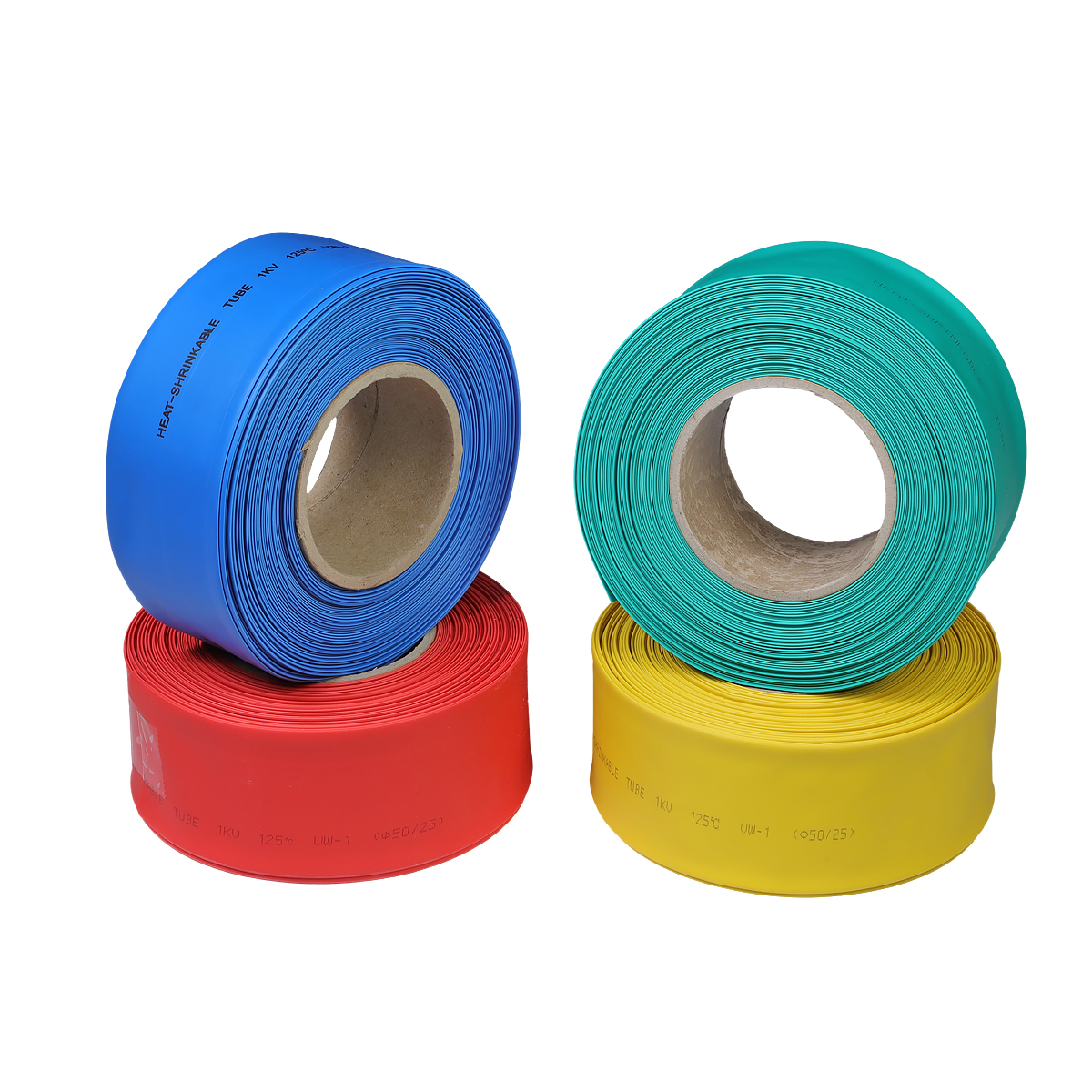
Insulating sleeve suppliers operate within a highly regulated industrial environment where compliance with global standards is not optional but fundamental to market access and safety assurance. Meeting these rigorous requirements ensures that electrical systems operate safely, reliably, and according to international benchmarks that protect equipment, personnel, and infrastructure across industries worldwide. Insulating sleeve suppliers must navigate complex certification frameworks, quality management systems, and testing protocols to deliver products that meet or exceed the expectations of OEMs, contractors, and end-users.
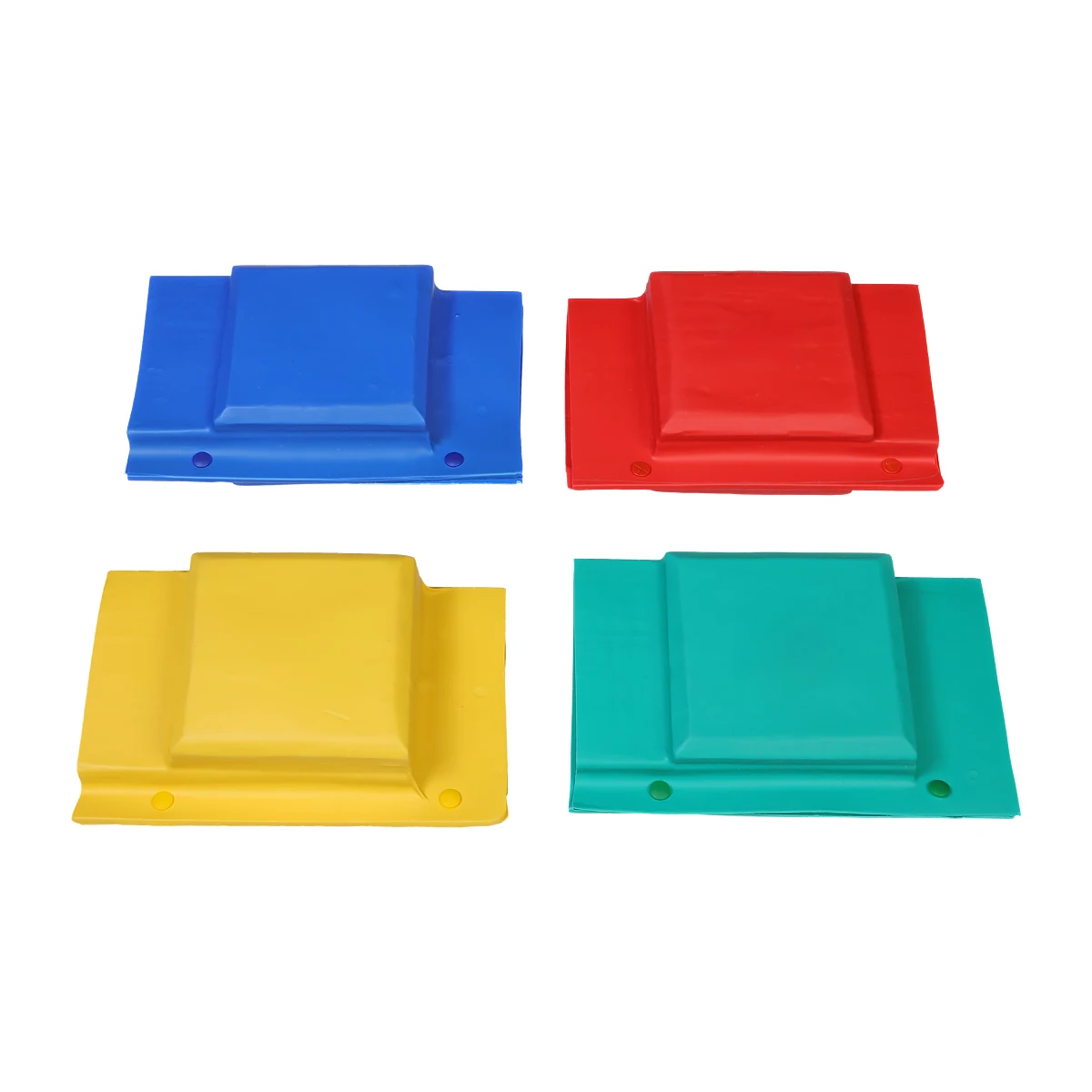
The role of insulating sleeve suppliers extends beyond manufacturing to encompassing quality assurance, documentation, traceability, and continuous improvement practices. Leading insulating sleeve suppliers invest heavily in testing infrastructure, material science expertise, and supply chain transparency to demonstrate that every batch, every product, and every delivery meets or exceeds applicable standards. This commitment builds trust, reduces liability, and ensures that the electrical equipment relying on these sleeves performs as designed throughout its operational lifespan.
Understanding Global Compliance Frameworks for Insulating Sleeve Suppliers
Key International Standards and Certifications
Insulating sleeve suppliers must comply with multiple international standards that govern material properties, electrical performance, mechanical strength, and thermal behavior. Standards such as IEC 61111, DIN EN 61111, and UL 224 establish minimum performance thresholds for heat-shrinkable tubes and sleeves used in electrical applications. These standards define breakdown voltage, shrink temperature, flame resistance, and environmental durability requirements that insulating sleeve suppliers must validate through independent laboratory testing and documented evidence.
Insulating sleeve suppliers recognize that global compliance requires more than possessing a single certification. RoHS compliance, REACH registration, flame-retardant standards, and temperature rating classifications all factor into the comprehensive compliance profile that insulating sleeve suppliers must maintain. Each market region may impose additional local requirements, making it essential that insulating sleeve suppliers maintain updated compliance tracking systems and supply chains capable of meeting region-specific demands without compromising product consistency.
Third-Party Testing and Verification Protocols
Reputable insulating sleeve suppliers engage accredited third-party laboratories to conduct independent testing and verification of product performance claims. These laboratories test samples across multiple parameters including electrical breakdown voltage under dry and wet conditions, shrink ratio performance, flexibility at low temperatures, and resistance to flame propagation. Insulating sleeve suppliers use these third-party results to build credibility and provide customers with objective evidence that products meet or exceed stated specifications.
Insulating sleeve suppliers maintain batch-level documentation showing that each production run has been tested and verified against applicable standards. This traceability allows customers to verify product authenticity, review test certificates, and confirm that materials used in their electrical assemblies have undergone rigorous validation. The commitment by insulating sleeve suppliers to transparent testing creates a verifiable chain of custody that supports compliance audits and regulatory reviews throughout the product lifecycle.
Quality Management Systems and Process Control
ISO Certification and Manufacturing Standards
Leading insulating sleeve suppliers maintain ISO 9001 certification and, in many cases, ISO 14001 environmental management certification to demonstrate systematic quality control and continuous improvement practices. ISO-certified insulating sleeve suppliers implement documented procedures for material receiving, production process control, in-process testing, and final product inspection. These quality management systems ensure that insulating sleeve suppliers maintain consistent output quality, track non-conformances, and implement corrective actions before defects reach customers.
Insulating sleeve suppliers with certified quality systems invest in process validation studies that statistically demonstrate their manufacturing capabilities meet specification requirements. Control charts, capability studies, and statistical process control methodologies enable insulating sleeve suppliers to identify drift or variation early and adjust process parameters to maintain compliance. This systematic approach reduces the risk of field failures, minimizes customer returns, and demonstrates a proactive commitment to quality that goes beyond minimum compliance requirements.
Raw Material Sourcing and Supplier Qualification
Insulating sleeve suppliers cannot achieve compliance without rigorous control of incoming raw materials. Leading insulating sleeve suppliers qualify material suppliers, conduct incoming inspection and testing, and maintain certificates of compliance or conformance for all polymers, additives, and processing aids used in manufacturing. This upstream control prevents contamination, ensures material specifications are met, and allows insulating sleeve suppliers to trace product lineage back to source materials.
Insulating sleeve suppliers maintain material data sheets, safety data sheets, and composition certifications that confirm compliance with RoHS, REACH, and other regulatory frameworks governing chemical content. By controlling the supply chain at the material level, insulating sleeve suppliers reduce the risk of regulatory violations, ensure traceability for recalls if necessary, and maintain the ability to certify that finished sleeves meet all applicable environmental and safety regulations. This disciplined approach to supplier management distinguishes compliant insulating sleeve suppliers from those relying on ad-hoc verification practices.
Compliance Documentation, Traceability, and Continuous Improvement
Batch Traceability and Record Keeping
Insulating sleeve suppliers maintain detailed production records linking each batch of finished sleeves to specific raw material lots, production dates, personnel, equipment used, and test results obtained. This comprehensive batch traceability allows insulating sleeve suppliers to conduct rapid recalls if a compliance issue is discovered and enables root-cause investigations that prevent recurrence. Customers and regulators can request documentation proving that specific sleeves meet applicable standards, and compliant insulating sleeve suppliers deliver this evidence quickly and completely.
Modern insulating sleeve suppliers employ digital systems to track material flow, record test data in real-time, and generate certificates of compliance automatically. These systems ensure that insulating sleeve suppliers maintain accurate records throughout the product lifecycle and can produce audit trails demonstrating compliance with ISO, IEC, and customer-specific requirements. The shift toward digital traceability allows insulating sleeve suppliers to respond to inquiries with precise, verifiable documentation rather than relying on manual record retrieval.
Regulatory Monitoring and Standards Evolution
Insulating sleeve suppliers cannot rest on current certifications because global standards evolve in response to technological advances, safety concerns, and environmental priorities. Progressive insulating sleeve suppliers actively monitor standards development organizations, participate in industry associations, and maintain relationships with notified bodies or certification agencies. This engagement allows insulating sleeve suppliers to anticipate requirement changes and adapt products before new standards become mandatory, avoiding disruption to customers and market access.
Insulating sleeve suppliers demonstrate compliance maturity by conducting internal audits, seeking customer feedback, and implementing continuous improvement initiatives that exceed minimum standards. Some insulating sleeve suppliers pursue certifications beyond baseline requirements, such as aerospace specifications or automotive standards, to position themselves as premium providers capable of serving demanding markets. This forward-looking approach ensures that insulating sleeve suppliers remain compliant, competitive, and trusted by customers who depend on their products for safety-critical applications.
FAQ
What certifications must insulating sleeve suppliers hold to ensure global compliance?
Insulating sleeve suppliers should hold ISO 9001 quality management certification, comply with IEC 61111 and applicable regional standards such as DIN EN 61111 or UL 224, and maintain RoHS and REACH compliance documentation. Many insulating sleeve suppliers also pursue specific product certifications from notified bodies or industry associations relevant to their target markets. The exact certifications required depend on the geographic markets served and the specific applications for which the sleeves are intended, so leading insulating sleeve suppliers maintain flexibility in their certification portfolio to serve diverse customer needs.
How do insulating sleeve suppliers verify product performance against standards?
Insulating sleeve suppliers conduct in-house testing and engage accredited third-party laboratories to perform independent verification of electrical breakdown voltage, thermal shrink properties, flame resistance, and environmental durability. Each production batch undergoes sample testing and documentation to provide certificates of compliance that customers can reference during their own quality audits. Insulating sleeve suppliers maintain test data for the product lifecycle, allowing them to demonstrate consistent compliance and support field investigations if performance issues arise.
Can insulating sleeve suppliers help customers navigate regional compliance requirements?
Yes, experienced insulating sleeve suppliers maintain expertise in regional compliance frameworks and can recommend products or specifications that meet local requirements across North America, Europe, Asia, and other markets. Insulating sleeve suppliers often provide technical documentation, compliance statements, and test certificates in multiple languages to simplify customer audits and regulatory submissions. By partnering with knowledgeable insulating sleeve suppliers, customers gain access to compliance expertise and reduce the burden of interpreting international standards independently.