
 EN
Installing a home energy storage system for solar has become one of the most effective strategies for homeowners seeking energy independence and long-term cost savings. As solar technology continues to advance, the integration of battery storage transforms how households consume and manage electricity. A home energy storage system for solar captures excess solar energy generated during daylight hours and stores it for use during evening hours, cloudy days, or peak electricity rates. This capability fundamentally changes the economics of residential solar installations and provides measurable financial and environmental benefits.
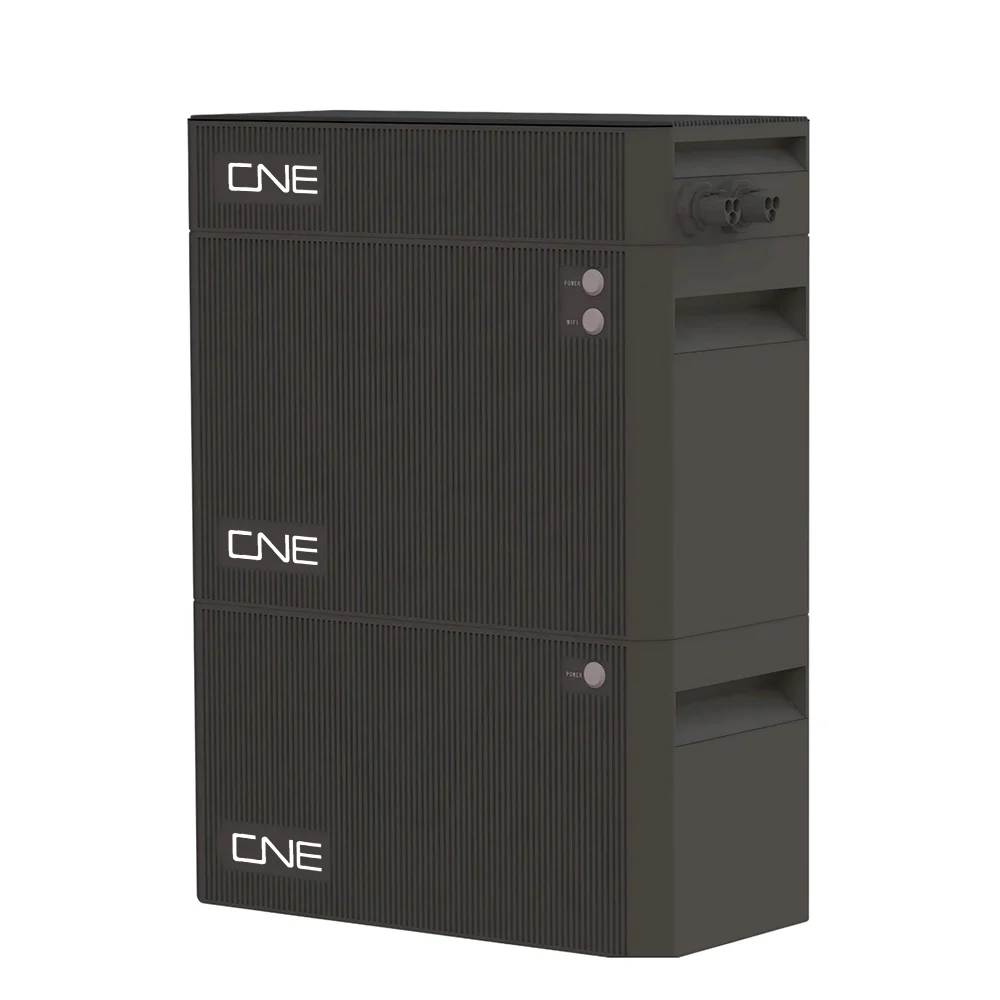
Understanding the specific advantages of a home energy storage system for solar helps homeowners make informed decisions about energy investments. While solar panels generate renewable electricity, they do so intermittently, and a home energy storage system for solar bridges the gap between generation and consumption patterns. This article explores the primary advantages of deploying residential battery storage alongside solar power systems, focusing on practical benefits that directly impact household budgets and energy resilience.
Enhanced Energy Independence and Reliability
Maximizing Self-Consumption of Solar Energy
A home energy storage system for solar enables homeowners to use nearly all the electricity their panels produce rather than exporting excess power back to the grid. During peak sunlight hours, excess solar generation is stored in the battery instead of flowing unused to utility lines. When evening arrives or solar production drops, the stored energy powers the household, eliminating the need to purchase electricity during high-demand periods. This self-consumption capability means a home energy storage system for solar directly reduces dependence on grid-supplied electricity and protects against rising utility rates.
Backup Power During Outages
One of the most compelling reasons homeowners choose a home energy storage system for solar is the backup power capability during grid failures. When the electrical grid experiences outages, a home energy storage system for solar automatically isolates from grid connections and continues supplying power to essential household loads. This feature provides peace of mind, especially in areas prone to weather-related outages or aging infrastructure. Without a home energy storage system for solar, homes with solar panels alone would still lose power during grid outages because grid-tied inverters require grid voltage signals to operate.
Significant Long-Term Financial Benefits
Reducing Electricity Bills Through Time-of-Use Optimization
Many electricity providers offer time-of-use (TOU) rates where electricity costs vary based on demand periods. A home energy storage system for solar capitalizes on this pricing structure by storing solar energy during low-cost periods and deploying it during high-cost peak hours. This optimization dramatically lowers monthly electricity expenses compared to drawing power directly from the grid during expensive peak times. The financial advantage of a home energy storage system for solar is most pronounced in regions with aggressive time-of-use pricing, where rate differences between off-peak and peak hours can exceed 300 percent. Homeowners essentially use their home energy storage system for solar as an economical power management tool that shifts consumption away from expensive grid power.
Eligibility for Tax Credits and Incentive Programs
Government incentives significantly improve the return on investment for a home energy storage system for solar. Federal tax credits, state rebates, and utility-sponsored programs reduce the upfront capital cost of installing residential battery storage. Many jurisdictions recognize that a home energy storage system for solar strengthens grid stability by reducing peak demand stress, and they reward homeowners with financial incentives. These programs make purchasing a home energy storage system for solar more affordable than the equipment cost alone suggests. When combined with solar panel incentives, a comprehensive home energy storage system for solar installation often qualifies for substantial tax deductions and rebates.
Environmental Impact and Sustainability Advantages
Accelerating Renewable Energy Utilization
Without a home energy storage system for solar, solar installations waste significant energy by exporting it to the grid during high-production periods. A home energy storage system for solar eliminates this waste by storing every kilowatt-hour of solar generation for immediate household consumption. This improved efficiency means solar panels generate tangible benefits across the entire day, not only during daylight hours. The environmental advantage of a home energy storage system for solar extends the effective lifespan of renewable generation by capturing and using all available solar energy rather than allowing grid-supplied fossil fuel generation to meet evening electricity demand.
Reducing Grid Stress and Carbon Footprint
When multiple households deploy a home energy storage system for solar, the collective effect reduces peak demand on regional power grids. This reduced peak demand means utilities require fewer fossil fuel power plants operating at full capacity during high-demand periods. A home energy storage system for solar shifts electricity consumption away from grid infrastructure, lowering transmission losses and carbon emissions associated with power distribution. By choosing a home energy storage system for solar, homeowners contribute to a cleaner energy landscape while simultaneously improving their household energy independence and financial position.
Operational Flexibility and Future Scalability
Adapting to Changing Energy Needs
A home energy storage system for solar provides flexibility to adjust battery capacity as household energy needs evolve. If a family expands or adds electric vehicle charging capability, additional battery modules integrate seamlessly with existing systems. This scalability means a home energy storage system for solar represents a long-term investment that grows alongside changing energy consumption patterns. Modern modular home energy storage system for solar designs allow homeowners to start with base capacity and expand battery storage without replacing entire systems.
Compatibility with Smart Grid and Vehicle Integration
Advanced home energy storage system for solar installations integrate with smart home technology and electric vehicle charging systems. This integration allows homeowners to charge electric vehicles during off-peak hours using stored solar energy, further reducing transportation energy costs. A home energy storage system for solar combined with vehicle-to-home (V2H) technology enables electric vehicles to serve as additional storage capacity, creating a comprehensive residential energy ecosystem. This interconnected approach transforms a home energy storage system for solar from a simple battery into an intelligent energy management hub.
FAQ
How much money can homeowners save with a home energy storage system for solar?
Savings depend on local electricity rates, solar production levels, and household consumption patterns. Homeowners typically save 20 to 50 percent on electricity bills by combining solar panels with a home energy storage system for solar, particularly in regions with time-of-use pricing or high electricity costs. Payback periods range from 7 to 12 years before the home energy storage system for solar investment becomes cash-positive, with additional savings extending across the system's 25-year lifespan.
What is the typical lifespan of a home energy storage system for solar battery?
Modern home energy storage system for solar batteries, particularly lithium-ion models, retain 80 to 90 percent of their capacity after 10 years and remain functional for 20 to 25 years. Most manufacturers guarantee home energy storage system for solar battery performance with warranties covering 10 to 15 years. Actual lifespan depends on usage patterns, climate conditions, and maintenance, but a properly installed home energy storage system for solar typically outlasts the solar panels themselves.
Can a home energy storage system for solar work without solar panels?
Yes, a home energy storage system for solar can function independently by charging from grid electricity during off-peak, lower-cost hours. However, this application is primarily beneficial in regions with significant time-of-use rate variations. The true financial and environmental advantage of a home energy storage system for solar emerges when paired with solar panels, where the system captures free renewable energy rather than simply shifting grid electricity consumption timing.