
 EN
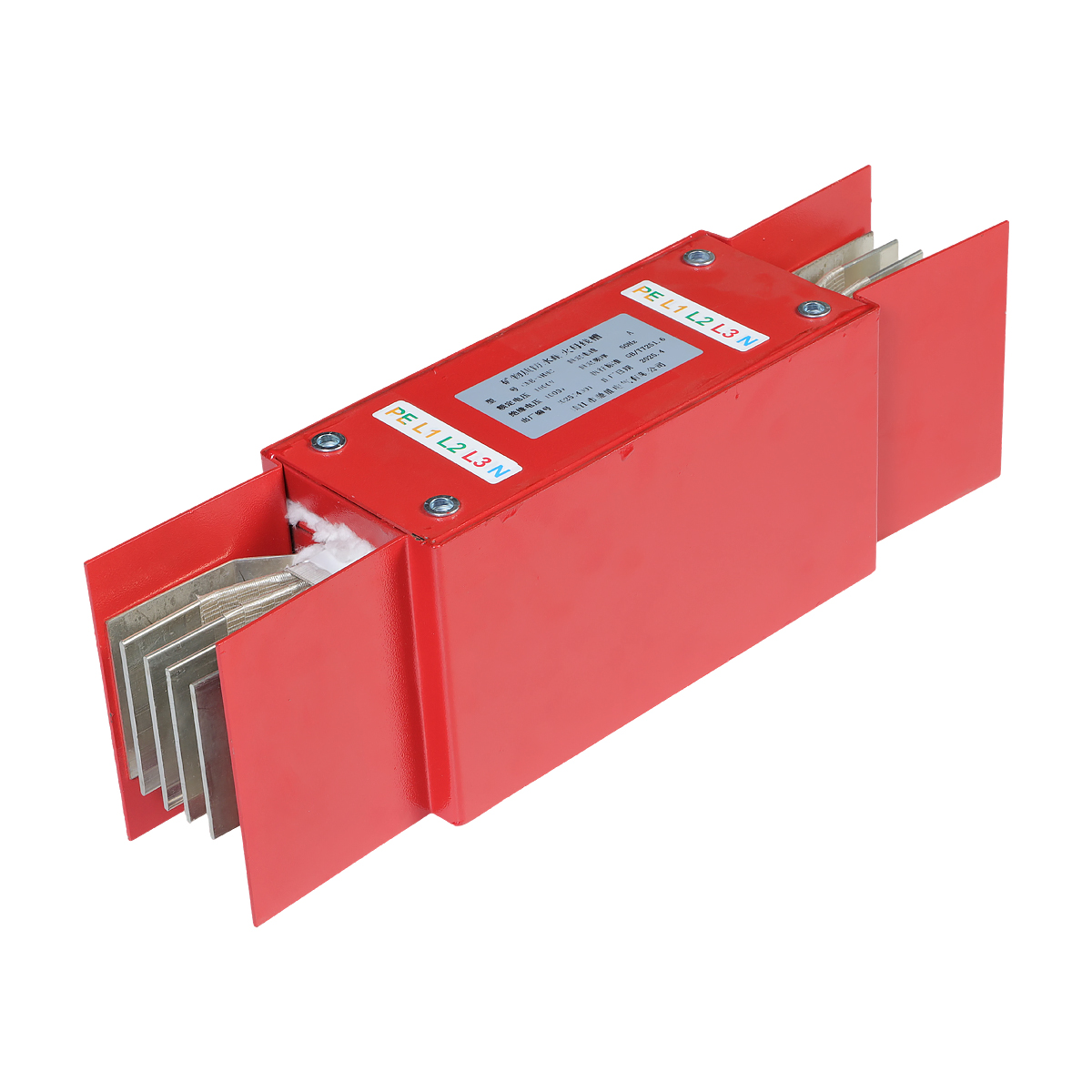
Modern industrial and commercial facilities demand reliable, efficient power distribution solutions that can handle dynamic electrical loads while minimizing operational complexity. The voltage busway has emerged as a transformative technology in power systems, offering substantial advantages over traditional cable-based distribution methods. Organizations worldwide are increasingly recognizing that a voltage busway provides superior performance, cost efficiency, and scalability compared to conventional wiring approaches. Understanding the key advantages of voltage busway installations enables facility managers, engineers, and decision-makers to optimize their power infrastructure investments and improve long-term operational reliability.
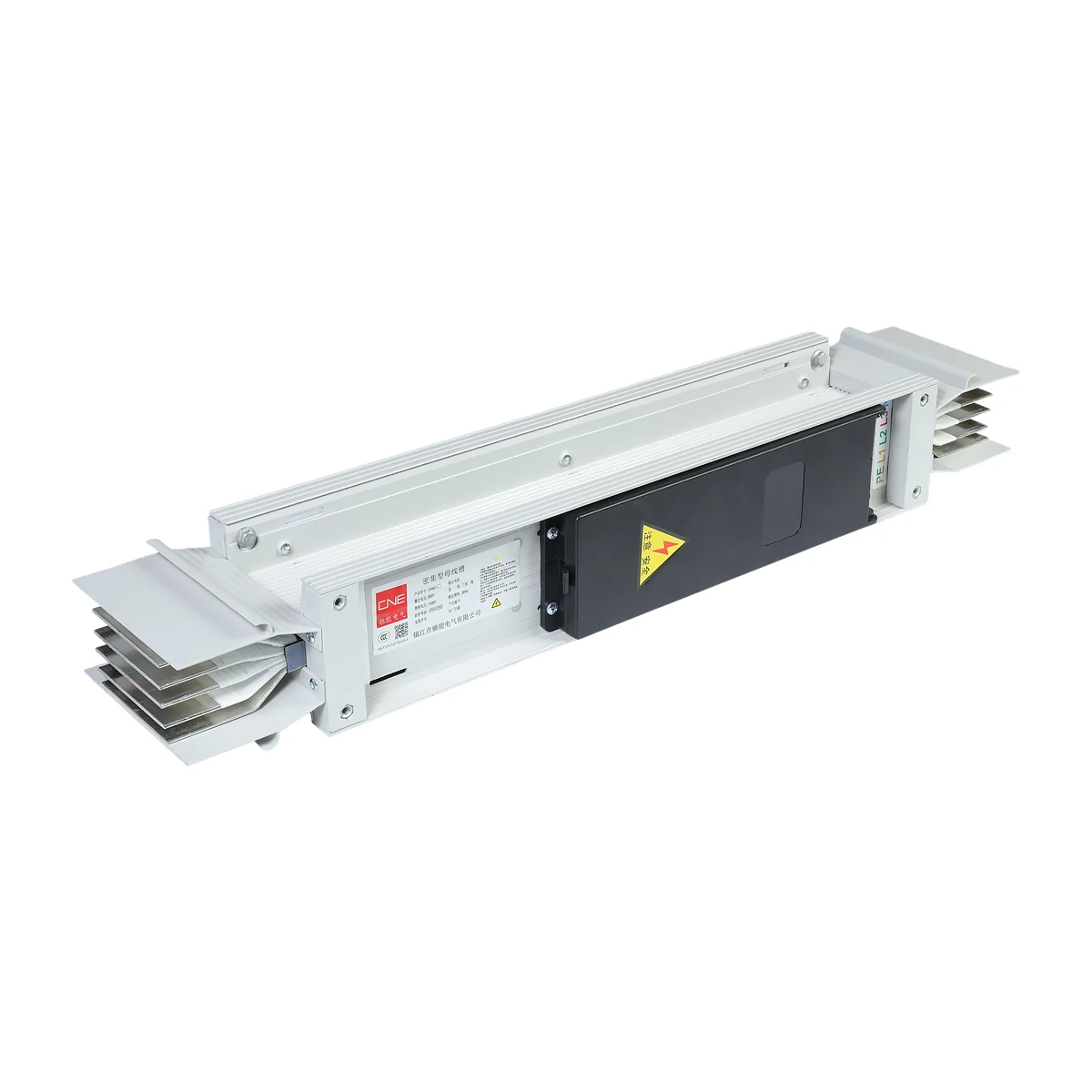
A voltage busway represents a prefabricated, modular power distribution system designed to deliver electrical current safely and efficiently throughout a facility. Unlike traditional cable trays that require extensive on-site installation, a voltage busway integrates conductors, insulation, and protective housings into a unified assembly. This innovative approach to power distribution transforms how facilities manage electrical infrastructure, making voltage busway technology an increasingly popular choice for modern construction and retrofit projects across diverse industries.
Superior Efficiency and Reduced Energy Loss
Optimized Conductor Design
The voltage busway utilizes specially engineered copper or aluminum conductors configured to minimize electrical resistance and heat generation. Traditional cable systems experience significant energy losses due to the inherent resistance in individual conductors bundled together. A voltage busway maintains lower impedance characteristics throughout the power distribution network, ensuring that more electrical energy reaches endpoints with minimal wasteful conversion to heat. This efficiency advantage translates directly into reduced operational costs, particularly in facilities with high continuous power demands or those operating around the clock.
Reduced Fault Currents and Improved Safety
The voltage busway architecture inherently reduces fault current magnitude compared to conventional cable systems, a critical safety consideration in industrial environments. Lower fault currents mean that protective devices operate more effectively and equipment experiences less thermal stress during electrical faults. A voltage busway system maintains consistent spacing and shielding between conductors, preventing unintended arcing and short circuits that plague poorly installed traditional wiring. This design characteristic makes voltage busway technology particularly valuable in facilities where power continuity and personnel safety are paramount concerns.
Simplified Installation and Future Adaptability
Rapid Deployment and Labor Efficiency
Installing a voltage busway requires significantly less time and specialized labor compared to traditional conduit and cable methods. The modular nature of voltage busway systems allows technicians to quickly connect standardized sections together using bolted connections, rather than spending weeks or months routing individual cables through conduit. Facility managers consistently report that voltage busway installation reduces project timelines by forty to sixty percent, allowing faster facility commissioning and revenue generation. The straightforward assembly process also reduces the likelihood of installation errors, ensuring reliable performance immediately after deployment.
Flexible Reconfiguration and Growth
Industrial facilities frequently evolve, with production areas expanding, equipment relocating, and electrical requirements changing dramatically. A voltage busway accommodates these changes with remarkable flexibility through simple plug-and-play tap connections. Rather than rewiring entire sections of a facility when equipment moves or capacity expands, technicians simply install new tap boxes at desired locations along the voltage busway. This adaptability makes voltage busway systems particularly attractive for manufacturing environments, data centers, and facilities experiencing rapid growth, where infrastructure changes are predictable and frequent.
Cost Effectiveness and Long-Term Value
Reduced Material and Installation Costs
The voltage busway achieves dramatic cost reductions through multiple mechanisms, starting with standardized prefabrication that eliminates custom cable assemblies and extensive conduit runs. Material waste drops substantially because a voltage busway arrives pre-configured and ready for installation, whereas traditional systems generate substantial scrap during on-site assembly. Labor expenses decline sharply since voltage busway installation requires fewer hours and less specialized expertise than traditional cable systems. When calculating total cost of ownership, organizations find that a voltage busway typically delivers thirty to fifty percent savings compared to equivalent conventional power distribution infrastructure.
Enhanced System Longevity
The robust design of voltage busway systems extends service life significantly beyond traditional cable installations. Factory-quality construction ensures consistent conductor alignment, insulation integrity, and environmental protection from the outset, eliminating premature failures common in field-assembled systems. Maintenance requirements remain minimal since a voltage busway resists mechanical damage, environmental contamination, and thermal cycling that degrade cable installations over time. Facilities operating voltage busway systems report substantially fewer unplanned outages, making the initial investment return itself through improved reliability and reduced emergency maintenance expenses.
Compliance and Safety Standardization
Regulatory Alignment and Certification
Modern electrical codes increasingly recognize and recommend voltage busway systems for their inherent safety advantages and standardized performance. Factory testing and quality assurance procedures ensure that each voltage busway unit meets rigorous electrical standards before leaving the manufacturing facility. This factory-controlled environment produces more consistent results than field installation, reducing compliance risks and simplifying code official inspections. Organizations can confidently deploy voltage busway technology knowing that systems meet or exceed current electrical standards and will likely continue meeting future code requirements due to the modular, upgradable design philosophy.
Environmental Advantages
The voltage busway generates measurable environmental benefits through reduced energy consumption and minimal material waste during manufacturing and installation. Prefabricated systems require fewer raw materials than cable-based alternatives achieving equivalent capacity, reducing extraction and processing burdens on natural resources. The efficiency characteristics of voltage busway technology translate into reduced operational carbon emissions throughout the facility lifecycle, supporting corporate sustainability initiatives without compromising power distribution reliability or performance.
FAQ
What specific electrical standards govern voltage busway installation?
Modern voltage busway systems comply with IEC 61937, ANSI/UL 857, and other recognized electrical standards that specify safety, performance, and testing requirements. These standards establish stringent testing protocols ensuring that voltage busway products deliver consistent electrical characteristics regardless of manufacturer. Facility engineers should verify that selected voltage busway systems carry appropriate third-party certifications from recognized testing organizations, confirming compliance with applicable codes in their specific regions and industries.
How does voltage busway compare to traditional cable trays regarding maintenance requirements?
A voltage busway typically requires substantially less preventive maintenance than traditional cable systems because factory construction eliminates connection points vulnerable to corrosion or mechanical failure. Periodic visual inspections confirm that voltage busway enclosures remain intact and free from environmental contaminants, but the enclosed design protects internal conductors from most common degradation mechanisms. Facilities report that voltage busway systems require maintenance visits approximately one-third as frequently as traditional cable systems serving equivalent loads and coverage areas.
Can voltage busway systems accommodate different voltage and current ratings?
Yes, voltage busway technology offers extensive customization options including multiple voltage ratings from low to medium voltage applications and current capacities ranging from hundreds to thousands of amperes. Manufacturers design voltage busway systems to specific facility requirements, ensuring that chosen configurations optimize efficiency and safety for particular industrial or commercial applications. Consulting with electrical engineers early in facility planning enables selection of voltage busway configurations that perfectly match current needs while providing capacity headroom for anticipated future growth.