
 EN
EN
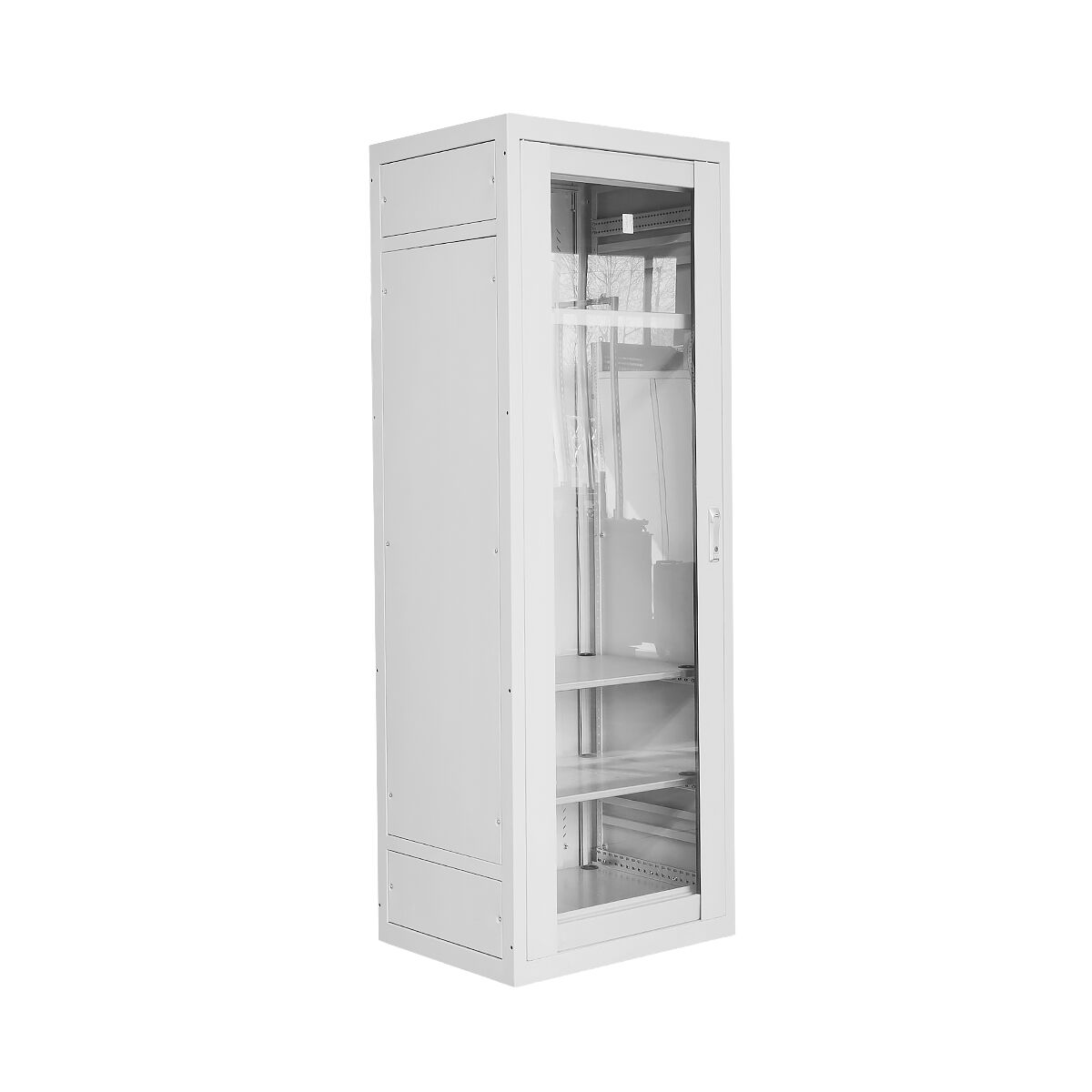
Maintaining a distribution box is essential for ensuring long-term electrical stability in industrial, commercial, and residential settings. A distribution box serves as the nerve center of your electrical system, distributing power from the main supply to various circuits while protecting against overloads and faults. Without proper maintenance, these critical components can deteriorate, leading to power interruptions, safety hazards, and costly equipment failures. Understanding how to maintain your distribution box effectively ensures continuous operation, prevents unexpected downtime, and extends the service life of your entire electrical infrastructure.
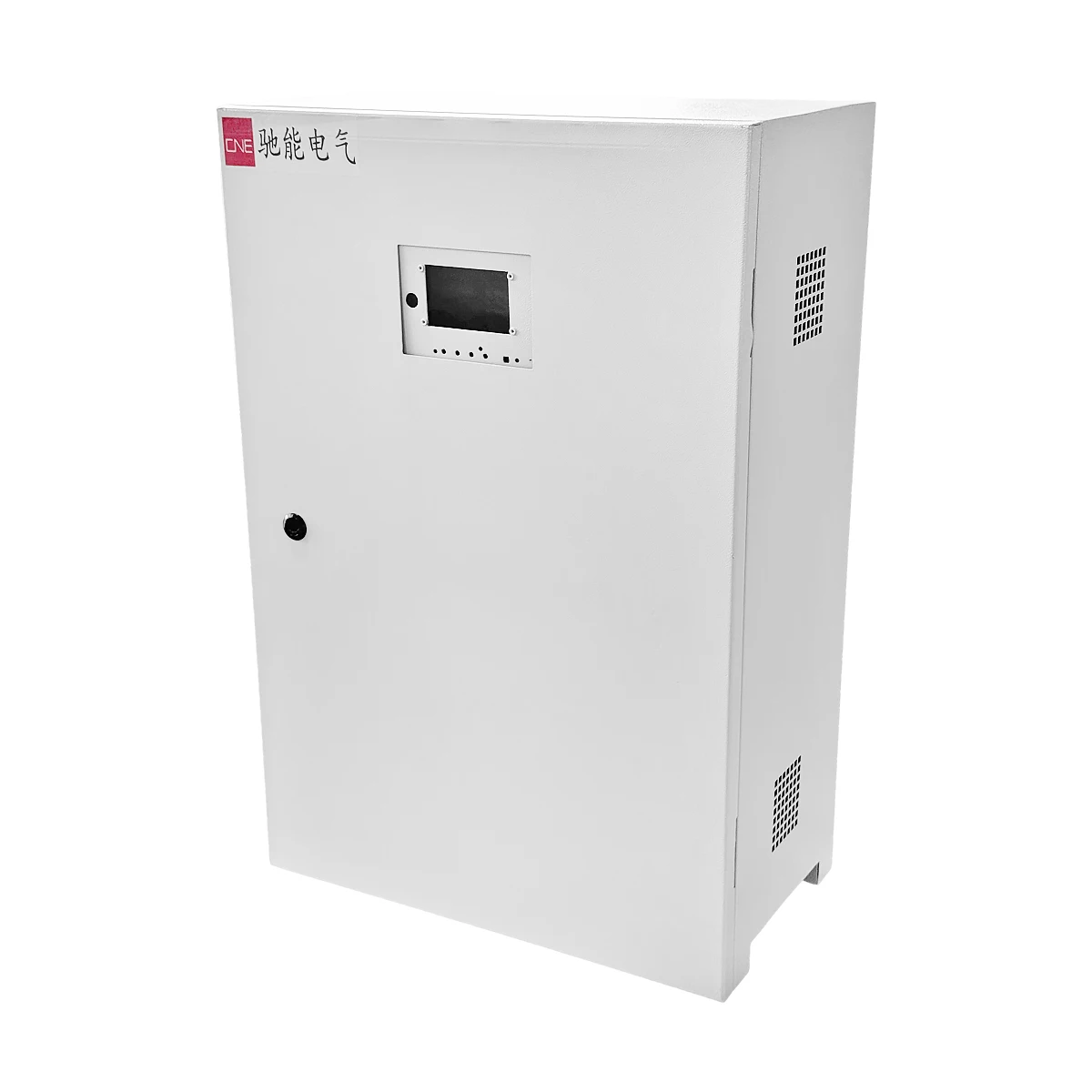
The maintenance process for a distribution box involves systematic inspection, cleaning, testing, and component replacement strategies that address both preventive and corrective needs. Whether you manage a manufacturing facility, office building, or residential complex, implementing a structured maintenance program protects your investment and ensures regulatory compliance. This comprehensive guide explains the specific procedures, timing considerations, and best practices necessary to maintain your distribution box for optimal electrical stability over years of service.
Understanding Distribution Box Maintenance Fundamentals
Core Components Requiring Regular Attention
A distribution box contains several critical components that require different maintenance approaches. The main circuit breakers, branch circuit protection devices, bus bars, neutral bars, grounding connections, and enclosure integrity all contribute to overall system stability. Each component degrades at different rates depending on load conditions, environmental factors, and installation quality. Main breakers experience mechanical wear from switching operations, while bus bars may develop oxidation at connection points. Terminal screws can loosen due to thermal cycling, and insulation materials gradually deteriorate from heat exposure. Understanding these degradation patterns helps prioritize maintenance activities and allocate resources effectively.
The enclosure itself plays a vital protective role that maintenance must address. Ventilation holes prevent heat buildup but can allow dust and contaminants to enter. Viewing windows enable inspection without opening the enclosure but may develop cracks or discoloration. Gaskets and seals maintain environmental protection ratings but compress and harden over time. Door latches and hinges experience mechanical stress during routine access. A comprehensive maintenance program addresses both the electrical components inside the distribution box and the physical enclosure protecting them from environmental factors.
Establishing Maintenance Frequency Standards
Determining the right maintenance frequency depends on multiple operational and environmental factors. High-load applications with frequent switching cycles require more frequent inspection than steady-state operations. Dusty or corrosive environments accelerate component degradation compared to clean, climate-controlled spaces. Industry standards provide baseline recommendations, with most electrical codes suggesting annual inspection for commercial and industrial distribution boxes. However, critical applications may warrant quarterly or even monthly checks, while light-duty residential installations might extend to biennial maintenance cycles. Load monitoring data helps refine these intervals based on actual thermal stress rather than arbitrary time periods.
Environmental conditions significantly influence maintenance scheduling for your distribution box. Coastal installations face accelerated corrosion from salt-laden air, necessitating more frequent inspection of connections and enclosure integrity. Manufacturing environments with metal dust or chemical vapors require enhanced cleaning protocols. High-temperature locations accelerate insulation degradation and connection loosening. Moisture-prone areas demand regular verification of enclosure seals and internal condensation prevention. Seasonal variations also matter, as extreme temperature swings during summer or winter months stress components differently than moderate conditions. Tailoring your maintenance schedule to these specific conditions prevents premature failures and ensures long-term stability.
Safety Protocols Before Maintenance Work
Safety must always precede any maintenance activity on a distribution box. Proper lockout-tagout procedures prevent accidental energization during work. Qualified electricians should verify de-energization using calibrated voltage testers at multiple points rather than relying solely on indicator lights or switch positions. Even after disconnecting main power, capacitive coupling or backfeed from generators or alternative sources can create hazardous voltages. Personal protective equipment including insulated gloves, safety glasses, and arc-rated clothing provides essential protection against unexpected faults. Clear communication protocols ensure all personnel know when distribution box maintenance is underway and which circuits are affected.
Documentation and planning reduce risks during distribution box maintenance. Detailed electrical drawings show circuit relationships and help identify all necessary disconnects. Load schedules indicate which operations will be interrupted and allow coordination with production or facility management. Contingency plans address unexpected discoveries like corroded connections requiring extended repair time. Having replacement parts available prevents prolonged downtime when components fail inspection criteria. Tool preparation ensures electricians have proper insulated instruments, torque wrenches for connection tightening, and testing equipment calibrated to appropriate standards. This thorough preparation transforms potentially disruptive maintenance into a controlled, safe, and efficient process.
Implementing Systematic Inspection Procedures
Visual Inspection Techniques and Warning Signs
Visual inspection forms the foundation of effective distribution box maintenance. During scheduled maintenance, systematically examine all visible components for signs of deterioration, damage, or abnormal conditions. Discoloration around terminals indicates overheating from loose connections or overload conditions. Cracked or brittle insulation suggests thermal stress or age-related degradation. Dust accumulation on bus bars creates insulating layers that trap heat and accelerate component failure. Corrosion on metal surfaces indicates moisture intrusion or chemical exposure. Evidence of arcing, such as carbon tracking or pitting on contact surfaces, reveals serious fault conditions requiring immediate correction. Documenting these observations with photographs creates historical records showing degradation trends over time.
The physical condition of the distribution box enclosure deserves equal attention during visual inspection. Check door alignment and latch operation to ensure proper sealing. Examine gaskets for compression set, cracking, or gaps that compromise environmental protection. Inspect ventilation holes for blockage by dust, debris, or insect nests that restrict airflow and cause overheating. Verify viewing window clarity and check for cracks that might allow moisture or contaminants inside. Look for rust or corrosion on the enclosure itself, particularly around mounting points and cable entry locations. Ensure warning labels remain legible and securely attached. These enclosure conditions directly affect the longevity and reliability of internal electrical components.
Electrical Testing and Measurement Protocols
Electrical testing provides quantitative data about distribution box performance and component condition. Thermographic imaging detects hot spots indicating loose connections, overloaded circuits, or failing components before they cause outages. Infrared cameras should scan bus bars, breaker terminals, and cable connections during normal load conditions to identify temperature anomalies. Resistance measurements of connections verify tight contact and low resistance paths. Insulation resistance testing between circuits and from circuits to ground confirms that insulation maintains adequate dielectric strength. Ground continuity testing ensures protective conductors provide effective fault current paths. Recording these measurements creates baseline data for trending analysis that predicts failures before they occur.
Circuit breaker testing verifies that protective devices will operate correctly during fault conditions. Trip testing confirms that thermal and magnetic elements respond within manufacturer specifications. Contact resistance measurements ensure breakers maintain low-resistance paths when closed. Mechanical operation testing verifies smooth action without binding or excessive force requirements. For electronic breakers with programmable settings, verification of trip curves and ground fault parameters ensures proper coordination with upstream and downstream devices. This testing identifies distribution box components requiring adjustment or replacement before they fail to protect circuits during actual fault events, maintaining system stability and safety.
Connection Integrity Verification and Tightening
Loose connections represent one of the most common causes of distribution box failures and electrical instability. Thermal cycling causes terminal screws to loosen gradually as conductors expand and contract with load variations. During maintenance, systematically check and re-torque all accessible connections to manufacturer specifications. Use calibrated torque wrenches rather than relying on feel or impact tools. Follow proper tightening sequences for bus bar connections to avoid inducing stress concentrations. Inspect wire terminations for proper insertion depth and conductor stranding condition. Check for signs of overheating at connection points, which indicate previous looseness or inadequate contact area. Properly maintained connections minimize voltage drop, reduce heat generation, and prevent the localized hotspots that accelerate component degradation.
Terminal block maintenance requires particular attention in distribution box systems with numerous branch circuits. Verify that all terminal screws compress conductors properly without over-tightening that damages wire strands. Check for proper wire gauge and type for each application. Examine terminal blocks for cracks, discoloration, or deformation indicating thermal stress or mechanical damage. Ensure polarity markings remain visible and accurate. For terminal blocks with bridge connections, verify continuity and tightness across linked positions. Replace any terminal blocks showing signs of deterioration rather than attempting repairs. Clean terminal surfaces before retightening to ensure optimal contact. This detailed attention to connection integrity prevents the high-resistance joints that cause power quality problems and equipment failures.
Cleaning and Environmental Control Methods
Internal Cleaning Procedures for Distribution Boxes
Regular cleaning prevents dust and contaminant accumulation that compromises distribution box performance. De-energize the system completely before beginning internal cleaning procedures. Use dry methods such as vacuum cleaning with non-conductive attachments or compressed air directed away from sensitive components. Avoid petroleum-based solvents that can damage insulation materials. For light dust, soft brushes gently remove particles from surfaces. In heavily contaminated environments, more aggressive cleaning may require removing components for off-site cleaning. Pay special attention to insulating surfaces between different phases and between live parts and ground, as conductive dust paths can cause tracking failures. Clean ventilation louvers and filters to maintain proper airflow and cooling.
Bus bar cleaning requires particular care to maintain conductivity while avoiding damage. Use electrical contact cleaner specifically designed for high-current connections. Remove oxidation from copper bus bars using appropriate abrasive pads that don't leave conductive residues. For aluminum bus bars, use cleaning methods compatible with oxide layer management. After cleaning, apply appropriate contact enhancement compounds that inhibit oxidation while maintaining conductivity. Ensure all cleaning residues are completely removed before re-energizing the distribution box. Document cleaning activities and note any areas requiring more frequent attention due to environmental conditions. This systematic cleaning approach maintains optimal electrical performance and prevents contamination-related failures.
Moisture Management and Condensation Prevention
Moisture represents a significant threat to distribution box longevity and electrical stability. Condensation forms when humid air contacts cool surfaces, particularly during temperature transitions. Install humidity indicators inside enclosures to monitor moisture levels between maintenance visits. Check and maintain enclosure seals, particularly around cable entries and door gaskets. Verify that drain holes function properly and haven't become blocked. In persistently humid environments, consider installing thermostatically controlled heaters that maintain internal temperature slightly above ambient, preventing condensation. Ensure ventilation systems balance heat removal with moisture exclusion, using filtered vents where appropriate. Desiccant packs or breather drains may help in challenging moisture environments.
Water intrusion from external sources requires different management approaches than condensation. Inspect the distribution box installation location for potential water sources including roof leaks, sprinkler systems, or equipment drainage. Verify that outdoor enclosures maintain their NEMA or IP ratings with intact gaskets and properly sealed cable entries. Check for standing water inside bottom sections of enclosures. Ensure that cable entries enter from below or have drip loops preventing water migration into the enclosure. For installations in washdown areas or outdoor locations, upgrade to appropriate environmental ratings rather than attempting to retrofit inadequate enclosures. Effective moisture management preserves insulation integrity and prevents corrosion that compromises long-term electrical stability.
Temperature Control and Ventilation Optimization
Temperature management directly affects distribution box component life and performance. Measure internal temperatures during peak load conditions to verify adequate cooling. Compare readings against component temperature ratings and ambient conditions. If internal temperatures exceed design limits, investigate potential causes including blocked ventilation, inadequate enclosure size, or excessive load. Clean ventilation holes and verify that natural convection paths aren't obstructed. For forced ventilation systems, check fan operation and filter condition. Ensure that external heat sources like direct sunlight or adjacent equipment don't add thermal load. Consider thermal insulation or sun shields for outdoor installations exposed to extreme conditions. Proper temperature control prevents premature insulation failure and extends the service life of all electrical components.
Load balancing across phases helps manage temperature in distribution box systems. Review load measurements periodically and redistribute circuits to minimize imbalance. Unbalanced loads cause excessive neutral current and overheating of particular phase conductors and bus bars. Install thermal monitoring systems that provide continuous temperature data rather than relying solely on periodic manual checks. These systems can alert maintenance personnel to developing problems before component damage occurs. For critical applications, consider redundant cooling systems or oversized thermal capacity that provides margin against unexpected heat loads. This comprehensive approach to thermal management ensures stable operation across varying load and environmental conditions.
Component Replacement and Upgrade Strategies
Circuit Breaker Replacement Criteria and Timing
Circuit breakers within a distribution box don't last indefinitely and require replacement based on specific criteria. Manufacturers specify maximum mechanical operations and fault interruption ratings that define service life. Track operations for critical breakers or replace preventively based on age when operation counts aren't available. Breakers that fail functional testing require immediate replacement. Signs of physical damage, overheating, or arcing also mandate replacement. When replacing breakers, match or exceed original specifications including voltage rating, interrupting capacity, and frame size. Consider upgrading to current-limiting or electronic trip breakers that provide enhanced protection. Ensure replacement breakers maintain coordination with upstream and downstream protective devices. Proper breaker maintenance and timely replacement prevent nuisance trips and ensure reliable circuit protection.
Batch replacement strategies can be cost-effective for distribution box systems with many similar breakers of the same age. Rather than waiting for individual failures, replace entire groups during scheduled maintenance windows. This approach reduces labor costs by consolidating work and minimizes production interruptions. It also allows standardization on current breaker technology with improved features. Document all breaker replacements with model numbers, serial numbers, and installation dates to establish tracking for future maintenance. Keep spare breakers on hand for critical circuits where rapid restoration is essential. This proactive component management approach maintains distribution box reliability and prevents emergency situations that disrupt operations.
Bus Bar and Connection Upgrade Opportunities
Bus bar systems in older distribution boxes may benefit from upgrade during major maintenance activities. Evaluate whether existing bus bar capacity matches current and projected loads. Undersized bus bars operate at elevated temperatures that accelerate degradation. Consider upgrading from aluminum to copper for improved conductivity and reduced maintenance needs. Replace bolted connections with modern compression fittings that maintain tighter contact over time. Install insulating barriers that prevent accidental contact and improve arc flash safety. For systems with corrosion or oxidation problems, replace affected sections rather than attempting cleaning that provides only temporary improvement. These upgrades improve electrical stability and extend distribution box service life significantly.
Connection technology improvements offer opportunities during distribution box maintenance. Replace obsolete terminal blocks with modern designs featuring tool-free operation or push-in connections that maintain contact force better than screw terminals. Upgrade to insulation-displacement connectors for specific applications where they provide advantages. Install terminal block end stops and labels that improve maintainability and reduce connection errors. Consider heat-shrink tubing or insulating caps for exposed connections in dense layouts. These incremental upgrades during routine maintenance gradually modernize the distribution box without requiring complete replacement, improving both performance and safety.
Monitoring System Integration and Smart Upgrades
Modern monitoring technology transforms distribution box maintenance from reactive to predictive. Install current transformers and voltage sensors that provide continuous load monitoring. Add temperature sensors at critical connection points and within the enclosure. Integrate these sensors with building management systems or standalone monitoring platforms. Real-time data enables trending analysis that predicts failures before they occur. Alarm thresholds alert maintenance personnel to abnormal conditions immediately rather than waiting for scheduled inspections. For critical distribution boxes, consider power quality monitoring that tracks harmonics, voltage sags, and other disturbances affecting connected equipment. These smart upgrades improve electrical stability while reducing maintenance costs through condition-based scheduling.
Remote monitoring capabilities enhance distribution box maintenance effectiveness, particularly for multiple facilities or difficult-to-access locations. Cloud-connected monitoring systems aggregate data from numerous installations for centralized analysis. Mobile applications allow maintenance personnel to check distribution box status from anywhere. Automated reporting generates maintenance work orders when parameters exceed thresholds. Historical data analysis identifies patterns and optimizes maintenance intervals. Integration with asset management systems tracks component life cycles and replacement schedules. While requiring initial investment, these technology upgrades provide long-term benefits through improved reliability, reduced downtime, and optimized maintenance resource allocation across the entire electrical distribution infrastructure.
Documentation and Continuous Improvement
Maintenance Record Systems and Tracking
Comprehensive documentation transforms distribution box maintenance from a routine task into a strategic reliability program. Establish standardized forms that record all inspection observations, measurements, and corrective actions. Include date, personnel, conditions found, work performed, and components replaced. Photograph distribution box conditions before and after maintenance to create visual records showing degradation trends. Store records in accessible systems that allow historical review and analysis. Digital systems enable searching across multiple maintenance cycles to identify recurring issues or verify component performance over time. These records provide invaluable information when troubleshooting problems, planning upgrades, or defending maintenance practices during regulatory inspections or insurance reviews.
Trend analysis using historical maintenance data reveals patterns that inform continuous improvement. Graph temperature measurements over time to identify gradual increases indicating developing problems. Track connection resistance values to predict when re-torquing will be needed. Monitor insulation resistance trends to schedule component replacement before failure occurs. Compare actual component life against manufacturer predictions to validate or adjust replacement schedules. Analyze maintenance labor hours to identify opportunities for procedure improvements or training needs. This data-driven approach to distribution box maintenance optimizes resource allocation and maximizes electrical system reliability.
Regulatory Compliance and Standards Adherence
Distribution box maintenance must satisfy regulatory requirements and industry standards. Understand applicable codes including the National Electrical Code, OSHA regulations, and local jurisdiction requirements. Document compliance with inspection frequencies, testing methods, and record retention specified by these authorities. Maintain certifications for personnel performing maintenance work. Ensure that all replacement components meet required listings and standards. Address any code violations discovered during maintenance promptly to avoid citations or liability issues. For insurance purposes, demonstrate adherence to NFPA 70B maintenance recommendations. Regular training keeps maintenance staff current on regulatory changes and best practices. This compliance focus protects organizations legally while ensuring distribution box maintenance meets professional standards.
Arc flash hazard analysis and labeling represent critical safety requirements for distribution box maintenance. Perform calculations or measurements to determine incident energy levels at maintenance locations. Update labels whenever modifications change fault current levels or protective device settings. Train maintenance personnel to understand arc flash boundaries and required personal protective equipment. Implement procedures that minimize arc flash risk during maintenance activities. Document arc flash studies and training in maintenance records. While these requirements may seem administrative, they directly affect worker safety during distribution box maintenance activities and demonstrate organizational commitment to electrical safety.
Developing Facility-Specific Maintenance Procedures
Generic maintenance guidelines require adaptation to specific facility conditions and distribution box configurations. Develop customized procedures that address particular equipment types, environmental challenges, and operational constraints at your location. Include site-specific safety requirements, lockout-tagout procedures, and communication protocols. Create checklists tailored to your distribution box models that ensure consistent inspection coverage. Define clear criteria for pass-fail decisions on component condition. Establish approval processes for deviations from standard maintenance intervals. Document lessons learned from previous maintenance activities and incorporate improvements into procedures. These facility-specific procedures ensure maintenance effectiveness while accommodating unique operational requirements.
Continuous improvement processes refine distribution box maintenance over time. Schedule regular reviews of maintenance procedures with technicians who perform the work. Solicit feedback on procedure clarity, tool adequacy, and time estimates. Benchmark against industry best practices and other facilities. Investigate failures to identify root causes and prevent recurrence. Track key performance indicators including mean time between failures, maintenance duration, and cost per unit. Use this information to justify investments in upgraded components, monitoring systems, or training programs. This commitment to continuous improvement ensures that distribution box maintenance evolves with changing technology and organizational needs, maintaining long-term electrical stability efficiently.
FAQ
How often should a distribution box be professionally inspected?
Professional inspection frequency for a distribution box depends on application criticality, load characteristics, and environmental conditions. Most commercial and industrial installations benefit from annual comprehensive inspection by qualified electricians, including thermographic scanning, connection torquing, and electrical testing. Critical facilities supporting essential operations or safety systems should consider quarterly or semi-annual inspection. High-load applications with frequent switching cycles require more frequent attention than steady-state loads. Harsh environments with dust, moisture, or corrosive contaminants warrant increased inspection frequency. Light-duty residential distribution boxes may extend to biennial inspection in clean, moderate environments. Continuous monitoring systems can help extend manual inspection intervals by providing early warning of developing problems between scheduled maintenance visits.
What are the most common causes of distribution box failures?
The most common distribution box failures result from loose connections causing high-resistance joints that overheat and eventually fail catastrophically. Thermal cycling from load variations gradually loosens terminal screws despite proper initial installation. Dust and contaminant accumulation creates insulating layers that trap heat and promote component degradation. Moisture intrusion from condensation or external water sources causes corrosion and insulation breakdown. Overloading beyond design capacity elevates operating temperatures and accelerates component aging. Inadequate ventilation traps heat inside enclosures, creating thermal stress. Component age-related degradation eventually affects circuit breakers, insulation materials, and mechanical parts. Environmental factors including vibration, temperature extremes, and chemical exposure also contribute to failures. Systematic maintenance addressing these common causes prevents most distribution box failures and ensures long-term electrical stability.
Can distribution box maintenance be performed without complete power shutdown?
Limited distribution box maintenance activities can be performed on energized equipment using appropriate safety procedures and qualified personnel, but complete maintenance requires de-energization. Thermographic scanning, visual inspection through viewing windows, and monitoring system data review can occur while energized. However, thorough internal inspection, connection torquing, cleaning, and component replacement require complete de-energization following proper lockout-tagout procedures. Attempting maintenance on energized distribution boxes creates severe arc flash and shock hazards that risk personnel injury or death. Some facilities use bypass switching or temporary power supplies to maintain critical operations during distribution box maintenance, but the work area itself must be de-energized. The minor inconvenience of planned shutdowns far outweighs the risks of energized work or the consequences of equipment failures from deferred maintenance.
What training should maintenance personnel have for distribution box work?
Maintenance personnel working on distribution boxes require comprehensive electrical training including theory fundamentals, safety procedures, and hands-on experience with specific equipment types. Formal electrical apprenticeship programs or equivalent technical education provide foundational knowledge. NFPA 70E electrical safety training covering shock and arc flash hazards is essential, with refresher courses at least every three years. Manufacturer-specific training on particular distribution box models and components ensures proper maintenance procedures. Thermography certification enables effective infrared inspection. Lockout-tagout training prevents accidental energization during maintenance. First aid and CPR certification prepares personnel for emergency response. Ongoing professional development keeps technicians current on code changes, new technologies, and best practices. Organizations should verify personnel qualifications through certification programs and maintain training records demonstrating competency for distribution box maintenance responsibilities.