
 EN
EN
Selecting the appropriate material for an insulating sleeve is a critical decision that directly impacts the safety, performance, and longevity of electrical systems. In industrial and commercial applications, insulating sleeves serve as protective barriers that prevent electrical shorts, reduce the risk of arcing, and ensure compliance with safety standards. The material choice influences thermal resistance, dielectric strength, mechanical durability, and environmental adaptability. Engineers and procurement professionals must evaluate multiple factors including operating temperature ranges, voltage requirements, chemical exposure, and installation conditions to make informed decisions that align with both technical specifications and long-term operational goals.
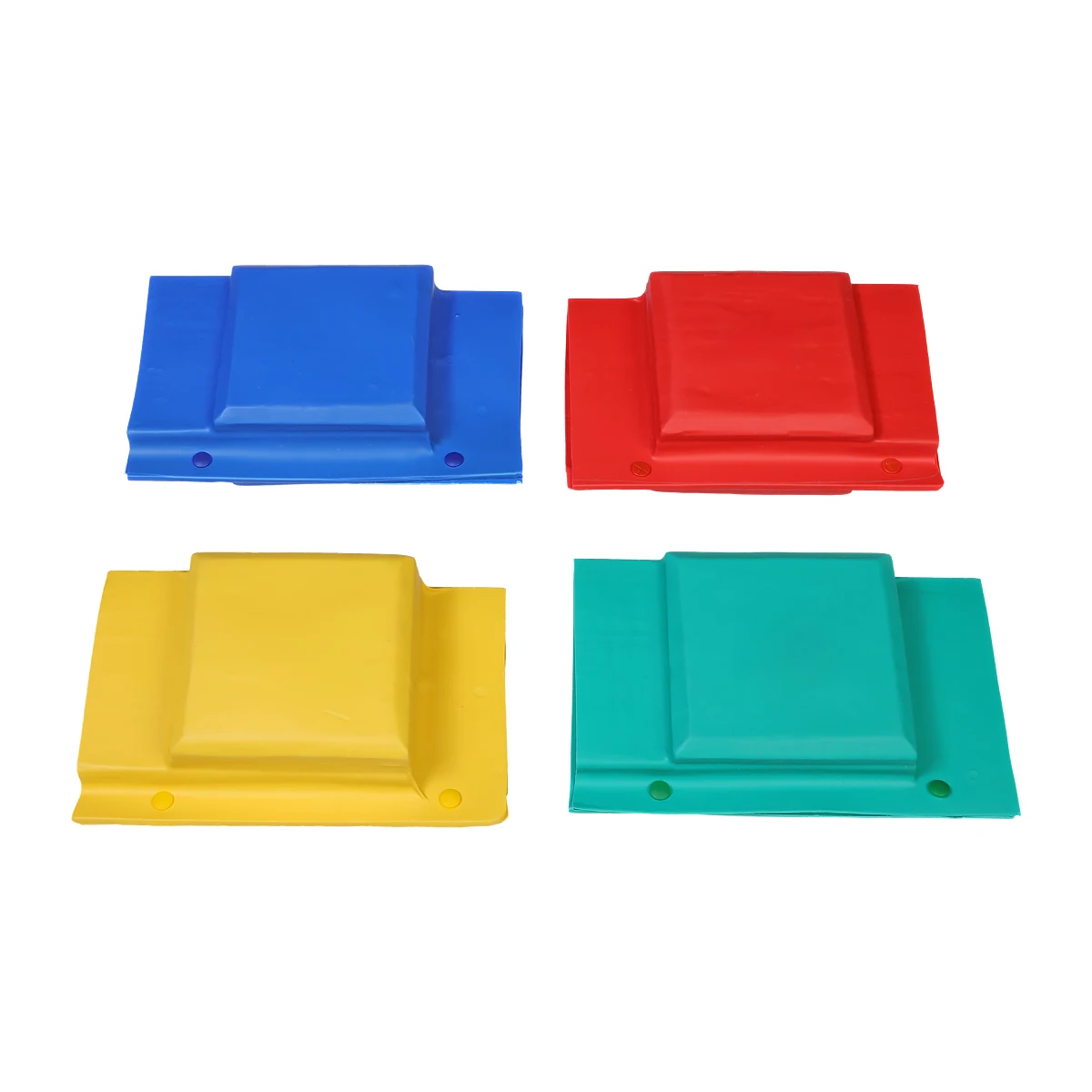
Understanding the fundamental properties of different insulating sleeve materials enables better alignment between application requirements and product capabilities. Each material category offers distinct advantages and limitations that become evident only when matched against specific operational contexts. Whether the application involves high-voltage switchgear, busbar systems, transformer connections, or motor terminations, the material selection process must account for electrical, thermal, mechanical, and environmental performance criteria. This comprehensive guide examines the key considerations, material options, and decision-making frameworks that professionals should employ when choosing the right material for an insulating sleeve to ensure optimal protection and system reliability.
Understanding Core Performance Requirements for Insulating Sleeve Materials
Electrical Insulation Properties and Dielectric Strength
The primary function of any insulating sleeve is to provide reliable electrical isolation between conductive components and surrounding elements. Dielectric strength, measured in kilovolts per millimeter, represents the material's ability to withstand electrical stress without breakdown. Different applications demand varying levels of dielectric performance based on system voltage, safety margins, and regulatory requirements. For low-voltage applications below 1kV, materials with moderate dielectric strength may suffice, while medium and high-voltage systems require materials capable of withstanding significantly higher electrical fields without degradation or partial discharge.
When evaluating insulating sleeve materials for electrical performance, consider not only the initial dielectric strength but also how this property changes over time under continuous electrical stress, temperature cycling, and environmental exposure. Some materials exhibit excellent short-term dielectric performance but experience accelerated aging when subjected to sustained voltage stress or elevated temperatures. Volume resistivity and surface resistivity are additional electrical parameters that influence leakage currents and contamination sensitivity. Materials with higher resistivity values provide better insulation performance and reduce the risk of tracking or surface flashover in contaminated environments.
Temperature Resistance and Thermal Stability
Operating temperature represents one of the most critical selection criteria for insulating sleeve materials. Electrical equipment generates heat during normal operation, and the insulating sleeve must maintain its protective properties across the entire temperature range encountered during service. Material temperature ratings typically specify both continuous operating temperature and short-term overload temperature limits. Understanding the actual temperature profile of the application, including both steady-state conditions and transient thermal events, is essential for proper material selection and system reliability.
Different insulating sleeve materials offer vastly different temperature capabilities. Standard polyvinyl chloride materials generally perform well up to 105°C, while cross-linked polyolefin materials can handle temperatures up to 135°C. For more demanding applications, silicone rubber insulating sleeves maintain flexibility and insulation properties from minus 60°C to 200°C or higher. Fluoropolymer materials provide exceptional temperature resistance up to 260°C while maintaining excellent electrical properties. The selection must account not only for maximum temperature but also for thermal cycling effects, which can cause material degradation, cracking, or loss of mechanical integrity over time in materials not designed for such conditions.
Mechanical Durability and Physical Protection
Beyond electrical and thermal performance, insulating sleeve materials must provide adequate mechanical protection against physical damage, abrasion, and installation stresses. Tensile strength, elongation at break, tear resistance, and flexibility determine how well the material withstands handling during installation and maintains integrity throughout its service life. Applications involving frequent maintenance access, vibration, or mechanical stress require materials with superior toughness and resilience compared to static installations with minimal physical interaction.
The mechanical properties of insulating sleeve materials often vary significantly with temperature. Materials that exhibit excellent flexibility at room temperature may become brittle at low temperatures or excessively soft at elevated temperatures. For applications involving thermal cycling or wide ambient temperature variations, the material must maintain adequate mechanical properties across the entire temperature range. Heat-shrinkable insulating sleeves offer the advantage of conforming tightly to irregular geometries, providing enhanced mechanical protection and environmental sealing compared to slide-on alternatives, but the selection of the base polymer remains critical to achieving the desired performance balance.
Evaluating Material Categories for Insulating Sleeve Applications
Polyolefin-Based Insulating Sleeves
Polyolefin materials, including polyethylene and cross-linked polyolefin compounds, represent the most widely used category for heat-shrinkable insulating sleeves. These materials offer an excellent balance of electrical insulation properties, mechanical strength, chemical resistance, and cost-effectiveness for general-purpose applications. Cross-linking the polymer structure through radiation or chemical processes significantly enhances thermal stability, allowing these materials to maintain their shape and properties at elevated temperatures while retaining the heat-shrink functionality that enables easy installation over complex geometries.
When selecting polyolefin-based insulating sleeves, consider the degree of cross-linking and the specific formulation, as these factors influence performance characteristics. Highly cross-linked materials offer better high-temperature performance and dimensional stability but may exhibit reduced flexibility at low temperatures. Additives such as flame retardants, UV stabilizers, and colorants can be incorporated to enhance specific properties, but these additions may affect other performance aspects. Polyolefin insulating sleeves typically perform well in applications with operating temperatures up to 135°C and voltage levels up to medium voltage ranges, making them suitable for busbar systems, cable terminations, and general electrical component protection.
Silicone Rubber and Elastomeric Materials
Silicone rubber insulating sleeves provide superior performance in applications requiring exceptional temperature range, flexibility, and environmental resistance. Unlike thermoplastic materials, silicone maintains rubber-like properties across a temperature range from minus 60°C to 200°C or higher, making it ideal for applications exposed to extreme temperature variations or continuous high-temperature operation. The material's inherent flexibility facilitates installation over irregular shapes and allows for thermal expansion without mechanical stress concentration.
The electrical properties of silicone insulating sleeves remain stable across wide temperature ranges, and the material exhibits excellent resistance to ozone, UV radiation, moisture, and many chemicals. These characteristics make silicone particularly suitable for outdoor applications, harsh industrial environments, and situations where long-term reliability is paramount. However, silicone materials generally offer lower mechanical strength and abrasion resistance compared to polyolefin alternatives, requiring careful evaluation of the mechanical stress environment. For high-voltage applications or situations involving significant mechanical loads, reinforced silicone formulations or hybrid designs may be necessary to achieve the required performance balance.
Fluoropolymer High-Performance Solutions
Fluoropolymer materials, including polytetrafluoroethylene, fluorinated ethylene propylene, and perfluoroalkoxy polymers, represent the premium category for insulating sleeve applications demanding exceptional chemical resistance, high-temperature capability, and outstanding electrical properties. These materials maintain stable performance at temperatures up to 260°C while exhibiting virtually universal chemical resistance, making them essential for specialized applications in chemical processing, aerospace, and advanced manufacturing environments where conventional materials would degrade rapidly.
The selection of fluoropolymer insulating sleeves is typically driven by extreme application requirements that justify the higher material cost. These materials offer the lowest dielectric constant and dissipation factor among common insulating sleeve options, resulting in minimal signal loss in high-frequency applications. The non-stick surface properties prevent contamination buildup and facilitate cleaning in sanitary or precision manufacturing environments. However, fluoropolymers generally exhibit lower mechanical strength compared to cross-linked polyolefins and may require greater wall thickness or reinforcement to achieve equivalent mechanical protection. The decision to specify fluoropolymer insulating sleeves should be based on specific application requirements that cannot be met by more economical alternatives.
Matching Material Selection to Application-Specific Requirements
Voltage Class and Electrical System Configuration
The voltage level of the electrical system fundamentally influences insulating sleeve material selection by establishing minimum dielectric strength requirements and safety margins. Low-voltage applications below 1kV generally provide flexibility in material choice, allowing selection based primarily on thermal, mechanical, and environmental factors. Medium-voltage systems from 1kV to 36kV require materials with higher dielectric strength and often mandate specific testing certifications to verify performance under rated voltage conditions, including wet testing and contamination testing protocols.
System configuration also affects material selection through factors such as phase spacing, grounding arrangements, and potential exposure to transient overvoltages. Three-phase busbar systems with close conductor spacing may benefit from insulating sleeve materials with superior tracking resistance to prevent phase-to-phase faults in contaminated environments. Grounded systems versus ungrounded or high-resistance grounded systems present different insulation stress profiles that influence material requirements. Applications subject to frequent switching transients, lightning exposure, or capacitive coupling effects require insulating sleeve materials with enhanced dielectric strength margins and resistance to partial discharge inception.
Environmental and Operating Conditions
The operating environment exerts profound influence on insulating sleeve material performance and service life. Indoor controlled environments with stable temperature and humidity present the least demanding conditions, allowing broader material selection based primarily on electrical and thermal requirements. Outdoor installations must contend with UV radiation, moisture, temperature extremes, and potential contamination from airborne pollutants, requiring materials with enhanced weathering resistance and environmental sealing capabilities. Coastal or industrial environments with salt spray, chemical vapors, or corrosive atmospheres demand materials with specific chemical resistance properties.
Temperature cycling frequency and magnitude significantly impact material degradation rates. Applications experiencing frequent thermal cycling, such as equipment with intermittent operation or high load variation, accelerate fatigue mechanisms in insulating sleeve materials. The coefficient of thermal expansion mismatch between the insulating sleeve and the underlying conductor can generate mechanical stress during thermal cycling, potentially leading to cracking or delamination in materials lacking adequate flexibility or expansion accommodation. Humidity and moisture exposure affect both electrical and mechanical properties of some insulating sleeve materials, with hygroscopic materials exhibiting reduced dielectric strength and dimensional changes when exposed to high humidity environments.
Installation Constraints and Maintenance Accessibility
Practical installation considerations often influence insulating sleeve material selection as significantly as technical performance requirements. Heat-shrinkable insulating sleeves require adequate clearance for heat application equipment and sufficient working space for technicians to apply uniform heating. The shrink ratio and recovery characteristics of different materials affect how easily they can be installed over connectors, joints, or irregular geometries. Materials with higher shrink ratios provide greater dimensional flexibility but may require more careful installation control to achieve proper fit without excessive thinning or mechanical stress.
Maintenance accessibility and replacement frequency considerations may favor materials with longer expected service life even at higher initial cost. Applications where insulating sleeve replacement requires extensive system downtime or complex disassembly procedures benefit from premium materials with enhanced durability and aging resistance. Conversely, easily accessible installations where periodic inspection and replacement are straightforward may justify more economical material choices with shorter expected life. The availability of field repair materials and compatibility with existing insulation systems also influence practical material selection, particularly in retrofit or expansion projects where maintaining system consistency is desirable.
Implementing a Systematic Selection Methodology
Establishing Performance Specifications and Acceptance Criteria
A structured approach to insulating sleeve material selection begins with clearly defining performance specifications based on application analysis. Document all relevant electrical parameters including system voltage, fault current levels, and any high-frequency or transient conditions that may impose additional stress. Specify the complete operating temperature range including both continuous and transient conditions, and identify any thermal cycling patterns that could accelerate aging. List all environmental exposures including chemicals, UV radiation, moisture, and contamination sources that the material must withstand throughout its intended service life.
Establish quantitative acceptance criteria for critical properties rather than relying solely on qualitative assessments. For example, specify minimum dielectric strength values at operating temperature, minimum elongation at break after thermal aging, and maximum dimensional change after environmental exposure. Include relevant industry standards and certification requirements such as UL recognition, IEC compliance, or specific utility specifications that govern material acceptance. This systematic documentation creates an objective basis for comparing candidate materials and communicating requirements to suppliers, while also providing a framework for quality verification and incoming inspection procedures.
Conducting Material Comparison and Testing Validation
With specifications established, systematically evaluate candidate insulating sleeve materials against the defined criteria. Request detailed technical data sheets from potential suppliers and verify that published properties address all critical performance parameters. Be aware that data sheet values typically represent controlled laboratory conditions and may not fully reflect performance under actual application stresses. When available, review independent test reports or case studies documenting material performance in similar applications to gain insight into real-world behavior.
For critical applications or when introducing new materials, conduct validation testing under conditions that simulate actual service requirements. Accelerated aging tests combining elevated temperature, voltage stress, and environmental exposure can reveal potential failure mechanisms that might not be apparent from standard data sheet properties. Mechanical testing after environmental conditioning verifies that the material maintains adequate toughness and flexibility throughout its expected life. Thermal cycling tests assess dimensional stability and verify that the insulating sleeve maintains intimate contact with the conductor through repeated expansion and contraction. The investment in application-specific testing often proves worthwhile by preventing premature failures and ensuring long-term system reliability.
Evaluating Total Cost of Ownership Beyond Initial Price
Material selection decisions should be based on total cost of ownership rather than simply initial purchase price. Premium insulating sleeve materials with higher unit costs may deliver substantially lower lifecycle costs through extended service life, reduced maintenance requirements, and decreased failure risk. Calculate expected replacement frequency based on material aging characteristics and compare the present value of multiple replacements of economical materials against the cost of a single installation of a longer-lived premium option. Include the cost of system downtime, labor for replacement, and any associated testing or recommissioning expenses in the analysis.
Consider the risk cost associated with insulation failure, including potential equipment damage, safety incidents, and unplanned outages. In critical applications where failure consequences are severe, the incremental cost of higher-performance insulating sleeve materials represents an economical insurance against these risks. Energy efficiency implications should also be factored into the evaluation, as materials with lower dielectric losses may reduce heating and improve overall system efficiency in high-current applications. Finally, assess supplier reliability, technical support capabilities, and material availability to ensure that the selected material can be consistently sourced and supported throughout the equipment lifecycle.
FAQ
What is the most important factor when choosing insulating sleeve material?
The most important factor depends on your specific application, but electrical insulation properties and operating temperature typically form the foundation of material selection. The insulating sleeve must provide adequate dielectric strength for your system voltage with appropriate safety margins, while simultaneously maintaining structural and electrical integrity across the full operating temperature range. However, a comprehensive selection process must also consider environmental exposure, mechanical requirements, and installation constraints. No single factor should dominate the decision without evaluating how all performance aspects interact in your specific application context. The best approach is to systematically assess all critical requirements and select the material that provides the optimal balance for your particular conditions.
Can I use the same insulating sleeve material for both indoor and outdoor applications?
While some insulating sleeve materials perform adequately in both indoor and outdoor environments, outdoor applications typically require enhanced weathering resistance, UV stability, and moisture protection that may not be necessary for indoor installations. Materials formulated specifically for outdoor use incorporate additives that resist UV degradation, maintain flexibility through temperature extremes, and provide better resistance to environmental contamination. Using indoor-rated materials outdoors often results in premature degradation, cracking, and loss of insulation integrity. Conversely, specifying outdoor-rated materials for indoor applications is generally acceptable and may provide enhanced durability, though at potentially higher cost. Always verify that the material carries appropriate ratings and certifications for your intended installation environment.
How does insulating sleeve thickness affect material selection?
Insulating sleeve thickness directly influences both electrical insulation capability and mechanical protection, creating an important interaction with material selection. Thicker walls provide higher breakdown voltage and greater mechanical durability, potentially allowing the use of materials with somewhat lower dielectric strength or toughness. However, excessive thickness can create installation challenges, reduce flexibility, and increase thermal resistance that impedes heat dissipation from the conductor. Material selection and thickness specification should be optimized together, with higher-performance materials sometimes enabling reduced wall thickness while maintaining equivalent protection. The optimal combination depends on voltage requirements, available installation space, thermal management needs, and mechanical protection requirements. Consult relevant standards and supplier technical guidance to determine appropriate thickness for your selected material and application voltage.
Are heat-shrink insulating sleeves always better than slide-on alternatives?
Heat-shrinkable insulating sleeves offer significant advantages in conformability, environmental sealing, and mechanical security, but they are not universally superior to slide-on alternatives in every application. Heat-shrink materials conform tightly to irregular shapes, providing consistent electrical clearances and effective moisture barriers, which makes them ideal for permanent installations and complex geometries. However, they require heat application during installation, which may be impractical in confined spaces or near heat-sensitive components, and they cannot be easily removed for inspection or replacement. Slide-on insulating sleeves provide simpler installation without heat guns, allow for easier removal and reinstallation during maintenance, and may be preferable for temporary installations or applications requiring frequent access. The choice between heat-shrink and slide-on designs should be based on installation environment, permanence requirements, and maintenance considerations rather than a blanket assumption that one technology is always superior.
Table of Contents
- Understanding Core Performance Requirements for Insulating Sleeve Materials
- Evaluating Material Categories for Insulating Sleeve Applications
- Matching Material Selection to Application-Specific Requirements
- Implementing a Systematic Selection Methodology
-
FAQ
- What is the most important factor when choosing insulating sleeve material?
- Can I use the same insulating sleeve material for both indoor and outdoor applications?
- How does insulating sleeve thickness affect material selection?
- Are heat-shrink insulating sleeves always better than slide-on alternatives?