
 EN
EN
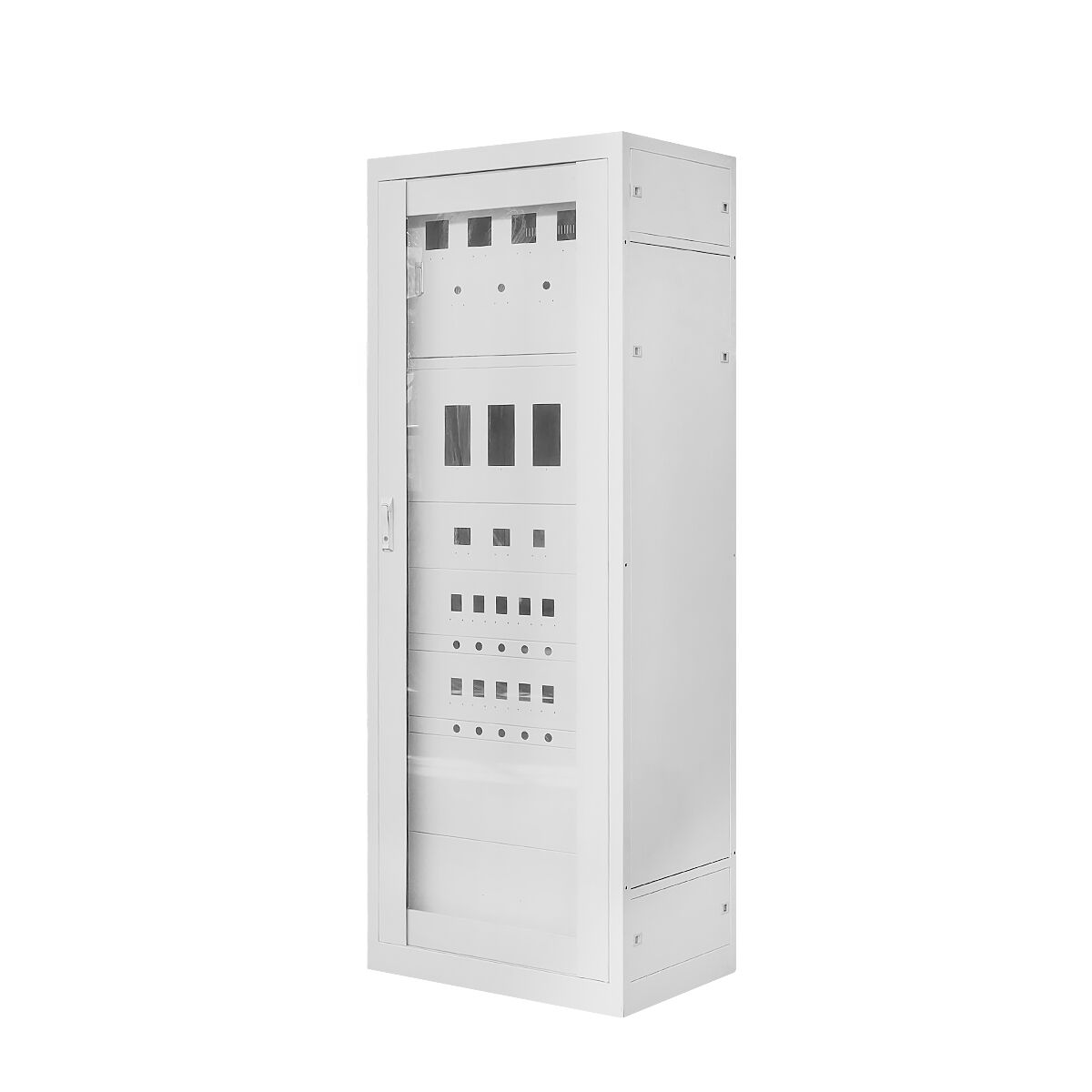
বিতরণ বোর্ডের আবদ্ধকগুলি বৈদ্যুতিক বিতরণ সিস্টেমের রক্ষাকারী আবরণ হিসেবে কাজ করে, যা পরিবেশগত ঝুঁকি, যান্ত্রিক ক্ষতি এবং অননুমোদিত প্রবেশ থেকে গুরুত্বপূর্ণ উপাদানগুলিকে রক্ষা করে। এই আবদ্ধকগুলির জন্য উপাদান নির্বাচন সরাসরি এদের টেকসইতা, নিরাপত্তা পারফরম্যান্স এবং নির্দিষ্ট ইনস্টলেশন পরিবেশের জন্য উপযুক্ততা প্রভাবিত করে। বিতরণ বোর্ডের আবদ্ধকগুলিতে ব্যবহৃত বিভিন্ন উপাদানের বৈশিষ্ট্য বোঝা সুবিধা পরিচালকদের, বৈদ্যুতিক ঠিকাদারদের এবং শিল্প প্রকৌশলীদের সুরক্ষা প্রয়োজনীয়তা, নিয়ন্ত্রক অনুসরণ এবং দীর্ঘমেয়াদী কার্যক্রম খরচের মধ্যে ভারসাম্য রেখে সঠিক সিদ্ধান্ত গ্রহণ করতে সাহায্য করে। সর্বোত্তম উপাদান নির্বাচন নির্ভর করে ইনস্টলেশনের অবস্থান, পরিবেশগত অবস্থা, লোড ক্ষমতা প্রয়োজনীয়তা এবং রক্ষিত বিতরণ সিস্টেমের নির্দিষ্ট বৈদ্যুতিক রেটিং-এর উপর।
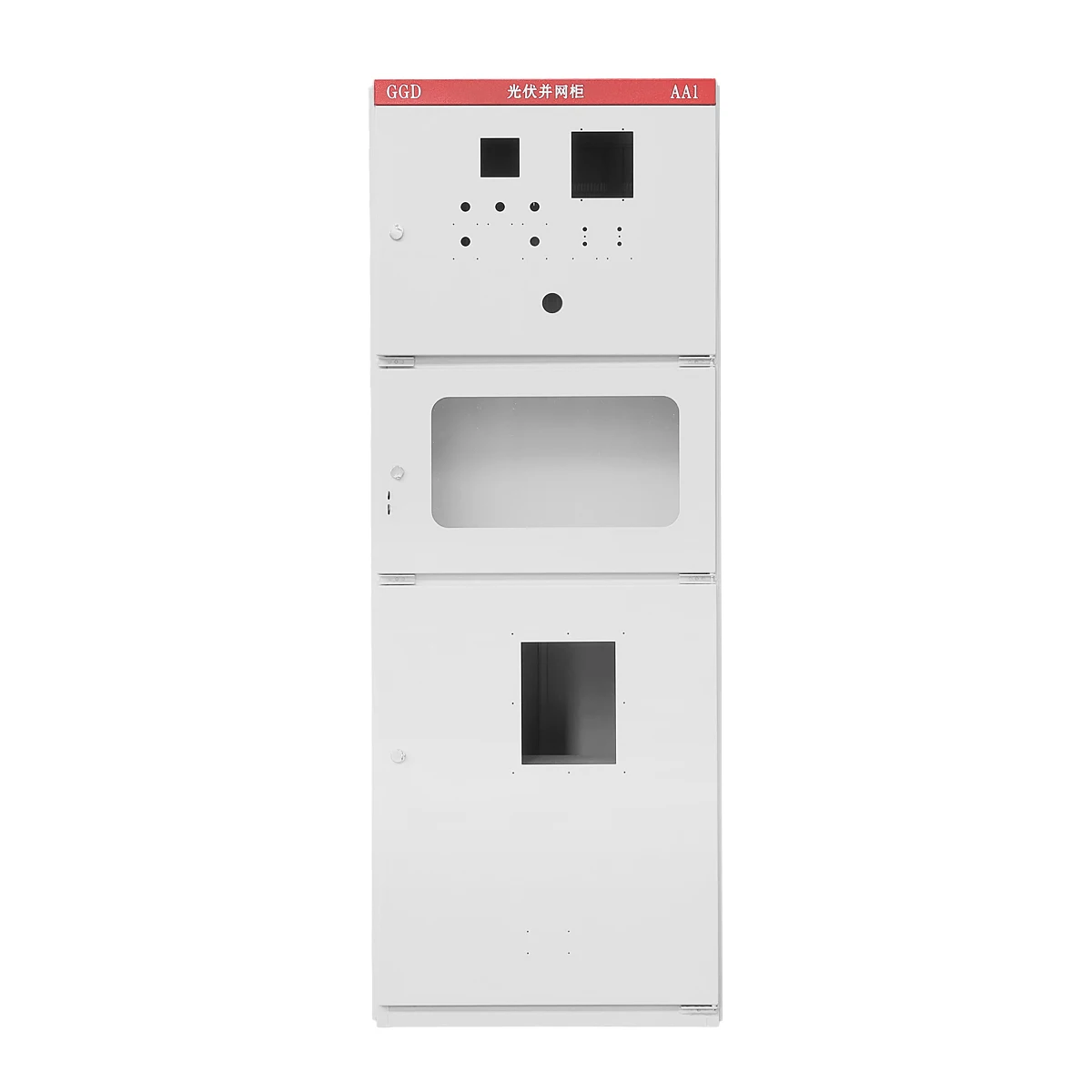
আধুনিক উৎপাদন প্রযুক্তির বিকাশের ফলে ডিস্ট্রিবিউশন বোর্ড এনক্লোজারগুলির জন্য উপলব্ধ উপকরণের পরিসর বৃদ্ধি পেয়েছে, যার প্রত্যেকটিরই শক্তি, ক্ষয় প্রতিরোধ ক্ষমতা, তাপীয় ব্যবস্থাপনা এবং খরচ-কার্যকারিতা সংক্রান্ত বিভিন্ন সুবিধা রয়েছে। যেখানে শক্তিশালী যান্ত্রিক সুরক্ষা অত্যন্ত গুরুত্বপূর্ণ, সেখানে ইস্পাত-ভিত্তিক সমাধানগুলি শিল্প প্রয়োগে প্রাধান্য পায়, অন্যদিকে যেসব পরিবেশে ক্ষয় প্রতিরোধ ও বৈদ্যুতিক অন্তরণ বৈশিষ্ট্যগুলি প্রাধান্য পায়, সেখানে অ-ধাতব বিকল্পগুলি ক্রমশ জনপ্রিয়তা লাভ করছে। কোনও নির্দিষ্ট প্রয়োগের জন্য সর্বোত্তম উপকরণ নির্বাচন করা হয় অপারেশনাল প্রয়োজনীয়তা, পরিবেশগত প্রকাশ, রক্ষণাবেক্ষণের সুবিধা এবং IEC 61439 ও UL 50 এর মতো আন্তর্জাতিক নিরাপত্তা মানদণ্ড মেনে চলার বিষয়গুলি যত্নসহকারে মূল্যায়ন করে। এই ব্যাপক বিশ্লেষণে ডিস্ট্রিবিউশন বোর্ড এনক্লোজারগুলিতে ব্যবহৃত প্রধান উপকরণগুলির বিষয়ে আলোচনা করা হয়েছে, যার মধ্যে এদের গঠন, কার্যকারিতা বৈশিষ্ট্য এবং আদর্শ প্রয়োগ পরিস্থিতিগুলি বিশদভাবে পরীক্ষা করা হয়েছে, যাতে পেশাদাররা তাদের বৈদ্যুতিক অবকাঠামোর প্রয়োজনীয়তা অনুযায়ী সবচেয়ে উপযুক্ত সমাধান নির্বাচন করতে পারেন।
ইস্পাত-ভিত্তিক বিতরণ বোর্ড এনক্লোজার উপকরণ
শীতল-রোলড ইস্পাতের বৈশিষ্ট্য ও প্রয়োগ
বাণিজ্যিক ও শিল্প ক্ষেত্রে বিতরণ বোর্ড এনক্লোজারের জন্য শীতল-রোলড ইস্পাত হল সবচেয়ে ব্যাপকভাবে ব্যবহৃত উপকরণগুলির মধ্যে একটি। এই উপকরণটি ঘরের তাপমাত্রায় প্রক্রিয়াজাত হয়, যার ফলে এর পৃষ্ঠের সমাপ্তি, আকারের নির্ভুলতা এবং যান্ত্রিক বৈশিষ্ট্যগুলি গরম-রোলড বিকল্পগুলির তুলনায় উন্নত হয়। উৎপাদন প্রক্রিয়াটি একটি কঠিন, শক্তিশালী উপকরণ তৈরি করে যার সমতলতা উৎকৃষ্ট, যা বিতরণ বোর্ড এনক্লোজারের নির্ভুল তৈরির জন্য আদর্শ—যেখানে প্যানেলগুলির সামঞ্জস্য এবং মাউন্টিংয়ের নির্ভুলতা অত্যাবশ্যক। এনক্লোজার প্রয়োগের জন্য শীতল-রোলড ইস্পাতের পুরুত্ব সাধারণত ১.২ মিমি থেকে ৩.০ মিমি পর্যন্ত হয়, যেখানে নির্দিষ্ট গেজটি ইনস্টলেশনের আকার এবং প্রয়োজনীয় যান্ত্রিক সুরক্ষার মাত্রা অনুযায়ী নির্বাচন করা হয়।
ডিস্ট্রিবিউশন বোর্ডের এনক্লোজারগুলিতে কোল্ড-রোলড স্টিলের প্রাথমিক সুবিধা হলো এর চমৎকার শক্তি-থেকে-ওজন অনুপাত এবং বৃহৎ স্কেলের ইনস্টলেশনের জন্য খরচ-কার্যকরীতা। এই উপাদানটি ভৌত আঘাতের বিরুদ্ধে দৃঢ় সুরক্ষা প্রদান করে, যা শিল্প পরিবেশের জন্য বিশেষভাবে উপযুক্ত—যেখানে সরঞ্জামগুলি ফর্কলিফট, কার্ট বা অন্যান্য যন্ত্রপাতির দ্বারা আকস্মিক সংঘর্ষের শিকার হতে পারে। কোল্ড-রোলড স্টিলের এনক্লোজারগুলি সহজেই ওয়েল্ড করা যায়, যার ফলে নিরবচ্ছিন্ন কোণ ও জয়েন্ট গঠিত হয় যা কাঠামোগত অখণ্ডতা এবং প্রবেশ রোধ রেটিং উভয়কেই উন্নত করে। এই উপাদানটি পাউডার কোটিং, গ্যালভানাইজেশন এবং পেইন্ট সিস্টেমসহ বিভিন্ন পৃষ্ঠ চিকিত্সা গ্রহণ করে, যার ফলে নির্মাতারা নির্দিষ্ট পরিবেশগত শর্তাবলী অনুযায়ী সুরক্ষামূলক ফিনিশ কাস্টমাইজ করতে পারেন।
নিয়ন্ত্রিত অভ্যন্তরীণ পরিবেশযুক্ত শিল্প সুবিধাগুলিতে প্রায়শই বিতরণ বোর্ডের আবরণের জন্য কোল্ড-রোলড স্টিল নির্দিষ্ট করা হয়, কারণ এই উপাদানটি ভারী বৈদ্যুতিক উপাদানগুলি মাউন্ট করার জন্য অসাধারণ দৃঢ়তা প্রদান করে এবং দরজা সমায়োজন ও সিলিং সিস্টেমের জন্য সঠিক মাত্রা বজায় রাখে। কোল্ড-রোলড স্টিলের মসৃণ পৃষ্ঠ শেষ করার ফলে পাউডার কোটিংয়ের ভালো আসক্তি সম্ভব হয়, যা দীর্ঘস্থায়ী সুরক্ষামূলক স্তর তৈরি করে যা আঁচড় রোধ করে এবং সেবা জীবন জুড়ে দৃষ্টিনন্দন চেহারা বজায় রাখে। উৎপাদন কারখানা, ডেটা সেন্টার এবং বাণিজ্যিক ভবনগুলিতে সাধারণত কোল্ড-রোলড স্টিলের বিতরণ বোর্ড আবরণ ব্যবহার করা হয় যেখানে যান্ত্রিক শক্তি এবং মাত্রিক স্থিতিশীলতা চরম ক্ষয় প্রতিরোধের প্রয়োজনীয়তার চেয়ে অধিক গুরুত্বপূর্ণ।
স্টেইনলেস স্টিলের কার্যকারিতা এবং বিশেষায়িত ব্যবহার
স্টেইনলেস স্টিল ডিস্ট্রিবিউশন বোর্ড এনক্লোজারগুলি অ্যাগ্রেসিভ পরিবেশে উচ্চমানের কর্মদক্ষতা, স্বাস্থ্য মানদণ্ড এবং দীর্ঘমেয়াদী টেকসইতা প্রয়োজন হওয়া অ্যাপ্লিকেশনগুলির জন্য প্রিমিয়াম পছন্দ হিসাবে বিবেচিত হয়। ডিস্ট্রিবিউশন বোর্ড এনক্লোজারগুলি তৈরি করতে সবচেয়ে সাধারণভাবে ব্যবহৃত স্টেইনলেস স্টিলের গ্রেডগুলি হল ৩০৪ এবং ৩১৬, যেখানে ৩১৬ গ্রেডটি ক্লোরাইড এবং সামুদ্রিক বায়ুমণ্ডলের বিরুদ্ধে উন্নত প্রতিরোধ ক্ষমতা প্রদান করে। স্টেইনলেস স্টিলের ক্রোমিয়াম সামগ্রী এর পৃষ্ঠে একটি নিষ্ক্রিয় অক্সাইড স্তর গঠন করে যা আঁচড় পড়লে স্বয়ংক্রিয়ভাবে পুনরুদ্ধার হয়, ফলে অতিরিক্ত পৃষ্ঠ চিকিৎসা ছাড়াই মরচে ও ক্ষয় থেকে চিরস্থায়ী সুরক্ষা প্রদান করে। এই সহজাত ক্ষয় প্রতিরোধ ক্ষমতা স্টেইনলেস স্টিল ডিস্ট্রিবিউশন বোর্ড এনক্লোজারগুলিকে উপকূলীয় ইনস্টলেশন, রাসায়নিক প্রক্রিয়াকরণ সুবিধা, খাদ্য ও পানীয় উৎপাদন কারখানা এবং ফার্মাসিউটিক্যাল উৎপাদন পরিবেশের জন্য আদর্শ করে তোলে।
স্টেইনলেস স্টিলের উপাদানগত বৈশিষ্ট্যগুলি ডিস্ট্রিবিউশন বোর্ডের এনক্লোজারগুলিকে চরম তাপমাত্রা পরিসরে এবং ক্ষয়কারী রাসায়নিক, লবণ স্প্রে এবং উচ্চ-আর্দ্রতা পরিবেশে কাঠামোগত অখণ্ডতা এবং বৈদ্যুতিক নিরাপত্তা কার্যকারিতা বজায় রাখতে সক্ষম করে। লেপযুক্ত ইস্পাতের বিকল্পগুলির বিপরীতে, যেখানে সুরক্ষামূলক ফিনিশের ক্ষতি হলে ভাঙ্গনের স্থানগুলিতে ত্বরিত ক্ষয় ঘটতে পারে, স্টেইনলেস স্টিলের ডিস্ট্রিবিউশন বোর্ড এনক্লোজারগুলি তাদের সম্পূর্ণ পুরুত্ব জুড়ে ধ্রুব সুরক্ষা প্রদান করে। এই বৈশিষ্ট্যটি বিশেষভাবে মূল্যবান হয়ে ওঠে সেইসব অ্যাপ্লিকেশনে যেখানে রক্ষণাবেক্ষণের প্রবেশাধিকার সীমিত হতে পারে অথবা যেখানে এনক্লোজার ব্যর্থতার পরিণামে গুরুতর কার্যক্রম ব্যাহত হওয়া বা নিরাপত্তা ঝুঁকি দেখা দিতে পারে। অফশোর প্ল্যাটফর্ম, ওয়াস্টওয়াটার ট্রিটমেন্ট সুবিধা এবং মেরিন ভেসেলের বৈদ্যুতিক সিস্টেমগুলিতে সাধারণত গুরুত্বপূর্ণ ডিস্ট্রিবিউশন বোর্ড এনক্লোজারের জন্য স্টেইনলেস স্টিল নির্দিষ্ট করা হয়।
যদিও স্টেইনলেস স্টিলের ডিস্ট্রিবিউশন বোর্ড এনক্লোজারগুলি পেইন্ট করা বা পাউডার-কোটেড স্টিলের বিকল্পগুলির তুলনায় প্রাথমিক বিনিয়োগ বেশি করে, তবুও ক্ষয়কারী পরিবেশে দীর্ঘস্থায়ী সেবা জীবন এবং কম রক্ষণাবেক্ষণের প্রয়োজনীয়তার কারণে মোট মালিকানা খরচ প্রায়শই স্টেইনলেস স্টিলকে পছন্দ করে। এই উপাদানের অপরিবাহী পৃষ্ঠটি ব্যাকটেরিয়ার বৃদ্ধিকে প্রতিরোধ করে এবং পরিষ্কার করা সহজ করে তোলে, ফলে এটি ক্লিনরুম অ্যাপ্লিকেশন এবং কঠোর স্বাস্থ্যবিধি বিধিমালা প্রয়োগকারী সুবিধাগুলির জন্য পছন্দনীয় বিকল্প হয়ে ওঠে। স্টেইনলেস স্টিলের দৃষ্টিনন্দন আকর্ষণ এটিকে স্থাপনের জন্য উপযুক্ত করে তোলে যেখানে বৈদ্যুতিক অবকাঠামোর চেহারা সামগ্রিক ডিজাইন লক্ষ্যগুলির অংশ হয়। উচ্চ-মানের বাণিজ্যিক ভবন, হাসপাতাল এবং গবেষণা প্রযুক্তিগত গবেষণাগারগুলিতে প্রায়শই তাদের বৈদ্যুতিক অবকাঠামোর বিশেষকরণে স্টেইনলেস স্টিলের ডিস্ট্রিবিউশন বোর্ড এনক্লোজার অন্তর্ভুক্ত করা হয়।
জ্যালভানাইজড স্টিল সুরক্ষা ব্যবস্থা
জালানো করা ইস্পাত কার্বন ইস্পাতের যান্ত্রিক শক্তি এবং একটি সুরক্ষামূলক দস্তা আবরণের সমন্বয় গঠন করে, যা বাইরের এবং মাঝারি ক্ষয়কারী পরিবেশে এর সেবা জীবনকে উল্লেখযোগ্যভাবে বৃদ্ধি করে। জালানো করার প্রক্রিয়ায় হট-ডিপ কোটিং অথবা ইলেকট্রো-জালানো করা হয়, যেখানে হট-ডিপ জালানো করা ইস্পাত আবহাওয়ার সংস্পর্শে থাকা বিতরণ বোর্ডের আবরণের জন্য ঘন দস্তা স্তর এবং উত্তম ক্ষয় প্রতিরোধ প্রদান করে। দস্তা আবরণটি আত্মত্যাগী ভাবে কাজ করে, যার ফলে আবরণটি ক্ষতিগ্রস্ত বা আঁচড়ানো হলেও এটি অন্তর্নিহিত ইস্পাত সাবস্ট্রেটকে রক্ষা করার জন্য প্রাথমিকভাবে ক্ষয় হয়। এই সুরক্ষামূলক ব্যবস্থাটি জালানো করা ইস্পাতের বিতরণ বোর্ড আবরণকে বাইরের ইনস্টলেশন, কৃষি পরিবেশ এবং শিল্প আঙ্গিনার মতো স্থানগুলিতে বিশেষভাবে কার্যকর করে তোলে, যেখানে বৃষ্টি, তুষার এবং তাপমাত্রা পরিবর্তনের সরাসরি সংস্পর্শ এড়ানো যায় না।
গ্যালভানাইজড স্টিল দিয়ে তৈরি ডিস্ট্রিবিউশন বোর্ড এনক্লোজারগুলি মৌলিক পেইন্ট করা স্টিল এবং প্রিমিয়াম স্টেইনলেস স্টিল সমাধানের মধ্যে একটি অর্থনৈতিক মধ্যপথ প্রদান করে। এই উপাদানটি সাধারণ কোল্ড-রোলড স্টিল এনক্লোজারগুলিকে দ্রুত ক্ষয় করে দেওয়ার মতো পরিবেশে জারা গঠনের বিরুদ্ধে নির্ভরযোগ্য সুরক্ষা প্রদান করে, অথচ স্টেইনলেস স্টিলের বিকল্পগুলির তুলনায় এটি আরও কম খরচসাপেক্ষ। গ্যালভানাইজড স্টিল ডিস্ট্রিবিউশন বোর্ড এনক্লোজারগুলিতে সাধারণত জিঙ্ক স্তরের উপর অতিরিক্ত পাউডার কোটিং বা পেইন্ট সিস্টেম প্রয়োগ করা হয়, যা আর্দ্রতা প্রবেশের বিরুদ্ধে একাধিক বাধা সৃষ্টি করে এবং সাধারণ বহিরঙ্গন অ্যাপ্লিকেশনে এর কার্যকরী সেবা আয়ুকে পনেরো বছর বা তার বেশি পর্যন্ত বৃদ্ধি করে। এই সুরক্ষামূলক স্তরগুলির সমন্বয় গ্যালভানাইজড স্টিলকে ইউটিলিটি কোম্পানিগুলি, টেলিযোগাযোগ অবকাঠামো এবং বহিরঙ্গন আলোক নিয়ন্ত্রণ সিস্টেমের জন্য একটি ব্যবহারিক পছন্দ করে তোলে।
জালানো ইস্পাতের বহুমুখী প্রয়োগযোগ্যতা উৎপাদনকারীদের বিভিন্ন IP রেটিং এবং পরিবেশগত সুরক্ষার জন্য NEMA মান পূরণকারী ডিস্ট্রিবিউশন বোর্ড এনক্লোজার তৈরি করতে সক্ষম করে। গ্যাস্কেট দিয়ে সঠিকভাবে সীল করা এবং আবহাওয়া-প্রতিরোধী কেবল প্রবেশ ব্যবস্থা সহ জালানো ইস্পাতের এনক্লোজারগুলি IP65 বা IP66 রেটিং অর্জন করতে পারে, যা এগুলিকে ভবনের বাইরের দেয়াল, খুঁটি এবং বাইরের সরঞ্জাম প্যাডে প্রকাশ্যে মাউন্ট করার জন্য উপযুক্ত করে তোলে। এই উপাদানটি সাধারণ উৎপাদন পদ্ধতির সাথে সামঞ্জস্যপূর্ণ হওয়ায় কাস্টম আকার ও কনফিগারেশনের এনক্লোজারগুলির খরচ-কার্যকর উৎপাদন সম্ভব হয়, আর দস্তা প্রলেপ সঞ্চয়, পরিবহন এবং ইনস্টলেশনের সময় বিশ্বস্ত সুরক্ষা প্রদান করে। নির্মাণ সাইট, পৌর অবকাঠামো প্রকল্প এবং নবায়নযোগ্য শক্তি ইনস্টলেশনগুলিতে প্রায়শই বাইরের পরিবেশের সংস্পর্শ এবং বাজেট সীমাবদ্ধতার কারণে ডিস্ট্রিবিউশন বোর্ড এনক্লোজারের জন্য জালানো ইস্পাত নির্দিষ্ট করা হয়।
অ-ধাতব ডিস্ট্রিবিউশন বোর্ড এনক্লোজার উপাদান
পলিকার্বোনেট পারফরম্যান্স বৈশিষ্ট্য
পলিকার্বোনেট বৈদ্যুতিক অন্তরণ, আঘাত প্রতিরোধ এবং স্বচ্ছতা যেখানে প্রাধান্য পায়, সেখানে বিতরণ বোর্ডের আবরণের জন্য অগ্রণী অ-ধাতব উপাদান হিসেবে প্রতিষ্ঠিত হয়েছে বিতরণ বোর্ডের আবরণ এই ইঞ্জিনিয়ারিং থার্মোপ্লাস্টিকটি অসাধারণ শক্তি প্রদান করে, যার আঘাত শক্তি প্রায় কাচের তুলনায় ২৫০ গুণ এবং অ্যাক্রিলিকের তুলনায় ৩০ গুণ বেশি—ফলে সাধারণ ব্যবহারের শর্তে পলিকার্বোনেট বিতরণ বোর্ডের আবরণ প্রায় অবিচ্ছেদ্য হয়ে ওঠে। উপাদানটির সহজাত ডাই-ইলেকট্রিক বৈশিষ্ট্য বৈদ্যুতিক পরিবাহিতা সংক্রান্ত চিন্তা দূর করে, যা চার্জযুক্ত উপাদান ও আবরণের মধ্যে দুর্ঘটনাজনিত যোগাযোগের ফলে ঝুঁকি সৃষ্টি হওয়ার সম্ভাবনা থাকে এমন ইনস্টলেশনগুলিতে অতিরিক্ত নিরাপত্তা স্তর প্রদান করে। উপযুক্ত স্ট্যাবিলাইজার দিয়ে ফর্মুলেট করা হলে পলিকার্বোনেট বিতরণ বোর্ডের আবরণ স্বাভাবিকভাবেই ইউভি ক্ষয় প্রতিরোধ করে, বহিরঙ্গন রপ্তানিতে বছরের পর বছর ধরে এর স্বচ্ছতা ও যান্ত্রিক বৈশিষ্ট্য অক্ষুণ্ণ রাখে।
পলিকার্বনেট ডিস্ট্রিবিউশন বোর্ড এনক্লোজারগুলির স্বচ্ছতা বৈদ্যুতিক উপাদান, সূচক আলো এবং মিটার পাঠ্য দৃশ্যমান পরীক্ষা করার জন্য এমন অ্যাপ্লিকেশনগুলিতে কার্যকরী সুবিধা প্রদান করে যেখানে এনক্লোজারটি খোলার প্রয়োজন হয় না। এই বৈশিষ্ট্যটি নিরাপত্তা-সংবেদনশীল ইনস্টলেশনগুলিতে বিশেষভাবে মূল্যবান, যেখানে ঘন ঘন অ্যাক্সেস ঝুঁকি বাড়ায় অথবা যেসব অ্যাপ্লিকেশনে এনক্লোজারটি খোলা পরিবেশগত সিলগুলিকে ক্ষতিগ্রস্ত করতে পারে অথবা স্বাস্থ্য প্রোটোকল বাতিল করতে পারে। পলিকার্বনেট ডিস্ট্রিবিউশন বোর্ড এনক্লোজারগুলি ঋণাত্মক ৪০ ডিগ্রি সেলসিয়াস থেকে ধনাত্মক ১২০ ডিগ্রি সেলসিয়াস তাপমাত্রা পরিসরে তাদের স্বচ্ছতা বজায় রাখে, ফলে শীতল সংরক্ষণ সুবিধা এবং উচ্চ তাপমাত্রার শিল্প প্রক্রিয়ায় নির্ভরযোগ্য দৃশ্যমান অ্যাক্সেস নিশ্চিত করে। আগুনের উৎস থেকে দূরে সরানোর পর উপাদানটির স্ব-নি extinguishing (আত্ম-নিভানো) বৈশিষ্ট্যগুলি ভবনের বৈদ্যুতিক সিস্টেমে অগ্নিনিরোধ লক্ষ্যগুলির প্রতি অবদান রাখে।
পলিকার্বনেট বিতরণ প্যানেল এনক্লোজারের উৎপাদন পদ্ধতিতে ইনজেকশন মোল্ডিং অন্তর্ভুক্ত থাকে, যা উচ্চ-পরিমাণের স্ট্যান্ডার্ডাইজড উৎপাদনের জন্য ব্যবহৃত হয় পণ্য এবং কাস্টম কনফিগারেশনের জন্য মেশিনিং বা ফ্যাব্রিকেশন পদ্ধতি ব্যবহার করা হয়। উপাদানটির তাপীয় ফর্মযোগ্যতা জটিল আকৃতি, অখণ্ড হিঞ্জ এবং মাউন্টিং বৈশিষ্ট্য তৈরি করার অনুমতি দেয়, যা ধাতব এনক্লোজারগুলিতে একাধিক উপাদান ও সংযোজন অপারেশনের প্রয়োজন হত। পলিকার্বনেট বিতরণ প্যানেল এনক্লোজারগুলি দুর্বল অ্যাসিড, অ্যালকোহল এবং তেলসহ অনেক রাসায়নিকের প্রতি প্রতিরোধী, যদিও কিছু দ্রাবক এবং শক্তিশালী ক্ষার উপাদানটিকে ক্ষয় করতে পারে। খাদ্য প্রক্রিয়াকরণ, ফার্মাসিউটিক্যাল উৎপাদন, ইলেকট্রনিক্স নির্মাণ এবং বহিরঙ্গন টেলিকমিউনিকেশন ক্ষেত্রে প্রায়শই পলিকার্বনেট বিতরণ প্যানেল এনক্লোজারের জন্য নির্দিষ্ট করা হয়, যেখানে এর স্বতন্ত্র সংমিশ্রণ—যেমন স্বচ্ছতা, আঘাত প্রতিরোধ ক্ষমতা এবং বৈদ্যুতিক অন্তরক বৈশিষ্ট্য—নির্দিষ্ট কার্যক্রমের প্রয়োজনীয়তা পূরণ করে।
ফাইবারগ্লাস-সংযুক্ত পলিএস্টারের সুবিধাসমূহ
ফাইবারগ্লাস-সংযুক্ত পলিএস্টার, যা সাধারণত FRP বা GRP নামে পরিচিত, অত্যন্ত আক্রমণাত্মক রাসায়নিক পরিবেশে বিতরণ বোর্ডের আবরণের জন্য অসাধারণ ক্ষয় প্রতিরোধ ক্ষমতা এবং গাঠনিক শক্তি প্রদান করে। এই যৌগিক উপাদানটি পলিএস্টার রেজিন এবং কাচের তন্তু সংযোজনের সমন্বয়ে গঠিত, যা বিতরণ বোর্ডের আবরণ তৈরি করে যা প্রায় সমস্ত শিল্প রাসায়নিক, দ্রাবক এবং ক্ষয়কারী বায়ুমণ্ডলের বিরুদ্ধে প্রতিরোধী—যা ধাতব বিকল্পগুলিকে দ্রুত ক্ষয় করে দেয়। এই উপাদানের সহজাত গ্যালভানিক করোশন এবং পীড়ন-সঞ্চারিত ফাটলের প্রতিরোধ ক্ষমতা FRP বিতরণ বোর্ড আবরণকে রাসায়নিক প্রক্রিয়াকরণ কারখানা, জল ও বর্জ্যজল চিকিৎসা সুবিধা, খনন কার্যক্রম এবং সামুদ্রিক অ্যাপ্লিকেশনের মতো পরিবেশে আদর্শ করে তোলে, যেখানে পরিবেশগত ক্ষয়ের কারণে সাধারণ ধাতব আবরণগুলির সেবা আয়ু হ্রাস পায়।
ফাইবারগ্লাস-রিইনফোর্সড পলিয়েস্টার থেকে তৈরি ডিস্ট্রিবিউশন বোর্ড এনক্লোজারগুলো স্টিলের বিকল্পগুলোর তুলনায় উন্নততর শক্তি-ওজন অনুপাত প্রদান করে, যা ইনস্টলেশনের লজিস্টিকসকে সহজ করে এবং দেয়ালে-স্থাপনযোগ্য অ্যাপ্লিকেশনের জন্য কাঠামোগত সহায়তার প্রয়োজনীয়তা হ্রাস করে। উপাদানটির বৈদ্যুতিক নিরোধক বৈশিষ্ট্য ত্রুটির কারণে এনক্লোজারে বিদ্যুৎ সঞ্চালনের সাথে সম্পর্কিত ঝুঁকি দূর করে, যা ভেজা বা পরিবাহী পরিবেশে একটি সহজাত সুরক্ষা সুবিধা প্রদান করে। এফআরপি ডিস্ট্রিবিউশন বোর্ড এনক্লোজারগুলো বিস্তৃত তাপমাত্রার পরিসরে মাত্রিক স্থিতিশীলতা বজায় রাখে এবং তাপীয় চক্রের কারণে বেঁকে যাওয়া প্রতিরোধ করে, যা তাদের পরিষেবা জীবন জুড়ে ধারাবাহিক গ্যাসকেট কম্প্রেশন এবং ইনগ্রেস প্রোটেকশন পারফরম্যান্স নিশ্চিত করে। উপাদানটির কম তাপ পরিবাহিতা অভ্যন্তরীণ পৃষ্ঠে ঘনীভবন হ্রাস করে, যা বৈদ্যুতিক উপাদানগুলিতে আর্দ্রতা-সম্পর্কিত নির্ভরযোগ্যতার সমস্যা কমিয়ে আনে।
FRP বিতরণ বোর্ড এনক্লোজারগুলির উৎপাদন প্রক্রিয়াগুলির মধ্যে রয়েছে হ্যান্ড লে-আপ, স্প্রে-আপ এবং কম্প্রেশন মোল্ডিং পদ্ধতি, যেখানে প্রতিটি পদ্ধতি বিভিন্ন উৎপাদন পরিমাণ ও জটিলতা স্তরের জন্য নির্দিষ্ট সুবিধা প্রদান করে। উৎপাদনের সময় এই উপাদানটি কাস্টম রং এবং UV-প্রতিরোধী জেল কোট ফিনিশ গ্রহণ করে, যা দ্বিতীয় পর্যায়ের পেইন্টিং অপারেশনের প্রয়োজন ঘটায় না এবং টেকসই, রংহীন হওয়ার বিরুদ্ধে প্রতিরোধী পৃষ্ঠ তৈরি করে। FRP বিতরণ বোর্ড এনক্লোজারগুলিতে সরাসরি ল্যামিনেট কাঠামোতে থ্রেডেড ইনসার্ট, মাউন্টিং বস এবং কেবল প্রবেশ ব্যবস্থা অন্তর্ভুক্ত করা যেতে পারে, যা সংযোজন জটিলতা ও সম্ভাব্য লিকেজ পথগুলি হ্রাস করে। সমুদ্র তীরবর্তী স্থাপন, কাগজ ও কাঠের কল, পেট্রোকেমিক্যাল সুবিধা এবং অফশোর প্ল্যাটফর্মগুলিতে প্রায়শই FRP বিতরণ বোর্ড এনক্লোজারের জন্য নির্দিষ্ট করা হয়, যেখানে রাসায়নিক প্রতিরোধী ক্ষমতা, যান্ত্রিক শক্তি এবং কম রক্ষণাবেক্ষণের প্রয়োজনীয়তা—এই তিনটি বৈশিষ্ট্যের সমন্বয় উপাদানটির বিনিয়োগকে যৌক্তিক করে তোলে।
ABS এবং PVC প্রয়োগ
অ্যাক্রাইলোনাইট্রাইল বিউটাডিন স্টাইরিন এবং পলিভিনাইল ক্লোরাইড হালকা-ব্যবহারের অ্যাপ্লিকেশন এবং নিয়ন্ত্রিত পরিবেশে বিতরণ বোর্ডের আবরণের জন্য অর্থনৈতিক থার্মোপ্লাস্টিক বিকল্পগুলি প্রতিনিধিত্ব করে। ABS বিতরণ বোর্ড আবরণগুলি ভালো আঘাত প্রতিরোধ ক্ষমতা, মাত্রিক স্থিতিশীলতা এবং পলিকার্বোনেট বিকল্পগুলির তুলনায় কম খরচে তৈরি করা সহজ বৈশিষ্ট্য প্রদান করে। এই উপাদানের অস্বচ্ছ প্রকৃতি বৈদ্যুতিক উপাদানগুলির জন্য ইউভি আলোর রক্ষা প্রদান করে, যার সাথে বাণিজ্যিক ও বাসগৃহ অ্যাপ্লিকেশনের জন্য যথেষ্ট শক্তি বজায় রাখে। ABS বিতরণ বোর্ড আবরণগুলি অধিকাংশ দুর্বল অ্যাসিড, ক্ষার এবং অ্যালিফ্যাটিক হাইড্রোকার্বনের বিরুদ্ধে প্রতিরোধ করে, যা রাসায়নিক সংস্পর্শ ন্যূন হওয়ার ক্ষেত্রে সাধারণ শিল্প পরিবেশে এগুলিকে উপযুক্ত করে তোলে। উপাদানটির তুলনামূলকভাবে নিম্ন চলমান সেবা তাপমাত্রা অ্যাপ্লিকেশনগুলিকে প্রায় ৮০ ডিগ্রি সেলসিয়াসে সীমিত করে, যা উচ্চ তাপমাত্রার প্রক্রিয়া বা গরম জলবায়ুতে সরাসরি সূর্যের আলোর সংস্পর্শে ব্যবহারকে সীমিত করে।
PVC বিতরণ বোর্ড এনক্লোজারগুলি অ্যাসিড, ক্ষার এবং অনেক দ্রাবকের প্রতি চমৎকার রাসায়নিক প্রতিরোধ ক্ষমতা প্রদান করে যা খুবই প্রতিযোগিতামূলক মূল্যে পাওয়া যায়, যদিও ABS বা পলিকার্বোনেটের তুলনায় এই উপাদানের আঘাত প্রতিরোধ ক্ষমতা কম হওয়ায় এটি শুধুমাত্র সুরক্ষিত অভ্যন্তরীণ ইনস্টলেশনের জন্য উপযুক্ত। উপাদানটির সহজাত আগুন-প্রতিরোধী বৈশিষ্ট্য বিল্ডিং কোডের বৈদ্যুতিক এনক্লোজারগুলির জন্য প্রয়োজনীয় মানদণ্ড পূরণ করে, যার ফলে ফ্লেম রিটার্ড্যান্ট যোজক ব্যবহার করার প্রয়োজন হয় না এবং বাণিজ্যিক নির্মাণে PVC বিতরণ বোর্ড এনক্লোজারগুলির নিয়ন্ত্রক অনুমোদন সহজতর হয়। PVC ভালো বৈদ্যুতিক অন্তরণ বৈশিষ্ট্য বজায় রাখে এবং আর্দ্রতা শোষণ প্রতিরোধ করে, যার ফলে আর্দ্র পরিবেশে মাত্রাগত পরিবর্তন রোধ করা যায় এবং সীলের অখণ্ডতা বজায় থাকে। উপাদানটির সহজে যন্ত্রচালিত করা এবং ওয়েল্ডিং করা যাওয়ার সুবিধা বিশেষায়িত অ্যাপ্লিকেশনের জন্য কাস্টম বিতরণ বোর্ড এনক্লোজারগুলির খরচ-কার্যকর উৎপাদন সম্ভব করে যেখানে ইনজেকশন মোল্ডিংয়ের জন্য টুলিং বিনিয়োগ যৌক্তিক নয়।
ABS এবং PVC উভয় ধরনের বিতরণ বোর্ড আবদ্ধক বাসগৃহের বৈদ্যুতিক সিস্টেম, হালকা বাণিজ্যিক ইনস্টলেশন এবং নিম্ন-ভোল্টেজ নিয়ন্ত্রণ অ্যাপ্লিকেশনে ব্যাপকভাবে ব্যবহৃত হয়, যেখানে যান্ত্রিক আঘাতের ঝুঁকি ন্যূন এবং পরিবেশগত প্রকাশ নিয়ন্ত্রিত থাকে। এই উপকরণগুলির হালকা ওজন ইনস্টলেশনকে সহজতর করে এবং বড় প্রকল্পের জন্য অনেকগুলি বিতরণ বোর্ড আবদ্ধক প্রয়োজন হওয়ায় পরিবহন খরচ কমায়। স্ট্যান্ডার্ড মাউন্টিং বিধান, স্বচ্ছ জানালা এবং কেবল প্রবেশ ব্যবস্থা—এগুলি ABS এবং PVC আবদ্ধকে মোল্ডিং বা ফ্যাব্রিকেশন প্রক্রিয়ার মাধ্যমে সহজেই একীভূত করা যায়। ভবন ব্যবস্থাপনা সিস্টেম, HVAC নিয়ন্ত্রণ, নিরাপত্তা সিস্টেমের বিতরণ বিন্দু এবং বাসগৃহের সাব-প্যানেলগুলিতে সাধারণত ABS বা PVC বিতরণ বোর্ড আবদ্ধক ব্যবহার করা হয়, যেখানে এদের যথেষ্ট সুরক্ষা, বৈদ্যুতিক নিরাপত্তা কার্যকারিতা এবং অর্থনৈতিক মূল্যের সমন্বয় প্রকল্পের প্রয়োজন এবং বাজেট সীমাবদ্ধতার সাথে সামঞ্জস্যপূর্ণ।
বিতরণ বোর্ড আবদ্ধকের জন্য উপকরণ নির্বাচনের মাপদণ্ড
পরিবেশগত উপাদান এবং প্রবেশ সুরক্ষা
বিতরণ বোর্ডের আবাসনের জন্য উপযুক্ত উপকরণ নির্বাচন শুরু হয় ইনস্টলেশন স্থানের পরিবেশগত অবস্থার ব্যাপক মূল্যায়ন দিয়ে। তাপমাত্রার চরম অবস্থা বিভিন্ন উপকরণের কার্যকারিতাকে ভিন্নভাবে প্রভাবিত করে, যেখানে ধাতুগুলি সাধারণত বিস্তৃত তাপমাত্রা পরিসরে উচ্চতর স্থিতিশীলতা প্রদান করে, অন্যদিকে কিছু প্লাস্টিক শীতল অবস্থায় ভঙ্গুর হয়ে যেতে পারে অথবা দীর্ঘস্থায়ী উচ্চ তাপমাত্রায় নরম হয়ে যেতে পারে। বহিরঙ্গন স্থানে ইনস্টল করা বিতরণ বোর্ডের আবাসনগুলির জন্য এমন উপকরণ প্রয়োজন যা ইউভি বিকিরণ, বৃষ্টিপাত, তাপমাত্রা চক্র, এবং সম্ভাব্য বরফ গঠনের বিরুদ্ধে প্রতিরোধ করতে পারে এবং ক্ষয় না হয়ে বা সুরক্ষামূলক ক্ষমতা হারানো ছাড়াই এগুলি টিকে থাকে। উপকূলীয় পরিবেশে লবণ স্প্রে-সম্পর্কিত বিবেচনা যোগ করা হয়, যা পেইন্ট করা ইস্পাতের বিকল্পগুলির তুলনায় স্টেইনলেস স্টিল বা অ-ধাতব বিতরণ বোর্ড আবাসনগুলিকে পছন্দ করে— কারণ পেইন্ট করা ইস্পাতের ক্ষেত্রে কোটিংয়ের ত্রুটি বা ক্ষতিগ্রস্ত অঞ্চলগুলিতে ক্ষয় হওয়ার সম্ভাবনা থাকে।
আর্দ্রতা এবং ঘনীভবনের সম্ভাবনা বিতরণ বোর্ডের আবরণের জন্য উপকরণ নির্বাচনকে উল্লেখযোগ্যভাবে প্রভাবিত করে, বিশেষ করে যখন অভ্যন্তরীণ ও বহিরাগত পরিবেশের মধ্যে তাপমাত্রার পার্থক্য থাকে। কম তাপীয় পরিবাহিতা সম্পন্ন উপকরণ—যেমন ফাইবারগ্লাস-সংযুক্ত পলিস্টার এবং পলিকার্বোনেট—ধাতব বিতরণ বোর্ড আবরণের তুলনায় ঘনীভবনের গঠন কমিয়ে দেয়, কারণ ধাতব আবরণগুলি তাপ সহজেই পরিবহন করে এবং আর্দ্রতা জমা হওয়ার জন্য শীতল পৃষ্ঠ তৈরি করে। শিল্প প্রক্রিয়া, পরিষ্কারক দ্রব্য বা বায়ুমণ্ডলীয় দূষকের কারণে রাসায়নিক প্রক্রিয়াজাত উপকরণের সংস্পর্শে আসার ফলে বিতরণ বোর্ডের আবরণের উপকরণের সামঞ্জস্য সম্পর্কে সাবধানতার সাথে মূল্যায়ন করা আবশ্যিক, যাতে আবরণগুলি নির্ধারিত সেবা জীবন জুড়ে তাদের অখণ্ডতা বজায় রাখতে পারে। খনন, পেট্রোলিয়াম পরিশোধন এবং রাসায়নিক উৎপাদন সুবিধাগুলিতে ক্ষয়কারী গ্যাসের পরিবেশে স্টেইনলেস স্টিল বা বিশেষায়িত অ-ধাতব উপকরণ ব্যবহার করা বাধ্যতামূলক হতে পারে, যেখানে সাধারণ ইস্পাত পণ্যগুলি ত্বরিত ক্ষয় হবে।
প্রয়োজনীয় ইনগ্রেস প্রোটেকশন (IP) রেটিং সরাসরি ডিস্ট্রিবিউশন বোর্ড এনক্লোজারগুলির জন্য উপকরণ নির্বাচন এবং ডিজাইন বিবরণগুলিকে প্রভাবিত করে। IP65 বা তার উচ্চতর রেটিং অর্জন করতে হলে এমন উপকরণ প্রয়োজন যা গ্যাস্কেট কম্প্রেশন বজায় রাখার জন্য মাত্রিক স্থিতিশীলতা বজায় রাখে, পরিবেশগত চাপের কারণে বিকৃতির বিরুদ্ধে প্রতিরোধী হয় এবং মিটিং সারফেসগুলির জন্য নির্ভুল উৎপাদন টলারেন্স অনুমতি দেয়। ধাতব ডিস্ট্রিবিউশন বোর্ড এনক্লোজারগুলি সাধারণত যান্ত্রিক লোডের অধীনে সিল অখণ্ডতা বজায় রাখার জন্য উত্তম কঠোরতা প্রদান করে, অন্যদিকে সঠিকভাবে ডিজাইন করা অ-ধাতব এনক্লোজারগুলি শক্তিশালী নির্মাণ এবং উন্নত গ্যাস্কেটিং সিস্টেমের মাধ্যমে সমতুল্য ইনগ্রেস প্রোটেকশন অর্জন করতে পারে। ওয়াশডাউন পরিবেশ বা সরাসরি জল স্প্রে রপ্তানির জন্য NEMA 4X বা IP66 রেটিং প্রয়োজন হওয়া অ্যাপ্লিকেশনগুলিতে সাধারণত স্টেইনলেস স্টিল বা ফাইবারগ্লাস-রিনফোর্সড পলিস্টার ডিস্ট্রিবিউশন বোর্ড এনক্লোজারগুলি পছন্দ করা হয়, যা আন্তরিক উপকরণ প্রতিরোধ এবং শক্তিশালী সিলিং সিস্টেম উভয়কে একত্রিত করে।
যান্ত্রিক শক্তি এবং আঘাতের প্রয়োজনীয়তা
যান্ত্রিক লোডিংয়ের বিবেচনা বিতরণ বোর্ডের আবরণের জন্য উপকরণ নির্বাচনকে মৌলিকভাবে প্রভাবিত করে, যেখানে প্রয়োজনীয় আঘাত প্রতিরোধ ক্ষমতা বিভিন্ন প্রয়োগ ধরনের মধ্যে ব্যাপকভাবে পরিবর্তিত হয়। উপকরণ পরিচালনা সরঞ্জাম, যানবাহন চলাচল বা ভারী যন্ত্রপাতি পরিচালনা সহ শিল্প পরিবেশে বিতরণ বোর্ডের আবরণ এমন উপকরণ দিয়ে তৈরি করা হয় যা বৈদ্যুতিক উপাদানের সুরক্ষা ক্ষুণ্ণ না করে উল্লেখযোগ্য আঘাত বল সহ্য করতে পারে। এই প্রয়োগগুলিতে ইস্পাত-ভিত্তিক বিতরণ বোর্ডের আবরণ অত্যন্ত কার্যকর, যেখানে উপকরণের পুরুত্ব এবং শক্তিকরণ ডিজাইনগুলি আইকে (IK) রেটিং বা অনুরূপ আন্তর্জাতিক মান দ্বারা নির্ধারিত নির্দিষ্ট আঘাত শক্তির প্রয়োজনীয়তা অনুযায়ী পরিমার্জিত করা হয়। ভারী শিল্প উৎপাদন সুবিধা, গুদাম এবং পরিবহন টার্মিনালগুলিতে সাধারণত আইকে ১০ (IK10) আঘাত রেটিং সহ ইস্পাত নির্মিত বিতরণ বোর্ডের আবরণ নির্দিষ্ট করা হয়, যা ২০ জুল আঘাত শক্তির প্রতিরোধ ক্ষমতা নির্দেশ করে।
বিতরণ বোর্ড এনক্লোজারের ভিতরে বৈদ্যুতিক উপাদান মাউন্ট করার জন্য ওজন ধারণ ক্ষমতা কাঠামোগত লোডিং প্রয়োজনীয়তার উপর ভিত্তি করে উপাদান নির্বাচনকে প্রভাবিত করে। ধাতব এনক্লোজারগুলি স্বতঃস্ফূর্তভাবে কঠিন মাউন্টিং পৃষ্ঠ প্রদান করে যা উপাদানের ওজনের অধীনে বিকৃতির বিরুদ্ধে প্রতিরোধ করে, যার ফলে সার্কিট ব্রেকার, মিটার এবং টার্মিনাল ব্লকগুলির সঠিক সাইন-আপ সহজতর হয়। ভারী ট্রান্সফরমার, মোটর স্টার্টার বা ব্যাপক বাসিং সিস্টেম সংবলিত বৃহত্তর বিতরণ বোর্ড এনক্লোজারগুলির জন্য এমন উপাদান ও নির্মাণ পদ্ধতি প্রয়োজন হয় যা সময়ের সাথে প্যানেলের ঝুকে পড়া বা বিকৃতি রোধ করে। ইনস্টল করা উপাদানের ভর বৃদ্ধির সাথে সাথে অভ্যন্তরীণ সমর্থন কাঠামো, ঘনত্বযুক্ত উপাদান বা প্রকৌশলভিত্তিক ব্র্যাকেট সহ শক্তিশালীকৃত ডিজাইনগুলি আবশ্যিক হয়ে ওঠে, যেখানে স্টিল এবং অ্যালুমিনিয়াম ছোট ফুটপ্রিন্টের মধ্যে উচ্চ লোড ক্ষমতা প্রয়োজনীয় অ্যাপ্লিকেশনগুলিতে সুবিধা প্রদান করে।
বিতরণ বোর্ডের আবাসনগুলির জন্য উপকরণ নির্বাচনে বিধ্বংসী কাজের প্রতিরোধ এবং নিরাপত্তা বিবেচনা গুরুত্বপূর্ণ ভূমিকা পালন করে, বিশেষ করে যখন এগুলি সার্বজনীনভাবে প্রবেশযোগ্য স্থানে বা দূরবর্তী অপরিচালিত সুবিধায় স্থাপন করা হয়। ভারী-গেজ ইস্পাত এবং শক্তিশালীকৃত লকিং ব্যবস্থা সহ উপকরণগুলি অননুমোদিত প্রবেশের চেষ্টা থেকে বাধা সৃষ্টি করে, অন্যদিকে পলিকার্বোনেট সদৃশ কিছু অ-ধাতব উপকরণ কঠোর শক্তির পরিবর্তে অত্যন্ত প্রভাব প্রতিরোধী শক্তির মাধ্যমে বিধ্বংসী কাজের প্রতিরোধ করে। স্বচ্ছ পলিকার্বোনেট বিতরণ বোর্ড আবাসনগুলির দৃশ্যমানতা আসলে অননুমোদিত প্রবেশের চেষ্টার সময় লুকানোর সুযোগ না থাকায় হস্তক্ষেপ নিবারণে সহায়তা করে। টেলিযোগাযোগ সরঞ্জাম, ট্রাফিক নিয়ন্ত্রণ ব্যবস্থা এবং ইউটিলিটি বিতরণ বিন্দুসহ গুরুত্বপূর্ণ অবকাঠামো স্থাপনগুলিতে প্রায়শই বিতরণ বোর্ড আবাসনের জন্য উপকরণ ও নির্মাণ পদ্ধতি নির্দিষ্ট করা হয় যা বৈধ রক্ষণাবেক্ষণ প্রবেশের প্রয়োজনীয়তা এবং নিরাপত্তা হুমকি ও বিধ্বংসী কাজের ঝুঁকির মধ্যে ভারসাম্য বজায় রাখে।
বৈদ্যুতিক নিরাপত্তা এবং গ্রাউন্ডিং বিবেচনা
বিদ্যুৎ নিরাপত্তা প্রয়োজনীয়তা বিতরণ বোর্ডের আবরণের জন্য উপকরণ নির্বাচনকে গভীরভাবে প্রভাবিত করে, যেখানে পরিবাহী এবং অপরিবাহী উভয় ধরনের উপকরণই নির্দিষ্ট অ্যাপ্লিকেশনের জন্য বিশিষ্ট সুবিধা প্রদান করে। ধাতব বিতরণ বোর্ডের আবরণগুলি যখন সুষ্ঠুভাবে সুবিধার ভূ-সংযোগ ব্যবস্থার সাথে সংযুক্ত থাকে, তখন এগুলি স্বতঃস্ফূর্তভাবে যন্ত্রপাতির ভূ-সংযোগ পথ প্রদান করে, যা ত্রুটি প্রবাহের বিরুদ্ধে রক্ষা প্রদান করে এবং যন্ত্রপাতির ফ্রেমে বিদ্যুৎ প্রবাহিত হওয়ার ফলে বিদ্যুৎ আঘাতের ঝুঁকি কমায়। এই ভূ-সংযোগ ক্ষমতা বিশেষভাবে শিল্প ক্ষেত্রের বিদ্যুৎ বিতরণ অ্যাপ্লিকেশনগুলিতে মূল্যবান, যেখানে ত্রুটি প্রবাহের মাত্রা হাজার হাজার অ্যাম্পিয়ার পর্যন্ত পৌঁছাতে পারে এবং সুরক্ষামূলক ডিভাইসগুলির কার্যকরী পরিচালনার জন্য বিশ্বস্ত ভূ-সংযোগ পথ অপরিহার্য। ইস্পাত এবং অ্যালুমিনিয়াম নির্মিত বিতরণ বোর্ডের আবরণগুলি মানক বন্ডিং পদ্ধতির মাধ্যমে ভূ-সংযোগ ইলেকট্রোড ব্যবস্থার সাথে সহজেই একীভূত হয়, যা বিদ্যুৎ নিরাপত্তা সম্পর্কিত প্রয়োজনীয়তা পূরণকে সরলীকৃত করে।
অ-ধাতব বিতরণ প্যানেল এনক্লোজারগুলি অভ্যন্তরীণ ত্রুটির কারণে এনক্লোজারের বিদ্যুৎ-চালিত হওয়ার সম্ভাবনা দূর করে, যা এনক্লোজারের বাহ্যিক পৃষ্ঠের সঙ্গে শারীরিক যোগাযোগের মাধ্যমে বৈদ্যুতিক আঘাতের বিরুদ্ধে সহজাত সুরক্ষা প্রদান করে। এই বৈশিষ্ট্যটি আর্দ্র পরিবেশ, বহিরঙ্গন ইনস্টলেশন বা সেইসব পরিস্থিতিতে যেখানে অ-বৈদ্যুতিক কর্মীরা নিয়মিত কাজকর্মের সময় বিতরণ প্যানেল এনক্লোজারগুলির সম্মুখীন হতে পারে, সেখানে বিশেষভাবে উপকারী। বিতরণ প্যানেল এনক্লোজারে ব্যবহৃত পলিকার্বনেট, ফাইবারগ্লাস-সমৃদ্ধ পলিস্টার এবং অন্যান্য বিদ্যুৎ-অপরিবাহী উপকরণ বৈদ্যুতিক প্রবাহ পরিবহন করতে পারে না, ফলে সম্ভাব্য নিরাপত্তা ঝুঁকির একটি সম্পূর্ণ শ্রেণি অপসারিত হয়। তবে, অ-ধাতব এনক্লোজারগুলির মধ্যে স্থাপিত বৈদ্যুতিক সরঞ্জামগুলিকে গ্রাউন্ড করার জন্য বিকল্প পদ্ধতির প্রয়োজন হয়— সাধারণত নির্দিষ্ট গ্রাউন্ডিং কন্ডাক্টর এবং বৈদ্যুতিক সিস্টেমে সংযুক্ত গ্রাউন্ডিং বারের মাধ্যমে, যা এনক্লোজার কাঠামোটিকে নিজেই গ্রাউন্ডিং মাধ্যম হিসেবে ব্যবহার করার পরিবর্তে প্রয়োগ করা হয়।
আর্ক ফল্ট ধারণ ক্ষমতা ধাতব এবং অ-ধাতব বিতরণ প্যানেল আবরণের মধ্যে উল্লেখযোগ্যভাবে ভিন্ন, যার ফলে দুর্ঘটনার পরিস্থিতিতে কর্মীদের নিরাপত্তা এবং সরঞ্জাম সুরক্ষার উপর প্রভাব পড়ে। গুরুতর বৈদ্যুতিক দুর্ঘটনার সময় উচ্চ তাপমাত্রা এবং যান্ত্রিক বল সহ্য করার ক্ষমতার কারণে ধাতব আবরণগুলি সাধারণত আর্ক ফ্ল্যাশ শক্তির উত্তম ধারণ প্রদান করে। ধাতব বিতরণ প্যানেল আবরণের পরিবাহিতা ভূমি প্রণালীতে দ্রুত দুর্ঘটনা বর্তমান প্রবাহের সুযোগ করে দেয়, যা সুরক্ষা যন্ত্রগুলির দ্রুত কার্যকরণের মাধ্যমে দুর্ঘটনার স্থায়িত্ব এবং আর্ক ফ্ল্যাশের তীব্রতা কমাতে পারে। বিশেষায়িত আর্ক-প্রতিরোধী বিতরণ প্যানেল আবরণগুলিতে চাপ মুক্তি ব্যবস্থা, শক্তিশালী নির্মাণ এবং কর্মীদের প্রবেশ অঞ্চল থেকে দুর্ঘটনা শক্তি বিচ্ছুরণের জন্য প্রকৌশলীভাবে ডিজাইন করা নির্দিষ্ট উপকরণ অন্তর্ভুক্ত থাকে, এবং উপকরণ নির্বাচন আইইইই সিওয়াইএফ সি৩৭.২০.৭-এর মতো আর্ক-প্রতিরোধী সুইচগিয়ারের জন্য নির্ধারিত কঠোর পরীক্ষার প্রয়োজনীয়তা দ্বারা নির্ধারিত হয়।
বিশেষায়িত আবরণ এবং পৃষ্ঠতল প্রক্রিয়াকরণ
উন্নত সুরক্ষার জন্য পাউডার কোটিং সিস্টেম
পাউডার কোটিং ইস্পাত ডিস্ট্রিবিউশন বোর্ড এনক্লোজারগুলির জন্য সবচেয়ে ব্যাপকভাবে প্রয়োগ করা পৃষ্ঠ চিকিত্সা পদ্ধতি, যা ঐতিহ্যগত পেইন্ট সিস্টেমের তুলনায় উৎকৃষ্ট টেকসইতা, ক্ষয়রোধী ক্ষমতা এবং দৃশ্যমান সামঞ্জস্য প্রদান করে। ইলেকট্রোস্ট্যাটিক আবেদন প্রক্রিয়াটি জটিল জ্যামিতিক আকৃতির মধ্যে সমান কোটিং পুরুত্ব তৈরি করে, যার ফলে প্রান্ত, কোণ এবং গভীর অংশগুলির সম্পূর্ণ আবরণ নিশ্চিত হয়—যেগুলি ব্রাশ বা স্প্রে পেইন্টিং-এর মাধ্যমে অপর্যাপ্ত সুরক্ষা পেতে পারে। ডিস্ট্রিবিউশন বোর্ড এনক্লোজারগুলিতে পাউডার কোটিং সাধারণত ৬০ থেকে ১০০ মাইক্রন পুরুত্বের মধ্যে হয়, যা আঁচড়, রাসায়নিক প্রক্রিয়া এবং পরিবেশগত ক্ষয় থেকে শক্তিশালী সুরক্ষা প্রদান করে। কিউরিং প্রক্রিয়াটি একটি শক্ত, ঘন ফিনিশ তৈরি করে যা চিপিং-এর বিরুদ্ধে প্রতিরোধী এবং দীর্ঘমেয়াদী ব্যবহারের সময়ও দৃশ্যমান রূপ বজায় রাখে, ফলে রক্ষণাবেক্ষণ খরচ কমে এবং দৃশ্যমান ইনস্টলেশনগুলিতে পেশাদার দৃশ্য বজায় থাকে।
বিভিন্ন পাউডার কোটিং রাসায়নের বিকল্পগুলি বিতরণ বোর্ডের আবদ্ধকগুলির জন্য নির্দিষ্ট পরিবেশগত চ্যালেঞ্জগুলির সাথে সামঞ্জস্যপূর্ণ পৃষ্ঠের বৈশিষ্ট্য কাস্টমাইজ করার অনুমতি দেয়। এপক্সি-ভিত্তিক পাউডার কোটিংগুলি অভ্যন্তরীণ অ্যাপ্লিকেশনের জন্য চমৎকার আসক্তি এবং রাসায়নিক প্রতিরোধ প্রদান করে, অন্যদিকে পলিয়েস্টার ফর্মুলেশনগুলি সরাসরি সূর্যালোকের সংস্পর্শে রাখা বাইরের বিতরণ বোর্ডের আবদ্ধকগুলির জন্য উত্তম UV স্থিতিশীলতা প্রদান করে। হাইব্রিড পাউডার কোটিং সিস্টেমগুলি এপক্সি এবং পলিয়েস্টারের বৈশিষ্ট্যগুলি একত্রিত করে, বিভিন্ন পরিবেশগত অবস্থায় সুষম কার্যকারিতা প্রদান করে। অ্যান্টিমাইক্রোবিয়াল যোগকগুলি সহ বিশেষায়িত ফর্মুলেশনগুলি স্বাস্থ্যসেবা প্রতিষ্ঠান এবং খাদ্য প্রক্রিয়াকরণ কারখানাগুলিতে বিতরণ বোর্ডের আবদ্ধকগুলির জন্য স্বাস্থ্যবিধির প্রয়োজনীয়তা পূরণ করে, অন্যদিকে টেক্সচারযুক্ত ফিনিশগুলি শিল্প পরিবেশে ঝলসানো কমায় এবং পৃষ্ঠের ছোটখাটো ত্রুটিগুলিকে লুকিয়ে রাখে।
পাউডার-কোটেড ডিস্ট্রিবিউশন বোর্ড এনক্লোজারগুলির রংয়ের নির্বাচন শুধুমাত্র সৌন্দর্যগত বিবেচনা অতিক্রম করে তাপ বিকিরণ, দৃশ্যমানতা এবং সুবিধার রং-কোডিং মানদণ্ডের সাথে সামঞ্জস্য বজায় রাখা—এই কার্যকরী প্রয়োজনীয়তাগুলিও পূরণ করে। RAL 7035 হালকা ধূসর এর মতো হালকা রংগুলি সৌর বিকিরণকে প্রতিফলিত করে, যা বাইরের ডিস্ট্রিবিউশন বোর্ড এনক্লোজারগুলির অভ্যন্তরীণ তাপমাত্রা কমিয়ে দেয় এবং উপাদানগুলির সেবা আয়ু বৃদ্ধি করে। নিরাপত্তা হলুদ পাউডার কোটিং জরুরি বৈদ্যুতিক ডিসকানেক্ট এবং গুরুত্বপূর্ণ বিতরণ বিন্দুগুলির দৃশ্যমানতা বৃদ্ধি করে। কাস্টম রং ম্যাচিং সুবিধা দেয় যেখানে প্রকাশিত বৈদ্যুতিক অবকাঠামোকে অভ্যন্তরীণ ডিজাইন লক্ষ্যগুলির সাথে সামঞ্জস্য রেখে ডিস্ট্রিবিউশন বোর্ড এনক্লোজারগুলিকে স্থাপন করতে হয়। পাউডার কোটিং প্রক্রিয়াটি দ্রাবক-ভিত্তিক পেইন্ট সিস্টেমের তুলনায় পরিবেশের উপর ন্যূনতম প্রভাব ফেলে, যা সবুজ ভবন প্রকল্প এবং পরিবেশ-সচেতন সুবিধাগুলিতে টেকসই উন্নয়নের লক্ষ্যগুলিকে সমর্থন করে।
গ্যালভানাইজিং এবং জিঙ্ক কোটিং পদ্ধতি
হট-ডিপ গ্যালভানাইজিং স্টিলের ডিস্ট্রিবিউশন বোর্ড এনক্লোজারগুলির জন্য সবচেয়ে শক্তিশালী জিঙ্ক-ভিত্তিক ক্ষয়রোধী সুরক্ষা প্রদান করে, যা একটি ধাতুবিদ্যাগতভাবে আবদ্ধ কোটিং তৈরি করে যা সাবস্ট্রেটের সঙ্গে অবিচ্ছেদ্যভাবে যুক্ত হয়। ডুবানো প্রক্রিয়ায় ৪৫ থেকে ৮৫ মাইক্রন পুরুত্বের জিঙ্কের স্তর জমা হয়, যেখানে কোটিংয়ের পুরুত্ব স্টিলের পুরুত্ব ও পৃষ্ঠের প্রতিক্রিয়াশীলতার সমানুপাতিকভাবে বৃদ্ধি পায়। এই প্রচুর পরিমাণে জিঙ্কের স্তর নিশ্চিত করে যে, ডিস্ট্রিবিউশন বোর্ড এনক্লোজারগুলি বহিরঙ্গন পরিবেশ ও শিল্প বায়ুমণ্ডলে দশক ধরে কার্যকরী থাকবে, যেখানে অকোটেড স্টিল দ্রুত ক্ষয় হয়ে যেত। হট-ডিপ গ্যালভানাইজড ডিস্ট্রিবিউশন বোর্ড এনক্লোজারগুলির উজ্জ্বল, চকচকে চেহারা কোটিংয়ের উপস্থিতির দৃশ্যমান নিশ্চয়তা প্রদান করে এবং ইনস্টলেশনের সময় স্পর্শ-আপ (touch-up) প্রয়োজন হওয়া কোনো অঞ্চল খুঁজে বার করতে পরিদর্শনকে সহজতর করে।
ইলেকট্রোগ্যালভানাইজিং কোটিংয়ের পুরুত্ব নিয়ন্ত্রণে সূক্ষ্ম নিয়ন্ত্রণ প্রদান করে এবং হট-ডিপ প্রক্রিয়ার তুলনায় মসৃণতর পৃষ্ঠ সমাপ্তি উৎপন্ন করে, যদিও পাতলা জিঙ্ক স্তরগুলি অনুরূপভাবে ছোটো সুরক্ষা সময়কাল প্রদান করে। এই প্রক্রিয়াটি পাউডার কোটিংয়ের জন্য পরবর্তী প্রস্তুতির জন্য ডিস্ট্রিবিউশন বোর্ড এনক্লোজারগুলির জন্য উপযুক্ত, যেখানে গ্যালভানাইজড স্তরটি চূড়ান্ত সমাপ্তি না হয়ে ক্ষয়রোধী প্রাইমার হিসাবে কাজ করে। জিঙ্ক কোটিং এবং পাউডার কোটিংয়ের সংমিশ্রণে একটি ডুপ্লেক্স সিস্টেম তৈরি হয় যা অসাধারণ দীর্ঘস্থায়িত্ব প্রদান করে, যেখানে যেকোনো কোটিং ত্রুটির স্থানে জিঙ্ক আত্ম-বিসর্জনকারী সুরক্ষা প্রদান করে এবং পাউডার কোটিং জিঙ্ককে পরিবেশগত প্রভাব থেকে রক্ষা করে। ডুপ্লেক্স কোটিং ব্যবস্থা সহ ডিস্ট্রিবিউশন বোর্ড এনক্লোজারগুলি সাধারণত মাঝারি বাইরের পরিবেশে বিশ বছরের সেবা আয়ু অর্জন করে এবং নিয়ন্ত্রিত অভ্যন্তরীণ ইনস্টলেশনে অনির্দিষ্টকালের জন্য স্থায়িত্ব অর্জন করে।
জিংক-সমৃদ্ধ পেইন্ট সিস্টেমগুলি ডিস্ট্রিবিউশন বোর্ড এনক্লোজারগুলির জন্য ক্ষেত্রে প্রয়োগযোগ্য ক্ষয়রোধী সুরক্ষা প্রদান করে, যেখানে ফ্যাব্রিকেশনের পরে হট-ডিপ গ্যালভানাইজিং অপ্র্যাকটিক্যাল হয় অথবা ক্ষতিগ্রস্ত অঞ্চলগুলির মেরামত প্রয়োজন হয়। এই কোটিংগুলিতে জৈব বা অজৈব বাইন্ডার সিস্টেমে জিংক কণার উচ্চ ঘনত্ব থাকে, যা একটি পরিবাহী ম্যাট্রিক্স তৈরি করে যা ধাতব জিংক কোটিংয়ের মতো গ্যালভানিক সুরক্ষা প্রদান করে। যদিও জিংক-সমৃদ্ধ পেইন্টগুলি হট-ডিপ গ্যালভানাইজিংয়ের টেকসইতা বা কোটিং পুরুত্বের সমতুল্য হতে পারে না, তবুও এগুলি ডিস্ট্রিবিউশন বোর্ড এনক্লোজারগুলির সেবা জীবন জুড়ে ক্ষয়রোধী সুরক্ষা বজায় রাখার জন্য ব্যবহারিক সমাধান প্রদান করে। জিংক-সমৃদ্ধ পেইন্ট ব্যবহার করে টাচ-আপ পদ্ধতিগুলি ইনস্টলেশন হ্যান্ডলিংয়ের ফলে হওয়া ক্ষতি, কমিশনিংয়ের সময় যোগ করা পেনিট্রেশন বা ফ্যাব্রিকেশনের সময় জিংক কোটিং ক্ষয় হওয়ায় ওয়েল্ড অঞ্চলে স্থানীয় ক্ষয় সংশোধন করে।
চরম পরিবেশের জন্য বিশেষায়িত ফিনিশ
সমুদ্র-শ্রেণির কোটিং সিস্টেমগুলি অফশোর প্ল্যাটফর্ম, উপকূলীয় সুবিধা এবং জাহাজের ইনস্টলেশনগুলিতে ডিস্ট্রিবিউশন বোর্ড এনক্লোজারগুলির মুখোমুখি হওয়া গুরুতর ক্ষয়রোধ চ্যালেঞ্জগুলির সমাধান করে। এই বহু-স্তরীয় সিস্টেমগুলি সাধারণত জিঙ্ক-সমৃদ্ধ প্রাইমার, ইপোক্সি মধ্যবর্তী কোট এবং লবণ স্প্রে প্রতিরোধ ও নিমজ্জন সেবার জন্য বিশেষভাবে প্রকৌশলীকৃত পলিউরেথেন টপকোট একত্রিত করে। কোটিং সিস্টেমগুলি ৩০০ মাইক্রনের বেশি মোট শুষ্ক ফিল্ম বেধ অর্জন করে, যা আর্দ্রতা প্রবেশ এবং ক্লোরাইড প্রবেশের বিরুদ্ধে উল্লেখযোগ্য বাধা সৃষ্টি করে। ডিস্ট্রিবিউশন বোর্ড এনক্লোজারগুলিতে সমুদ্র-শ্রেণির কোটিংয়ের প্রয়োগ বিবরণীতে কঠোর পৃষ্ঠ প্রস্তুতির প্রয়োজনীয়তা, নিয়ন্ত্রিত প্রয়োগ পরিবেশ এবং প্রতিটি কোটিং স্তরে গুণগত পরীক্ষা-নিরীক্ষা অন্তর্ভুক্ত থাকে, যাতে পরিবেশগত প্রক্রিয়ার আগে সম্পূর্ণ সিস্টেমের অখণ্ডতা নিশ্চিত করা যায়।
রাসায়নিক-প্রতিরোধী কোটিংগুলি ইস্পাত ডিস্ট্রিবিউশন বোর্ড এনক্লোজারগুলির প্রয়োগ পরিসরকে বিস্তৃত করে, যা অন্যথায় স্টেইনলেস স্টিল বা অ-ধাতব উপকরণ ব্যবহার করার প্রয়োজন হত। ফ্লুওরোপলিমার কোটিংগুলি ঘনীভূত অ্যাসিড, দ্রাবক এবং অন্যান্য আক্রমণাত্মক রাসায়নিকের প্রতি অসাধারণ প্রতিরোধ প্রদান করে, যা ইস্পাত সাবস্ট্রেটগুলিকে রক্ষা করে এবং ধাতব নির্মাণের যান্ত্রিক সুবিধাগুলি বজায় রাখে। এই বিশেষায়িত কোটিংগুলি ২০০ ডিগ্রি সেলসিয়াস পর্যন্ত তাপমাত্রার প্রতি প্রতিরোধী, যা ডিস্ট্রিবিউশন বোর্ড এনক্লোজারগুলিকে উচ্চ-তাপমাত্রার রাসায়নিক প্রক্রিয়ায় কাজ করতে সক্ষম করে। ফ্লুওরোপলিমার কোটিংগুলির অ-আঠালো বৈশিষ্ট্যগুলি পরিষ্কার করা সহজ করে এবং ফার্মাসিউটিক্যাল ও খাদ্য প্রক্রিয়াকরণ অ্যাপ্লিকেশনগুলিতে ডিস্ট্রিবিউশন বোর্ড এনক্লোজারগুলির উপর প্রক্রিয়া উপকরণের জমাট বাঁধা রোধ করে, যেখানে দূষণ নিয়ন্ত্রণ অত্যন্ত গুরুত্বপূর্ণ।
তাপ বাধা কোটিং এবং তাপ-প্রতিফলিতকারী সমাপ্তি সরাসরি সৌর রশ্মির সংস্পর্শে বা উচ্চ-তাপমাত্রার সরঞ্জামের নিকটবর্তী অবস্থায় বিতরণ বোর্ডের আবদ্ধ করার বাক্সগুলির তাপমাত্রা পরিচালনার চ্যালেঞ্জগুলির সমাধান করে। সিরামিক-ভিত্তিক কোটিংগুলি অবরক্ত বিকিরণকে প্রতিফলিত করে এবং উচ্চ বিকিরণ মানের মাধ্যমে শোষিত তাপকে বিকিরিত করে, যা স্ট্যান্ডার্ড পাউডার কোটিংয়ের তুলনায় অভ্যন্তরীণ তাপমাত্রা ১৫ থেকে ২০ ডিগ্রি সেলসিয়াস পর্যন্ত হ্রাস করে। এই তাপমাত্রা হ্রাস বিতরণ বোর্ডের আবদ্ধ করার বাক্সের মধ্যে বৈদ্যুতিক উপাদানগুলির সেবা আয়ু বৃদ্ধি করে এবং উপাদানগুলির তাপমাত্রা রেটিং অতিক্রম না করে তাপ উৎসের নিকটে মাউন্ট করার অনুমতি দেয়। সৌর ফার্ম, ছাতে ইনস্টলেশন এবং বিকিরণ তাপের সংস্পর্শে থাকা শিল্প সুবিধাগুলিতে চ্যালেঞ্জিং তাপীয় অবস্থায় বিশ্বস্ত বৈদ্যুতিক সিস্টেম অপারেশন বজায় রাখতে বিতরণ বোর্ডের আবদ্ধ করার বাক্সগুলিতে তাপ বাধা কোটিং সাধারণত নির্দিষ্ট করা হয়।
প্রায়শই জিজ্ঞাসিত প্রশ্নাবলী
বাইরের ব্যবহারের জন্য বিতরণ বোর্ডের আবদ্ধ করার বাক্সের জন্য সবচেয়ে টেকসই উপাদান কী?
স্টেইনলেস স্টিল গ্রেড ৩১৬ বাইরের বিতরণ বোর্ড এনক্লোজারের জন্য সর্বোচ্চ টেকসইতা প্রদান করে, যা লবণ স্প্রে, শিল্প বায়ুমণ্ডল এবং রাসায়নিক প্রকাশের বিরুদ্ধে উৎকৃষ্ট ক্ষয় প্রতিরোধ ক্ষমতা অফার করে। খরচ-সংবেদনশীল অ্যাপ্লিকেশনের জন্য, পাউডার কোটিং সহ হট-ডিপ গ্যালভানাইজড স্টিল একটি ডুয়াল সিস্টেম তৈরি করে যা অধিকাংশ বাইরের পরিবেশে ২০ বছরের সেবা আয়ু প্রদান করে। ফাইবারগ্লাস-রিনফোর্সড পলিয়েস্টার সর্বোত্তম অ-ধাতব বিকল্প প্রদান করে, যা চমৎকার আবহাওয়া প্রতিরোধ ক্ষমতার সাথে গ্যালভানিক ক্ষয় প্রতিরোধ ক্ষমতা এবং বৈদ্যুতিক অন্তরণ বৈশিষ্ট্য যুক্ত করে, যা ভিজা পরিস্থিতিতে নিরাপত্তা বৃদ্ধি করে।
পলিকার্বোনেট বিতরণ বোর্ড এনক্লোজারগুলি শিল্প পরিবেশে ব্যবহার করা যেতে পারে কি?
পলিকার্বোনেট বিতরণ বোর্ড এনক্লোজারগুলি অনেক শিল্প অ্যাপ্লিকেশনে কার্যকরভাবে কাজ করে, বিশেষত যেখানে দৃশ্যমান পরীক্ষা, বৈদ্যুতিক অন্তরণ এবং আঘাত প্রতিরোধের জন্য স্বচ্ছতা অগ্রাধিকার বিষয়। উপাদানটি শক্তিশালী ক্ষার এবং কিছু দ্রাবক ব্যতীত অধিকাংশ শিল্প রাসায়নিকের বিরুদ্ধে প্রতিরোধী, যা সাধারণ উৎপাদন পরিবেশের জন্য এটিকে উপযুক্ত করে তোলে। তবে, ১০০ ডিগ্রি সেলসিয়াসের চেয়ে বেশি স্থায়ী উচ্চ তাপমাত্রা, সরাসরি শিখা সংস্পর্শ বা খুব ভারী বৈদ্যুতিক উপাদান মাউন্ট করার প্রয়োজন এমন অ্যাপ্লিকেশনগুলির ক্ষেত্রে উচ্চতর তাপমাত্রা রেটিং এবং গঠনমূলক দৃঢ়তা প্রদানকারী ধাতব বিকল্পগুলি অধিকতর উপযুক্ত হতে পারে।
উপাদান নির্বাচন বিতরণ বোর্ড এনক্লোজারগুলির IP রেটিং-কে কীভাবে প্রভাবিত করে?
উপাদান নির্বাচন মাত্রিক স্থিতিশীলতা, দৃঢ়তা এবং সিলিং সিস্টেমের সাথে সামঞ্জস্যতা মাধ্যমে IP রেটিং অর্জনকে প্রভাবিত করে। ধাতব ডিস্ট্রিবিউশন বোর্ড এনক্লোজারগুলি সাধারণত নির্ভুল টলারেন্স বজায় রাখে এবং বিকৃতির বিরুদ্ধে প্রতিরোধ করে, যা উচ্চ IP রেটিংয়ের জন্য গাস্কেট সংকোচনকে সুসঙ্গত করে। অ-ধাতব উপাদানগুলির জন্য দরজার ল্যাচ বল এবং পরিবেশগত লোডের অধীনে বিকৃতি রোধ করতে যথেষ্ট দেয়ালের পুরুত্ব এবং শক্তিকরণ প্রয়োজন। উভয় ধাতব এবং অ-ধাতব ডিস্ট্রিবিউশন বোর্ড এনক্লোজারই সঠিকভাবে নকশা করলে IP65, IP66 বা এমনকি IP67 রেটিং অর্জন করতে পারে, যদিও উপাদানের বৈশিষ্ট্য এবং এনক্লোজারের আকারের উপর ভিত্তি করে নির্দিষ্ট নির্মাণ বিবরণ এবং শক্তিকরণের প্রয়োজনীয়তা ভিন্ন হয়।
কোন কারণগুলি ধাতব না হওয়া ডিস্ট্রিবিউশন বোর্ড এনক্লোজার নির্বাচন করা হবে তা নির্ধারণ করে?
প্রাথমিক কারণগুলির মধ্যে রয়েছে পরিবেশগত ক্ষয়কারিতা, বৈদ্যুতিক নিরাপত্তা প্রয়োজনীয়তা, আঘাত প্রতিরোধের প্রয়োজনীয়তা এবং বাজেটের সীমাবদ্ধতা। যেখানে যান্ত্রিক শক্তি, সরঞ্জামের গ্রাউন্ডিং এবং ভারী উপাদানগুলির মাউন্টিং অগ্রাধিকার হয়, সেখানে ধাতব বিতরণ বোর্ড এনক্লোজারগুলি চমৎকার কাজ করে এবং স্ট্যান্ডার্ড অ্যাপ্লিকেশনগুলিতে খরচ সংক্রান্ত সুবিধা প্রদান করে। অত্যধিক ক্ষয়কারী রাসায়নিক পরিবেশ, আর্দ্র স্থান যেখানে বৈদ্যুতিক ইনসুলেশন শক ঝুঁকি কমায়, অথবা এনক্লোজারটি খোলার ছাড়াই পরিদর্শনের জন্য স্বচ্ছতা প্রয়োজন হয়—এমন অ্যাপ্লিকেশনগুলিতে অ-ধাতব বিকল্পগুলি অধিকতর পছন্দনীয় হয়ে ওঠে। এই সিদ্ধান্তে দীর্ঘমেয়াদী রক্ষণাবেক্ষণ খরচও বিবেচনা করা হয়, যেখানে ক্ষয় প্রতিরোধী উপকরণগুলি কঠিন পরিষেবা অবস্থায় উচ্চতর প্রাথমিক বিনিয়োগ সত্ত্বেও সম্পূর্ণ মালিকানা খরচ কমিয়ে দিতে পারে।
বিষয়সূচি
- ইস্পাত-ভিত্তিক বিতরণ বোর্ড এনক্লোজার উপকরণ
- অ-ধাতব ডিস্ট্রিবিউশন বোর্ড এনক্লোজার উপাদান
- বিতরণ বোর্ড আবদ্ধকের জন্য উপকরণ নির্বাচনের মাপদণ্ড
- বিশেষায়িত আবরণ এবং পৃষ্ঠতল প্রক্রিয়াকরণ
-
প্রায়শই জিজ্ঞাসিত প্রশ্নাবলী
- বাইরের ব্যবহারের জন্য বিতরণ বোর্ডের আবদ্ধ করার বাক্সের জন্য সবচেয়ে টেকসই উপাদান কী?
- পলিকার্বোনেট বিতরণ বোর্ড এনক্লোজারগুলি শিল্প পরিবেশে ব্যবহার করা যেতে পারে কি?
- উপাদান নির্বাচন বিতরণ বোর্ড এনক্লোজারগুলির IP রেটিং-কে কীভাবে প্রভাবিত করে?
- কোন কারণগুলি ধাতব না হওয়া ডিস্ট্রিবিউশন বোর্ড এনক্লোজার নির্বাচন করা হবে তা নির্ধারণ করে?