
 EN
EN
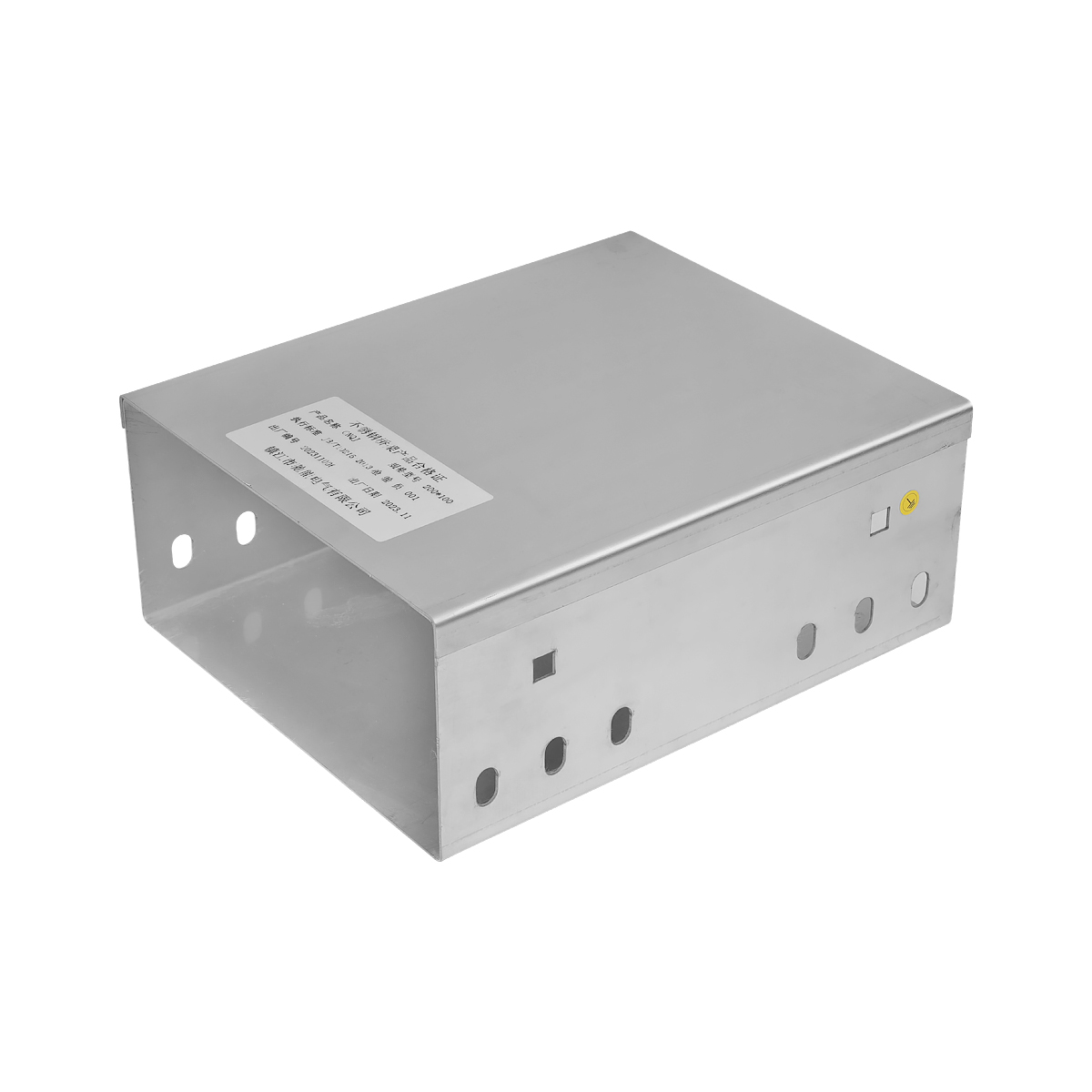
Global electrical infrastructure projects have increasingly turned to China cable trunking systems as a core solution for managing power distribution and signal routing. The rising adoption reflects a fundamental shift in how industries approach cable management, driven by a combination of economic efficiency, proven reliability, and scalable manufacturing capabilities. China cable trunking has become essential infrastructure in data centers, manufacturing plants, commercial buildings, and renewable energy installations worldwide, demonstrating that modern electrical projects demand solutions that balance performance with cost-effectiveness.
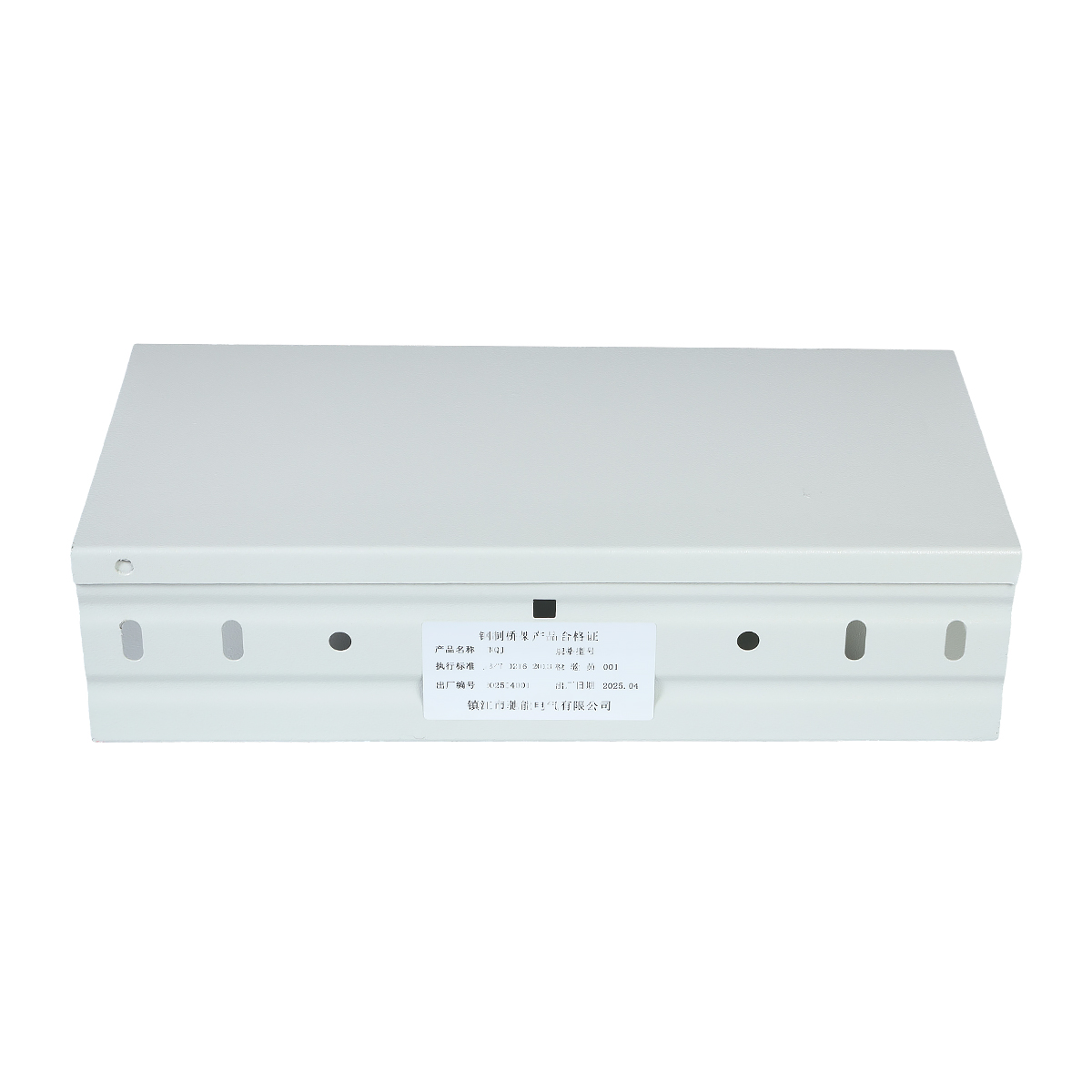
The global expansion of China cable trunking reflects deep-rooted advantages in manufacturing scale, material science innovation, and competitive pricing that resonate across industries. Engineers and project managers recognize that selecting the right cable trunking system directly impacts installation timelines, operational safety, and long-term maintenance costs. Understanding why China cable trunking has gained such momentum provides crucial insight into how modern infrastructure projects optimize their electrical systems.
Economic Efficiency and Manufacturing Scale
Cost Advantage Without Compromise
China cable trunking manufacturers operate at scale that few competitors globally can match, enabling price optimization without sacrificing core performance metrics. Production volumes exceed millions of units annually, allowing manufacturers to invest in advanced machinery, precision tooling, and quality control systems that drive down per-unit costs. This economic advantage translates directly into project budgets—electrical contractors and facility managers can specify China cable trunking systems and allocate resources to other critical infrastructure components. The competitive pricing of China cable trunking does not stem from cutting corners but from operational efficiency achieved through decades of manufacturing infrastructure development.
Material Selection and Supply Chain Integration
Manufacturers producing China cable trunking benefit from vertically integrated supply chains that secure raw materials—aluminum alloys, steel, and galvanized components—at stable commodity prices. This supply chain control enables consistent product availability and predictable lead times, critical factors for large-scale infrastructure projects operating on rigid schedules. China cable trunking suppliers maintain warehouse capacity to fulfill bulk orders without the extended delivery delays that smaller regional manufacturers often experience. The economies of scale embedded in China cable trunking production translate into reliability that project managers depend upon when coordinating multi-phase electrical installations across dispersed geographic locations.
Technical Performance and Durability Standards
International Certification and Compliance
Modern China cable trunking products meet rigorous international standards including IEC, UL, and CE certifications, demonstrating that manufacturing capabilities have evolved to match global safety and performance requirements. These certifications verify that China cable trunking systems provide adequate mechanical protection, thermal management, and electromagnetic compatibility across diverse operating environments. Electrical engineers specify China cable trunking based on technical datasheets that document load-bearing capacity, material composition, fire-rating classifications, and environmental resistance. The certification framework removes uncertainty from procurement decisions and ensures that China cable trunking installations comply with local electrical codes across North America, Europe, Asia, and other regulated markets.
Durability in Harsh Industrial Environments
China cable trunking systems engineered with stainless steel or aluminum alloy construction withstand aggressive industrial conditions including humidity, temperature extremes, and chemical exposure that would degrade inferior cable management solutions. Manufacturing processes incorporate hot-dip galvanizing, powder coating, and anodizing treatments that extend product lifespan and reduce corrosion failures in demanding settings. Industries including petrochemical processing, wastewater treatment, and offshore wind energy have validated China cable trunking performance through decades of in-service experience. This proven durability record reassures project developers that China cable trunking represents a sound long-term infrastructure investment despite initial cost considerations.
Global Infrastructure Adoption and Trend Drivers
Data Center Expansion and Digital Infrastructure
The exponential growth of global data centers fuels demand for China cable trunking systems capable of managing thousands of network cables, power distribution lines, and cooling system conduits within confined rack spaces. Data center operators select China cable trunking solutions because modular designs enable rapid cable routing reconfiguration as computing infrastructure evolves. Large hyperscale data center projects in Southeast Asia, Europe, and North America increasingly specify China cable trunking as a standard component, validating its suitability for mission-critical electrical and data infrastructure. The repeatability and consistency of China cable trunking manufacturing ensures that distributed data center projects achieve uniform cable management standards across multiple geographic sites.
Renewable Energy and Infrastructure Modernization
Renewable energy installations—solar farms, wind turbines, and grid-scale battery storage systems—depend on China cable trunking systems rated for outdoor exposure and extreme weather conditions. Infrastructure modernization projects across emerging markets prioritize solutions combining durability, affordability, and technical compliance, characteristics that align precisely with China cable trunking product specifications. Electrical contractors managing distributed renewable infrastructure appreciate the standardization that China cable trunking provides across multiple installation sites, reducing training requirements and minimizing installation errors. The adoption trend reflects recognition that infrastructure expansion in developing economies benefits from proven solutions with established supply chains and documented performance histories.
Design Innovation and Customization Capabilities
Modular Systems and Flexibility
Contemporary China cable trunking manufacturers offer modular component systems enabling engineers to configure custom cable routing solutions tailored to specific project geometry and electrical requirements. Modular design reduces installation labor costs compared to rigid, site-built alternatives while maintaining consistent quality and performance standards. China cable trunking flexibility addresses the reality that no two industrial facilities present identical cable management challenges, requiring solutions adaptable to building layouts, equipment spacing, and future expansion requirements. This customization capacity—coupled with rapid prototyping and design support from manufacturing engineers—gives China cable trunking competitive advantages over commoditized, inflexible alternatives.
Integration with Modern Infrastructure Systems
China cable trunking systems increasingly incorporate features supporting intelligent building technology, including grounding provisions, fire-rated enclosures, and cable separations that isolate power distribution from data and control signals. Advanced designs address electromagnetic interference management, thermal dissipation, and cable accessibility requirements demanded by contemporary electrical codes and industry best practices. Engineering innovation in China cable trunking manufacturing focuses on reducing installation complexity, improving cable accessibility for maintenance, and enhancing overall system reliability. These design improvements demonstrate that China cable trunking development remains responsive to evolving infrastructure requirements and emerging market needs.
FAQ
What makes China cable trunking cost-effective for large infrastructure projects?
China cable trunking cost advantage derives from manufacturing scale, vertically integrated supply chains, and operational efficiency rather than inferior quality. High-volume production enables investment in precision machinery and quality systems that reduce per-unit manufacturing costs while maintaining international certification compliance. Project budgets benefit from lower material acquisition costs, allowing capital reallocation to other infrastructure priorities without compromising electrical system safety or performance standards.
How do engineers verify that China cable trunking meets safety and performance requirements?
Specification verification begins with reviewing manufacturer certifications including IEC, UL, and CE documentation that confirm compliance with international safety and performance standards. Technical datasheets document mechanical load capacity, thermal ratings, fire classifications, and material composition enabling engineers to match China cable trunking specifications to project requirements and local electrical codes. Third-party testing and certification agencies validate that products meet published performance standards before market distribution, providing independent verification of manufacturer claims.
Why do data center and renewable energy projects increasingly specify China cable trunking?
Data center and renewable energy operators select China cable trunking because modular designs provide flexibility for reconfiguration as infrastructure evolves, combined with proven durability in outdoor and industrial environments. Large-scale infrastructure projects value the manufacturing consistency that enables standardized installations across distributed geographic sites, reducing training requirements and installation variability. Established supply chain relationships and documented performance histories across thousands of installations provide confidence that China cable trunking represents a reliable long-term infrastructure component.