
 EN
EN
The transition toward renewable energy and grid independence has made home energy storage battery systems increasingly essential for modern households. These sophisticated power solutions offer homeowners the ability to store excess solar energy, reduce electricity costs, and maintain power during outages. Understanding the complexities of battery technology, capacity requirements, and installation considerations is crucial for making an informed investment that will serve your household for years to come.
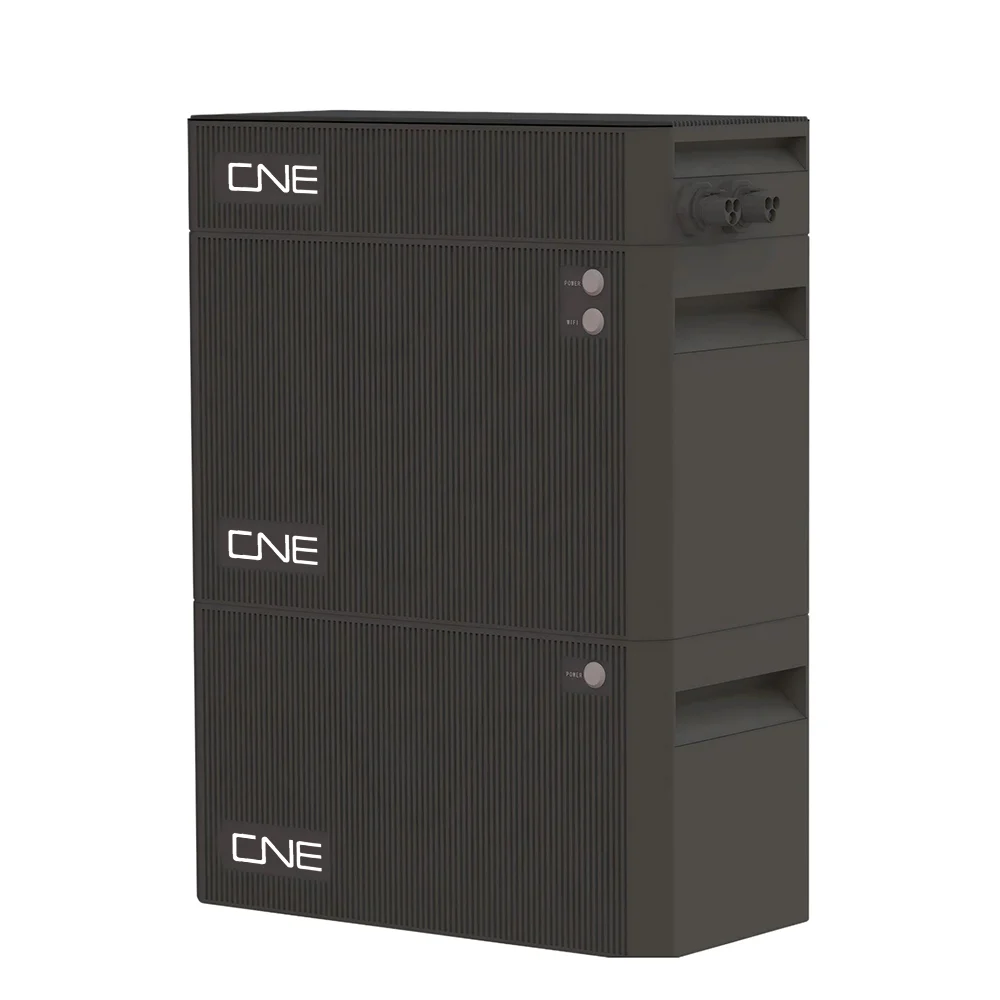
Modern energy storage technology has evolved dramatically over the past decade, offering homeowners unprecedented control over their electricity consumption and costs. The integration of smart grid technology with residential storage systems creates opportunities for energy arbitrage, where homeowners can store electricity during off-peak hours and use it during expensive peak periods. This strategic approach to energy management can result in substantial savings while contributing to grid stability and environmental sustainability.
Understanding Battery Technology Types
Lithium-Ion Battery Systems
Lithium-ion technology dominates the residential energy storage market due to its exceptional energy density, long cycle life, and declining costs. These batteries typically offer 10-15 years of reliable service with minimal capacity degradation when properly maintained. The chemistry variations within lithium-ion technology include lithium iron phosphate (LiFePO4), which prioritizes safety and longevity, and nickel manganese cobalt (NMC), which maximizes energy density for space-constrained installations.
The thermal management systems integrated into modern lithium-ion batteries ensure optimal performance across varying environmental conditions. Advanced battery management systems monitor individual cell voltages, temperatures, and charge states to prevent overcharging, overheating, and premature degradation. These sophisticated control systems contribute significantly to the safety and reliability that make lithium-ion the preferred choice for residential applications.
Alternative Battery Technologies
While lithium-ion dominates the market, alternative technologies offer unique advantages for specific applications. Lead-acid batteries, though heavier and shorter-lived, provide cost-effective solutions for budget-conscious installations with ample space. Flow batteries, though currently expensive, offer unlimited cycle life and the ability to independently scale power and energy capacity, making them attractive for long-duration storage applications.
Emerging technologies like sodium-ion and solid-state batteries promise to address current limitations in cost, safety, and resource availability. These developing technologies may offer compelling alternatives in the coming years, particularly for households prioritizing environmental sustainability or seeking independence from lithium supply chains.
Calculating Your Energy Storage Requirements
Analyzing Household Energy Consumption
Accurate assessment of your household's energy consumption patterns forms the foundation for proper system sizing. Review at least 12 months of utility bills to identify seasonal variations and peak usage periods. Smart home monitoring systems can provide detailed insights into individual appliance consumption, helping identify opportunities for load shifting and efficiency improvements that reduce overall storage requirements.
Consider future changes in energy consumption, such as electric vehicle adoption, home additions, or lifestyle changes that might affect usage patterns. A comprehensive energy audit can reveal inefficiencies that, when addressed, significantly reduce the required battery capacity and overall system cost. Professional energy consultants can provide sophisticated load analysis that accounts for time-of-use patterns and seasonal variations.
Determining Backup Power Needs
Emergency backup requirements differ significantly from daily energy management needs and require separate analysis. Identify critical loads that must remain operational during outages, including refrigeration, lighting, communication systems, and medical equipment. Calculate the total power draw of these essential systems and multiply by the desired backup duration to determine minimum battery capacity for emergency scenarios.
Consider implementing a tiered backup strategy where the most critical loads receive priority power allocation during extended outages. Smart load management systems can automatically shed non-essential loads as battery capacity decreases, extending backup duration for critical systems. This approach maximizes the utility of your home energy storage battery investment while ensuring essential systems remain operational.
Integration with Solar Energy Systems
AC-Coupled versus DC-Coupled Systems
The method of integrating battery storage with existing or planned solar installations significantly impacts system efficiency and cost. AC-coupled systems connect batteries through separate inverters, offering flexibility for retrofitting existing solar installations and enabling independent optimization of solar and battery components. This configuration simplifies installation and maintenance while providing compatibility with diverse solar inverter technologies.
DC-coupled systems integrate batteries directly with solar panels through hybrid inverters, reducing conversion losses and improving overall system efficiency. These configurations typically cost less to install in new construction but may require solar inverter replacement when retrofitting existing systems. The higher efficiency of DC-coupled systems can justify the additional complexity in applications with high daily energy cycling.
Optimizing Solar-Storage Synergy
Proper sizing of solar and battery components requires careful consideration of seasonal solar production variations and household consumption patterns. Oversized solar arrays can waste potential energy storage during peak production periods, while undersized systems may fail to fully charge batteries during low-production seasons. Advanced energy management software can optimize charging and discharging schedules to maximize financial returns and energy independence.
Time-of-use electricity rates create opportunities for sophisticated energy arbitrage strategies that combine solar production forecasting with battery scheduling. Machine learning algorithms can predict optimal charging and discharging patterns based on weather forecasts, historical consumption data, and dynamic electricity pricing, maximizing the economic benefits of integrated solar-storage systems.
Financial Considerations and Incentives
Total Cost of Ownership Analysis
Evaluating the true cost of home energy storage battery systems requires analysis beyond initial purchase price. Factor in installation costs, ongoing maintenance requirements, replacement schedules, and performance degradation over time. Professional installation typically adds 20-30% to equipment costs but ensures proper commissioning and warranty compliance that protects your investment.
Calculate the net present value of energy savings over the system's expected lifespan, considering projected electricity rate increases and battery replacement costs. Many systems achieve payback within 7-10 years through reduced electricity bills and increased solar self-consumption, with additional benefits from backup power capability and potential grid services revenue.
Available Incentives and Rebates
Federal, state, and local incentive programs can significantly reduce the effective cost of energy storage installations. The federal Investment Tax Credit currently covers 30% of system costs, including both equipment and installation expenses. Many states offer additional rebates, performance incentives, or favorable financing programs that further improve project economics.
Utility programs increasingly recognize the grid benefits of distributed energy storage and offer compensation for participating in demand response or grid stabilization programs. These programs can provide ongoing revenue streams that improve project returns while supporting grid reliability and renewable energy integration efforts.
Installation and Safety Considerations
Professional Installation Requirements
Home energy storage battery installation involves complex electrical work that requires licensed professionals familiar with local codes and safety requirements. Proper installation includes electrical panel modifications, grounding systems, emergency disconnects, and integration with existing home electrical systems. Professional installers ensure compliance with National Electrical Code requirements and local permitting processes.
Site preparation considerations include adequate ventilation, temperature control, and protection from environmental hazards. Indoor installations require proper ventilation and fire suppression considerations, while outdoor installations need weather protection and security measures. Professional assessment of installation locations ensures optimal performance and safety throughout the system's operational life.
Ongoing Maintenance and Monitoring
Modern battery systems require minimal routine maintenance but benefit from regular monitoring and occasional professional inspection. Remote monitoring systems provide real-time performance data and early warning of potential issues, enabling proactive maintenance that extends system life and maintains warranty coverage. Annual professional inspections can identify developing problems before they impact system performance or safety.
Proper maintenance includes periodic cleaning of ventilation systems, inspection of electrical connections, and software updates for control systems. Understanding warranty requirements and maintaining proper documentation ensures coverage for potential component failures or performance issues that may arise during the system's operational life.
FAQ
How long do home energy storage batteries typically last
Modern lithium-ion home energy storage batteries typically last 10-15 years with proper maintenance and usage. The actual lifespan depends on factors such as depth of discharge, charging patterns, temperature conditions, and battery chemistry. Most manufacturers warranty their systems for 10 years or a specific number of charge cycles, whichever occurs first. Regular monitoring and following manufacturer guidelines can help maximize battery lifespan and maintain optimal performance throughout the warranty period.
Can I install a home energy storage battery myself
Home energy storage battery installation requires professional electrical work and should not be attempted as a DIY project. The installation involves high-voltage DC and AC electrical connections, integration with home electrical panels, and compliance with local electrical codes and permitting requirements. Professional installation ensures safety, warranty coverage, and proper system commissioning. Additionally, many local jurisdictions require licensed electrician installation for code compliance and insurance coverage.
What size battery do I need for my home
The appropriate battery size depends on your specific energy consumption patterns, backup power requirements, and budget considerations. A typical household might need 10-20 kWh of storage for daily energy management, while emergency backup requirements could necessitate additional capacity. Factors to consider include average daily electricity usage, peak power demands, desired backup duration, and integration with solar panels. Professional energy assessment can provide accurate sizing recommendations based on your specific needs and usage patterns.
How much money can I save with a home energy storage battery
Savings from home energy storage batteries vary significantly based on local electricity rates, usage patterns, solar integration, and available incentive programs. Households with time-of-use rates can save substantial amounts through peak shaving and load shifting strategies. Combined with solar panels, storage systems can increase self-consumption and reduce grid dependence. Typical payback periods range from 7-12 years, with ongoing savings continuing throughout the system's 15+ year lifespan. Additional benefits include backup power value and potential participation in utility grid services programs.